

Glasses with Speakers vs Earbuds: Which Is Better for Outdoor Listening in 2026?
Glasses with speakers are redefining outdoor sound freedom—no more sweaty ears or tangled cords. These sleek eyeglasses with speakers and modern bluetooth glasses frames blend fashion with function, while comfortable bluetooth earbuds still promise immersive focus. But when wind, traffic, and sunshine hit, which one truly delivers the clearest sound experience?
⏱ 7 min read
Quick Verdict: Glasses with Speakers vs Earbuds (TL;DR)
Choose Audio Glasses If…
- You prioritize situational awareness outdoors
- You want all-day comfort without ear fatigue
- You frequently walk, cycle, or commute in busy environments
- You prefer open-ear audio for safety and convenience
Choose Earbuds If…
- You want the best sound quality and bass performance
- You need noise isolation or active noise cancellation
- You listen in noisy environments (gyms, flights, public transit)
- You care about immersive audio experiences
Glasses with Speakers vs Earbuds: Side-by-Side Comparison Table
- Sound Quality: Earbuds offer richer bass and clarity; audio glasses are more ambient
- Situational Awareness: Glasses win (open-ear design)
- Comfort: Glasses for long wear; earbuds can cause fatigue
- Privacy: Earbuds keep audio fully contained
- Battery Life: Earbuds generally last longer per charge
- Outdoor Safety: Glasses are significantly safer
- Best Use Case: Glasses = outdoor movement; Earbuds = focused listening
Do glasses with speakers really work outdoors?
Glasses with speakers deliver clear, open-ear audio without blocking your surroundings. Using built-in directional Bluetooth speakers, these smart eyewear frames stream sound directly to your ears while keeping you aware of traffic and conversation—making them ideal for outdoor runs, driving, or daily commutes.
What Are Glasses with Speakers?
Imagine wearing your favorite pair of sunglasses—but they also stream your playlist, navigation cues, and calls directly to your ears. That’s the magic of glasses with speakers, a fast-growing category of wearable tech designed to merge sound, comfort, and style seamlessly.
Unlike earbuds that seal off your ear canal, eyeglasses with speakers use small directional speakers built into the arms of the frame. These deliver focused sound without isolating you from your environment—perfect for outdoor awareness and everyday convenience.
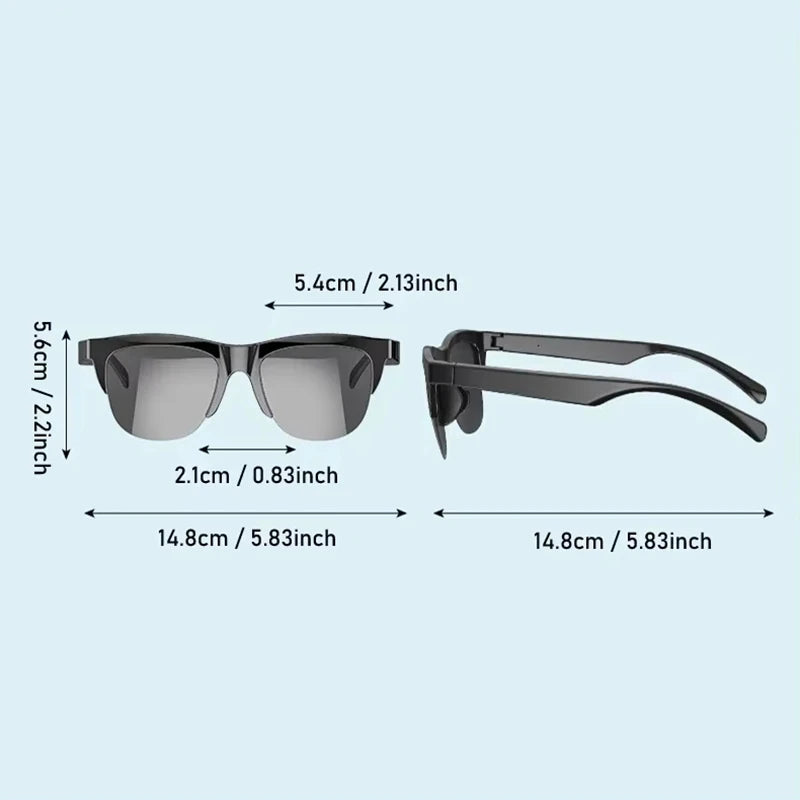
💡 Glasses with speakers in action — fashion meets wireless sound freedom.
What Are Earbuds? (And How They Differ Today)
Earbuds are compact in-ear audio devices designed to deliver immersive sound directly into your ear canal. Modern earbuds often include features like active noise cancellation (ANC), transparency mode, touch controls, and high-fidelity drivers.
Unlike glasses with speakers, earbuds create a sealed or semi-sealed listening environment. This allows for deeper bass, clearer detail, and better performance in noisy environments—but at the cost of reduced awareness of your surroundings.
Why Outdoor Audio Matters More Than You Think
When listening outdoors, your environment becomes part of the experience. Traffic noise, conversations, and unexpected hazards all require awareness—something traditional earbuds can limit.
This is where the difference between audio glasses and earbuds becomes critical. Open-ear designs allow you to hear both your audio and your surroundings, while in-ear devices prioritize immersion and isolation.
Choosing the right device isn’t just about sound—it’s about safety, comfort, and how you interact with the world around you.
Glasses with Speakers vs. Earbuds: Detailed Comparison
Here’s how these two technologies stack up when it comes to real outdoor use. Which fits your lifestyle best? Let’s compare the essentials.
| Feature | Glasses with Speakers | Comfortable Bluetooth Earbuds |
|---|---|---|
| Sound Type | Open-ear, directional | In-ear, immersive |
| Comfort Level | All-day comfort, no ear pressure | Can cause ear fatigue after long use |
| Outdoor Safety | Full situational awareness | Blocks ambient sounds |
| Sweat Resistance | Moderate | High (sport models) |
| Style Factor | Fashion-forward eyewear | Minimalistic tech look |
| Battery Life | Up to 6 hours | 4–8 hours depending on model |
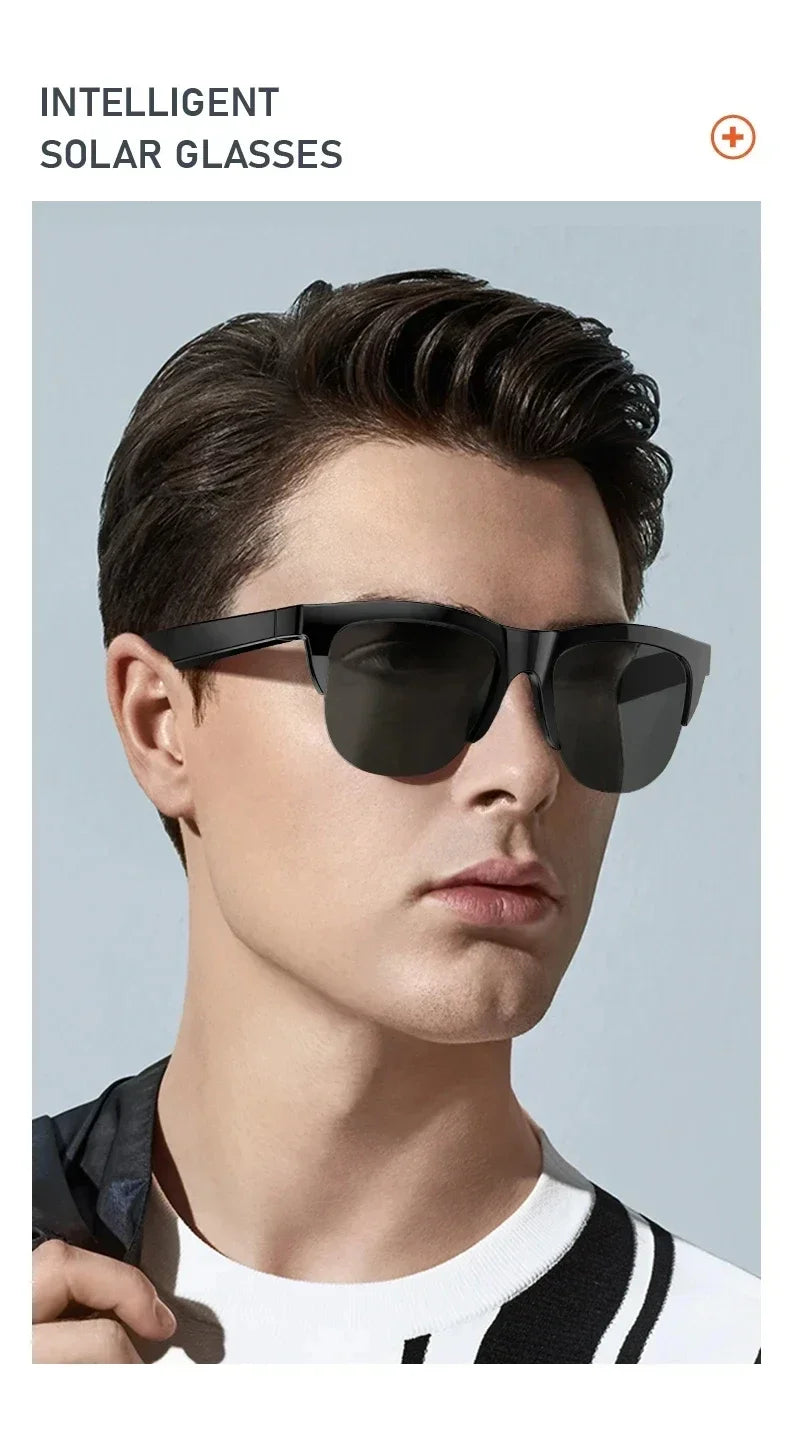
🎧 Eyeglasses with speakers vs earbuds — see and hear the difference.
Glasses with Speakers vs Earbuds: Real-World Scenario Comparison
Walking & Commuting
Audio glasses allow you to stay aware of traffic and announcements, making them ideal for city walking. Earbuds may block important environmental cues unless transparency mode is enabled.
Cycling & Safety-Critical Situations
Open-ear audio glasses are significantly safer for cycling, as they don’t block surrounding sounds. Earbuds can reduce reaction time and awareness.
Work & Office Use
Glasses offer subtle audio without fully disconnecting from coworkers. Earbuds are better for focused tasks but can appear socially isolating.
Travel & Long Listening Sessions
Earbuds excel during flights or trains due to noise cancellation. Glasses struggle in loud environments.
Workouts & Sweat Resistance
Earbuds typically offer better sweat resistance and secure fit for intense workouts, while glasses are better for light activity.
Sound Quality Breakdown: Open-Ear vs In-Ear Audio
Clarity & Bass
Earbuds deliver stronger bass and clearer detail due to direct sound delivery. Glasses with speakers produce lighter, more ambient audio.
Volume & Noise Isolation
Earbuds can reach higher volumes and block external noise. Audio glasses struggle in loud environments like traffic or crowded streets.
Call Quality & Microphones
Both devices support calls, but earbuds typically offer better voice isolation, while glasses rely more on ambient pickup.
Comfort, Fit, and Long-Term Wearability
Glasses with speakers distribute weight across your face, making them ideal for extended wear without pressure in the ears.
Earbuds, while lightweight, can cause ear fatigue over time—especially during long listening sessions or in-ear pressure buildup.
If you wear glasses already, audio glasses can feel natural. If not, earbuds remain the more flexible option.
Battery Life, Charging, and Daily Convenience
Earbuds generally offer longer playback times, especially with charging cases that extend total usage to 20–30 hours.
Audio glasses typically provide shorter battery life per charge and require more frequent charging, though they eliminate the need for carrying a separate case.
Your choice depends on whether you value convenience or extended listening time.
Social Acceptability & Privacy (Underrated Factor)
Earbuds are widely accepted and discreet, making them suitable for most environments. Audio glasses, while stylish, can draw attention and may leak sound at higher volumes.
If privacy is important, earbuds are the safer choice. If you value openness and convenience, glasses may feel more natural.
Pros and Cons of Each Option
Glasses with Speakers
- ✔ Open-ear awareness for safety
- ✔ Comfortable for long wear
- ✔ Seamless integration into daily life
- ✘ Weaker sound quality and bass
- ✘ Limited performance in noisy environments
Earbuds
- ✔ Superior sound quality and immersion
- ✔ Strong noise isolation or cancellation
- ✔ Better for travel and workouts
- ✘ Can block environmental awareness
- ✘ May cause ear fatigue over time
Which One Is Best for You? (Decision Framework)
Choose glasses with speakers if your priority is safety, comfort, and staying connected to your environment—especially outdoors.
Choose earbuds if you want immersive sound, strong bass, and better performance in noisy environments.
For many users, the ideal setup includes both: audio glasses for daytime movement and earbuds for focused listening.
Smart Glasses vs Earbuds: Future Trends in Wearable Audio
Smart glasses are rapidly evolving, integrating voice assistants, augmented reality, and health tracking features.
Meanwhile, earbuds continue to improve with adaptive sound, spatial audio, and AI-powered noise control.
The future may not be about choosing one over the other—but how both devices integrate into a seamless wearable ecosystem.
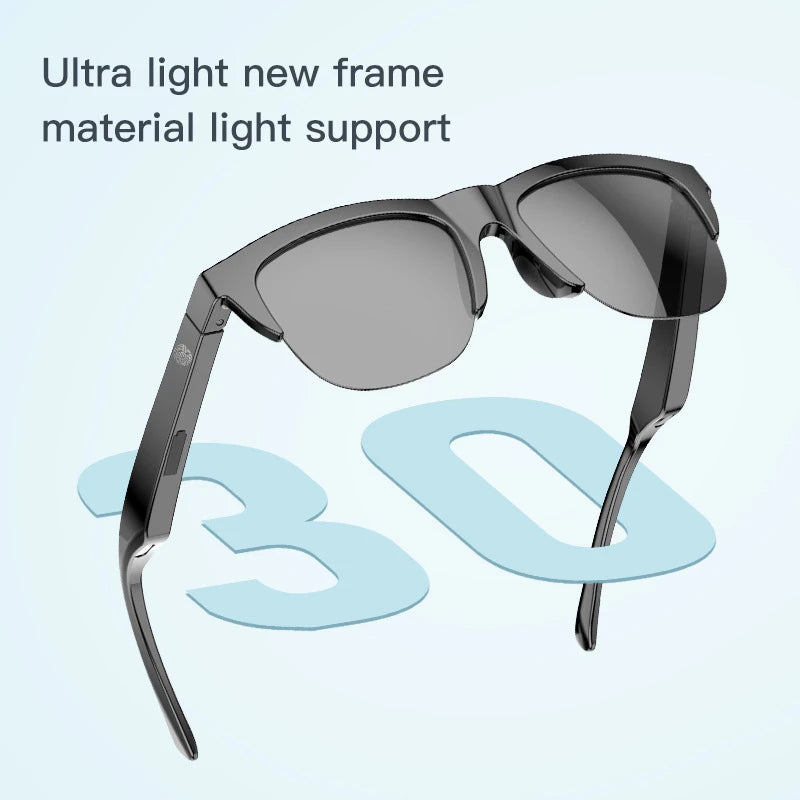
💡 KentDO Bluetooth Glasses Frames — smart eyewear for everyday life.
FAQs
Are glasses with speakers safe for driving?
Yes. Because they don’t block your ears, glasses with speakers allow you to hear surrounding sounds—making them safer than noise-canceling earbuds while driving.
Can others hear my music when I wear eyeglasses with speakers?
Only faintly at close range. Directional speakers focus sound toward your ears, minimizing audio leakage even at moderate volume.
Do bluetooth glasses frames work with all smartphones?
Yes. Most models, including KentDO Smart Bluetooth Sunglasses, pair seamlessly with iOS and Android devices via standard Bluetooth connectivity.
How long does the battery last?
Battery life varies by model, typically around 5–6 hours per charge—enough for a full workday or outdoor session.
Are audio glasses worth it in 2026?
Yes—especially for outdoor users who value safety, comfort, and multitasking. They offer a unique balance between awareness and convenience.
Do audio glasses work in noisy environments?
They work best in moderate environments. In very loud areas, earbuds still outperform due to noise isolation.
Can audio glasses replace earbuds?
Not entirely. Audio glasses complement earbuds rather than replace them—each serves different listening needs.
Where can I explore more wearable wellness tech?
Check out our Body Care and Health Devices or Lifestyle collections for smart wellness gear that fits your routine.
Pillar Article: Top 10 Sunglasses with Bluetooth Headphones You’ll Actually Want to Wear
Other Related Articles:
- Smart Audio Sunglasses Showdown: The 5 Best for Sound and Style in 2025
- Glasses with Headphones Review: Do They Really Work or Just Hype?
- The Hidden Winner Among Bluetooth Sunglasses with Headphones (You’ll Be Surprised)
- Bluetooth Headphone Sunglasses Comparison: Which Model Fits Your Lifestyle Best?
Explore More:













