

What to do for wrist pain at home?
What to do for wrist pain at home begins with reducing activities that aggravate the joint, using ice or heat at the right time, performing gentle mobility exercises, and supporting the wrist during daily tasks. Most mild cases caused by overuse improve within several days to a few weeks when you combine rest, proper ergonomics, and gradual movement while avoiding further strain.
What to do for wrist pain: step-by-step relief guide at home
If you're wondering what to do for wrist pain after typing, lifting, exercising, or caring for a baby, you're not alone. Wrist discomfort is often caused by repetitive movements that place ongoing stress on the tendons, muscles, and small joints. This guide explains practical wrist pain relief at home, including ways to reduce wrist strain during baby care, home remedies for wrist fatigue parents can use every day, and simple recovery techniques that help restore comfort and mobility. You'll also learn how to protect your wrists from recurring pain without disrupting your daily routine.
⏱ 5 min read
Discover gentle recovery tools that ease wrist tension faster
Body Care and Health Devices
What to do for wrist pain starts with the right support — see it in action
Aching, stiff, or sore wrists aren't simply a sign that you've had a busy day. They're often an early warning that the tissues around your wrist need time to recover.
Whether your discomfort comes from lifting your child, working at a computer, exercising, gardening, or using your phone for long periods, repetitive stress can gradually lead to inflammation, tight muscles, and reduced flexibility.
The encouraging news is that many cases of mild wrist pain respond well to early home treatment.
In this guide, you'll learn what helps wrist pain fast, which daily habits may be making symptoms worse, and the simple steps that support healing before discomfort develops into a more persistent problem.
Small changes in how you move, rest, and recover can make a significant difference in reducing wrist pain and preventing it from returning.
Why Wrist Pain Happens More Than You Think (and How to Stop It Early)
Your wrist is made up of multiple small bones connected by ligaments, tendons, muscles, and nerves that work together to provide strength and precise movement. Because these structures are used almost constantly throughout the day, even minor repetitive stress can gradually cause irritation.
Many people don't notice the problem until everyday activities such as opening jars, lifting a child, gripping a steering wheel, or typing become uncomfortable.
- Repeated lifting, especially during baby care or household tasks
- Poor typing posture and inadequate workstation ergonomics
- Frequent phone or tablet use that keeps the wrist bent for long periods
- Lack of stretching and recovery after repetitive activities
- Ignoring early soreness until inflammation becomes more noticeable
When the wrist doesn't have enough time to recover, small amounts of tissue irritation accumulate. This can lead to stiffness, tenderness, reduced grip strength, and discomfort during movement.
| Common cause | How it affects the wrist |
|---|---|
| Repetitive motion | Creates tiny areas of tissue irritation that build over time |
| Poor ergonomics | Places unnecessary stress on joints, tendons, and surrounding muscles |
| Limited mobility | Reduces flexibility and increases stiffness during daily activities |
| Skipping recovery | Delays healing and increases the chance of recurring discomfort |
Recognizing these early warning signs allows you to begin treatment sooner, which often shortens recovery and helps prevent more persistent wrist problems.
What to Do for Wrist Pain: Step-by-Step Relief Plan That Works Fast
If you're looking for how to relieve wrist pain at home, the most effective approach combines temporary rest with gradual movement rather than complete inactivity. The goal is to calm irritation while maintaining healthy mobility.
- Rest and modify activities. Reduce repetitive gripping, lifting, or typing for the first 24 to 48 hours without completely immobilizing the wrist unless advised by a healthcare professional.
- Choose ice or heat appropriately. Ice helps reduce swelling and discomfort during the first day or two after irritation develops, while gentle heat can be more beneficial for ongoing stiffness once swelling has settled.
- Perform gentle mobility exercises. Slow, pain-free wrist movements help maintain flexibility and reduce stiffness without placing excessive stress on healing tissues.
- Support the wrist during demanding tasks. A supportive brace or recovery device may help reduce unnecessary strain while allowing you to continue light daily activities more comfortably.
- Gradually return to normal activity. As symptoms improve, slowly increase activity levels while monitoring for pain rather than immediately returning to repetitive movements.
For most people with mild overuse injuries, combining these strategies consistently provides better results than relying on a single treatment alone.
Learn step-by-step how to relieve wrist pain at home
Rechargeable Wrist MassagerHome Remedies for Wrist Fatigue Parents Can Use Daily
Daily home care can reduce discomfort, improve flexibility, and support recovery from mild wrist strain. These simple remedies are especially helpful for parents, office workers, and anyone performing repetitive hand movements throughout the day.
Cold Therapy for Immediate Relief
Ice is most effective during the first 24 to 48 hours after pain begins or whenever the wrist feels swollen following activity.
- Wrap an ice pack in a thin towel and apply it for 10–15 minutes at a time.
- Repeat every few hours as needed while symptoms are most noticeable.
- Cold therapy helps reduce swelling, inflammation, and temporary pain.
Warm Compress for Stiffness
Heat works best when swelling has settled and stiffness is the primary concern.
- Apply a warm compress or heating pad for 15–20 minutes.
- Use before stretching or after long periods of typing, lifting, or baby care.
- Gentle warmth promotes circulation and makes movement feel more comfortable.
Self-Massage Techniques
Light massage can help relax tight muscles surrounding the wrist and forearm.
- Use slow circular pressure with your thumb along the forearm muscles.
- Massage the palm, base of the thumb, and areas that feel especially tight.
- Avoid pressing directly on sharp or intensely painful areas.
Elevation and Rest
Giving the wrist regular breaks is one of the simplest yet most effective home remedies for wrist pain.
- Elevate your wrist on a pillow when resting if swelling is present.
- Alternate repetitive tasks with short recovery breaks throughout the day.
- Avoid prolonged gripping or lifting until discomfort begins to improve.
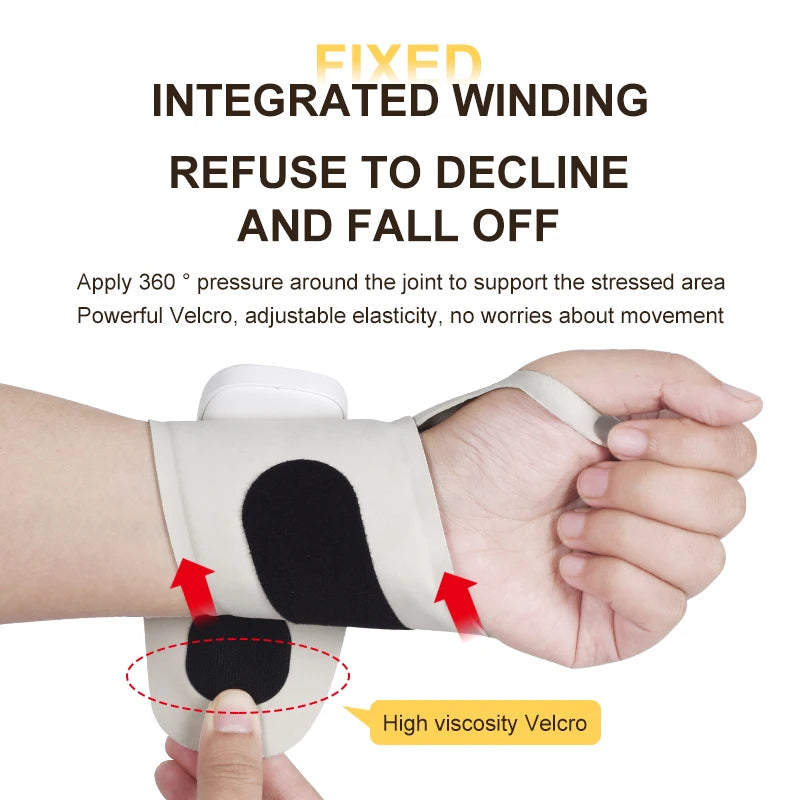
Home remedies for wrist fatigue parents trust — see real recovery support
These techniques work best when used consistently. Combining several approaches—such as gentle stretching, appropriate temperature therapy, and adequate rest—often produces better results than relying on a single method alone.
If daily activities continue to place stress on your wrists, supportive recovery devices may also help improve comfort between work, childcare, and household responsibilities.
Best Exercises for Parent Wrist Recovery (Safe & Effective)
Once severe pain and swelling have settled, gentle exercises help restore flexibility, improve circulation, and rebuild strength. Perform each movement slowly and stop if pain becomes sharp or progressively worse.
- Wrist Flexor Stretch – Extend one arm with the palm facing upward and gently pull the fingers back until you feel a comfortable stretch along the forearm. Hold for 20–30 seconds.
- Wrist Extensor Stretch – Extend the arm with the palm facing downward, then gently bend the wrist and pull the hand toward you to stretch the top of the forearm.
- Grip Strength Exercise – Squeeze a soft foam ball or therapy putty for a few seconds before slowly releasing. Begin with light resistance.
- Rotation Mobility Drill – Slowly rotate the wrist clockwise and counterclockwise through a comfortable range of motion to maintain joint mobility.
| Exercise | Primary benefit |
|---|---|
| Flexor Stretch | Reduces muscle tightness and improves flexibility |
| Extensor Stretch | Relieves tension from repetitive gripping and typing |
| Grip Training | Gradually rebuilds hand and wrist strength |
| Wrist Rotation | Maintains mobility and reduces stiffness |
Tip: Perform these exercises once or twice daily using slow, controlled movements. Mild stretching is normal, but increasing pain is a sign to reduce intensity or stop temporarily.
Daily Routine to Ease Wrist Stiffness Moms Can Follow Without Extra Time
Protecting your wrists doesn't require a lengthy workout. A few short recovery sessions spread throughout the day can help reduce accumulated strain and keep symptoms from returning.
- Morning: Spend two to three minutes performing gentle wrist stretches before beginning household tasks, childcare, or computer work.
- Midday: Take a brief movement break to stretch your fingers, rotate your wrists, and shake out muscle tension after repetitive activity.
- Evening: Use light self-massage or a recovery device to relax tight forearm muscles and improve circulation.
- Before bed: Apply gentle heat if stiffness is present, then avoid sleeping with your wrist bent underneath your body.
Building these habits into your normal routine can reduce repetitive strain, improve comfort during daily activities, and support long-term wrist health without requiring significant extra time.
Frequently Asked Questions
How long does wrist pain take to heal?
Recovery depends on the cause and severity of your symptoms. Mild wrist pain caused by overuse often begins improving within a few days when you reduce repetitive activities and follow a consistent home treatment plan. Tendon irritation or mild sprains may require two to six weeks, while severe injuries or fractures require medical evaluation and a longer recovery period.
Can I still use my wrist while it hurts?
Yes, but modify your activities. Gentle daily movement helps prevent stiffness, while repetitive lifting, forceful gripping, or high-impact activities can delay healing. If an activity causes sharp pain or noticeably increases swelling afterward, stop and allow the wrist additional time to recover.
What is the fastest way to relieve wrist pain?
For most mild cases, the fastest approach combines temporary activity modification, ice for recent inflammation, heat for stiffness, gentle stretching, and supportive recovery tools when appropriate. Addressing the source of the strain is just as important as treating the symptoms.
When should I see a doctor for wrist pain?
Seek medical care if you have severe pain after an injury, significant swelling or deformity, numbness or persistent tingling, loss of strength, inability to move the wrist normally, or pain that does not improve after one to two weeks of appropriate home care. Immediate evaluation is recommended if you suspect a fracture or your fingers become pale, cold, or difficult to move.
Should I use ice or heat for wrist pain?
Ice is generally best during the first 24 to 48 hours after pain develops or whenever swelling is present. Heat is more helpful for ongoing stiffness, muscle tightness, or preparing the wrist for stretching and gentle exercise. Some people benefit from alternating both methods at different stages of recovery.
Can wrist pain go away on its own?
Mild overuse injuries often improve with rest and activity modification, but continuing the same repetitive movements without addressing the cause may allow symptoms to return. Combining home care with better ergonomics and regular stretching gives the best chance of lasting improvement.
How long should I rest a sore wrist?
Complete rest is rarely necessary for uncomplicated overuse injuries. Instead, reduce activities that aggravate the wrist for 24 to 48 hours while maintaining gentle pain-free movement. Gradually resume normal activities as discomfort decreases.
Can I exercise with wrist pain?
Gentle range-of-motion and stretching exercises are often beneficial once severe pain and swelling have settled. Avoid exercises that produce sharp pain, heavy loading, or repeated impact until your wrist has recovered sufficiently.
Why does my wrist hurt without an injury?
Wrist pain frequently develops from repetitive strain rather than a single accident. Typing, lifting children, sports, prolonged phone use, and repetitive household tasks can gradually irritate tendons, muscles, and joints even when you cannot identify one specific injury.
Can repetitive baby care cause wrist pain?
Yes. Frequently lifting, feeding, carrying, and supporting a baby places repeated stress on the wrist and thumb. Using proper lifting techniques, changing hand positions regularly, taking short stretching breaks, and allowing adequate recovery can help reduce recurring discomfort.
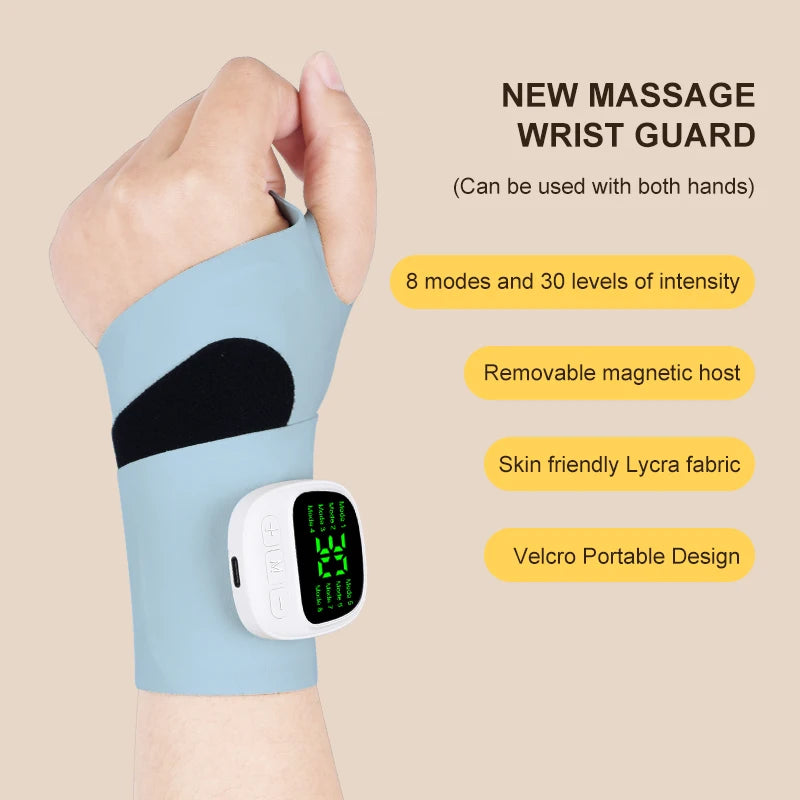
Best exercises for parent wrist recovery made easier — try it today
Final thought:
Most mild wrist pain improves with early care, consistent recovery habits, and attention to the activities that caused the problem in the first place. By combining appropriate rest, gentle mobility exercises, ergonomic adjustments, and supportive treatment when needed, you can reduce discomfort, restore normal function, and lower the risk of future flare-ups.
Related Articles:
- Heating pad for wrist pain: how to use it correctly
- Home care for wrist pain: how to reduce discomfort fast
- Remedies for wrist tendonitis: how to ease pain daily
- Wrist pain remedies at home: simple steps that work
Pillar Articles:













