

How to Use 4 Types of Facial Massage for Maximum Skin Benefits
The 4 types of facial massage offer more than a relaxing self-care ritual. When performed correctly, facial massage can temporarily improve circulation, encourage lymphatic drainage, relieve muscle tension, and enhance the absorption of skincare products. Different facial massage techniques target different skin concerns, from morning puffiness and facial tightness to dullness and loss of definition.
Facial massage works by stimulating the skin, underlying connective tissue (fascia), facial muscles, and superficial lymphatic vessels. Gentle, repetitive movements increase blood flow, delivering oxygen and nutrients to the skin, while light drainage strokes help move excess fluid away from the face. Sculpting and lifting motions can also relax overactive facial muscles and temporarily improve facial contours.
Although facial massage is not a replacement for medical or cosmetic procedures, consistent practice can contribute to healthier-looking skin, reduced puffiness, improved skin radiance, and a more relaxed facial appearance. In this guide, you'll learn the different facial massage techniques, when to use each one, and how to choose the best method for your skincare goals.

Discover the 4 types of facial massage and how each technique supports healthier-looking skin.
How to Choose the Right Facial Massage for Your Skin Goals
The best facial massage treatment depends on your primary concern, skin sensitivity, and how much time you can dedicate to your routine. While many people combine several facial massage methods in a single session, beginners often achieve the best results by focusing on one technique at a time before building a more comprehensive routine.
- Puffiness, morning swelling, or fluid retention: Choose lymphatic drainage massage using feather-light strokes to encourage lymph flow.
- Dull, tired-looking skin: Select circular (kneading) massage to stimulate circulation and promote a healthy glow.
- Loss of firmness or facial definition: Practice lifting (sculpting) massage with controlled upward strokes along the cheeks, jawline, and neck.
- Jaw tension, stress, or tension headaches: Use acupressure massage to gently release tight facial muscles and pressure points.
If you're new to face massage treatments, begin with gentle lymphatic drainage two or three times per week. As your skin becomes accustomed to massage, you can incorporate lifting or acupressure techniques based on your skincare goals. Those with active acne, inflamed skin, or recent cosmetic procedures should consult a dermatologist before starting a facial massage routine.
4 Types of Facial Massage Explained
The 4 types of facial massage each work through different mechanisms and are designed to address specific skin concerns. Understanding how these different facial massage techniques affect circulation, muscles, and lymphatic flow makes it easier to select the most effective approach for your needs.
1. Lymphatic Drainage Massage
Lymphatic drainage is one of the gentlest types of facial massage techniques. It uses slow, light, rhythmic strokes that follow the natural lymphatic pathways to encourage excess fluid to move toward nearby lymph nodes.
Best for: Puffiness, under-eye swelling, post-sleep facial bloating, and sensitive skin.
How it works: Instead of pressing deeply into muscles, this massage lightly stretches the skin to stimulate superficial lymph vessels, helping reduce temporary fluid retention.
Key benefits:
- Reduces facial puffiness
- Improves facial definition temporarily
- Supports healthy circulation without aggressive pressure
- Suitable for frequent use
2. Acupressure Massage
Acupressure is among the oldest facial massage methods and involves applying steady pressure to specific facial points rather than continuous strokes. Many people use it to relieve muscular tension while promoting relaxation.
Best for: Jaw tightness, forehead tension, stress, and facial fatigue.
How it works: Gentle fingertip pressure is maintained for several seconds before being released, helping relax tight muscles around the temples, brows, jaw, and cheeks.
Key benefits:
- Relieves facial muscle tension
- May reduce stress-related tightness
- Complements other facial massage techniques
- Encourages overall facial relaxation
3. Lifting (Sculpting) Massage
Lifting massage uses controlled upward strokes designed to engage facial muscles and temporarily improve facial contours. It is one of the most popular types of facial massages in anti-aging skincare routines.
Best for: Mild loss of firmness, soft jawline definition, and facial muscle tension.
How it works: Moderate pressure combined with upward movements follows the natural direction of facial muscles while avoiding excessive skin pulling.
Key benefits:
- Creates a temporary lifting effect
- Improves awareness of facial muscle tension
- Enhances circulation during massage
- Pairs well with consistent skincare routines
4. Circular (Kneading) Massage
Circular massage relies on small, repetitive circular movements performed with the fingertips. This technique primarily stimulates local blood flow while helping facial muscles relax.
Best for: Dull complexion, uneven skin texture, and general facial relaxation.
How it works: Gentle circular movements increase local circulation without applying excessive force, making this technique suitable for most skin types when performed carefully.
Key benefits:
- Promotes a healthy-looking glow
- Supports skincare product distribution
- Relaxes facial muscles
- Works well as part of an evening skincare routine
Comparison Table: Facial Massage Types at a Glance
| Massage Type | Primary Purpose | Best For | Recommended Frequency | Expected Results |
|---|---|---|---|---|
| Lymphatic Drainage | Encourage fluid movement | Puffiness and swelling | Daily or as needed | Reduced puffiness and improved facial definition |
| Acupressure | Release muscle tension | Jaw, temples, forehead | 2–4 times weekly | Less facial tightness and greater relaxation |
| Lifting (Sculpting) | Activate facial muscles | Loss of firmness | 3–5 times weekly | Temporary lifting and sculpted appearance |
| Circular (Kneading) | Boost circulation | Dull or tired-looking skin | 2–5 times weekly | Brighter complexion and smoother-looking skin |
Each technique serves a different purpose, and many people combine two or more methods during a single facial massage session to address multiple skin concerns while keeping pressure gentle and movements controlled.
How to Perform Each Facial Massage Technique
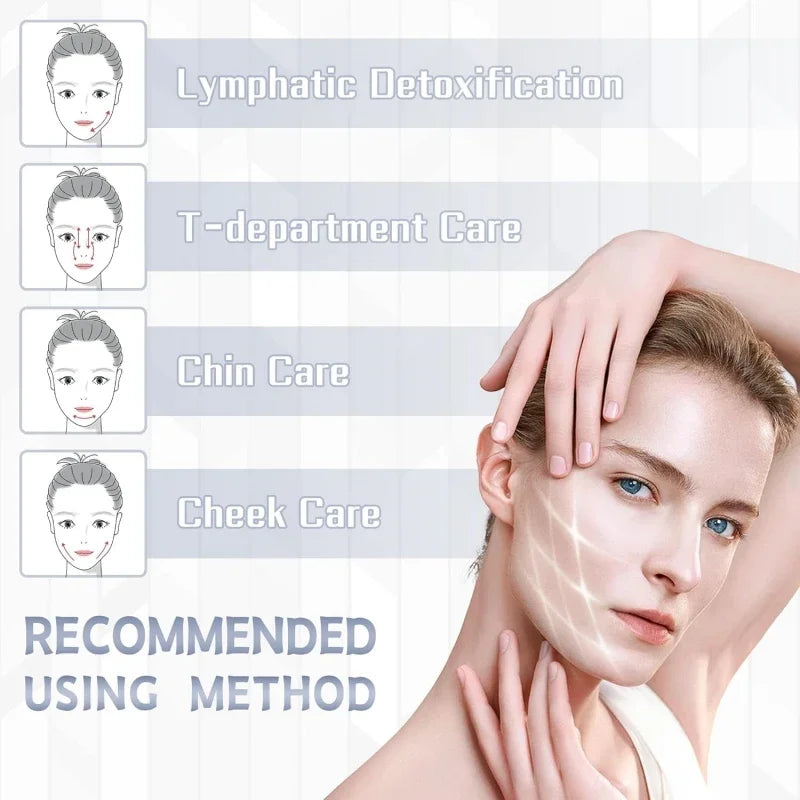
Lymphatic Drainage: Step-by-Step
- Cleanse your face thoroughly and apply a lightweight facial oil or serum to reduce friction.
- Begin at the center of the chin and use feather-light strokes toward the ears.
- Continue from the sides of the nose across the cheeks, then from the center of the forehead toward the temples.
- Finish by sweeping gently down the sides of the neck toward the collarbones to encourage lymphatic drainage.
- Repeat each movement 5–10 times using minimal pressure. The skin should glide without being compressed.
Pressure:
Very light.
Session length:
3–5 minutes.
Acupressure: Step-by-Step
- Locate common facial massage points around the temples, between the eyebrows, beneath the cheekbones, and along the jaw.
- Use your fingertips to apply steady, comfortable pressure.
- Hold each point for 5–10 seconds while breathing normally.
- Release gradually before moving to the next point.
- Repeat the sequence one or two times without pressing hard enough to cause discomfort.
Pressure:
Gentle to moderate.
Session length:
3–5 minutes.
Lifting Massage: Step-by-Step
- Apply a facial oil to allow smooth upward movements.
- Starting at the chin, glide upward along the jawline toward the ears.
- Massage from the corners of the mouth toward the cheekbones using slow lifting strokes.
- Continue upward across the cheeks and finish by lifting from the eyebrows toward the hairline.
- Repeat each lifting movement 5–8 times while avoiding excessive pulling of the skin.
Pressure:
Moderate but comfortable.
Session length:
5–8 minutes.
Circular Massage: Step-by-Step
- Place your fingertips on the cheeks and begin making small circular motions.
- Work across the forehead, nose, temples, and jawline.
- Keep the movements slow and even without dragging the skin.
- Reduce pressure around the delicate eye area.
- Finish after several minutes once the skin appears comfortably warmed and refreshed.
Pressure:
Light to moderate.
Session length:
3–5 minutes.
Learn step-by-step facial massage techniques that support circulation, relaxation, and a healthy-looking complexion.
Facial Massage Points You Should Know
Knowing where to place your hands is just as important as mastering the massage technique itself. These key facial massage points follow major muscle groups and lymphatic drainage pathways, allowing you to improve comfort while minimizing unnecessary pressure.
Forehead
Begin at the center of the forehead and glide outward toward the temples. This area commonly holds tension from facial expressions and prolonged screen time.
- Use light, upward strokes.
- Avoid pressing directly over irritated skin.
- Helps relax forehead muscles and smooth facial tension.
Temples
The temples respond well to slow circular movements and gentle acupressure.
- Apply light circular motions with two fingertips.
- Hold gentle pressure for several seconds if using acupressure.
- Avoid excessive force that may cause discomfort.
Cheeks
The cheeks contain large facial muscles and superficial lymphatic vessels that benefit from controlled outward and upward strokes.
- Massage from the sides of the nose toward the ears.
- Use lifting movements rather than downward pulling.
- Maintain smooth, continuous movements to avoid stretching the skin.
Jawline and Neck
The jawline often accumulates muscular tension, while the neck forms an important drainage pathway for lymphatic massage.
- Glide from the chin toward the ears for sculpting techniques.
- Finish every lymphatic routine by sweeping gently down the sides of the neck toward the collarbones.
- Avoid pressing directly on the throat or inflamed areas.
Common mistakes to avoid:
- Using excessive pressure in an attempt to achieve faster results.
- Dragging dry skin without sufficient slip.
- Massaging over active acne, infections, sunburn, or open wounds.
- Skipping the neck when performing lymphatic drainage massage.
Hands vs Facial Massage Tools
Effective facial massage depends more on proper technique than on expensive equipment. Hands provide excellent control and allow you to adjust pressure for different areas of the face, making them suitable for nearly every facial massage method.
- Hands: Ideal for beginners, acupressure, and precise pressure control.
- Gua sha: Helpful for smooth lifting strokes and lymphatic drainage when used with light pressure.
- Facial rollers: Can provide a cooling, soothing massage and are convenient for quick daily routines.
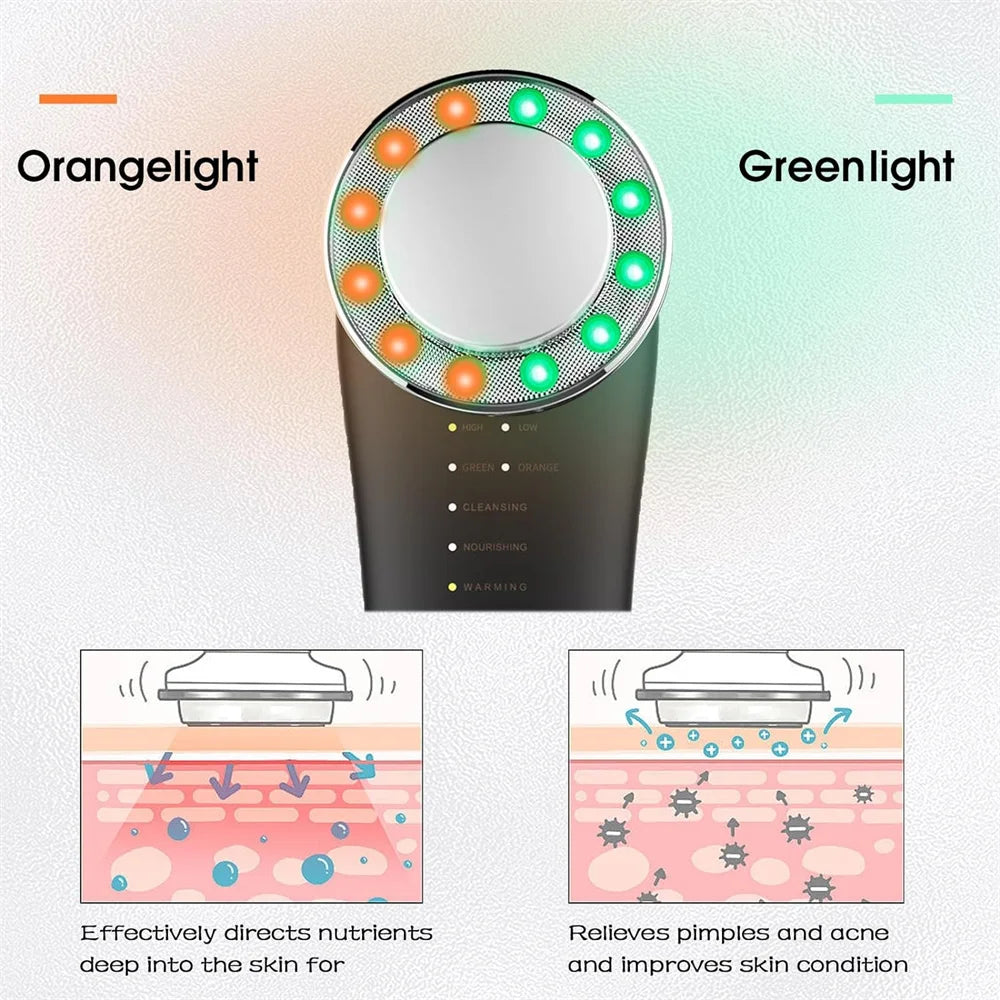
- KentDO™ Ionic Facial Cleanser – LED & EMS Skin Rejuvenator : An optional device that can complement manual massage by providing consistent stimulation during skincare routines.
No matter which tool you choose, avoid pressing aggressively or expecting immediate long-term lifting effects. Consistent technique, healthy skin habits, and realistic expectations contribute far more to results than any single massage tool.
Safety, Contraindications, and Best Practices
Facial massage is generally safe for healthy skin when performed with proper technique. Using excessive pressure or massaging irritated skin is more likely to cause discomfort than improve results, so consistency and gentle movements are more important than intensity.
Who Should Avoid Facial Massage?
- People with active acne cysts, open wounds, sunburn, or skin infections.
- Anyone experiencing severe rosacea flare-ups or significant skin inflammation.
- Individuals recovering from recent facial surgery, injectable treatments, or cosmetic procedures unless cleared by their healthcare provider.
- Anyone with unexplained facial swelling or pain should seek medical evaluation before beginning massage.
Pressure Guidelines
- Use feather-light pressure for lymphatic drainage.
- Apply moderate pressure for lifting massage without pulling or stretching the skin.
- Use controlled fingertip pressure for acupressure only until comfortable.
- Stop immediately if you experience persistent pain, bruising, or irritation.
Hygiene Best Practices
- Always wash your hands before touching your face.
- Clean facial massage tools after every use.
- Apply a facial oil or serum to reduce friction.
- Use non-comedogenic skincare products if you are prone to breakouts.
- Limit most massage sessions to 5–10 minutes.
When to Stop
Discontinue facial massage if your skin becomes increasingly red, irritated, painful, or swollen after treatment. If symptoms persist or you have an underlying skin condition, consult a dermatologist before continuing your routine.
Practice the 4 types of facial massage with gentle, consistent technique for healthier-looking skin.
Facial Massage FAQ
How often should I perform facial massage?
Most people benefit from facial massage 2–4 times per week. Gentle lymphatic drainage can be performed daily, while lifting massage is often best performed several times per week to avoid unnecessary irritation.
Can facial massage replace professional treatments?
No. Facial massage supports skin health and may help maintain results between professional treatments, but it cannot replace procedures such as laser resurfacing, injectable treatments, or surgery.
Which facial massage type is best for sagging skin?
Lifting (sculpting) massage is generally the most suitable technique for temporarily improving facial definition and reducing the appearance of mild sagging. Consistent skincare and sun protection remain essential for long-term skin health.
Which facial massage is best for puffiness?
Lymphatic drainage massage is the preferred technique for reducing temporary puffiness because it encourages excess fluid to move through the lymphatic system using light, directional strokes.
Which facial massage helps with wrinkles?
No massage can permanently remove wrinkles. However, lifting massage and circular massage may temporarily soften the appearance of expression lines by relaxing facial muscles, improving circulation, and supporting healthy skin function.
Are there any risks?
Risks are minimal when facial massage is performed correctly. Excessive pressure, poor hygiene, or massaging inflamed skin may lead to irritation, redness, or discomfort.
Can facial massage damage the skin?
Yes, if performed too aggressively. Pulling the skin, using excessive force, or massaging without adequate lubrication may contribute to irritation. Gentle technique is more effective than vigorous rubbing.
How long does it take to see results?
Reduced puffiness and a brighter complexion may be noticeable immediately after treatment. Improvements in muscle relaxation and facial definition generally require consistent practice over several weeks.
Can facial massage cause breakouts?
It can if performed with dirty hands, unclean tools, or pore-clogging skincare products. Always cleanse your skin beforehand and choose products appropriate for your skin type.
What massage method stimulates sebum production and activates circulation?
Traditional circular (kneading) massage is the technique most commonly associated with stimulating superficial circulation and encouraging natural sebum distribution across the skin. It should be performed gently, as excessive pressure offers no additional benefit and may irritate sensitive skin.
Related Articles:
- Improve Skin Elasticity Fast: Tools and Techniques That Work
- Dull Tired Skin Remedies That Actually Revitalize Your Face
- Benefits Facial Massage: Unlock Youthful Skin in Minutes Daily
- 5 Benefits of Facial Treatment You Can Experience at Home
Pillar Articles:













