

Does a deep pore cleansing routine really work?
A deep pore cleansing routine can effectively reduce the buildup of excess oil, dead skin cells, sunscreen, makeup residue, and other impurities that contribute to clogged pores. While pores cannot be permanently opened, closed, or shrunk, consistent deep pore care can make them appear less noticeable by minimizing congestion. Unlike your daily face wash, a deep pore cleansing routine is performed periodically to target stubborn buildup while protecting the skin barrier with gentle, well-balanced products.
Deep Pore Cleansing Routine: Step-by-Step Guide for Clear, Unclogged Skin
⏱ 7–9 min read
A well-designed deep pore cleansing routine helps remove accumulated oil, makeup, sunscreen, and dead skin before they develop into blackheads, whiteheads, or persistent congestion. The goal isn't to aggressively strip your skin—it's to support healthy skin renewal while maintaining a strong moisture barrier. In this guide, you'll learn practical, evidence-informed deep pore cleansing tips, discover how to deep clean pores at home safely, and understand which methods work best for different skin types.

Deep pore cleansing routine improves clarity and smoothness — See it in action
Why Deep Pore Cleansing Matters
Even if you cleanse your face every day, excess sebum, sunscreen, makeup, pollution, and dead skin cells can gradually accumulate inside pores. Over time, this buildup may leave skin looking dull, feeling rough, and becoming more prone to blackheads or occasional breakouts.
A proper deep pore cleansing routine goes beyond everyday washing by helping remove stubborn residue while respecting your skin's natural barrier. Rather than scrubbing aggressively, it combines gentle cleansing with strategic exfoliation and hydration to support smoother texture and better absorption of skincare products.
It's also important to distinguish deep cleansing from over-cleansing. Washing too often or using harsh products can strip away protective oils, leading to irritation and even increased oil production. Consistent, balanced pore care is far more effective than aggressive treatments performed too frequently.
What causes clogged pores (and how to fix them effectively)
Clogged pores develop when excess sebum mixes with dead skin cells, sunscreen, makeup residue, and everyday environmental particles inside the hair follicle. As this material accumulates, it forms comedones that may appear as blackheads or whiteheads and can contribute to acne in susceptible individuals.
The biology of pores: sebum, dead skin, and buildup
Sebum is naturally produced to lubricate and protect the skin. Normally, dead skin cells shed on their own, but when this process slows, they combine with oil and other residue to block the pore opening. If acne-related bacteria multiply within a clogged pore, inflammation may develop, although cleansing alone is not a cure for acne.
Why improper cleansing and over-exfoliation can worsen congestion
Using harsh scrubs, extracting blemishes aggressively, or layering multiple exfoliating products can damage the skin barrier and increase irritation. Likewise, skipping makeup or sunscreen removal allows additional residue to remain on the skin overnight. A balanced clogged pores treatment focuses on gentle cleansing, appropriate chemical exfoliation when needed, and consistent hydration instead of excessive scrubbing.
Signs Your Pores Are Clogged
Clogged pores don't always appear as obvious acne. In many cases, they develop gradually as oil, dead skin cells, and debris accumulate, affecting both skin texture and the way skincare products perform. Visible pores themselves are normal—the concern is persistent congestion rather than pore size alone.
- Blackheads or whiteheads that repeatedly return in the same areas
- Small flesh-colored bumps or rough, uneven texture
- Excess oil, particularly across the forehead, nose, and chin
- Makeup separating, pilling, or looking uneven throughout the day
- Serums and moisturizers seeming to absorb less effectively
- Dull-looking skin despite regular cleansing
It's also important to distinguish clogged pores from dry, flaky, or irritated skin. Tightness, peeling, and redness often indicate a compromised skin barrier rather than congestion, and these concerns benefit from gentler cleansing and improved hydration instead of more exfoliation.
If congestion is persistent, painful, or accompanied by widespread inflammatory acne despite a consistent skincare routine, a dermatologist can help determine whether prescription treatments or professional extraction are appropriate.
The best deep pore cleansing routine (step-by-step)
An effective deep pore cleansing routine combines daily cleansing with periodic treatments that remove buildup without disrupting the skin barrier. Most people only need a deeper routine once or twice per week, while gentle cleansing should remain part of both morning and evening skincare.
Step 1 – Remove makeup, sunscreen, and surface buildup
In the evening, thoroughly remove makeup, sunscreen, and excess oil before using your facial cleanser. Starting with clean skin allows the rest of your routine to work more effectively while reducing leftover residue that can contribute to clogged pores.
Step 2 – Cleanse gently with a skin-type-appropriate cleanser
Wash with a gentle cleanser formulated for your skin type to remove remaining impurities without stripping natural moisture. If using a warm compress, think of it as a way to soften surface debris and improve cleansing comfort—not as a method that literally opens pores.
Step 3 – Use a chemical exfoliant strategically
Apply a chemical exfoliant only as needed. Salicylic acid (BHA) penetrates oil-rich pores and is often preferred for congested or oily skin, while glycolic or lactic acid (AHA) primarily helps lift away surface dead skin cells. Avoid combining multiple strong exfoliants during the same session to reduce irritation.
Step 4 – Apply a clay or charcoal mask when appropriate
For oily or combination skin, a clay or charcoal mask can help absorb excess oil and reduce the appearance of congestion. Most people benefit from using this type of treatment once weekly rather than every day.
Step 5 – Hydrate and protect the skin barrier
Finish with a hydrating serum and moisturizer to replenish moisture and support the skin barrier. During your morning routine, complete your skincare with broad-spectrum sunscreen to help protect newly exfoliated skin from UV damage.

Best deep pore routine in action — See results visually
How to deep clean pores at home for your skin type
Oily and acne-prone skin
Choose a gentle foaming or gel cleanser and consider a salicylic acid exfoliant one to three times per week, depending on your skin's tolerance. Clay masks can help control excess oil, but avoid layering multiple exfoliating products during the same routine if irritation develops.
Dry and sensitive skin
Prioritize barrier support with a mild, fragrance-free cleanser and a nourishing moisturizer. Limit exfoliation to about once weekly or as tolerated, selecting gentle formulas that remove buildup without leaving skin tight, red, or flaky.
Combination skin
Customize your routine by treating oily areas such as the T-zone with targeted exfoliation or clay masks while using richer hydration on drier areas. This approach helps manage congestion without over-treating the entire face.
Best deep pore cleansing methods (manual vs devices)
A consistent skincare routine remains the foundation of effective pore care. Cleansing tools can complement that routine, but they work best alongside appropriate cleansers, exfoliants, and moisturizers rather than replacing them.
| Method | Best For | Key Considerations |
|---|---|---|
| Manual cleansing | Most skin types | Relies on proper cleanser choice, gentle technique, and routine consistency. |
| Silicone or sonic cleansing tools | Removing daily residue and supporting regular cleansing | Use light pressure, clean the device after every use, and avoid overuse on sensitive skin. |
| Professional extraction | Persistent blackheads or stubborn congestion | Should be performed by a qualified skincare professional when appropriate. |
Whichever approach you choose, avoid aggressive scrubbing or excessive pressure. Clean tools regularly, follow the manufacturer's instructions, and reduce frequency if your skin becomes irritated.
Why the KentDO™ Ionic Facial Cleanser can support a deep cleansing routine
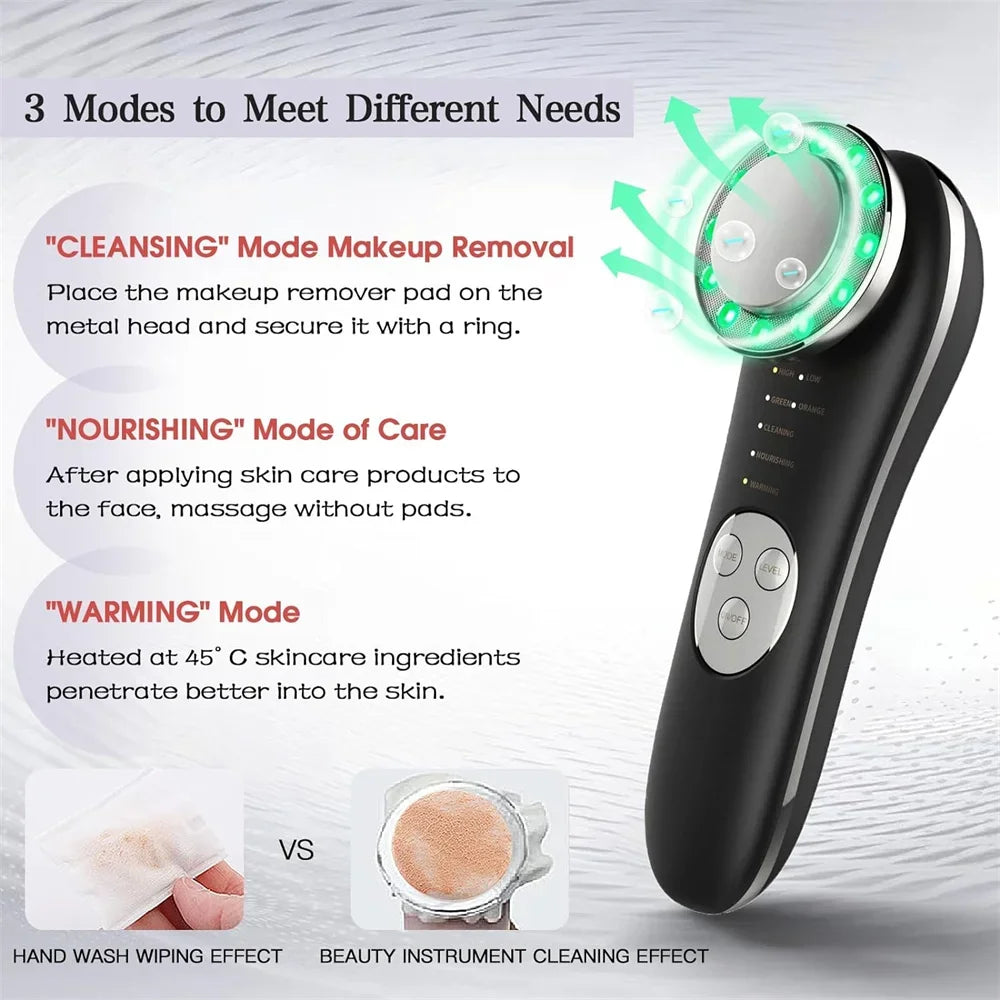
For people who wear sunscreen, makeup, or experience recurring congestion, a cleansing device may provide additional support as part of a balanced skincare routine. It should be viewed as an optional enhancement rather than a replacement for gentle cleansing and appropriate exfoliation.
What the device is designed to do
- Uses ionic technology to help lift surface oil, makeup residue, and everyday impurities.
- Supports more even application and absorption of compatible skincare products after cleansing.
- Provides gentle cleansing suitable for regular routine use when used according to instructions.
Who may benefit from adding a cleansing device
The KentDO™ Ionic Facial Cleanser may be a useful addition for people seeking extra assistance with removing daily buildup or maintaining a consistent deep pore cleansing routine. Those with very sensitive, irritated, or compromised skin should begin with lower frequency, avoid excessive pressure, and keep the device clean between uses to minimize irritation.
Common Mistakes That Make Clogged Pores Worse
Even a well-designed skincare routine can become less effective if common pore-cleansing mistakes lead to irritation or excess oil production. Protecting your skin barrier is just as important as removing buildup.
- Over-washing or using harsh cleansers: Cleansing more than twice daily or using products that strip natural oils can trigger dryness and rebound oil production.
- Aggressive scrubbing or frequent extraction: Rough scrubs, fingernail picking, and repeated squeezing can inflame the skin, increase the risk of scarring, and make congestion appear worse.
- Layering too many exfoliating products: Combining multiple acids, retinoids, or exfoliating scrubs in one routine may damage the skin barrier instead of improving clogged pores.
- Skipping moisturizer: Hydrated skin maintains a healthier barrier, helping reduce irritation and supporting balanced oil production.
- Leaving makeup or sunscreen on overnight: Thorough cleansing at the end of the day helps prevent residue from mixing with excess sebum and dead skin cells.
- Relying too heavily on pore strips or cleansing tools: Pore strips may temporarily remove surface debris but do not prevent future clogs. Cleansing devices should always be used according to the manufacturer's instructions and on clean, sanitized attachments.
- Using products that don't suit your skin type: Heavy or highly comedogenic products may contribute to congestion in some individuals.
A consistent, gentle skincare routine is generally more effective than aggressive treatments performed too frequently.
Pro Tips to Maintain Clear Pores Long-Term
Long-term improvement comes from consistency rather than intensive treatments. Small daily habits often have the greatest impact on maintaining clearer-looking skin.
- Cleanse your face morning and evening using a gentle cleanser appropriate for your skin type.
- Remove sunscreen and makeup thoroughly before bed to minimize residue buildup.
- Use chemical exfoliants at an appropriate frequency—typically 1–3 times weekly depending on your skin's tolerance.
- Choose non-comedogenic skincare and cosmetics when they work well for your skin.
- Adjust your routine if you notice persistent dryness, stinging, or increased sensitivity after introducing active ingredients.
- Wash makeup brushes, reusable cleansing accessories, and pillowcases regularly to reduce the transfer of oil and debris.
- Use the KentDO™ Ionic Facial Cleanser as part of a balanced skincare routine if you prefer a cleansing device for additional support.
Clear pores and smooth skin results — Visual transformation
FAQ: Deep Pore Cleansing Routine
How often should you deep cleanse pores?
For most people, deep pore cleansing 1–2 times per week is sufficient. Daily cleansing should remain gentle, while exfoliation and clay masks are typically used less frequently based on your skin type.
Can you shrink pores permanently?
No. Pore size is largely determined by genetics and skin structure. However, removing excess oil and buildup can make pores appear smaller and less noticeable.
Is it safe to remove blackheads at home?
Yes, provided you use gentle methods such as salicylic acid, clay masks, or appropriate skincare products. Avoid squeezing or digging into the skin, as this may cause irritation or scarring. Persistent or deeply embedded blackheads may be better treated by a qualified skincare professional.
Do pore strips actually help unclog pores?
Pore strips can remove some surface debris and oxidized material from blackheads, but the results are temporary. They do not address the underlying causes of clogged pores or prevent new congestion from forming.
What is the best clogged pores treatment?
A consistent routine that combines gentle cleansing, targeted exfoliation with salicylic acid when appropriate, moisturizing, and non-comedogenic skincare products is often the most effective long-term approach.
Can sensitive skin use cleansing tools?
Many people with sensitive skin can use cleansing devices if they are designed for gentle use and are not used too frequently. Start with the lowest recommended setting, monitor for irritation, and discontinue use if redness or discomfort persists.
Related Articles:
- Remove Makeup Residue Fully Without Irritating Sensitive Skin
- Reduce Facial Puffiness Instantly with These Proven Methods
Pillar Articles:













