

How to improve poor leg circulation quickly at home?
How to improve poor leg circulation starts with simple daily habits like movement, hydration, and targeted stimulation. Combining light exercise, elevation, and tools like TENS or EMS can boost blood flow, reduce swelling, and ease fatigue within minutes when used consistently and safely at home.
how to improve poor leg circulation: causes, symptoms & proven ways to fix it naturally
If your legs feel heavy, tired, or swollen after a long day, poor circulation may be the cause. The good news: most cases can be improved with simple daily habits and supportive tools. This guide explains the causes, symptoms, and proven ways to improve leg circulation quickly and naturally at home.
⏱ 8 min read
Ever wondered why your legs still feel fatigued even after resting? The answer might surprise you—keep reading to discover what most people overlook.
Discover the best options for your recovery routine
Explore Body Care and Health DevicesWhat is poor leg circulation and why does it happen?
Poor leg circulation occurs when blood flow to the lower limbs is reduced, limiting the delivery of oxygen and nutrients to muscles and tissues. This can lead to discomfort, fatigue, swelling, and long-term complications if not addressed.
How blood circulation in the legs works
Your circulatory system relies on the heart to pump oxygen-rich blood through arteries to your legs. Veins then return blood back to the heart, often working against gravity. Muscle contractions—especially in the calves—act as a “pump” to help push blood upward. When movement is limited or vessels are compromised, circulation slows down.
Common causes of poor circulation
- Sedentary lifestyle or prolonged sitting
- Obesity and lack of physical activity
- Smoking and poor cardiovascular health
- Diabetes and nerve damage
- Peripheral artery disease (PAD)
- Varicose veins or venous insufficiency
Poor leg circulation symptoms you should not ignore
Recognizing early symptoms of poor circulation can help you take action before the condition worsens.
Early warning signs
- Cold feet or lower legs
- Tingling or numbness
- Muscle cramps, especially at night
- Swelling in feet, ankles, or calves
- Fatigue or heaviness in the legs
When symptoms may indicate a serious condition
- Persistent pain when walking (claudication)
- Skin discoloration or slow-healing wounds
- Severe swelling or tightness
- Loss of hair on legs or shiny skin appearance
If you notice these symptoms frequently, it’s important to seek medical advice to rule out underlying vascular conditions.
Struggling with tired legs after work, parenting, or long hours sitting? You’re not alone—and relief doesn’t require complicated routines.
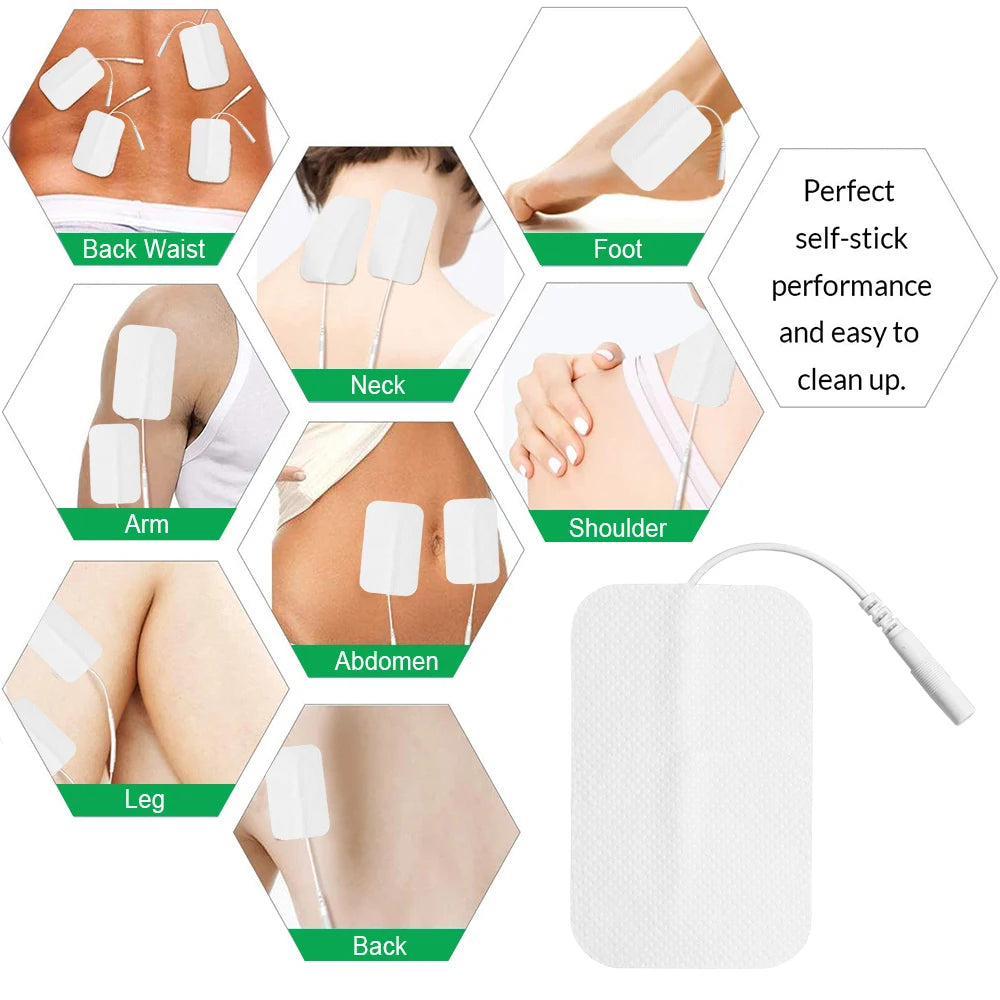
See it in action - how to improve poor leg circulation / ways to improve circulation for muscle recovery, tips for safe tens therapy at home, guide to using ems for recovery
How to improve poor leg circulation quickly at home
If you're experiencing discomfort, there are simple techniques you can use immediately to boost blood flow in your legs.
Quick relief methods you can do in minutes
- Elevate your legs: Raise your legs above heart level for 10–15 minutes
- Walk or stretch: Even short movement breaks activate circulation
- Massage your calves: Helps stimulate blood flow and reduce tightness
- Use warm compresses: Heat encourages blood vessel dilation
- Hydrate: Proper hydration improves blood flow
These methods provide fast relief and work best when combined with long-term habits.
Best ways to improve leg circulation naturally (long-term solutions)
Long-term improvements in circulation require consistent habits that support vascular health and muscle activity.
Daily movement habits that restore blood flow
- Take walking breaks every 30–60 minutes
- Avoid sitting or standing in one position too long
- Stretch your calves and hamstrings daily
Diet and hydration for better circulation
- Eat foods rich in omega-3 fatty acids
- Increase intake of fruits and vegetables
- Reduce salt to prevent fluid retention
- Drink enough water throughout the day
Lifestyle changes that prevent poor circulation
- Quit smoking
- Maintain a healthy weight
- Wear compression socks if needed
- Improve posture while sitting or standing
Exercises for better leg circulation (step-by-step guide)
Regular movement is one of the most effective ways to improve circulation in the legs.
Simple leg circulation exercises at home
- Ankle pumps: Flex and point your feet for 30–60 seconds
- Calf raises: Lift your heels slowly, then lower them
- Leg lifts: Raise one leg at a time while lying down
- Walking: Aim for at least 15–30 minutes daily
Low-impact routines for beginners and seniors
- Seated marches
- Gentle yoga or stretching
- Swimming or water aerobics
Consistency is key—daily movement helps maintain healthy blood flow over time.
Medical and advanced treatments for poor circulation in legs
While lifestyle changes help many people, some cases require medical intervention.
When to see a doctor
- Symptoms persist despite lifestyle changes
- Pain interferes with daily activities
- You have diabetes or cardiovascular conditions
Common medical treatments
- Medications to improve blood flow
- Compression therapy
- Physical therapy
- Surgical procedures in severe cases
Consulting a healthcare professional ensures proper diagnosis and treatment.
How TENS and EMS devices support leg circulation
Electrical stimulation devices such as TENS and EMS can complement traditional methods by activating muscles and improving localized blood flow.
How electrical stimulation improves blood flow
EMS devices trigger muscle contractions, mimicking natural movement. This helps push blood through veins, especially in individuals with limited mobility.
When to use TENS vs EMS
- TENS: Best for pain relief and nerve stimulation
- EMS: Ideal for muscle activation and circulation support
Learn step-by-step how to improve recovery at home
Try TENS electrode pads for targeted relief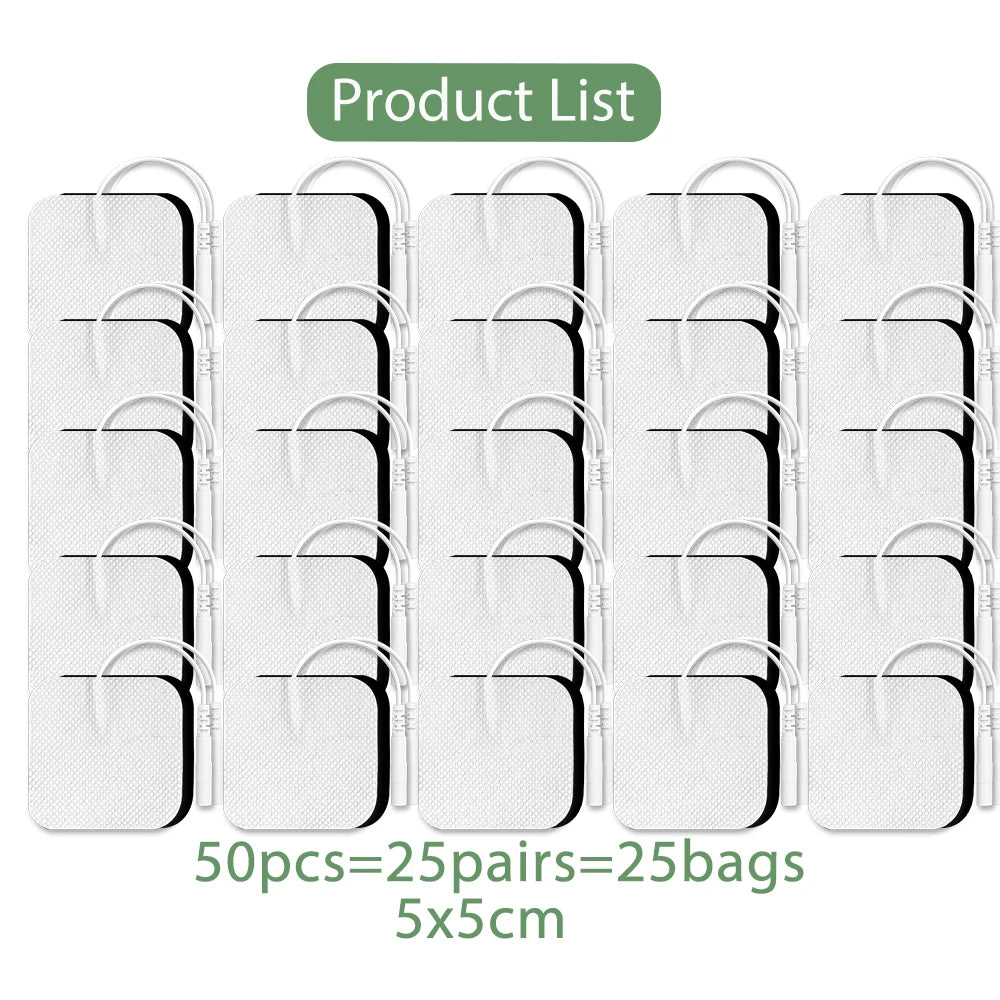
See it in action - how to improve poor leg circulation / ways to improve circulation for muscle recovery, tips for safe tens therapy at home
Tips for safe TENS therapy at home
- Start with low intensity and increase gradually
- Avoid placing electrodes on broken skin
- Follow recommended session times
- Stay hydrated to support circulation
When used correctly, TENS is a safe and effective way to support circulation and reduce muscle tension.
Real user results and experiences
- “My legs feel lighter after just one session.”
- “I finally found relief after long workdays.”
- “Perfect for winding down at night.”
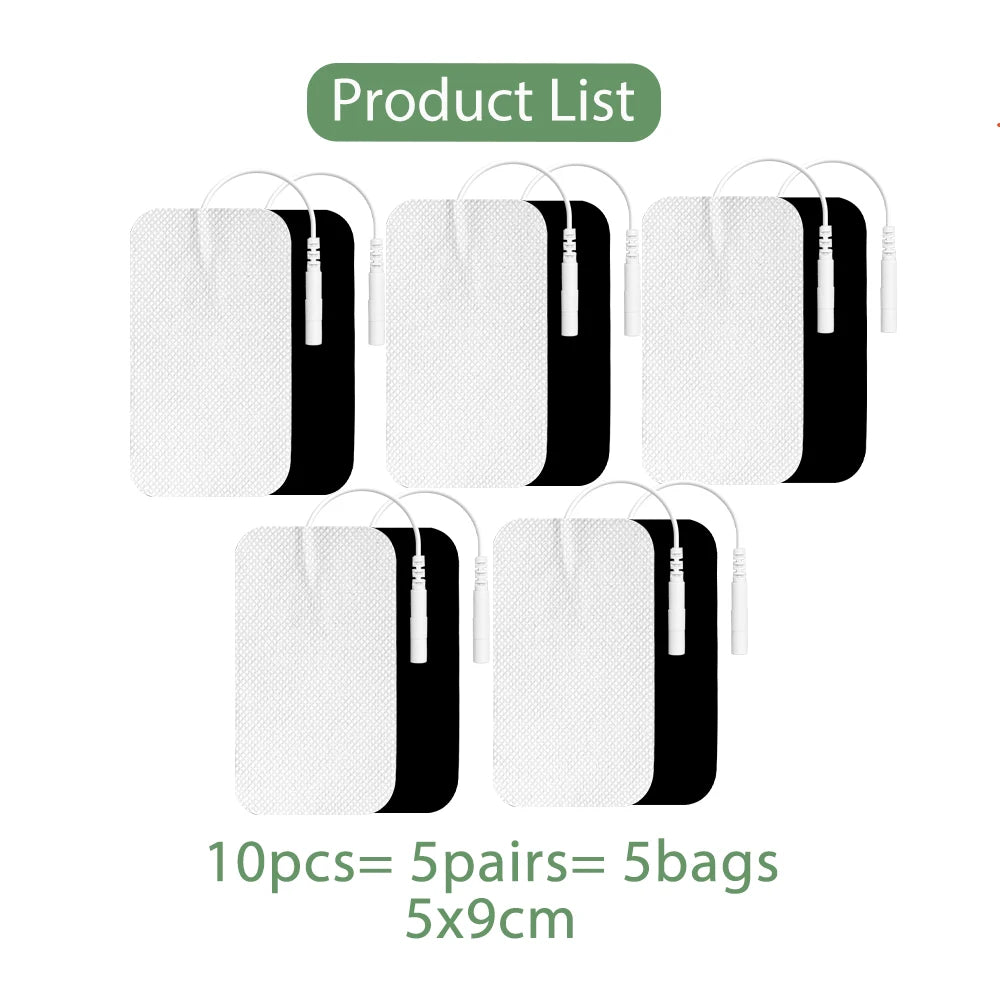
See it in action - how to improve poor leg circulation / muscle recovery and tension relief
Get yours now — limited stock!
Shop TENS electrode pads todayFrequently asked questions about improving leg circulation
How long does it take to improve leg circulation?
Some people notice improvements within days of increasing activity, but lasting results typically take several weeks of consistent habits.
What is the fastest way to increase blood circulation in legs?
Walking, leg elevation, and calf exercises are among the quickest ways to boost circulation.
Can poor circulation be reversed naturally?
In many cases, lifestyle changes such as exercise, diet, and hydration can significantly improve circulation.
Are compression socks effective?
Yes, they help promote blood flow and reduce swelling, especially for people who sit or stand for long periods.
When should I worry about poor circulation?
If symptoms are persistent, painful, or worsening, consult a medical professional for evaluation.
Related Articles:
- muscle fatigue relief: when your legs feel heavy & sore after work
- sore muscles days after exercise: how to reduce stiffness fast with TENS
Pillar Articles:













