

Does muscle fatigue relief really help when your legs feel heavy after work?
Muscle fatigue relief works by improving circulation, reducing tension, and helping muscles recover faster. Simple habits like movement, hydration, and targeted tools such as EMS devices can ease soreness, reduce heaviness, and restore energy—often within minutes when used consistently.
Muscle Fatigue Relief: Why Your Legs Feel Heavy & Sore After Work and How to Recover Faster
What Is Muscle Fatigue?
Muscle fatigue is a temporary reduction in your muscles' ability to produce force after prolonged activity. It commonly develops after exercise, standing for long periods, repetitive work, or physical labor. Unlike an injury, muscle fatigue usually improves with rest and recovery.
How muscle fatigue develops
Fatigue occurs when muscles gradually use their available energy while metabolic byproducts accumulate. At the same time, microscopic muscle damage, inflammation, nervous system fatigue, and reduced blood flow can temporarily decrease muscle performance. This explains why your legs may feel weak, heavy, or sore after a demanding day.
Muscle fatigue vs normal soreness (DOMS)
- Muscle fatigue: develops during or immediately after activity and causes weakness, heaviness, and reduced endurance.
- Delayed-onset muscle soreness (DOMS): usually begins 12–24 hours later and peaks within 24–72 hours.
- Many people experience both simultaneously after strenuous activity.
After a long day on your feet—or hours sitting at a desk—do your legs feel heavy, tight, and uncomfortably sore? You’re not alone. Muscle fatigue can quietly drain your energy, affect your posture, and make even simple evening routines feel exhausting. The good news? Relief doesn’t require expensive treatments or downtime—just the right habits and smarter recovery tools.
⏱ 5 min read
Feeling drained after work? Discover gentle recovery tools inside the Body Care and Health Devices collection designed to ease soreness and restore energy.
See it in action - muscle fatigue relief / ways to improve circulation for muscle recovery, guide to using ems for recovery
Why Your Legs Feel Heavy & Sore After Work
Heavy, tired legs are often caused by a combination of muscle overuse, reduced circulation, prolonged standing, and normal energy depletion. Recovery depends on addressing the underlying cause rather than treating every case the same way.
Standing for long hours
Remaining on your feet for extended periods reduces the efficiency of the calf muscle pump, allowing blood and fluid to pool in the lower legs. This contributes to aching, stiffness, and fatigue.
Poor circulation and muscle overuse
Repetitive movements and limited movement breaks reduce oxygen delivery while increasing metabolic waste buildup, making muscles feel heavy and slow to recover.
Dehydration and electrolyte imbalance
Even mild dehydration can reduce muscular performance and increase fatigue. Replacing fluids along with sodium and potassium after heavy sweating supports recovery.
When heavy legs may signal a medical condition
Persistent swelling, severe pain, numbness, skin discoloration, or symptoms affecting only one leg should be evaluated by a healthcare professional to rule out circulatory or neurological conditions.
Common Causes of Muscle Fatigue
Muscle fatigue can result from everyday activities, athletic training, occupational demands, or underlying health conditions.
Exercise-related fatigue
High-intensity workouts temporarily reduce muscle energy stores and create microscopic muscle damage that requires recovery.
Occupational fatigue
Healthcare workers, retail employees, warehouse staff, teachers, and parents often experience repetitive muscle loading throughout the day.
Aging and reduced recovery
As recovery capacity naturally slows with age, muscles may require more time, better sleep, and adequate protein intake to regain strength.
Medical conditions that contribute
Anemia, thyroid disorders, diabetes, peripheral artery disease, and chronic venous insufficiency may contribute to ongoing muscle fatigue.
How to Relieve Muscle Fatigue Quickly
The most effective recovery combines several evidence-based strategies instead of relying on one method alone.
Immediate recovery strategies
- Rest the affected muscles.
- Drink water and replace electrolytes if needed.
- Walk gently to encourage circulation.
- Stretch lightly without forcing painful muscles.
- Elevate tired legs after prolonged standing.
- Use massage or foam rolling if comfortable.
Best methods during the first 24 hours
- Balanced meals containing protein and carbohydrates
- 7–9 hours of quality sleep
- Light recovery movement
- Compression garments when appropriate
What to avoid
- Returning to intense exercise before recovery
- Ignoring persistent pain
- Skipping hydration after heavy sweating
Ready to feel relief tonight? Learn step-by-step how to improve recovery using tools from Body Care and Health Devices
How Improving Circulation Supports Muscle Recovery
Healthy circulation delivers oxygen and nutrients needed for muscle repair while helping remove metabolic waste products generated during physical activity.
Why circulation matters
Better blood flow supports tissue repair, reduces stiffness, and may decrease the sensation of heavy legs following prolonged standing or exercise.
Simple ways to improve circulation for muscle recovery
- Take short walking breaks every hour.
- Perform ankle pumps and calf raises.
- Stretch major leg muscles.
- Stay hydrated.
- Wear compression socks if recommended.
- Use massage techniques to encourage relaxation.
See it in action - circulation and recovery techniques
Can EMS Help Muscle Recovery?
Electrical muscle stimulation (EMS) uses low-level electrical impulses to create muscle contractions. Some evidence suggests EMS may help improve circulation and reduce muscle stiffness when combined with active recovery habits.
How EMS works
Electrical impulses stimulate muscle contractions that may encourage localized blood flow and temporarily reduce the sensation of fatigue.
Guide to using EMS safely
- Follow manufacturer instructions.
- Use moderate intensity.
- Avoid broken skin.
- Stop if pain develops.
Benefits and limitations
- May reduce muscle tightness.
- May improve comfort after prolonged standing.
- Does not replace exercise, nutrition, or sleep.
Who should avoid EMS
People with implanted electronic medical devices, certain heart conditions, pregnancy, or epilepsy should consult a healthcare provider before using EMS.
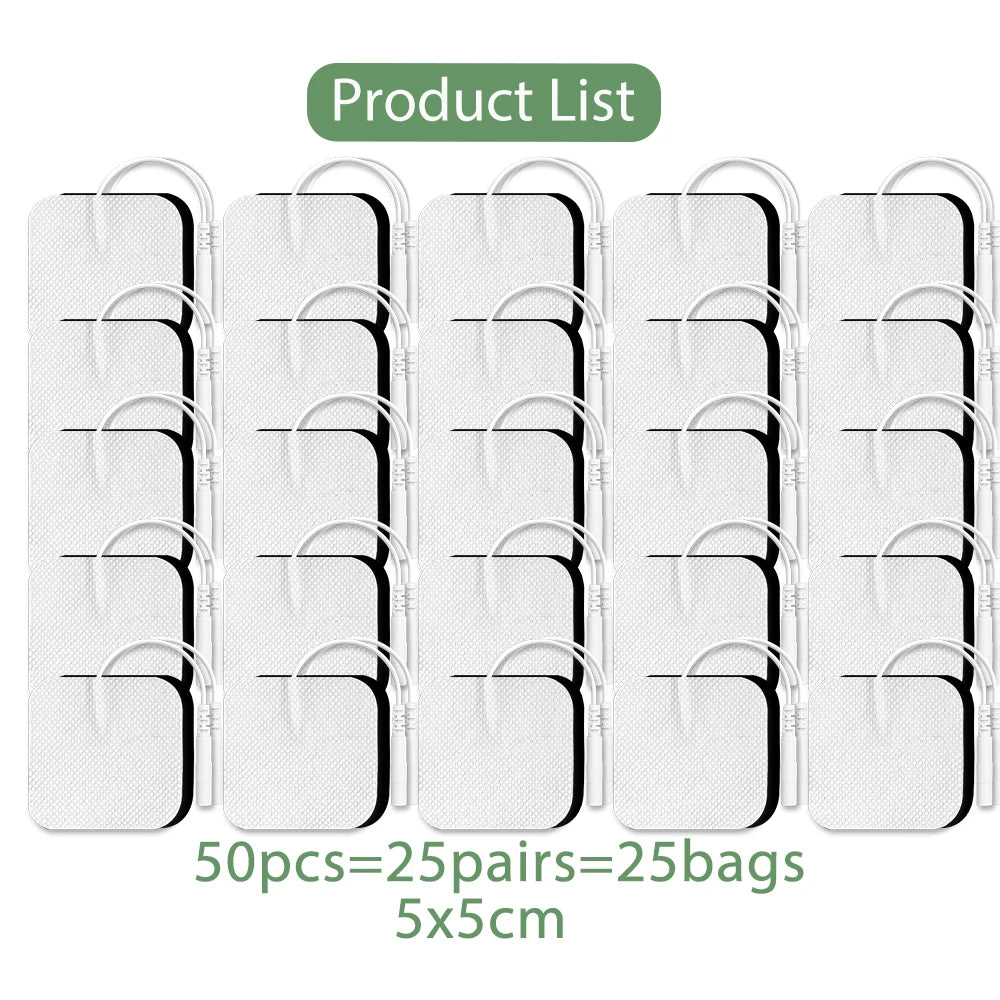
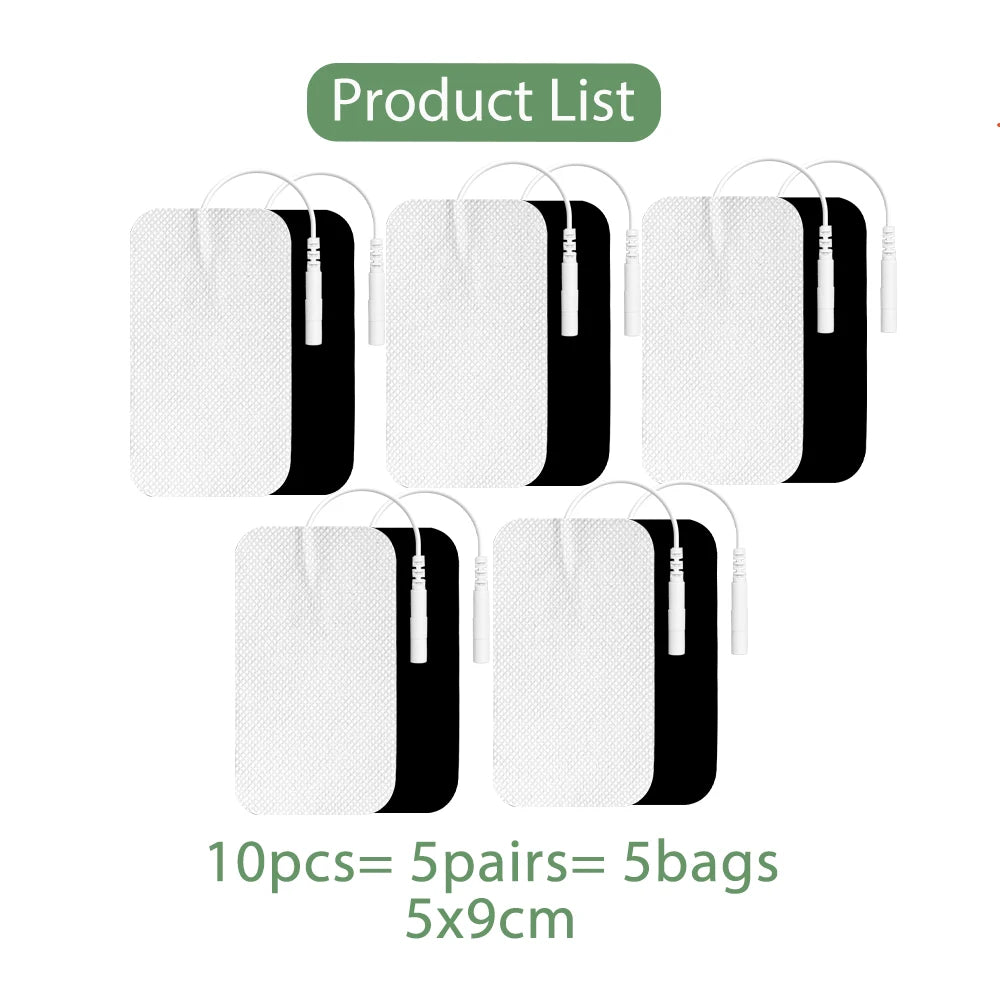
Explore recovery support with TENS electrode pads reusable pain relief —a practical addition to your routine.
Nutrition, Hydration, and Sleep for Faster Muscle Recovery
Hydration and electrolytes
Replace fluids lost through sweat and consume electrolytes when activity is prolonged or performed in hot conditions.
Protein and recovery nutrition
Protein provides amino acids required for muscle repair, while carbohydrates help restore energy stores used during activity.
Sleep and nervous system recovery
Deep sleep supports hormone regulation, tissue repair, and nervous system recovery—making it one of the most effective tools for reducing fatigue.
Daily Recovery Routine for Heavy, Tired Legs
Evening recovery routine
- Walk for 5–10 minutes.
- Stretch calves, hamstrings, and quadriceps.
- Elevate legs for 15–20 minutes.
- Hydrate and eat a balanced dinner.
- Prioritize consistent sleep.
Weekly recovery habits
- Strength training
- Mobility exercises
- Regular walking
- Scheduled recovery days
Long-term prevention
Consistent movement, supportive footwear, hydration, balanced nutrition, and gradual increases in physical activity help reduce recurring muscle fatigue.

Daily habits that support muscle recovery
Don’t wait for soreness to build up. Get yours now — limited stock! Try TENS electrode pads reusable pain relief and feel the difference tonight.
When Muscle Fatigue Requires Medical Attention
Most muscle fatigue improves within several hours to a few days. Persistent or severe symptoms deserve medical evaluation.
Warning signs
- Fatigue lasting more than one week.
- Severe swelling.
- Progressive weakness.
- Difficulty walking.
- Repeated unexplained episodes.
Symptoms that need urgent evaluation
- Sudden swelling in one leg.
- Chest pain or shortness of breath.
- Loss of sensation.
- Blue or pale skin.
- Severe injury-related pain.
Frequently Asked Questions
What is the fastest way to relieve muscle fatigue?
Rest, hydration, gentle movement, stretching, adequate nutrition, and quality sleep provide the quickest evidence-based recovery.
Why do my legs feel heavy and sore after work?
Long periods of standing, muscle overuse, reduced circulation, dehydration, and insufficient recovery are common causes.
How long does muscle fatigue last?
Mild fatigue often improves within several hours, while strenuous activity may require one to three days for full recovery.
Does improving circulation speed muscle recovery?
Healthy circulation supports oxygen delivery and waste removal, helping muscles recover more efficiently.
Can EMS be used every day?
Healthy individuals may use EMS according to manufacturer guidance, but recovery should also include exercise, hydration, nutrition, and sleep.
When should I see a doctor?
Seek medical advice if fatigue persists, worsens, or occurs with swelling, numbness, severe pain, or other concerning symptoms.
Pillar Article: how to improve poor leg circulation: simple daily relief guide with TENS support
Other Related Articles:
Explore More:













