

Is TENS Good After a Workout? How TENS Helps Relieve Post-Workout Soreness and DOMS
Sore muscles days after exercise can make normal movement feel difficult and slow down your routine. TENS therapy is a popular recovery tool that may help reduce post-workout discomfort by changing how your body processes pain signals. While it does not rebuild muscle tissue faster, it can support a more comfortable recovery experience when combined with proper rest, nutrition, hydration, and movement.
⏱ 5 min read
Discover tools designed to support your recovery routine

See it in action - sore muscles days after exercise / TENS recovery support
Is TENS good after a workout?
Yes—TENS can be good after a workout if your goal is reducing pain and muscle soreness rather than speeding tissue repair. TENS (Transcutaneous Electrical Nerve Stimulation) works by stimulating sensory nerves that help block pain signals and encourage the release of natural pain-relieving chemicals called endorphins.
If you're experiencing sore muscles days after exercise or delayed onset muscle soreness (DOMS), TENS after a workout may temporarily reduce discomfort, making it easier to walk, stretch, or return to normal daily activities. However, current research suggests that while TENS can improve comfort, it does not directly repair damaged muscle fibers or accelerate muscle healing.
For the best recovery, use TENS alongside proven strategies such as adequate protein intake, hydration, sleep, light movement, and gradual exercise progression. Learn more about what a TENS unit is and how it works .
What the research says about TENS after exercise
Evidence for delayed onset muscle soreness (DOMS)
Delayed onset muscle soreness (DOMS) usually appears 12 to 48 hours after unfamiliar or intense exercise. Research exploring TENS for DOMS shows that electrical stimulation may help reduce pain perception, although results vary depending on the workout type, treatment settings, and individual response.
Learn more about delayed onset muscle soreness (DOMS) and why it happens.
What studies have found
- Reduced pain during movement.
- Improved short-term comfort.
- Better tolerance for light activity.
- Limited improvement in muscle strength recovery.
- Little evidence that muscle repair occurs faster.
Current limitations of the evidence
Researchers note that TENS studies vary significantly in electrode placement, stimulation frequency, session length, and exercise intensity. Because of these differences, there is no single recovery protocol that works for everyone. Current evidence supports TENS mainly as a pain-management tool rather than a treatment that speeds muscle healing.
How TENS works after a workout
How it blocks pain signals
TENS delivers low-voltage electrical impulses through adhesive electrodes placed on the skin. These impulses stimulate sensory nerves, reducing the transmission of pain signals to the brain. Many users also experience increased endorphin activity, which may contribute to temporary pain relief.
For a deeper explanation, read how TENS therapy works .
Why it does not repair muscle tissue
Although TENS may make muscles feel better, it does not rebuild damaged muscle fibers, eliminate microscopic muscle stress, or replace natural recovery processes. Muscle repair still depends on sleep, nutrition, hydration, and allowing enough time between intense workouts.
TENS for muscle recovery: what it helps—and what it doesn't
When TENS helps
- Reducing post-workout soreness.
- Making stretching more comfortable.
- Improving mobility after strenuous exercise.
- Helping manage DOMS symptoms.
- Supporting recovery comfort between training sessions.
When other recovery methods are more important
- Building muscle strength and size.
- Repairing damaged muscle tissue.
- Replacing proper nutrition.
- Preventing overtraining.
- Treating serious injuries.
For broader recovery strategies, explore best recovery methods after exercise .
Why sore muscles days after exercise happen
Muscle stiffness after a workout is usually caused by delayed onset muscle soreness (DOMS), a normal response to unfamiliar or high-intensity exercise. Small amounts of muscle stress trigger inflammation and adaptation, helping muscles become stronger over time.
Symptoms often peak between 24 and 72 hours after exercise and may include stiffness, tenderness, reduced range of motion, and discomfort during movement. Although uncomfortable, DOMS is generally temporary and different from an acute injury.
How to use a TENS unit after exercise safely
Best timing after workouts
Many people use TENS immediately after exercise or later the same day when soreness begins. Others wait until DOMS develops 12–24 hours later.
Session length
A typical session lasts between 20 and 30 minutes. Follow your device manufacturer's instructions and avoid excessive stimulation on the same area.
Electrode placement
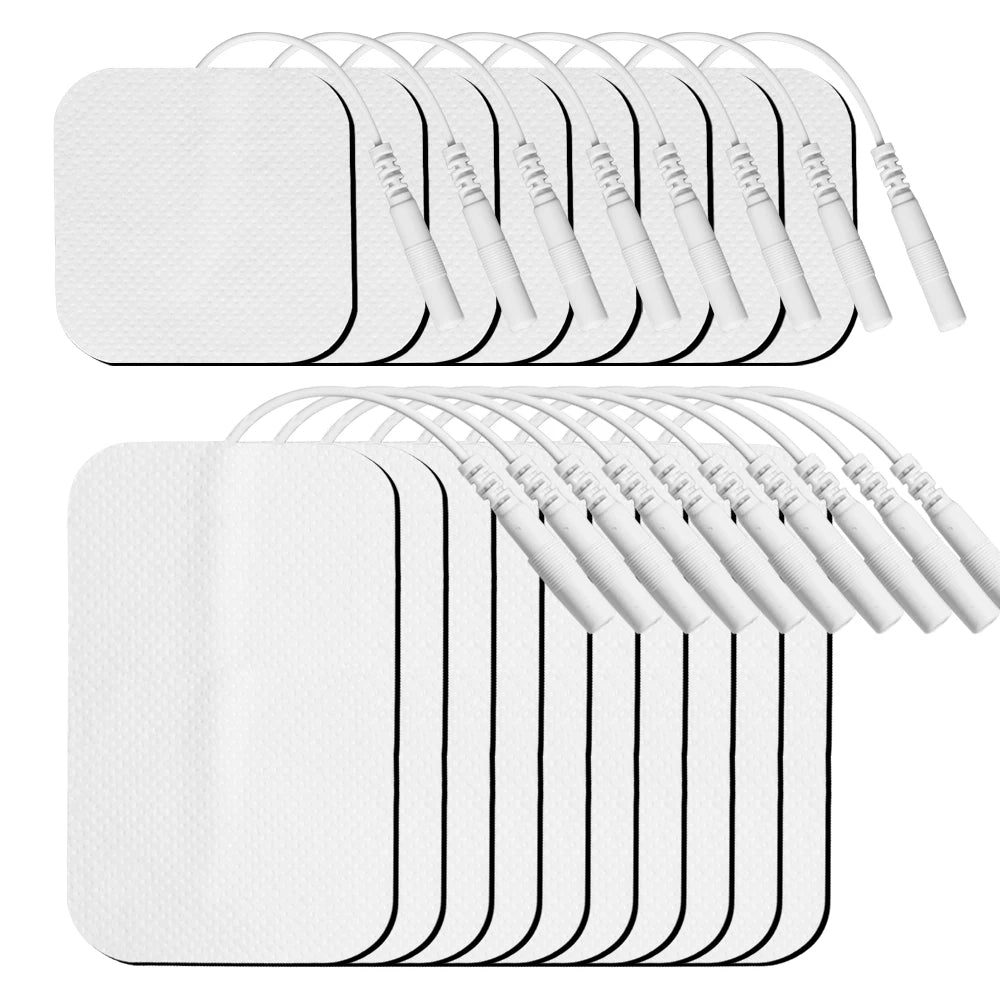
Place the pads around the sore muscle rather than directly over joints or bony areas. Proper placement can improve comfort and stimulation quality. Read more about proper TENS pad placement .
Intensity settings
Use a strong but comfortable tingling sensation. Increasing intensity beyond your comfort level does not improve recovery and may cause skin irritation.
Learn more about reusable TENS electrode pads for home recovery
See it in action - sore muscles days after exercise / TENS recovery support
Can you use a TENS unit after every workout?
For most healthy adults, occasional TENS use after workouts is considered safe when used as directed. Daily use may be appropriate for ongoing soreness, but it should not replace rest, sleep, hydration, or proper training progression.
If soreness becomes severe, lasts longer than several days, or is accompanied by swelling or sharp pain, stop using TENS and seek medical advice.
TENS vs EMS after exercise
Although TENS and EMS devices look similar, they serve different purposes.
- TENS: Primarily reduces pain by stimulating sensory nerves.
- EMS: Creates muscle contractions designed for muscle activation or rehabilitation.
If your goal is relieving post-workout soreness, TENS is generally the better choice. EMS may be more suitable for muscle activation or rehabilitation purposes under professional guidance. Learn more with EMS vs TENS: what's the difference?
TENS vs traditional recovery methods
TENS works best as one part of a complete recovery strategy rather than a standalone solution.
- Sleep supports muscle repair and recovery processes.
- Protein provides amino acids needed for rebuilding muscle.
- Hydration supports normal circulation.
- Light movement helps maintain mobility.
- Stretching may improve flexibility when done comfortably.
- TENS mainly reduces pain, making movement easier during recovery.
Who should avoid TENS therapy after exercise
TENS is not appropriate for everyone. Avoid using a TENS device unless approved by a healthcare professional if you:
- Have a pacemaker or implanted electrical device.
- Are pregnant unless specifically advised by a clinician.
- Have epilepsy.
- Have reduced skin sensation.
- Have open wounds or infected skin where electrodes would be placed.
- Have unexplained swelling, severe pain, or suspected muscle tears.
Always follow the manufacturer's instructions and review TENS contraindications and safety guidelines before use.

See it in action - sore muscles days after exercise / TENS recovery support
Support your recovery routine at home
Frequently Asked Questions
Does TENS help sore muscles after exercise?
Yes. TENS can temporarily reduce pain and improve comfort after exercise, although it does not directly repair muscle tissue or replace normal recovery processes.
Can you use a TENS unit after exercise every day?
Many healthy adults can use TENS regularly according to manufacturer guidelines. It should complement proper recovery habits rather than replace sleep, nutrition, hydration, and rest.
Is TENS better before or after a workout?
For post-workout soreness, TENS is generally more useful after exercise when discomfort develops. Some people may also use it later when DOMS symptoms appear.
Does TENS speed muscle recovery?
Current evidence suggests TENS mainly reduces pain signals and improves comfort. It does not appear to significantly speed the biological process of muscle repair.
Can TENS reduce DOMS?
Yes. TENS may reduce discomfort associated with delayed onset muscle soreness, helping improve movement and daily comfort during recovery.
Where should TENS pads be placed after exercise?
Place electrodes around the sore muscle area rather than directly over joints, bones, damaged skin, or areas with reduced sensation.
Can athletes use TENS after intense training?
Many athletes use TENS to manage post-exercise discomfort. It should support, not replace, recovery practices such as rest, nutrition, and appropriate training plans.
When should you avoid using TENS?
Avoid TENS if you have contraindications such as implanted electrical devices, certain neurological conditions, or damaged skin unless cleared by a healthcare professional.
Pillar Article: how to improve poor leg circulation: simple daily relief guide with TENS support
Other Related Articles:
Explore More:













