

Does Heat Therapy Increase Blood Flow?
Yes, heat therapy increases blood flow temporarily in the warmed area by encouraging blood vessels to widen, a process called vasodilation. This local circulation response can support comfort, muscle relaxation, and short-term tissue warming, but it does not permanently correct an underlying circulation disorder.
How heat triggers vasodilation
When tissue temperature rises, the small blood vessels near the skin and surrounding tissues can relax and widen. This reduces vascular resistance and allows more blood to move through the heated area. The response is local and depends on factors such as temperature, exposure time, the depth of the tissue being warmed, and the individual's health.
Does heat help with circulation temporarily or permanently?
Heat therapy for circulation generally produces a temporary increase in local blood flow. Once the tissue cools, the blood-vessel response gradually returns toward its normal state. Regular heat may help manage stiffness and support comfort, but heat therapy should not be viewed as a permanent treatment for poor circulation or a substitute for exercise, medical treatment, or evaluation of an underlying condition.
Common misconceptions about heat and circulation
- More heat is not always better: Excessive temperatures increase the risk of skin irritation or burns without guaranteeing better circulation.
- Heat does not fix every circulation problem: Persistent coldness, numbness, color changes, swelling, or unexplained pain may require medical evaluation.
- Increased surface blood flow is not the same as curing vascular disease: A temporary warming response should not be confused with long-term correction of an underlying condition.
Improve Circulation Heat Therapy: How Targeted Warmth Increases Blood Flow
⏱ 8 min read
Daily stiffness, tight shoulders, or a lingering ache in your neck can quietly drain your energy and focus. You stretch, you rest, yet relief feels temporary.
Improve circulation heat therapy
focuses comfort exactly where your body needs it most, using controlled warmth to support a temporary local blood-flow response, relax tense muscles, and make movement feel easier.
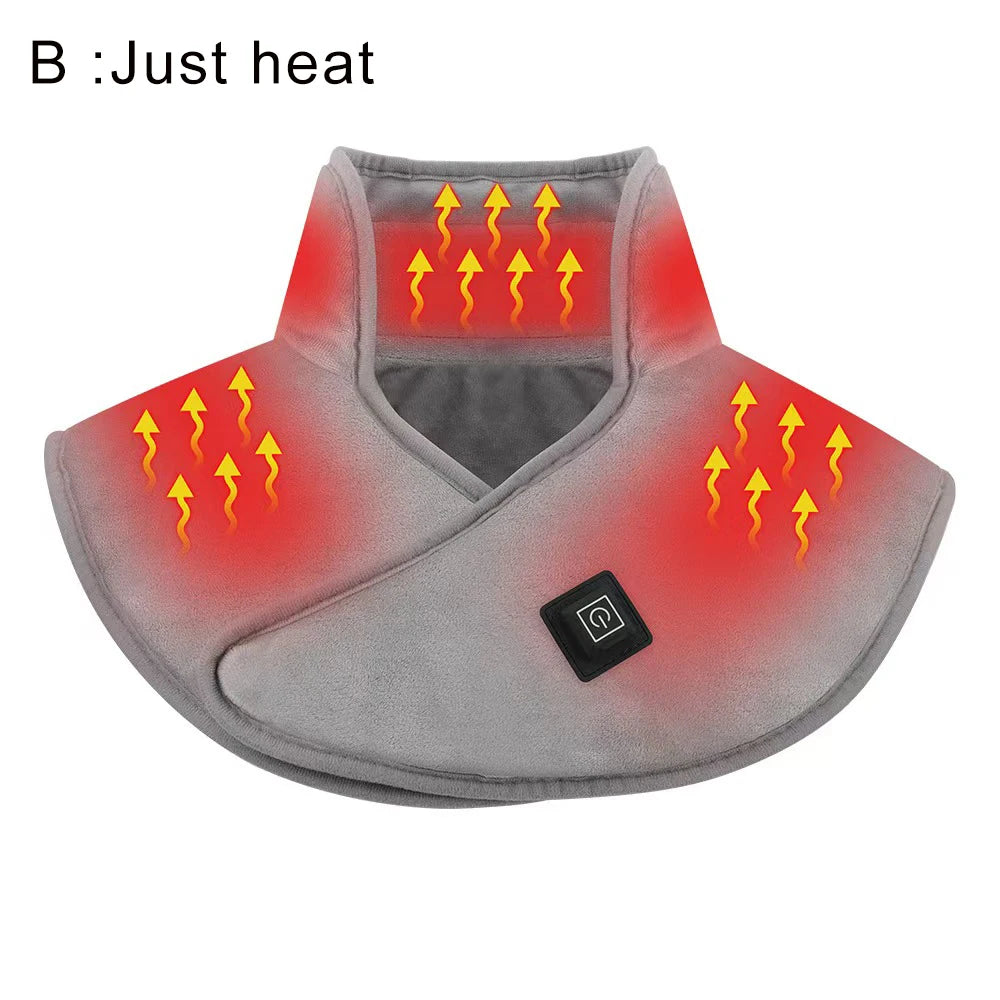
Targeted warmth in action — improve circulation heat therapy for daily comfort See it in action
The Science Behind Heat Therapy and Circulation
Vasodilation and how it works
Vasodilation is the main reason heat therapy increases blood flow in the warmed area. As tissue temperature rises, nearby blood vessels can relax and widen. This may increase local circulation and bring more warm blood toward the skin and superficial tissues.
Oxygen and nutrient delivery explained
When local blood flow increases, more oxygen and nutrients can be delivered to the tissues being supplied by those vessels. This may support normal tissue function and recovery, although the effect is temporary and should not be interpreted as a cure for an underlying circulation disorder.
Effects on muscle relaxation and tissue elasticity
Warm tissue generally becomes more flexible and may feel less stiff. Heat can also reduce the sensation of muscle tension and make movement more comfortable. This is one reason warmth is often used before gentle stretching, mobility work, or massage.
What current research shows
Research and clinical practice support the use of therapeutic heat for short-term relief of certain types of muscle stiffness and pain. The most consistent physiological response is increased local skin and superficial tissue blood flow during warming. However, the strength of evidence varies by condition, heat method, temperature, and treatment duration. Heat should therefore be viewed as a supportive comfort and recovery tool rather than a universal treatment for circulation problems.
How Targeted Heat Improves Circulation
Local vs full-body heat effects
Localized heat focuses the warming effect on a specific area, such as the neck, shoulders, lower back, or another region affected by muscle tension. This can be practical when the goal is targeted comfort without substantially raising the temperature of the entire body.
Full-body warming from a bath or shower affects a larger area and may be more relaxing overall. Targeted devices, however, are often easier to use while resting, reading, or working at home.
Do heating pads increase blood flow effectively?
Do heating pads increase blood flow? Yes, a heating pad can increase local blood flow while the area is being warmed. A consistent, comfortable temperature may produce a more predictable warming response than a brief application of heat. The result depends on the device, temperature, duration, placement, and individual response.
- Encourages a temporary local circulation response
- Helps warm tense muscles before gentle movement
- May reduce the sensation of stiffness
- Provides a convenient, non-drug comfort option
Superficial vs deep heat therapy
Most home heating pads and warm compresses primarily warm the skin and superficial tissues. Some specialized therapeutic devices are designed to deliver energy differently, but the depth and effectiveness of any device depend on its technology and design. A warm surface does not necessarily mean that heat has reached deep muscles or joints.
Many people pair heat routines with tools found in the Body Care and Health Devices collection to maintain consistent comfort at home.
Types of Heat Therapy for Improving Circulation
Heating pads
Heating pads provide controlled, localized warmth and are useful for areas such as the neck, shoulders, back, or legs. They are convenient for repeat use, but users should follow the device instructions, avoid excessive heat, and never sleep with an active heating pad unless the product is specifically designed and approved for that use.
Warm compresses
A warm compress can provide soothing localized heat without requiring an electrical device. The temperature gradually decreases, so it may need to be reheated or replaced. A warm compress increases circulation temporarily by warming the area and encouraging local vasodilation, but the effect is not permanent.
Warm baths and showers
Warm baths and showers expose a larger area of the body to heat and may help with general relaxation and stiffness. They can be a good choice when several muscle groups feel tense, although they may be less targeted than a heating pad or cervical wrap.
Infrared and therapeutic wraps
Infrared devices and specialized therapeutic wraps use different heating technologies and may be marketed for deeper or more targeted warming. Their benefits depend on the specific device and evidence supporting its design. Compare temperature control, safety features, coverage, and intended use rather than assuming that a more advanced label automatically means better circulation support.
Heat vs Cold Therapy: When to Use Each
| Situation | Often more suitable | Why |
|---|---|---|
| Muscle stiffness or chronic tension | Heat | May relax tissues and support temporary local blood flow |
| Before gentle stretching or mobility | Heat | Can make stiff muscles feel more flexible |
| Recent injury with swelling | Cold may be considered | Cooling can reduce local blood flow and may help limit swelling |
| Persistent unexplained swelling or circulation symptoms | Medical advice | The underlying cause should be assessed rather than self-treating with heat or cold |
When heat therapy is beneficial
Heat therapy is commonly used for muscle tightness, stiffness, and some recurring aches where warmth feels soothing. It may also be useful before gentle movement when muscles feel tight or restricted. The goal is usually short-term comfort, relaxation, and improved ease of movement.
When cold therapy is better
Cold is often considered for a recent injury accompanied by swelling or acute inflammation. Because cold can constrict blood vessels, it works differently from heat. The best approach depends on the type and timing of the problem.
Common mistakes to avoid
- Using heat on a fresh injury with significant swelling without appropriate guidance
- Assuming heat can treat every type of poor circulation
- Applying excessive heat because a higher temperature feels more effective
- Leaving an active heating device on for too long
- Using heat to delay evaluation of persistent pain, numbness, swelling, or color changes
Does Warmth Relax Muscles?
Muscle elasticity and nerve response
Warmth can make muscles and surrounding soft tissues feel less stiff and more flexible. Heat may also reduce the perception of discomfort, which can make it easier to move without excessive muscle guarding.
Why reduced stiffness supports movement
When a tense muscle feels more relaxed, normal movement may become easier. This can be helpful for gentle stretching, mobility exercises, or everyday activities. Heat does not replace strengthening or rehabilitation when those treatments are needed, but it can be a useful preparation or comfort strategy.
Heat Therapy for Neck and Shoulders Circulation
Why this area responds well to heat
The neck and shoulders commonly become tense after prolonged sitting, repetitive work, stress, or sustained screen use. Because many of the muscles in this region are relatively close to the surface, localized warmth can feel soothing and may support a temporary increase in local blood flow.
Posture-related circulation issues
Poor posture can contribute to sustained muscle tension and discomfort. Heat may help relax those tense tissues, but it should not be described as correcting a structural posture problem or permanently restoring circulation. Combining warmth with regular movement, ergonomic adjustments, and gentle mobility may provide a more complete approach to desk-related stiffness.
Safe application tips
- Position the heat source comfortably rather than pressing it tightly against the neck.
- Use a comfortable temperature that feels warm, not painfully hot.
- Keep sessions limited according to the device instructions.
- Stop if you experience burning, worsening pain, dizziness, unusual numbness, or skin irritation.
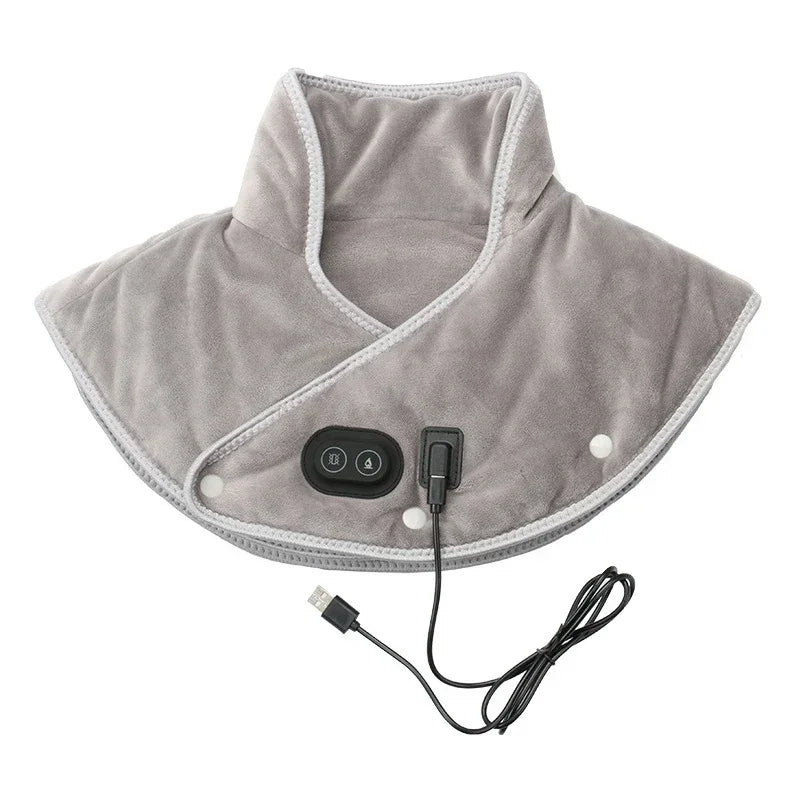
Designed for comfort — heat therapy neck shoulders relief See it in action
Many users combine neck warmth with calming self-care rituals from the Beauty & Self-Care Blog to unwind after long days.
Cervical Heat Compress Benefits Explained
When cervical heat is appropriate
A cervical heat compress may be appropriate for temporary relief from neck stiffness and muscle tension associated with posture, prolonged sitting, or everyday overuse. Its main advantage is targeted warmth that can be positioned around the neck and upper shoulder area.
Expected benefits and limitations
Cervical heat compress benefits may include a temporary increase in local blood flow, a more relaxed feeling in tense muscles, and improved comfort during rest or gentle movement. These benefits are supportive rather than permanent. A cervical heat compress cannot diagnose or treat the underlying cause of persistent neck pain, nerve symptoms, significant injury, or unexplained circulation problems.
- Contours naturally to the neck and upper shoulder area
- Provides steady, consistent warmth
- May temporarily support local circulation
- Can help muscles feel less stiff before gentle movement
- Supports a relaxing recovery routine
For those exploring holistic routines, pairing heat with relaxation tools from the Lifestyle collection can enhance overall well-being.
How to Use Heat Therapy Safely at Home
Ideal temperature and duration
Heat should feel comfortably warm rather than hot or painful. Follow the manufacturer's temperature and usage instructions, and begin with a shorter session if you are unsure how your skin will respond. Many home heat sessions are limited to approximately 15–30 minutes, but the appropriate duration depends on the product and individual circumstances.
Recommended frequency
For many people, heat can be used regularly for short-term comfort when the skin remains healthy and the device instructions are followed. Daily use may be appropriate for some routines, but more frequent or longer sessions are not automatically better. If you need heat repeatedly for ongoing pain, consider discussing the underlying problem with a qualified healthcare professional.
Who should avoid heat therapy
- People with reduced sensation or nerve damage who may not reliably feel excessive heat
- Areas with significant swelling or a recent acute injury unless advised otherwise
- Individuals with certain circulation or vascular conditions unless a healthcare professional confirms that heat is appropriate
- Anyone who cannot safely monitor the heat source or follow the device instructions
Signs to stop treatment
- Burning or painful heat
- Persistent skin redness or irritation
- Blistering or other signs of a skin injury
- Worsening pain, unusual numbness, or dizziness
- Use on clean, dry skin when appropriate for the device.
- Avoid sleeping with active heat unless the product is specifically designed for safe overnight use.
- Do not place excessive weight or pressure on an electrical heating device.
- Monitor your skin throughout the session.
- Seek medical advice for persistent or unexplained circulation symptoms.
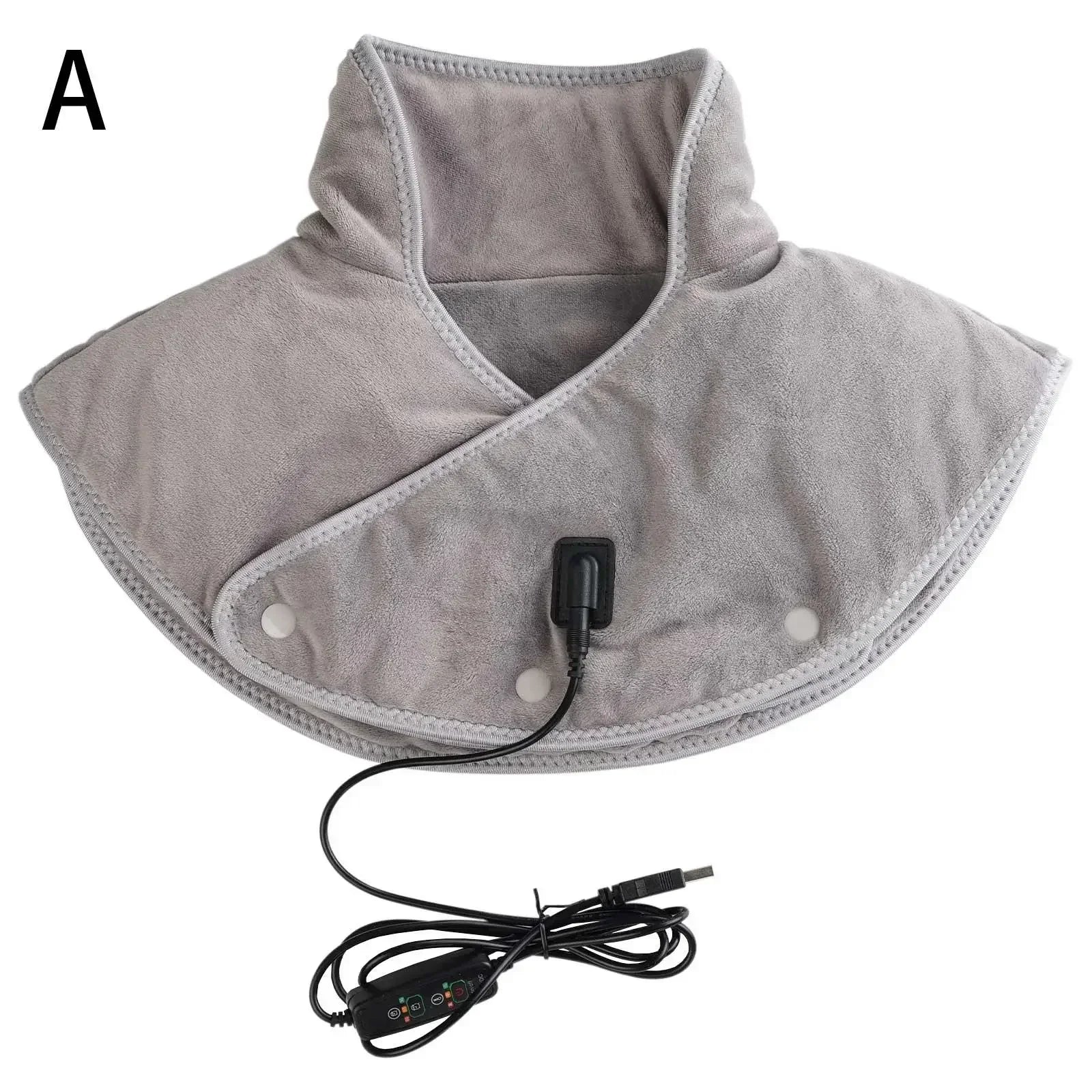
Comfort that lasts — cervical heat compress benefits See it in action
Who Benefits Most From Heat Therapy?
Muscle soreness
People with everyday muscle tightness or soreness may find warmth helpful for temporary comfort and relaxation. Heat can be especially appealing when stiffness, rather than acute swelling, is the main concern.
Arthritis and stiffness
Some people with joint stiffness find warmth soothing, particularly before gentle movement. Because arthritis has many forms and causes, anyone with significant or persistent symptoms should follow individualized medical advice.
Exercise recovery
Heat may help muscles feel more relaxed after activity, especially when stiffness is the primary complaint. It should complement, not replace, adequate rest, hydration, appropriate movement, and recovery habits.
Poor circulation related to muscle tension
When discomfort is associated with tense muscles, localized warmth may support temporary blood flow and relaxation. However, suspected vascular or circulatory disease requires appropriate medical evaluation rather than relying on heat therapy alone.
Evidence Summary: What Research Says
Clinical consensus
The physiological response to local warming is well established: heat can cause vasodilation and increase blood flow to warmed superficial tissues. Therapeutic heat is also widely used as a supportive approach for certain types of muscle stiffness and pain.
Limitations of existing evidence
The size and duration of the circulation response vary by heating method, temperature, treatment time, body area, and individual health. Evidence that heat improves blood flow during treatment does not prove that it permanently corrects poor circulation or prevents vascular disease. Heat therapy also cannot replace regular physical activity, appropriate medical treatment, or evaluation of concerning symptoms.
The practical takeaway is simple: heat therapy increases local blood flow temporarily and may improve comfort, but its benefits should be viewed as supportive rather than permanent.
Quick FAQ
Does heating pad increase blood flow?
Yes. A heating pad can increase local blood flow temporarily by warming the area and encouraging vasodilation. The effect generally decreases as the tissue cools.
Do heating pads increase blood flow better than warm compresses?
Both can increase local blood flow while they warm the tissue. Heating pads may provide more consistent temperature control, while warm compresses are simple and portable. Neither is automatically better for every person or condition.
How often can I use heat therapy?
Many people use heat regularly for short-term comfort, but the frequency and duration should follow the product instructions. Avoid prolonged exposure and stop if the skin becomes irritated or painful.
Does heat help with circulation in cold weather?
Yes, warmth can temporarily increase blood flow to the heated area and help the body feel more comfortable in cold conditions. However, persistent cold hands or feet, color changes, numbness, or pain should not be assumed to be caused only by cold weather.
Is targeted warmth more effective than general heat?
Targeted warmth can be more practical when the goal is to warm a specific area, such as the neck or shoulders. General heat from a bath or shower may be preferable when several areas feel stiff. The best option depends on the area being treated and the type of comfort you need.
Who benefits most from cervical heat compresses?
People with temporary neck and shoulder stiffness related to posture, prolonged sitting, stress, or everyday muscle tension may find cervical warmth helpful. Persistent, severe, or unexplained neck symptoms should be evaluated rather than treated with heat alone.
Can heat therapy permanently improve circulation?
Generally, no. Heat therapy can temporarily increase local blood flow while tissue is warmed, but it should not be expected to permanently correct an underlying circulation problem. Regular movement and treatment of the underlying cause are more important for long-term circulation health.
How long should a heating pad be used to increase blood flow?
Use a heating pad according to the manufacturer's instructions. Many home sessions last about 15–30 minutes, but the correct duration depends on the device and your individual circumstances. Longer exposure is not necessarily more effective.
Is moist heat better than dry heat for circulation?
Both moist and dry heat can warm tissues and support a temporary local circulation response. Moist heat may feel more penetrating to some people, while dry heat can be more convenient and easier to control. Comfort, safe temperature, and appropriate use matter more than assuming one method is universally superior.
Who should avoid heat therapy?
People with reduced heat sensation, certain nerve or circulation problems, significant swelling, or a recent acute injury may need to avoid or modify heat therapy. If you are unsure whether heat is appropriate for your condition, seek professional medical advice.
Can heat therapy replace exercise for circulation?
No. Heat can temporarily increase local blood flow, but it does not replace regular physical activity or other strategies that support overall cardiovascular and circulatory health.
Are infrared heating devices more effective than heating pads?
Not necessarily. Infrared devices and standard heating pads use different technologies, and effectiveness depends on the specific product, temperature, treatment area, and intended use. A more advanced technology label does not automatically guarantee better circulation benefits.
Does heat therapy help chronic muscle tension?
Heat may provide temporary relief from chronic muscle tension by warming tissues, supporting local blood flow, and helping muscles feel more relaxed. Ongoing or worsening tension should still be assessed if it affects daily activities.
Related Articles:
- Cold Weather Muscle Aches: When Neck Heat Works Best
- Adjustable Heat Shoulder Neck Pad: Control That Boosts Relief
Pillar Articles:













