

Does a weighted heating pad for neck and shoulders really work?
Yes. A weighted heating pad for neck and shoulders combines therapeutic heat with gentle, evenly distributed pressure to help relax tight muscles, improve comfort, and maintain consistent contact with the body. Unlike lightweight heating pads that can shift during use, weighted designs stay positioned over the neck and shoulders, delivering more uniform warmth where tension commonly develops.
This combination is particularly beneficial for muscle tightness associated with prolonged computer work, poor posture, everyday stress, or mild overuse. While a weighted heating pad is not a treatment for underlying medical conditions, many users experience noticeable relaxation within 15 to 20 minutes and report improved comfort when incorporated into a regular self-care routine.
⏱ 6 min read
Weighted Heating Pad for Neck and Shoulders: Best Picks & Buying Guide (2026)
Neck and shoulder discomfort has become increasingly common due to extended screen time, sedentary work, repetitive activities, and daily stress. A weighted heating pad for neck and shoulders offers a simple at-home solution by combining controlled heat with gentle pressure, helping muscles relax while encouraging more even heat distribution across the affected area. This guide explains how weighted heating pads work, what features matter most, how they compare with traditional heating pads, and which styles are best suited for different needs.
Best Weighted Heating Pads for Neck and Shoulders (Top Picks Compared)
Different weighted heating pads prioritize pressure, heat control, fabric quality, or portability. The comparison below highlights the most common options to help you choose the right style based on your daily routine and comfort preferences.
Quick Comparison Table
| Product Type | Typical Weight | Heat Settings | Best For |
|---|---|---|---|
| Weighted neck wrap | 2–4 lbs | 3–6 levels | Deep muscle tension and consistent shoulder coverage |
| Soft plush heating pad | Light–medium | 3–4 levels | Daily comfort, relaxation, and extended use |
| Electric heating pad with controller | Light | 4–6 levels | Precise temperature adjustment and flexibility |
Best Overall Weighted Heating Pad
The best all-around option combines balanced weight, multiple heat settings, ergonomic shoulder coverage, and soft, breathable fabric. A design that contours naturally around the neck helps maintain full contact while remaining comfortable during 15–20 minute therapy sessions.
Best Budget Option
If you only experience occasional stiffness, a lightweight electric heating pad with adjustable temperature controls can provide effective relief without unnecessary features. Look for automatic shut-off and washable covers for added convenience.
Best for Deep Pressure Relief
Weighted models in the 3–4 pound range deliver a more noticeable grounding sensation that many users find beneficial after long workdays, travel, or prolonged sitting. The additional weight helps minimize shifting while maintaining consistent heat across tense muscles.
Best Soft Fabric Heating Pad
Heating pads made with plush microfiber, velour, or other soft-touch fabrics maximize comfort while distributing warmth evenly. These materials are ideal for relaxation sessions and regular evening use, especially for users with sensitive skin.
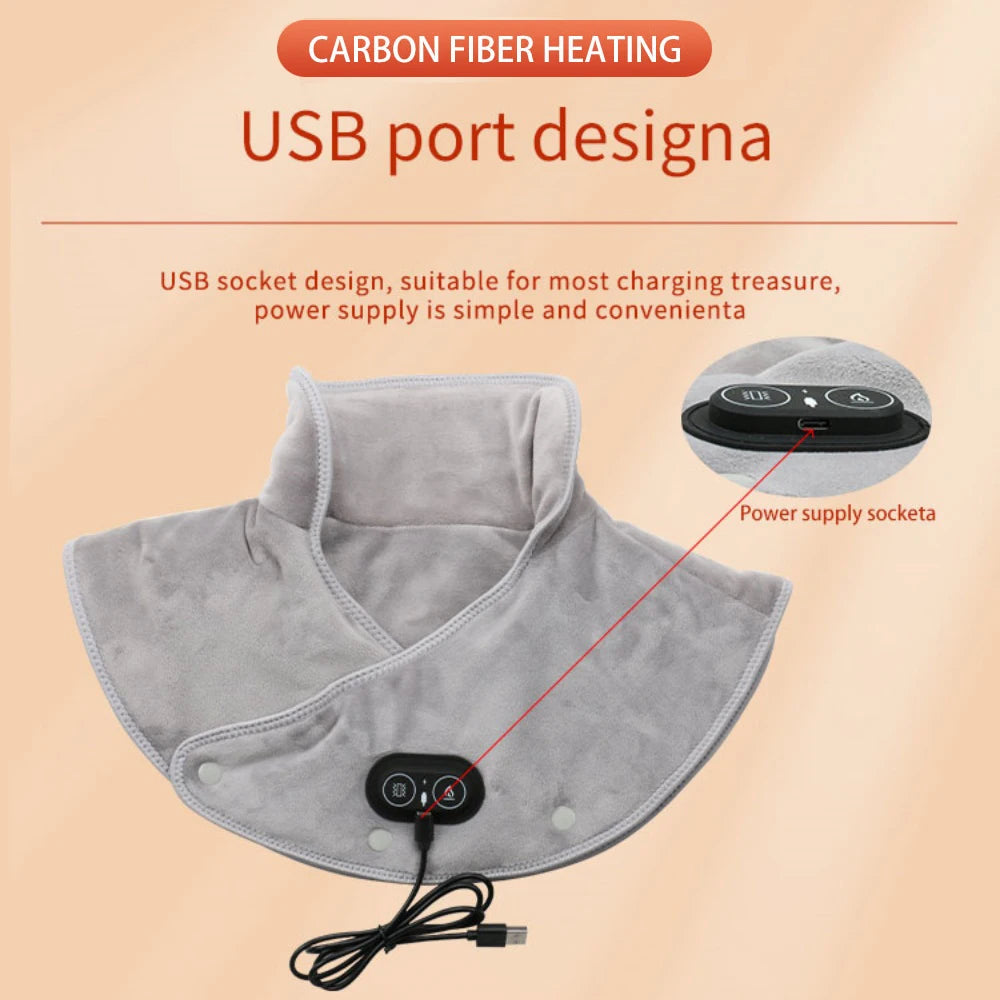
Weighted heating pad with targeted warmth and ergonomic shoulder fit
Does a weighted heating pad for neck and shoulders really work?
Yes. A weighted heating pad works by pairing consistent therapeutic heat with gentle pressure, helping the pad remain securely positioned against the neck and shoulders. Better surface contact promotes more even heat transfer than many lightweight heating pads, reducing cool spots and improving overall comfort during each session.
For people experiencing muscle tightness related to desk work, prolonged screen time, everyday stress, or poor posture, this combination can help ease tension and encourage relaxation. Heat therapy is most effective for muscle stiffness rather than acute injuries or significant inflammation, and individual results depend on the underlying cause of discomfort.
Many users notice increased comfort after a single 15–20 minute session, while regular use alongside stretching, posture improvements, and movement breaks may provide longer-lasting relief from recurring muscle tension.
Why Weight + Heat Work Better for Neck and Shoulder Pain
How weight enhances heat penetration
Gentle, evenly distributed weight helps the heating pad contour to the natural curves of the neck and shoulders, minimizing air gaps that can reduce heat transfer. This close contact allows warmth to reach superficial muscles more consistently, helping tight tissues relax while creating a soothing, calming sensation.
Difference vs regular electric heating pads
Traditional electric heating pads often provide effective warmth but may slide out of position, particularly when draped over the shoulders. Weighted models are designed to stay in place, delivering more consistent coverage across common tension areas such as the upper trapezius, shoulders, and the base of the neck.
Compared with standard flat heating pads, weighted designs commonly offer:
- More stable positioning with less slipping during use.
- More even heat distribution across the treatment area.
- A gentle pressure effect that many users find relaxing.
- Improved comfort while sitting, reading, or working at a desk.
Although weighted heating pads can improve comfort and reduce muscle tightness, they should be considered part of a broader self-care strategy that includes regular movement, ergonomic adjustments, stretching, and medical evaluation if pain is severe, persistent, or accompanied by numbness or weakness.
Why Do Ankles Feel So Exhausted After Standing?
Ankle fatigue from standing develops because the ankle joints must continuously stabilize your body while absorbing the impact of subtle movements throughout the day. Unlike walking, prolonged standing provides little opportunity for these muscles and supporting tissues to relax, allowing fatigue to build gradually. As muscles tire, joint support decreases, making ankle pain from long standing more noticeable by the end of the day.
Muscle Stabilization
The small muscles surrounding the ankles constantly make tiny adjustments to maintain balance. Over several hours, these stabilizing muscles become fatigued, reducing their ability to support the joint efficiently. This often causes soreness, stiffness, and a feeling that the ankles are weak or unstable.
Joint Loading
Your ankles bear your full body weight with every shift in posture. Standing on hard surfaces or wearing shoes that lack adequate cushioning increases the load transmitted through the joints, ligaments, and tendons. Repeated daily stress may contribute to persistent ankle discomfort if sufficient recovery time is not available.
Reduced Circulation
Remaining in one position for long periods slows the return of blood from the lower legs. Reduced circulation can contribute to swelling, heaviness, and aching around the ankles and feet. Gentle walking, calf muscle contractions, and periodic movement help restore healthy blood flow and reduce fatigue.
Who Experiences the Most Foot and Ankle Fatigue?
Anyone can experience foot fatigue from standing all day, but certain occupations, foot structures, and daily routines place greater demands on the feet and ankles.
Healthcare Workers
Nurses, physicians, therapists, and other healthcare professionals often spend long shifts walking and standing on hard hospital floors, making them especially susceptible to tired feet, sore ankles, and leg fatigue.
Retail and Hospitality Staff
Retail associates, restaurant staff, hotel employees, and cashiers frequently remain on their feet for extended periods with limited opportunities to sit, increasing cumulative stress on the lower limbs.
Teachers and Warehouse Workers
Teachers, warehouse employees, manufacturing staff, and logistics workers commonly alternate between standing and walking for hours at a time. Repetitive loading can lead to foot soreness, muscle fatigue, and ankle discomfort, particularly when footwear provides insufficient support.
People With Flat Feet or High Arches
Individuals with flat feet, high arches, previous foot injuries, or excess body weight may experience fatigue sooner because pressure is distributed unevenly across the feet. Proper footwear, supportive insoles, and strengthening exercises can help improve comfort during prolonged standing.
How to Relieve Foot Fatigue After Work (Step-by-Step)
Knowing how to relieve foot fatigue begins with reducing muscle tension, restoring circulation, and allowing overworked tissues to recover. Combining immediate relief with consistent strengthening provides the best long-term results for tired feet after work.
Quick Relief in 5–10 Minutes
- Elevate your feet above heart level for several minutes to encourage circulation and reduce swelling.
- Roll the soles of your feet over a massage ball or frozen water bottle to ease tension in the arches.
- Perform gentle calf and plantar fascia stretches to improve flexibility.
- Walk for a few minutes rather than remaining completely still, as light movement helps restore blood flow.
Stretching Routine
- Stretch the calf muscles against a wall for 20–30 seconds on each side.
- Pull the toes gently upward to stretch the arch of the foot.
- Perform ankle circles in both directions to improve mobility.
- Stretch the Achilles tendon after prolonged standing to reduce stiffness.
Strengthening Exercises
- Practice heel raises to strengthen the calves and improve ankle stability.
- Perform towel scrunches or marble pickups to strengthen the intrinsic foot muscles.
- Balance on one foot for short intervals to improve ankle control and coordination.
- Repeat these exercises two to three times per week for lasting improvements in support and endurance.
End-of-Day Recovery Routine
- Soak your feet in comfortably warm water for 10–15 minutes.
- Apply heat or massage therapy to relax tight muscles and reduce stiffness.
- Wear gentle compression if swelling develops after prolonged standing.
- Elevate your feet for an additional 10–20 minutes before bed if heaviness persists.
Weekly Recovery Habits
- Schedule regular recovery periods after demanding workdays.
- Continue strengthening exercises to improve foot and ankle resilience.
- Rotate supportive footwear to reduce repetitive pressure on the same areas.
- Replace worn shoes and insoles before cushioning and support noticeably decline.
How to Use a Heating Pad for Neck Pain Safely
- Begin with a low or medium heat setting, especially if you are using the heating pad for the first time or have sensitive skin.
- Apply the pad for approximately 15–20 minutes per session. This duration is generally sufficient to warm tight muscles without prolonged heat exposure.
- Position the pad so it covers the neck, upper shoulders, and trapezius muscles evenly. A weighted design should rest naturally without requiring constant adjustment.
- Wear lightweight clothing or place a thin fabric layer between your skin and the heating pad if recommended by the manufacturer. Avoid placing the pad directly on damaged or irritated skin.
- Do not fall asleep while using a heating pad unless it is specifically designed for overnight use and includes an automatic shut-off feature.
- Allow your skin to cool between sessions and discontinue use if excessive redness, discomfort, or irritation develops.
For recurring muscle tension, combining heat therapy with gentle stretching, posture correction, and regular movement throughout the day often provides better long-term results than heat alone.
Weighted vs Traditional Heating Pads
Both weighted and traditional heating pads provide therapeutic warmth, but they differ in how they deliver heat and how well they stay positioned during treatment. The best choice depends on your symptoms, preferred level of pressure, and how you plan to use the device.
| Feature | Weighted Heating Pad | Traditional Heating Pad |
|---|---|---|
| Body contact | Excellent due to gentle pressure | May shift during use |
| Heat distribution | More consistent across the treatment area | Can become uneven if repositioned |
| Pressure relief | Provides light calming compression | No additional pressure |
| Portability | Slightly heavier | Lighter and easier to carry |
| Best for | Persistent muscle tightness, desk workers, stress-related tension | Occasional soreness and general heat therapy |
Weighted heating pads are often preferred for neck and shoulder discomfort because they remain securely positioned while delivering steady warmth over the muscles that commonly become tight. Traditional heating pads remain an excellent option for users who prioritize lightweight portability or need a general-purpose heating pad for multiple body areas.
Real User Results: What to Expect After Regular Use
When used consistently as directed, a weighted heating pad can become a valuable part of a daily recovery routine. Many users report that regular heat therapy helps reduce feelings of neck and shoulder stiffness, improves comfort during long workdays, and makes it easier to unwind after prolonged sitting or stressful activities.
Results vary depending on the underlying cause of discomfort, posture habits, activity level, and overall health. Mild muscle tension may improve after a single session, while recurring tightness often responds best to repeated use combined with stretching, ergonomic adjustments, and regular movement throughout the day.
Keep in mind that a heating pad is intended to help manage muscle tightness and temporary discomfort. If symptoms become progressively worse, interfere with daily activities, or are accompanied by weakness, numbness, or severe pain, seek evaluation from a qualified healthcare professional.
Quick Answers
How long should I use a heating pad on my neck?
Most adults can safely use a heating pad for 15–20 minutes per session. Allow your skin to cool between treatments and follow the manufacturer's instructions for safe operation.
Is a weighted heating pad safe for daily use?
Yes. Daily use is generally appropriate when the heating pad includes safety features such as automatic shut-off and overheating protection, and it is used according to the manufacturer's recommendations.
Can I sleep with a heating pad on?
Routine overnight use is not recommended unless the product is specifically designed for that purpose and includes appropriate safety controls. Falling asleep with continuous heat may increase the risk of burns.
What is the best heating pad for neck pain?
The best option offers ergonomic shoulder coverage, balanced weight, adjustable heat settings, soft breathable fabric, and reliable safety features such as automatic shut-off.
Does heat help shoulder pain?
Heat can help relax tight muscles and temporarily reduce discomfort associated with muscle tension or stiffness. It is generally less appropriate for recent injuries with swelling or acute inflammation.
Should I use heat or ice for neck pain?
Heat is usually preferred for muscle tightness and chronic stiffness, while ice is often recommended during the first 24–48 hours after an acute injury or when noticeable swelling is present.
Can a heating pad improve posture-related discomfort?
Yes. Heat may temporarily reduce muscle tightness caused by prolonged sitting or poor posture, but lasting improvement depends on addressing posture, workstation ergonomics, and regular movement throughout the day.
Pillar Article: Improve Circulation Heat Therapy: Why Targeted Warmth Helps
Other Related Articles:
Explore More:













