

Heat for Neck Spasms: When to Use It, How It Works, and Safe Relief at Home
⏱ 7 min read — Neck spasms can develop after hours at a computer, an awkward sleeping position, stress, or muscle overuse. For many people, applying heat at the right time helps ease muscle tightness, improve circulation, and restore comfortable movement. This evidence-based guide explains when heat is appropriate, when ice is a better choice, and how to use heat therapy safely for effective relief at home.
Does Heat Help Neck Spasms and Tight Muscles?
In many cases, heat for neck spasms can provide meaningful relief by relaxing tense muscles, improving blood flow, and reducing the sensation of pain. Heat is generally most effective for muscle tightness, chronic stiffness, and posture-related discomfort rather than fresh injuries accompanied by swelling.
How Heat Reduces Muscle Spasm
A muscle spasm is an involuntary contraction that causes the muscle fibers to tighten and remain shortened. Gentle warmth encourages those muscles to relax by increasing local circulation, delivering oxygen and nutrients to the tissue, and improving flexibility. Heat also decreases muscle guarding—the protective tightening that often develops after prolonged strain.
While heat does not treat the underlying cause of every neck problem, it often reduces discomfort enough to make normal movement easier and support recovery.
When Heat Is Most Effective
Heat for the neck is typically most helpful when symptoms are related to muscle tension rather than active inflammation. Common situations include:
- Persistent neck stiffness after desk work or computer use
- Muscle tightness caused by poor posture
- Stress-related tension in the neck and shoulders
- Morning stiffness without swelling or recent trauma
- Recurring muscle knots that limit comfortable movement
People often confuse stiffness with muscle spasm. Although the two can occur together, stiffness describes reduced flexibility, while a spasm is a sudden or sustained muscle contraction. Heat may help relieve both when inflammation is not the primary issue.
Expected Relief Timeline
Many people notice muscles begin to relax within 15 to 20 minutes of applying comfortable warmth. Mild spasms may improve after a single session, while recurring muscle tension from posture or overuse often responds best to regular heat therapy combined with gentle movement and ergonomic changes.
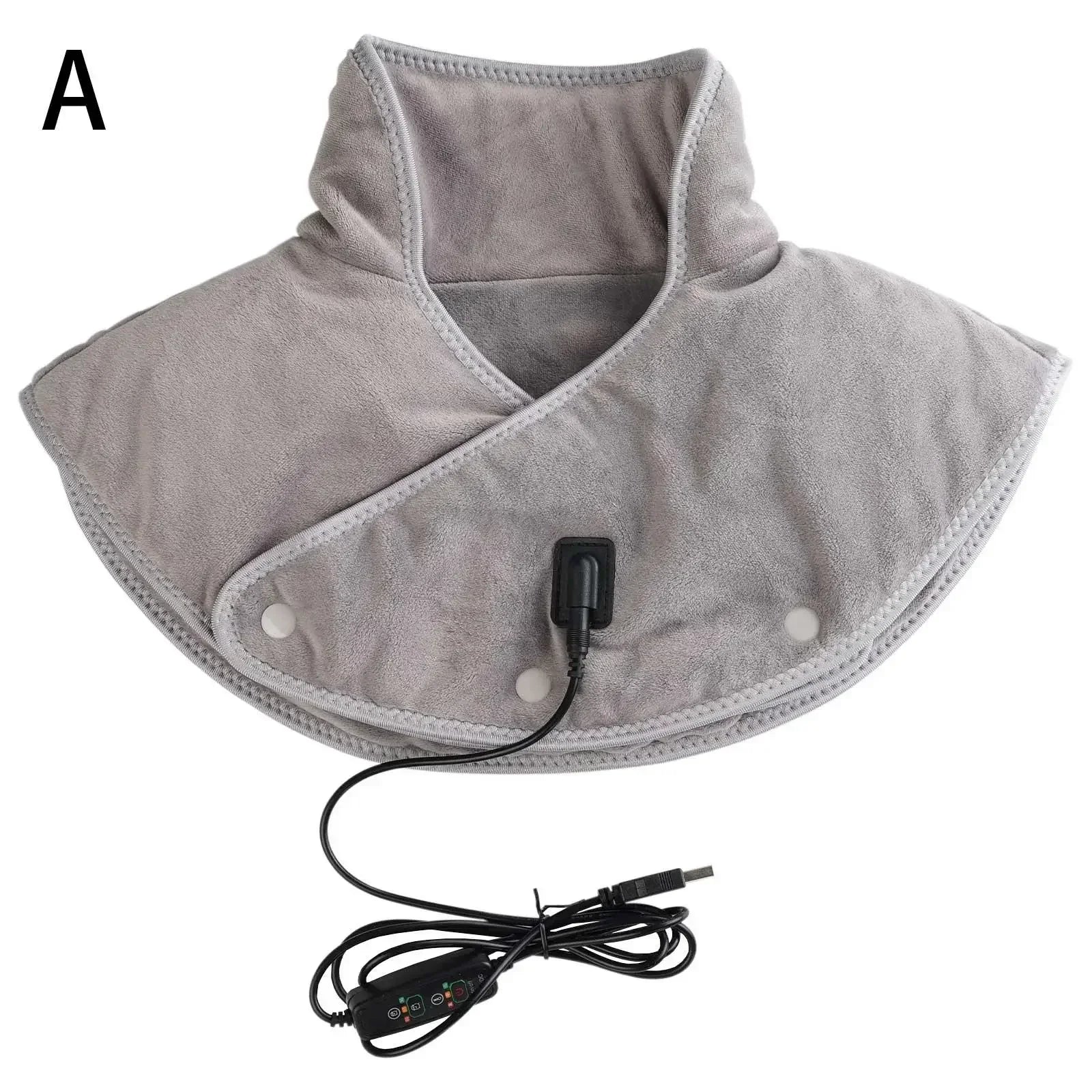
Heated shoulder pad comfort with balanced coverage — See it in action
Heat vs Ice for Neck Spasms: What Should You Use First?
One of the most common questions about neck pain is whether to use heat or ice first. The answer depends on what your body is responding to. Heat and cold therapy work differently, so choosing the right option can improve comfort while avoiding unnecessary irritation.
When to Use Heat (Chronic Tightness & Stiffness)
Choose heat for neck pain when muscles feel tight, sore, or stiff without obvious swelling. Heat therapy for the neck and shoulders promotes circulation, improves tissue flexibility, and helps muscles gradually relax.
- Persistent stiffness or reduced mobility
- Muscle knots from prolonged sitting or stress
- Morning neck tightness
- Chronic posture-related discomfort
When to Use Ice (Acute Injury & Inflammation)
Cold therapy is usually the better first choice after a recent strain or injury because it helps reduce inflammation and temporarily numbs pain.
- Recent injury or sudden muscle strain
- Visible swelling or tenderness
- Sharp pain immediately after activity
- Areas that feel warm or inflamed
Simple Decision Rule You Can Follow at Home
Tight, stiff muscles without swelling: use heat.
Recent injury with swelling or inflammation: use ice during the first day or two.
If you're unsure whether inflammation is present, start conservatively and avoid applying intense heat directly after an acute injury.
When to Transition from Ice to Heat
Once the initial inflammation begins to settle—often after the first 24 to 48 hours for minor muscle strains—many people find it helpful to switch from ice to heat. At this stage, warmth can improve flexibility and reduce lingering muscle tightness. If pain continues to worsen instead of improving, seek medical evaluation rather than relying on home treatment alone.
What Causes Neck Spasms in the First Place?
Neck spasms occur when muscles contract involuntarily, often to protect the neck after irritation, overuse, or strain. Identifying the underlying cause helps determine whether heat is appropriate and whether additional treatment may be needed.
Muscle Overuse and Poor Posture
Hours spent looking down at a phone, working at an improperly adjusted workstation, or maintaining the same posture can overload the neck and upper trapezius muscles. Over time, this repetitive strain may trigger painful muscle tightness and spasms.
Stress and Muscle Tension
Emotional stress commonly increases muscle tension in the neck and shoulders. Continuous low-level muscle contraction can reduce flexibility, contribute to muscle knots, and make spasms more likely during everyday activities.
Sleeping Position and Sudden Strain
Sleeping with inadequate neck support, twisting the head suddenly, or lifting awkwardly can strain muscles and surrounding soft tissues. The resulting protective muscle contraction may limit movement for several hours or even days.
Medical Conditions That Can Mimic Muscle Spasms
Not every episode of neck pain is caused by a simple muscle spasm. Conditions such as cervical arthritis, herniated discs, pinched nerves, or other spinal disorders can produce similar symptoms. If neck pain is accompanied by arm weakness, persistent numbness, fever, severe headache, or symptoms following significant trauma, medical assessment is recommended to rule out more serious causes.
How Heat Therapy Relaxes Neck Muscles (Science Explained)
Heat therapy for neck and shoulders works through several physiological mechanisms that help reduce discomfort and improve movement. While it is not a cure for the underlying cause of every neck problem, properly applied heat can ease muscle tension and make daily activities more comfortable.
Improved Blood Flow
One reason heat relaxes neck muscles is that warmth widens nearby blood vessels, increasing circulation to the affected tissues. Better blood flow delivers oxygen and nutrients needed for normal muscle function while helping remove metabolic byproducts that can accumulate after prolonged muscle contraction.
- Improves circulation to reduce stiffness
- Supports tissue flexibility and mobility
- Helps muscles recover after prolonged tension
Reduced Muscle Guarding
When neck muscles are irritated or overworked, the body often responds with protective muscle guarding—a sustained tightening that limits movement. Gentle heat encourages these muscles to relax, allowing greater range of motion with less discomfort. This is one reason heat is commonly recommended for posture-related muscle tightness and chronic neck stiffness.
Pain Modulation
Warmth stimulates temperature-sensitive receptors in the skin that can temporarily reduce the perception of pain. Combined with improved flexibility, this often makes stretching and normal movement easier after heat therapy.
It's important to remember that heat mainly addresses muscle-related symptoms. If pain results from significant inflammation, nerve compression, or structural injury, additional medical evaluation or treatment may be necessary.
Best Ways to Apply Heat for Neck Pain and Spasms
Several home-based heat methods can provide relief. The best option depends on your symptoms, convenience, and personal preference. Regardless of the method, the goal is steady, comfortable warmth rather than excessive heat.
Heating Pads and Wraps
Heating pads and wearable wraps provide consistent, targeted warmth that is easy to control. Adjustable temperature settings allow you to maintain comfortable heat without overheating the skin, making them practical for routine management of neck tension.
Moist Heat vs Dry Heat (Which Works Better?)
Moist heat for muscle relaxation may penetrate superficial tissues more effectively and is often preferred when muscles feel especially tight. Dry heat is cleaner, more convenient, and remains an excellent option for regular home use.
- Moist heat: damp towels, moist heating packs, warm steam towels
- Dry heat: electric heating pads, heated wraps, reusable heat packs
Both methods can be effective when used safely. Comfort and consistent application are generally more important than choosing one method over the other.
Warm Showers and Compresses
A warm shower relaxes multiple muscle groups across the neck, shoulders, and upper back at the same time. Warm compresses are useful when you want quick, localized heat for a particularly tight area or muscle knot.
Deep Heat Products: Are They Appropriate?
Products marketed as "deep heat"—including warming creams, gels, and patches—produce a sensation of warmth on the skin and may temporarily reduce discomfort for some people. They are not identical to electric heating pads because they rely on topical ingredients rather than an external heat source.
If using topical warming products, always follow the manufacturer's instructions and avoid combining them with heating pads unless specifically permitted, as doing so may increase the risk of skin irritation or burns.
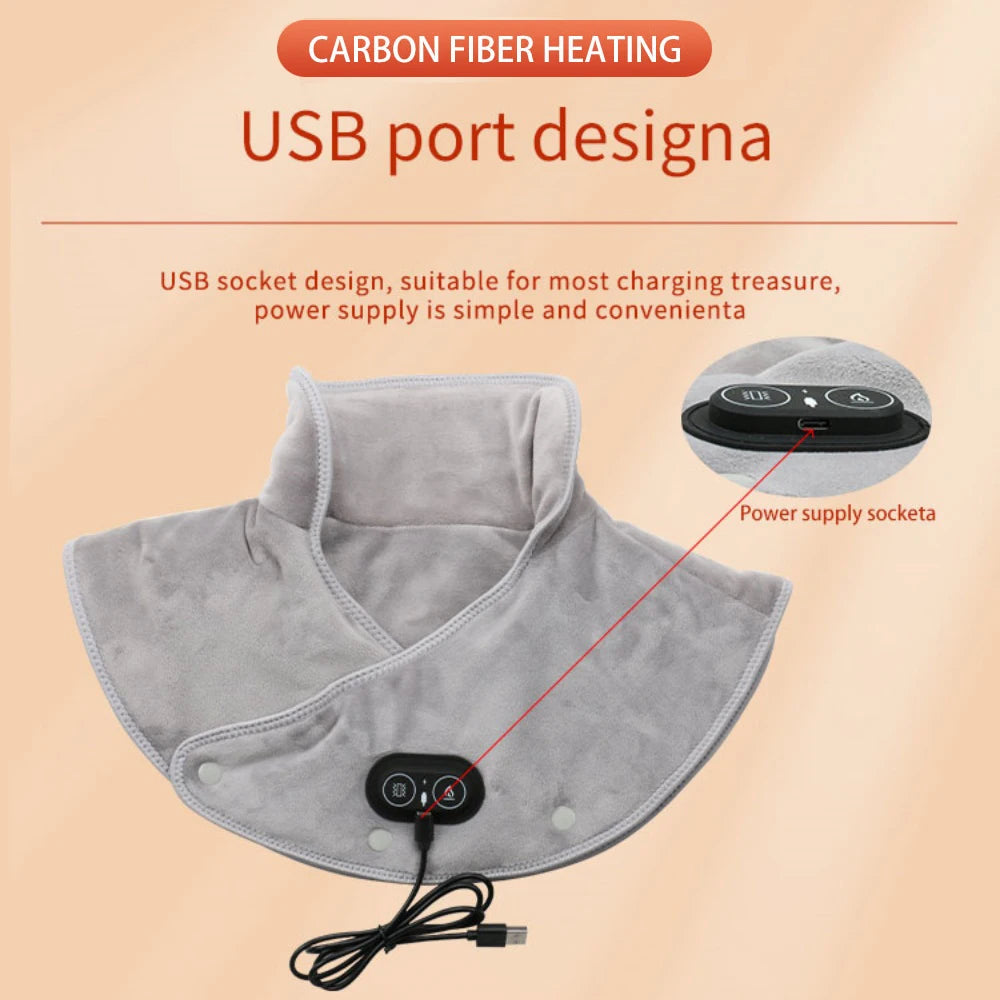
Weighted heating pad for neck and shoulders in daily use — Feel the difference
Step-by-Step Routine: How to Use Heat Safely at Home
If you're wondering, " Can I put a heating pad on my neck? " the answer is generally yes—provided you use it correctly and avoid excessive temperatures or prolonged exposure.
Duration and Timing (How Long?)
Apply heat for approximately 15 to 20 minutes per session. This is usually enough time to relax muscles without increasing the risk of skin irritation. Allow your skin to cool between sessions.
Frequency (How Often per Day?)
Most people benefit from heat therapy two or three times daily during periods of increased muscle tightness. Reduce the frequency as symptoms improve.
Ideal Temperature Range
Choose a comfortably warm setting rather than maximum heat. The skin should feel pleasantly warm—not painfully hot—and the heat source should never cause burning or excessive redness.
- Position the heating pad or warm compress over the affected area.
- Relax in a supported sitting or lying position.
- Keep the heat in place for 15–20 minutes.
- Remove the heat source and allow the skin to return to its normal temperature before repeating treatment.
Gentle Stretching After Heat
After muscles have warmed, perform slow, pain-free range-of-motion exercises such as gentle neck turns, side bends, and chin tucks. Stretching immediately after heat therapy often feels more comfortable because muscles are more flexible. Stop if any movement causes sharp pain, dizziness, or worsening symptoms.
Heating Pad for Neck Benefits (What to Expect)
The heating pad for neck benefits most people notice are temporary pain relief, reduced muscle tightness, and improved comfort during everyday activities. Heat therapy works best as part of a broader self-care plan that may also include stretching, posture correction, and regular movement.
Pain Relief
A heating pad can reduce discomfort by relaxing tense muscles and decreasing the sensation of pain. While it does not treat every underlying cause of neck pain, it often provides short-term relief for muscle spasms, posture-related tension, and chronic stiffness.
- Reduces muscle tightness and spasms
- Improves comfort during periods of muscle tension
- May make normal movement less painful
Improved Flexibility
Warm muscles are generally more elastic than cold muscles. Applying heat before gentle stretching or mobility exercises can improve range of motion and make neck movements feel smoother and less restricted.
- Supports healthy blood flow
- Improves tissue flexibility
- Helps reduce feelings of stiffness
Better Daily Function
When discomfort decreases, everyday tasks such as working at a computer, driving, reading, or sleeping may become more comfortable. However, realistic expectations are important—heat provides symptom relief but should be combined with healthy posture, regular movement, and appropriate medical care if symptoms persist.
Safety Guidelines: When Heat Can Make Neck Pain Worse
Although heat therapy is generally safe when used correctly, there are situations where it may worsen symptoms or increase the risk of skin injury. Knowing when not to use heat for neck pain is just as important as knowing when it can help.
Situations to Avoid Heat
Avoid applying heat if your neck pain is associated with active inflammation or conditions where increased blood flow could aggravate symptoms.
- Recent injury with swelling or bruising
- Areas that are red, hot, or visibly inflamed
- Numbness or reduced ability to feel heat
- Open wounds or damaged skin
Burn Prevention Tips
If you are asking, " Can I put a heating pad on my neck? " the answer is generally yes, provided it is used safely.
- Use a comfortable temperature rather than maximum heat.
- Avoid prolonged continuous exposure.
- Place a thin layer of fabric between the heat source and sensitive skin if needed.
- Never sleep with an electric heating pad turned on.
- Check your skin regularly during treatment for excessive redness.
Warning Signs to Stop Immediately
Stop using heat therapy and reassess your symptoms if you experience:
- Persistent skin redness or irritation
- Burning sensations or blistering
- Increasing pain instead of relief
- Dizziness, weakness, or unusual discomfort
Who Should Talk to a Healthcare Professional First
Seek medical advice before beginning regular heat therapy if you have diabetes with reduced sensation, circulation disorders, significant nerve damage, recent neck surgery, or another medical condition that affects your ability to safely detect heat. Pregnant individuals or people with chronic medical conditions should also follow the guidance of their healthcare provider when appropriate.
When to See a Doctor for Neck Spasms
Most muscle spasms improve with conservative home care, but some symptoms require prompt medical evaluation. Persistent or severe pain may indicate a condition that extends beyond a simple muscle strain.
Emergency Warning Signs
Seek immediate medical care if neck pain is accompanied by any of the following:
- Sudden weakness in the arms or hands
- Loss of coordination or difficulty walking
- Loss of bladder or bowel control
- Severe neck pain after a significant fall or accident
- Fever, severe headache, or confusion together with neck stiffness
Persistent or Recurring Symptoms
Schedule a medical evaluation if:
- Pain lasts longer than one week despite appropriate home care
- Neck spasms keep returning
- Symptoms interfere with work, sleep, or normal daily activities
- Pain gradually becomes more severe instead of improving
Symptoms Requiring Imaging or Evaluation
Your healthcare provider may recommend further evaluation if neck pain radiates into the shoulder or arm, is accompanied by persistent numbness or tingling, causes noticeable weakness, or significantly limits neck movement. Identifying the underlying cause helps determine whether additional treatment, physical therapy, or imaging studies are appropriate.
Quick Answers About Heat for Neck Pain
Can I put a heating pad on my neck?
Yes. A heating pad is generally safe for the neck when used at a comfortable temperature for about 15–20 minutes at a time. Avoid placing it directly on bare skin if it feels too hot, and never use it while sleeping.
Does heat relax neck muscles?
Yes. Heat increases local blood flow, improves tissue flexibility, and helps muscles release tension. This is why heat therapy is commonly recommended for muscle spasms, stiffness, and posture-related neck discomfort rather than fresh injuries with swelling.
Is moist heat better for muscle relaxation?
Moist heat for muscle relaxation may feel more effective for some people because it warms superficial tissues efficiently. However, both moist and dry heat can provide relief when applied safely and consistently.
How often should I use heat for neck pain?
For most people, using heat therapy two or three times daily for 15–20 minutes per session is sufficient during periods of muscle tightness. Reduce the frequency as symptoms improve and avoid continuous heat exposure.
Can I sleep with a heating pad on my neck?
No. Sleeping with an electric heating pad switched on increases the risk of burns and overheating because you may not notice excessive heat while asleep. If overnight comfort is needed, consider products specifically designed for unattended use only if the manufacturer indicates they are safe.
How hot should a heating pad be?
A heating pad should feel comfortably warm rather than intensely hot. The goal is to relax muscles—not to heat the skin as much as possible. If your skin becomes painful, excessively red, or irritated, lower the temperature or discontinue use.
Choosing the Right Heat Method for Your Needs
The best heat for neck depends on your symptoms, daily routine, and personal preferences. Whether you choose a heating pad, wearable wrap, warm compress, or shower, consistent gentle warmth is generally more beneficial than brief periods of intense heat.
By Symptom Type
- Chronic stiffness: Electric heating pads or wearable heated wraps provide steady warmth.
- Muscle knots: Moist heat or a warm compress may help muscles relax before gentle stretching.
- General neck and shoulder tension: Warm showers can loosen multiple muscle groups simultaneously.
- Recent injury with swelling: Choose cold therapy first rather than heat.
By Lifestyle
Select a heat method that fits naturally into your daily routine.
- Heating pads work well while reading or relaxing at home.
- Wearable wraps allow greater mobility during light activities.
- Warm showers are convenient for morning stiffness.
- Reusable warm compresses offer quick, portable relief.
When to Combine with Physical Therapy
Heat therapy often works best alongside other evidence-based approaches. If neck pain repeatedly returns, limits daily activities, or results from posture or movement problems, combining heat with stretching, strengthening exercises, ergonomic adjustments, or physical therapy may provide better long-term outcomes than heat alone.
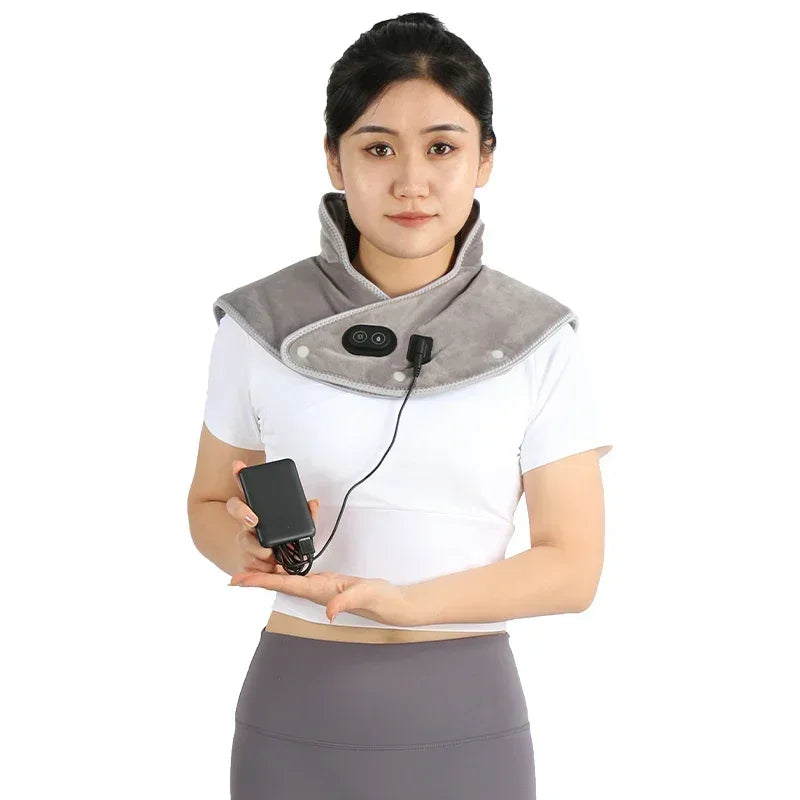
Safe heat therapy for nightly relaxation — Try it tonight
Related Articles:
- Posture Recovery for Neck and Shoulders: A Heat Guide
- Can You Use a Heating Pad Too Much? Safety Tips
- How to Relieve Muscular Neck Pain Step by Step
- Heating Pad for Neck Tension: Best-Rated Picks Compared
Pillar Articles:













