Stiff Neck: Hot or Cold? What Actually Works (Quick Answer + Guide)
A stiff neck can develop after sleeping in an awkward position, sitting with poor posture, straining a muscle, or spending time in cold weather. Choosing between heat and cold therapy depends mainly on whether the problem is a recent injury with inflammation or ongoing muscle tightness and stiffness. This guide explains when to use each option, how long to apply it, and what else can support recovery.
⏱ 7 min read
Should You Use Heat or Cold for a Neck Strain? (Quick Answer)
For a recent neck strain or sudden injury, cold therapy is generally the better first option when pain is acute and inflammation or swelling may be present. Heat is usually more helpful once the initial irritation settles and the main problem becomes muscle tightness, stiffness, or reduced mobility.
- Use cold first: after a recent strain, sudden injury, or when swelling and acute inflammation are present.
- Switch to heat: for lingering stiffness, muscle tightness, spasms, or soreness that remains after the acute phase.
- For everyday stiffness: heat is often the more comfortable choice, especially after sleeping awkwardly, prolonged sitting, or cold-weather exposure.
Use Cold During the First 24–48 Hours
During the early stage of a sudden neck strain, cold may help reduce pain and limit swelling. A cold pack can temporarily numb the area and reduce discomfort, particularly when the pain started suddenly after an injury or unusual movement.
Switch to Heat for Lingering Stiffness and Muscle Tightness
When the main symptom is tightness rather than acute swelling, neck heat therapy can help muscles relax and make gentle movement more comfortable. Heat is often useful for stiffness from poor posture, prolonged sitting, sleeping wrong, or cold weather muscle tension.
When Alternating Heat and Cold May Help
Some people find alternating cold and heat comfortable during recovery, particularly when a recent strain has transitioned from acute soreness to persistent stiffness. Use each therapy for a short period and protect the skin. If one approach clearly increases pain, swelling, or irritation, stop using it.
Why Heat vs Cold Works (Simple Physiology Explained)
Understanding how each therapy affects pain and muscle tension makes it easier to choose between stiff neck heat or cold treatment.
How Cold Reduces Inflammation
Cold temporarily narrows local blood vessels and reduces nerve activity in the treated area. This can help decrease pain and may limit swelling after a recent minor injury. Cold is most useful when symptoms are sudden, irritated, or associated with possible inflammation.
How Heat Relaxes Tight Muscles
Heat increases local blood flow and can help tight muscles relax. This may improve comfort and make gentle movement easier when stiffness, muscle spasm, or prolonged tension is the main problem. For that reason, neck heat therapy is often a practical option for chronic tension and cold-weather stiffness.
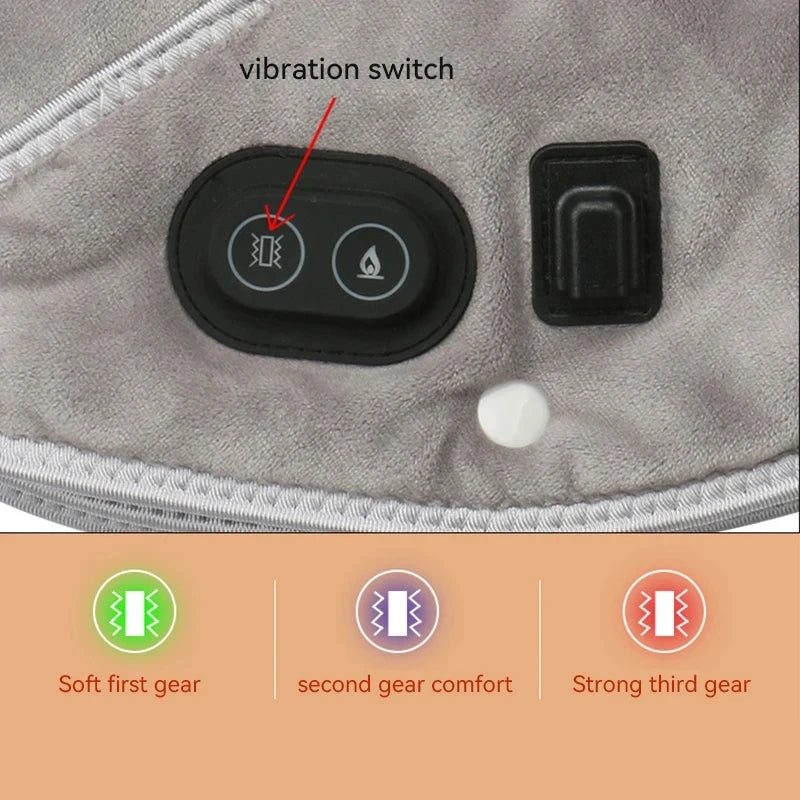
Targeted warmth for neck and shoulder tension — See it in action
Why Cold Weather Causes Neck Pain and Stiffness
Cold weather neck pain can develop when lower temperatures make muscles feel tighter and encourage protective movements such as hunching the shoulders. Reduced activity and prolonged time in one position can add even more tension to the neck and upper shoulders.
Why Muscles Tighten in Cold Temperatures
- Muscle tension: Cold temperatures can make muscles feel less flexible and encourage involuntary tightening.
- Reduced movement: Spending more time indoors or remaining still can increase stiffness.
- Protective posture: Hunching the shoulders against the cold may place extra strain on the neck and upper back.
- Existing tension: Poor posture, stress, or prolonged screen time can become more noticeable when cold weather adds another source of stiffness.
These factors can contribute to cold weather muscle aches and the tight, restricted feeling often described as a stiff neck in cold weather.
Reducing Cold-Weather Neck Pain
Prevention focuses on keeping the neck comfortable while avoiding long periods of immobility. Dress warmly, avoid prolonged shoulder hunching, take regular movement breaks, and use gentle range-of-motion movements if they feel comfortable. Targeted warmth may also help when cold weather muscle tension is the primary source of discomfort.
Heat vs Cold for Neck Pain (Comparison Table)
| Therapy | Best for | Potential benefits | Limitations and when to avoid |
|---|---|---|---|
| Cold | Recent strain, sudden pain, possible swelling | May reduce pain and temporarily numb the area | May increase stiffness or discomfort for some people; protect skin from direct exposure |
| Heat | Muscle tightness, stiffness, chronic tension, cold-weather soreness | Helps muscles relax and may make movement more comfortable | Avoid applying high heat to areas with significant swelling or acute inflammation |
For a recent injury, cold may be the more appropriate starting point. For a stiff neck without obvious swelling, heat is often more useful. The best choice depends on what your symptoms feel like now, not only on how the discomfort started.
When to Use Heat vs Cold: A Simple Decision Tree
Use the following framework to choose between heat or cold for neck pain:
- Did the pain begin suddenly after an injury or strain? Consider cold during the early stage, particularly if swelling or acute inflammation is present.
- Did you sleep in an awkward position? If the neck feels tight and stiff without swelling, gentle heat is often more suitable than ice.
- Is the problem related to sports or physical activity? Cold may be useful for a recent strain, while heat may be more helpful later if stiffness remains.
- Is the stiffness related to desk work or prolonged posture? Heat, movement breaks, and gentle mobility may help relieve muscle tension.
- Does cold weather make your neck feel tight? Warmth may help improve comfort when muscle tension is the main issue.
When the cause is unclear, avoid using extreme temperatures and pay attention to how your symptoms respond. Severe, worsening, or unusual symptoms should be evaluated by a healthcare professional.
How to Apply Heat or Cold Safely
Correct duration and skin protection are important whether you choose heat or cold for neck pain.
How Long to Apply Cold
Apply a cold pack for about 10–15 minutes at a time, with breaks between applications. Wrap the pack in a thin cloth rather than placing it directly against bare skin. Stop if the skin becomes excessively numb, painful, or irritated.
How Long to Apply Heat
Apply comfortable, moderate heat for approximately 15–20 minutes at a time. You can repeat heat sessions as needed while allowing the skin to return to its normal temperature between applications. The goal is soothing warmth, not intense heat.
Safety Precautions
- Never apply extreme heat or cold directly to bare skin.
- Do not fall asleep while using a heating pad or heated device.
- Avoid using heat over an area that is significantly swollen or acutely inflamed.
- Stop treatment if pain worsens or the skin becomes irritated.
- Use extra caution if you have reduced sensation or difficulty detecting temperature changes.
- Follow the instructions provided with any heating or cooling device.
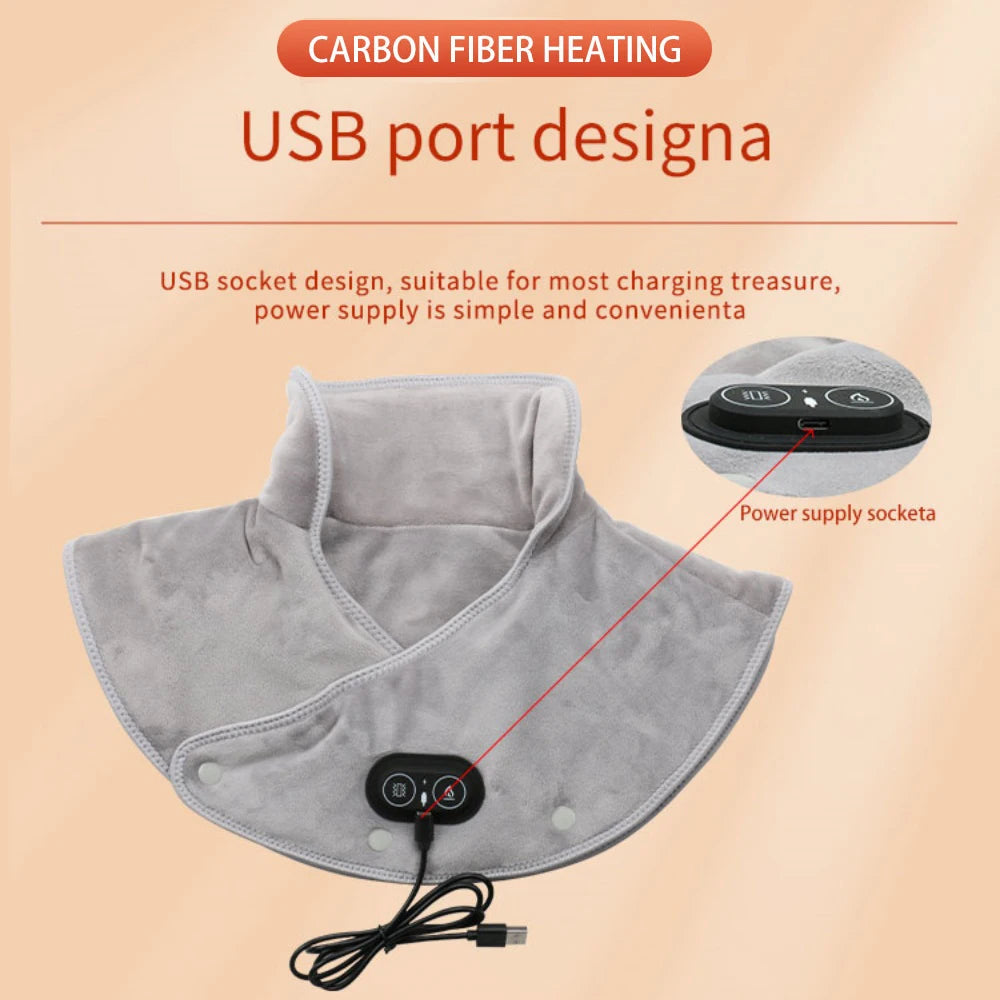
Daily relief for neck stiffness and tension — See it in action
Simple Recovery Tips Beyond Heat and Cold
Heat and cold can support symptom relief, but recovery often also depends on gentle movement, posture, sleep, and avoiding repeated strain.
Gentle Range-of-Motion Exercises
Once movement is comfortable, gentle neck mobility can help prevent the area from becoming more stiff. Slowly turn your head from side to side or gently tilt it within a comfortable range. Do not force a stretch, bounce the neck, or continue an exercise that causes sharp or worsening pain.
Sleep and Posture Tips
- Take regular breaks from prolonged screen or desk work.
- Keep screens positioned so you do not need to hold your head down for long periods.
- Avoid staying in one rigid position for extended periods.
- Use a comfortable sleeping position that keeps your neck supported without forcing it into an extreme angle.
- Keep the neck and shoulders warm in cold weather to reduce exposure-related stiffness.
When Neck Pain Needs Medical Attention
Most minor stiffness improves with time and appropriate self-care, but some symptoms require medical evaluation. Seek prompt medical advice for neck pain associated with significant trauma, severe or worsening pain, weakness, numbness, or tingling in an arm or hand.
Medical attention is also important if neck pain is accompanied by a fever, severe headache, unusual sensitivity to light, confusion, or other signs of a serious illness. A neck that feels warm to the touch can have several possible explanations, including environmental warmth or local irritation, so the surrounding symptoms matter.
If your neck pain does not improve, keeps returning, or continues despite reasonable home care, contact a qualified healthcare professional for an appropriate assessment.
Frequently Asked Questions
Is heat or cold better for a stiff neck?
Cold is generally more useful for a recent strain or injury when acute pain or swelling may be present. Heat is often better for muscle tightness, ongoing stiffness, posture-related tension, and cold-weather soreness. A stiff neck from everyday muscle tension often responds well to comfortable heat and gentle movement.
How long should you ice a stiff neck?
Use a wrapped cold pack for about 10–15 minutes at a time, then take a break before another application. Avoid prolonged direct exposure because excessive cold can irritate or damage the skin.
Can heat make inflammation worse?
Heat may increase discomfort or swelling when applied to an area with significant acute inflammation. If the neck is freshly injured and appears swollen or highly irritated, cold may be more appropriate initially. Once the main problem becomes stiffness rather than acute inflammation, heat may be more comfortable.
Should I use heat for a stiff neck from sleeping wrong?
Often, yes. A stiff neck after sleeping in an awkward position is commonly associated with muscle tightness and reduced mobility rather than a major injury. Comfortable heat and gentle movement may help, provided symptoms are not severe or worsening.
Can I alternate heat and ice for a neck strain?
Some people find alternating heat and cold helpful as a strain moves from acute soreness toward lingering stiffness. Use short sessions, protect the skin, and stop if either treatment makes symptoms worse.
Should I use heat or cold after sleeping with a stiff neck?
If the neck mainly feels tight, stiff, or sore after sleeping awkwardly, heat is often the more comfortable option. If you suspect a new injury or notice significant swelling, cold may be more appropriate during the early stage.
Why does my neck feel warm after an injury?
A warm sensation can occur for different reasons, including normal local irritation, increased blood flow, or the external environment. If warmth is accompanied by significant swelling, severe pain, redness, fever, or worsening symptoms, seek medical advice.
Can cold weather make neck pain worse?
Yes, cold weather can make existing muscle tension feel worse for some people. Lower temperatures, reduced movement, and shoulder hunching can contribute to stiffness and cold weather muscle aches. Staying warm and moving gently can help reduce discomfort.
How many days should I ice a neck strain?
There is no single number of days that applies to every neck strain. Cold is generally most useful during the early phase when pain is acute or swelling may be present. If stiffness becomes the dominant symptom, heat may be more comfortable. Persistent or worsening symptoms should be evaluated by a healthcare professional.
When should I stop home treatment and see a doctor?
Seek medical advice if pain is severe, worsening, follows significant trauma, causes weakness or numbness, is associated with fever or other concerning symptoms, or does not improve with reasonable home care.
Pillar Article: Improve Circulation Heat Therapy: Why Targeted Warmth Helps
Other Related Articles:
Explore More: