

Is red light therapy good for weight loss?
What the evidence says
Short answer: Red light therapy for weight loss can be a helpful adjunct , but it is not a standalone weight-loss treatment.
Current clinical research suggests that red and near-infrared light may encourage fat cells to temporarily release stored lipids while supporting cellular energy production through photobiomodulation. Most published studies report improvements in body circumference, body contour, or localized fat appearance rather than significant reductions in total body weight.
When researchers observe positive outcomes, participants typically combine treatment with healthy eating habits, regular physical activity, and consistent treatment schedules over several weeks.
Weight loss vs fat reduction vs body contouring
One of the biggest misconceptions is assuming red light therapy directly "burns fat." In reality, it is better understood as a tool that may support body composition changes when paired with an active lifestyle.
- May help reduce circumference in areas such as the waist, hips, and thighs
- May improve body contour and skin appearance
- May support cellular metabolism and circulation
- Does not replace calorie control or exercise for meaningful weight loss
Bottom line: If you're asking "Does red light therapy work for weight loss?" the evidence suggests it can support fat reduction and body contouring, but sustainable weight loss still depends primarily on nutrition, physical activity, sleep, and long-term lifestyle habits.
Is Red Light Therapy Good for Weight Loss? Science, Results & What to Expect
Wondering if red light therapy can actually help you shed pounds? In this guide, you'll learn how fat cells respond to targeted wavelengths, what current research says, what realistic results look like, and how to use red light therapy effectively alongside diet and exercise.
⏱ 7 min read
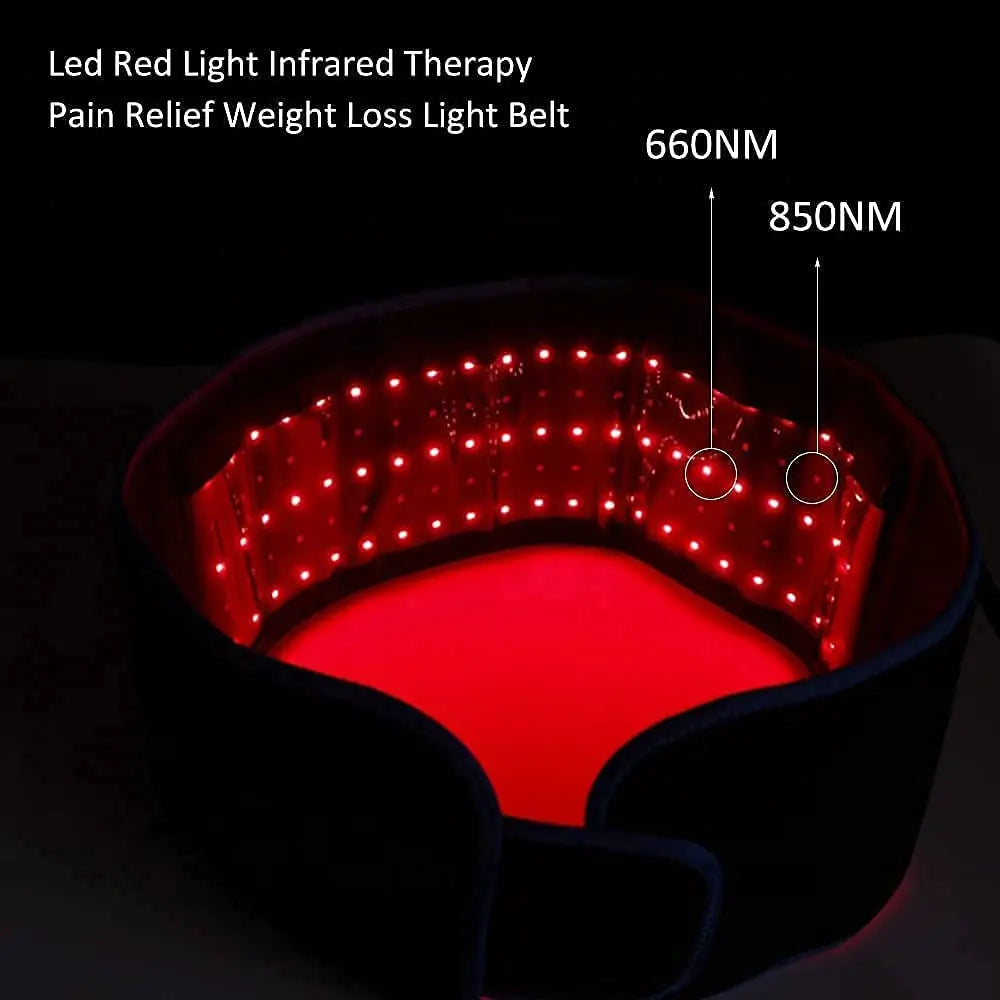
Red light fat cells response explained — See it in action
Millions of people follow diets and exercise programs yet continue to struggle with stubborn fat deposits. Red light therapy offers a non-invasive option that may support fat reduction and body contouring by improving cellular function—not by replacing healthy lifestyle habits.
Important: The best results come from combining consistent treatment sessions with exercise, proper nutrition, hydration, and realistic expectations.
How does red light therapy work for weight loss?
How red and near-infrared light affect mitochondria and ATP
Red light therapy generally uses wavelengths between 630-660 nm , while near-infrared light typically ranges from 810-880 nm . These wavelengths penetrate tissue at different depths and stimulate mitochondria, the structures responsible for producing ATP (adenosine triphosphate), the body's primary cellular energy source.
This process—known as photobiomodulation —may improve cellular efficiency, support tissue recovery, and optimize normal metabolic activity.
How light may influence adipocytes, inflammation, and circulation
Researchers believe photobiomodulation may temporarily increase the permeability of adipocytes (fat cells), allowing stored fatty acids and glycerol to leave the cells. Importantly, current evidence indicates that the fat cells themselves are not destroyed .
Additional proposed effects include:
- Temporary fat cell shrinkage instead of permanent removal
- Improved local blood circulation
- Reduced inflammation that may support recovery after exercise
- Better cellular energy production
Key takeaway: Released fat still needs to be used by the body through normal metabolism or physical activity. This is one reason many experts recommend exercising shortly after treatment sessions.
Does red light therapy burn fat? What clinical studies show
Human study summary
Clinical studies investigating red light therapy for fat loss have produced encouraging—but moderate—results. Most trials report reductions in body circumference, improvements in body contour, or cosmetic changes rather than dramatic decreases in body weight.
Many successful study protocols include:
- 3-5 treatment sessions per week
- Programs lasting 4-12 weeks
- Exercise performed before or after treatment
- Consistent nutrition throughout the study period
Strengths and limitations of current research
The available evidence supports red light therapy as a useful complementary tool, but several limitations remain.
- Many studies involve relatively small sample sizes.
- Treatment protocols vary considerably.
- Devices differ in wavelength, irradiance, and treatment duration.
- Most outcomes focus on circumference reduction rather than total body weight.
Overall, the evidence suggests that red light therapy may contribute to fat loss strategies, especially for body contouring, but it should not be viewed as a replacement for proven weight-management approaches.
Weight loss, fat loss, cellulite, and body contouring: what's the difference?
| Goal | What it means | Can red light therapy help? |
|---|---|---|
| Weight loss | Lower overall body weight | Indirectly, when combined with lifestyle changes |
| Fat loss | Reduction in body fat | May support localized fat reduction |
| Body contouring | Improved body shape and circumference | Evidence is strongest in this area |
| Cellulite appearance | Skin surface texture | Some people notice cosmetic improvement |
Which goals red light therapy may support
If your primary goal is lowering the number on the scale, diet and physical activity remain the foundation. If your goal is improving body contour, reducing waist measurements, or enhancing the appearance of stubborn areas, red light therapy may provide additional benefits when used consistently.
Near infrared light therapy for weight loss: is it different?
Red light vs near infrared
- Red light (630-660 nm): Primarily targets more superficial tissues and skin.
- Near infrared (810-880 nm): Penetrates deeper into muscles and connective tissues.
When combination wavelengths may help
Many modern systems combine both wavelength ranges. While clinical evidence does not clearly show that one wavelength is universally superior for fat loss, combination devices may support multiple treatment goals simultaneously, including:
- Body contouring
- Exercise recovery
- Circulation support
- Treatment of larger body areas
Red light therapy weight loss results: timeline & expectations
Week-by-week expectations
- Weeks 1-2: Few visible changes for most users.
- Weeks 3-4: Some users begin noticing subtle circumference reductions.
- Weeks 5-8: Improved body contour becomes more noticeable with consistent use.
- Weeks 8-12: Continued improvements are possible when healthy habits remain consistent.
Before and after: realistic changes
Realistic outcomes reported in clinical studies often include:
- Approximately 1-3 inches of circumference reduction in treated areas
- Smoother body contours
- Improved skin appearance
- Small or minimal changes in body weight unless calorie intake is also reduced
Individual results vary depending on body composition, treatment consistency, nutrition, exercise, sleep quality, and the device used.
Can red light therapy reduce belly fat?
Spot reduction myth
No device—including red light therapy—can reliably eliminate fat from one specific body part without affecting overall body composition. Spot reduction remains one of the most persistent fitness myths.
Where improvements are most noticeable
The abdomen, waist, hips, and thighs are common treatment areas because circumference changes are easier to measure. Combining treatment with walking, resistance training, or aerobic exercise may help your body utilize released fatty acids more efficiently.
- Use treatment consistently 3-5 times weekly.
- Maintain a calorie deficit if weight loss is your primary goal.
- Stay physically active after sessions whenever practical.
How to use red light therapy for weight loss
Session duration and frequency
- 10-20 minutes per treatment area
- 3-5 sessions each week
- Follow your specific device instructions
Device placement and distance
Most wearable devices sit directly against the treatment area, while panels often work best from approximately 6-12 inches away depending on their output. Always follow manufacturer recommendations.
Combining with exercise and nutrition
- Use before or shortly before exercise if possible.
- Drink adequate water throughout the day.
- Prioritize a protein-rich, balanced diet.
- Maintain a sustainable calorie intake appropriate for your goals.
Red light therapy vs other fat loss methods
| Method | Pros | Cons |
|---|---|---|
| Red Light Therapy | Non-invasive, supports body contouring, minimal downtime | Requires consistency and realistic expectations |
| Cryolipolysis | Targets localized fat reduction | Higher cost and possible side effects |
| Diet & Exercise | Most effective for overall fat loss and health | Cannot target specific areas |
| Massage Tools | Supports circulation and recovery | Limited evidence for fat reduction |
At-home vs clinic red light therapy
Device differences
- Clinic treatments: Higher-powered equipment, supervised sessions, higher cost.
- At-home devices: Lower intensity, lower long-term cost, greater convenience.
Who benefits from each option
People who value convenience and long-term consistency often achieve better adherence with home devices. Those seeking professional guidance or treating multiple concerns may prefer clinic-based treatments.
Key insight: Consistent treatment over several months is often more important than occasional high-intensity sessions.
Safety, side effects, and who should avoid it
Contraindications
- Non-invasive with no UV exposure
- Generally painless
- Little to no recovery time required
Possible temporary effects include mild warmth or slight redness that usually resolves quickly.
When to speak with a healthcare professional
Consult your healthcare provider before treatment if you:
- Are pregnant
- Have photosensitivity disorders
- Take medications that increase light sensitivity
- Have active skin conditions requiring medical care
Eye protection may be recommended when using high-powered light panels, especially if treatment occurs near the face.
Featured product: KentDO™ Red Light Therapy Belt for Fat Burn & Pain Relief
For users committed to a consistent home routine, wearable red light therapy belts offer a practical way to perform regular treatments without scheduling clinic appointments.
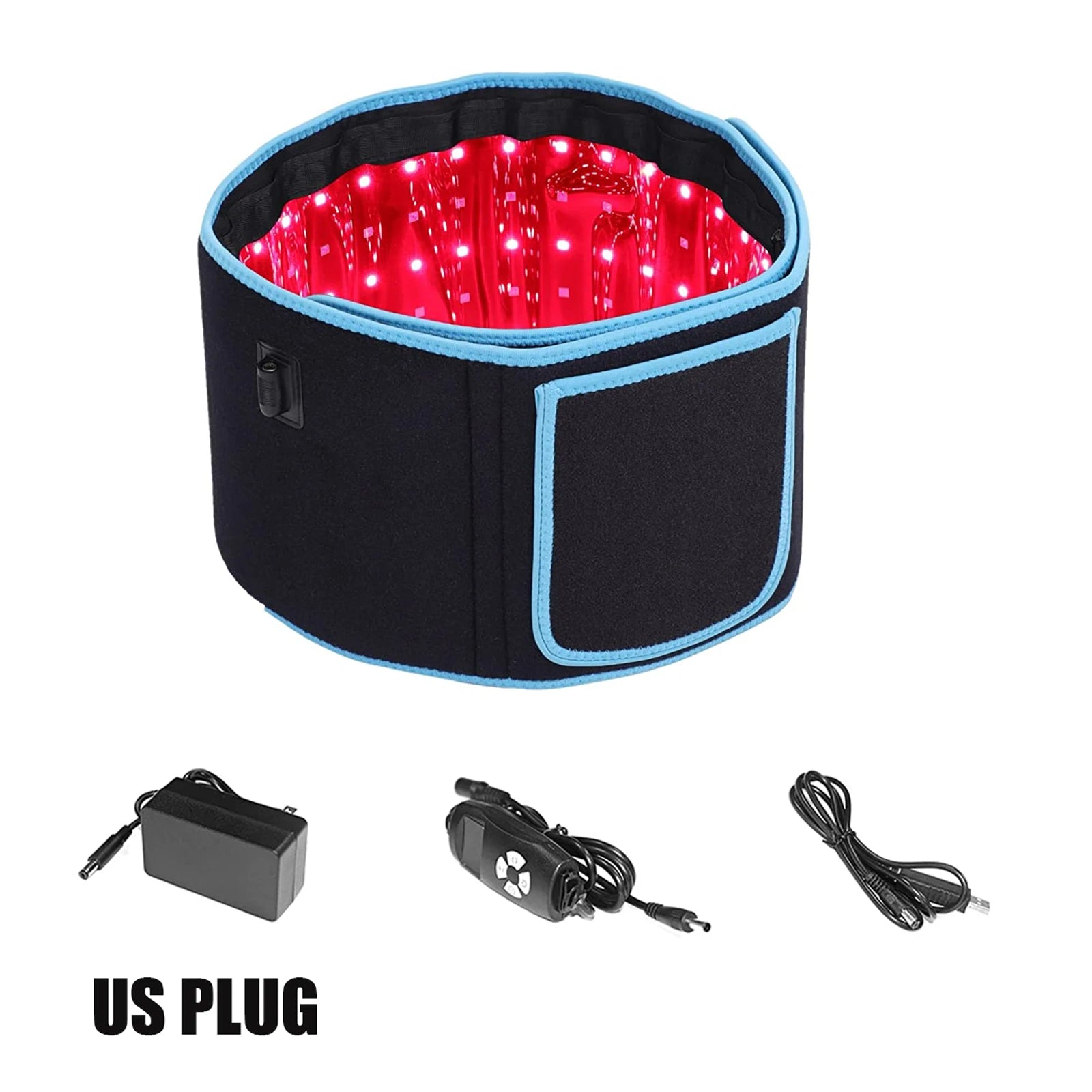
Supporting tools for consistent home red light therapy routines
How it supports consistent home use
- Designed for abdomen and waist treatment areas
- Hands-free design encourages routine adherence
- Suitable for regular at-home treatment schedules
Explore it here: KentDO™ Red Light Therapy Belt for Fat Burn & Pain Relief
FAQs
Does red light therapy really help with weight loss?
It may support fat reduction and body contouring, but meaningful weight loss still depends on nutrition, exercise, and maintaining a calorie deficit.
How often should I use red light therapy for fat loss?
Most research protocols use 3-5 sessions per week for 4-12 weeks, although recommendations vary by device.
Can red light therapy reduce belly fat?
It may improve body contour around the abdomen, but it cannot selectively eliminate belly fat without overall fat loss.
Is near infrared better than red light for weight loss?
Neither has been proven universally superior. Devices combining both wavelengths may provide broader treatment benefits.
Can I use red light therapy with exercise?
Yes. Many experts recommend combining treatment with regular exercise because physical activity helps utilize released fatty acids.
Who should avoid red light therapy?
People with photosensitivity disorders, those taking light-sensitive medications, and anyone who is pregnant should consult a healthcare professional before beginning treatment.
Do at-home devices work for weight loss?
At-home devices may support body contouring when used consistently, although results generally develop more gradually than professional treatments.
What do red light therapy weight loss reviews commonly report?
Many users report improvements in waist measurements, body contour, and treatment convenience rather than dramatic changes in scale weight.
Pillar Article: Noninvasive Fat Reduction: Why This Technology Works Better
Other Related Articles:
Explore More:













