

Non-Invasive Fat Reduction Technology: Complete Guide to Red Light, Infrared, RF & More
Non-invasive fat reduction technology offers a nonsurgical approach to body contouring by targeting localized fat deposits without incisions or lengthy recovery. Modern options—including red light fat reduction, near infrared and red light therapy, radiofrequency (RF), ultrasound, cryolipolysis, and electromagnetic stimulation—use different forms of energy to treat specific areas of the body. While these treatments are not a substitute for overall weight loss, they may help improve body contours when combined with healthy lifestyle habits and realistic expectations.
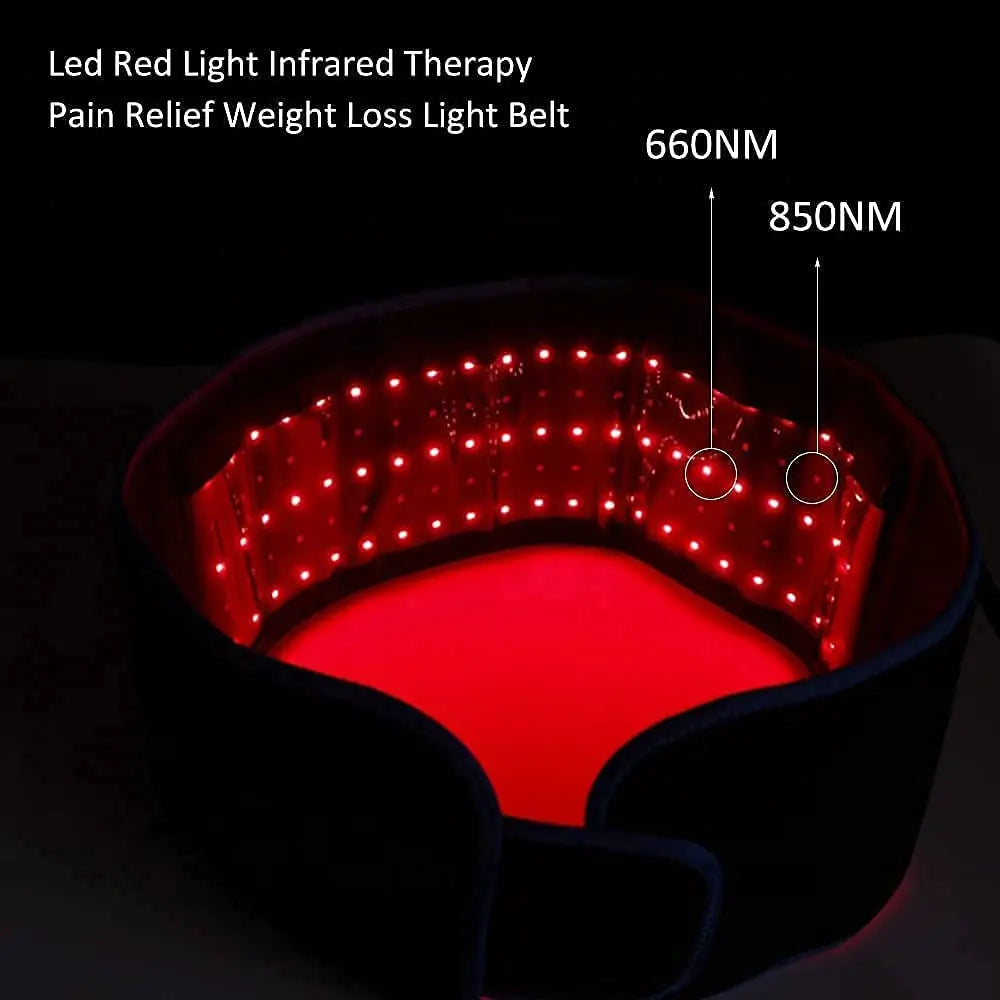
See noninvasive fat reduction in action with red light fat reduction and infrared belts
⏱ 7 min read
What Is Non-Invasive Fat Reduction Technology?
Non-invasive fat reduction technology , also called noninvasive fat reduction , refers to body-contouring treatments that reduce the appearance of stubborn fat without surgery, needles, or significant downtime. Rather than removing fat through an operation, these technologies use controlled cooling, heating, light, ultrasound, or electromagnetic energy to affect targeted tissues in specific body areas.
It is important to distinguish localized body contouring from overall weight loss . Traditional weight loss reduces fat throughout the body by creating a calorie deficit, while non-invasive fat reduction is designed to improve the appearance of resistant fat pockets around areas such as the abdomen, flanks, thighs, upper arms, or hips. As a result, changes are usually measured in body shape or circumference rather than large changes on the scale.
Depending on the technology, non invasive fat melting devices may work through different mechanisms:
- Red light therapy fat loss: Uses low-level light that may encourage temporary fat-cell lipid release as part of body-contouring protocols.
- Near infrared and red light therapy: Combines different wavelengths to reach varying tissue depths for light-based treatment.
- Infrared belts: Deliver localized warmth for comfortable home treatments and body-contouring routines.
- Radiofrequency (RF): Uses controlled heating to target tissue and may also support skin tightening.
- Ultrasound cavitation: Uses focused sound waves designed for localized fat reduction treatments.
- Cryolipolysis: Applies controlled cooling to target fat cells in selected treatment areas.
- EMS technology: Stimulates muscle contractions to improve muscle tone rather than directly targeting fat cells.
Answer: Noninvasive fat reduction technology focuses on localized body contouring rather than overall weight loss. Depending on the device, it uses cooling, heat, light, ultrasound, or electromagnetic energy to target specific areas. Results are typically gradual, vary by technology and individual factors, and are generally best supported by consistent nutrition and physical activity.
Types of Non-Invasive Fat Reduction Technologies
There is no single technology that works best for everyone. Instead, modern non-invasive fat reduction technologies use different energy sources and are intended for different treatment goals. Some are available as professional clinic procedures, while others are designed for regular at-home use.
Red Light Fat Reduction
Red light fat reduction uses low-level visible red wavelengths as part of light-based body-contouring treatments. Current research suggests these wavelengths may temporarily influence fat-cell permeability, allowing stored lipids to be released as part of the body's natural metabolic processes. It is intended for gradual contouring rather than rapid fat loss.
Near Infrared and Red Light Therapy
Near infrared and red light therapy combines visible red and near infrared wavelengths, which penetrate tissue to different depths. Red light primarily affects more superficial tissues, while near infrared reaches deeper layers. Home devices often combine both wavelengths for broader treatment coverage, although outcomes vary between products and users.
Infrared Belts and Wrap Systems
Infrared belts deliver localized heat to treatment areas such as the abdomen, waist, thighs, or hips. These wearable devices are popular for home use because they are easy to apply and comfortable during treatment. While they provide warming sensations, users should maintain realistic expectations and follow manufacturer guidelines for consistent use.
Radiofrequency (RF) Fat Reduction
Radiofrequency technology generates controlled heat within targeted tissues. Professional RF treatments are commonly used for body contouring and may also improve the appearance of mild skin laxity, while lower-powered home devices generally provide gentler treatments over a longer period.
Ultrasound Cavitation
Ultrasound cavitation uses focused sound waves designed to target localized fat deposits. It is primarily performed in professional settings and is intended for body contouring rather than overall weight reduction.
Cryolipolysis (Fat Freezing)
Cryolipolysis uses controlled cooling to target fat cells beneath the skin. Treated fat cells are gradually processed by the body over several weeks or months, making it one of the most established professional body-contouring technologies.
EMS Body Contouring
EMS (electrical muscle stimulation) technology produces repeated muscle contractions to improve muscle conditioning and definition. Unlike technologies that directly target fat tissue, EMS primarily focuses on muscle stimulation, although it may complement broader body-contouring programs.
Red Light Fat Reduction: How Light-Based Technology Works
Red light fat reduction uses low-level visible red wavelengths as part of non-invasive fat reduction technology. Rather than generating intense heat or freezing tissue, these devices expose the treatment area to light within specific wavelength ranges. Researchers have proposed that this light may temporarily increase the permeability of fat-cell membranes, allowing stored lipids to be released and processed naturally by the body. While this mechanism continues to be studied, current evidence suggests that red light therapy is best viewed as a body-contouring tool rather than a standalone fat-loss solution.
Does Red Light Help Fat Loss?
One of the most common questions is whether red light therapy can replace diet or exercise. The available evidence does not support that conclusion. Instead, some studies suggest red light therapy may contribute to modest circumference reduction when used consistently alongside healthy eating and regular physical activity.
- Non-invasive treatment: No needles, incisions, or recovery time are typically required.
- Localized application: Commonly used on the abdomen, thighs, hips, arms, and waist.
- Comfortable sessions: Most users experience little more than gentle warmth from combination devices.
- Best as part of a healthy lifestyle: Balanced nutrition, hydration, and exercise remain important for long-term results.
Near Infrared and Red Light Therapy
Although often grouped together, red light and near infrared light are not identical. Red light primarily affects more superficial tissues, while near infrared wavelengths penetrate deeper beneath the skin. Many home devices combine both wavelengths to provide broader tissue coverage, although treatment goals and expected outcomes vary between products.
Red Light Therapy Fat Loss: What Results Can You Expect?
People considering red light therapy fat loss should have realistic expectations. Visible changes, if they occur, are generally gradual and may involve improvements in body contour or circumference rather than significant changes in body weight. Individual outcomes depend on factors such as treatment frequency, the device used, and overall lifestyle habits.
| Feature | Red Light Therapy | Traditional Diet & Exercise |
|---|---|---|
| Primary Goal | Localized body contouring | Overall weight management |
| Target Area | Specific treatment areas | Whole body |
| Typical Downtime | None | None |
| Expected Timeline | Gradual over multiple sessions | Varies with calorie balance and activity |
| Best Used With | Healthy lifestyle habits | Consistent nutrition and exercise |
Infrared Belts and Heating-Based Fat Reduction
Infrared belts are wearable devices that deliver localized heat, and some models also incorporate near infrared and red light therapy. Their primary purpose is to provide comfortable, targeted treatment sessions for areas such as the waist, abdomen, hips, or thighs. While gentle heating may enhance comfort and temporarily increase local blood flow, users should not assume that warmth alone produces permanent fat-cell reduction.
- Convenient home use: Most devices are designed for sessions lasting approximately 10–30 minutes.
- Targeted treatment: Wrap systems fit common body-contouring areas without restricting movement.
- Combination technology: Some products integrate heat with red and near infrared wavelengths.
- Realistic expectations: Consistent use may support body-contouring goals but should not replace healthy lifestyle habits.
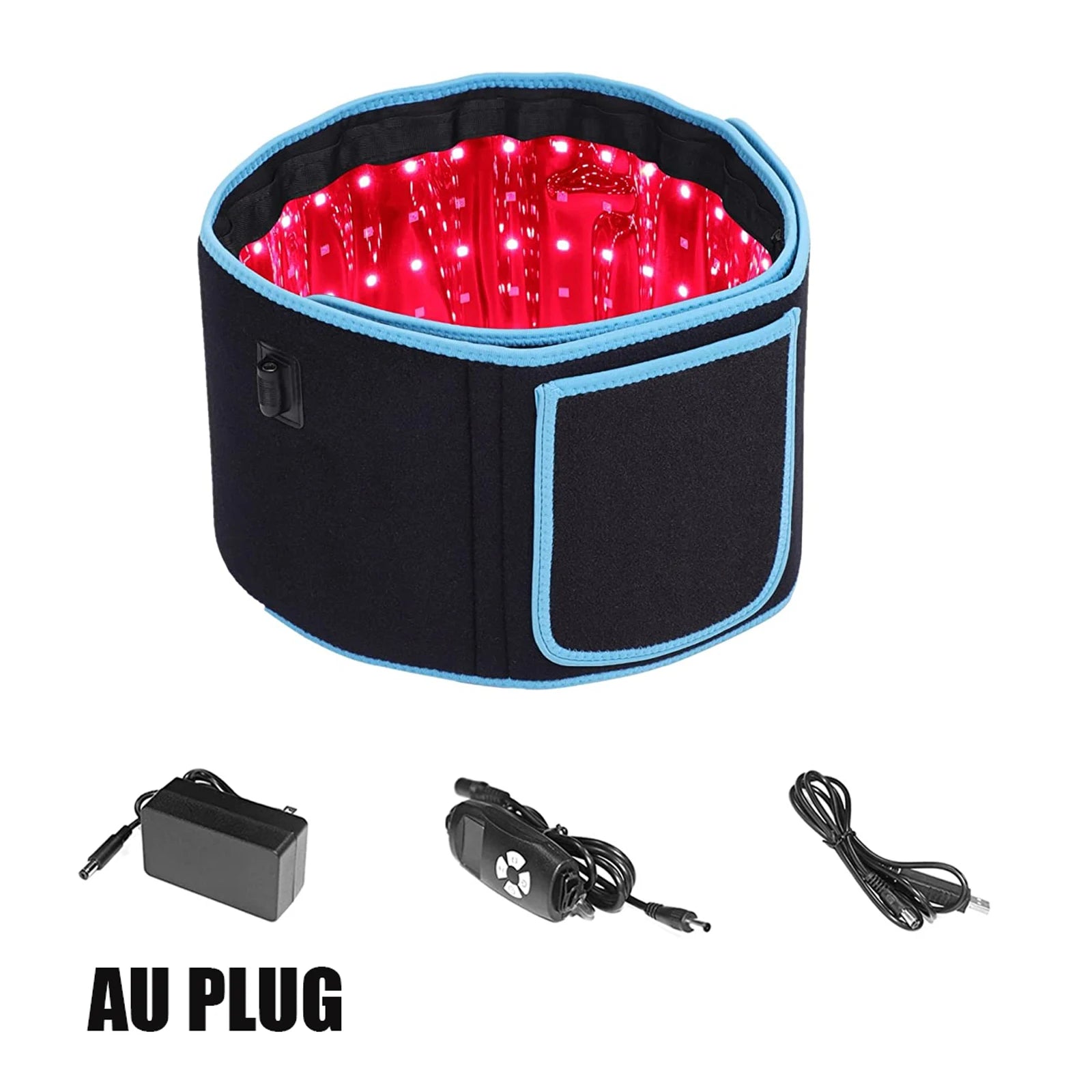
Infrared belts + near infrared and red light therapy support noninvasive fat reduction routines — Try it now
Non-Invasive Fat Reduction Technology Comparison
The comparison below highlights how leading non-invasive fat reduction technologies differ in mechanism, treatment setting, comfort level, expected timeline, and intended treatment goals. Because each technology works differently, no single option is universally best for every person or treatment area.
| Technology | Mechanism | Primary Target | Typical Use | Downtime | Results Timeline |
|---|---|---|---|---|---|
| Red Light Therapy | Low-level visible light | Body contouring | Home or clinic | None | Gradual over several weeks |
| Infrared Belts | Localized heating, sometimes combined with light therapy | Waist, abdomen, thighs | Home | None | Gradual with consistent use |
| Radiofrequency (RF) | Controlled tissue heating | Body contouring and skin tightening | Mostly clinic; some home devices | Minimal to none | Several weeks after treatment series |
| Ultrasound Cavitation | Focused ultrasound energy | Localized fat deposits | Clinic | Minimal | Varies by treatment plan |
| Cryolipolysis | Controlled cooling | Stubborn fat pockets | Clinic | Minimal | Several weeks to months |
| EMS | Electrical muscle stimulation | Muscle conditioning | Home or clinic | None | Gradual with repeated sessions |
Which Non-Invasive Fat Reduction Technology Is Best for You?
The best non-invasive fat reduction technology depends on your treatment goals, preferred setting, comfort level, and expectations. Some technologies are designed for convenient at-home body contouring, while others are professional procedures intended for more intensive treatment. Matching the technology to your priorities is more helpful than looking for a single "best" option.
Best for Home Use
Home users often prefer red light fat reduction devices and infrared belts because they are easy to use, require little setup, and typically involve no downtime. These devices are intended for gradual body contouring with consistent use over several weeks.
- Convenient treatment schedule.
- Comfortable sessions for most users.
- Suitable for maintaining long-term body-contouring routines.
- Best when combined with healthy nutrition and regular exercise.
Best for Cooling-Based Fat Reduction
Cryolipolysis (fat freezing) is a professional treatment that uses controlled cooling to target localized fat deposits. It may be appropriate for people seeking treatment for well-defined fat pockets rather than overall weight loss. Results usually develop gradually as the body processes treated fat cells over time.
Best for Heating and Skin Tightening
Radiofrequency treatments use controlled heating and are commonly selected by people who want body contouring along with improvements in the appearance of mild skin laxity. Professional RF systems generally deliver greater treatment intensity than consumer home devices.
Best for Light-Based Body Contouring
Red light and near infrared technologies are designed for comfortable, non-invasive body-contouring sessions. They are often chosen by individuals who prefer gentle treatments with no recovery period and are willing to commit to consistent use over an extended period.
Best for Muscle Stimulation
EMS technology primarily targets muscles rather than fat cells. It may be a suitable choice for individuals who want to improve muscle tone and definition as part of a broader fitness and body-contouring plan. It should not be viewed as a replacement for weight management or strength training.
When selecting a noninvasive fat reduction option, consider the treatment area, evidence supporting the technology, expected timeline, comfort level, maintenance requirements, and whether professional guidance is appropriate for your health history and goals.
Treatment Timeline: When to Expect Non-Invasive Fat Reduction Results
Results from non-invasive fat reduction technology vary according to the treatment method, device settings, treatment frequency, and individual characteristics. Most technologies are designed to produce gradual improvements rather than immediate changes.
What You May Notice After Early Treatments
During the first one or two weeks, many people notice treatment sensations such as warmth, cooling, or mild muscle contractions depending on the technology used. Visible body-contouring changes are typically limited at this stage.
When Visible Results Typically Develop
- Weeks 2–4: Some users begin to notice subtle changes in body contour or circumference.
- Weeks 4–8: More visible improvements may develop after multiple consistent treatments, depending on the technology.
- Beyond 8 weeks: Professional procedures and ongoing home-device routines may continue to produce gradual changes over time.
Why Maintenance May Be Needed
Body-contouring results are not guaranteed and differ from person to person. Maintaining a stable weight, following healthy lifestyle habits, and using home devices according to manufacturer recommendations may help preserve the appearance of treatment results. Some professional technologies may also require follow-up sessions depending on individual goals.
Safety and Side Effects
When used according to manufacturer instructions or under the guidance of a qualified healthcare professional, most non-invasive fat reduction technologies have favorable safety profiles. However, expected side effects vary depending on whether the treatment uses light, heat, cooling, ultrasound, or electromagnetic stimulation.
Common Temporary Side Effects
- Red light and near infrared devices: Mild warmth or temporary skin redness.
- Radiofrequency treatments: Warmth during treatment with occasional temporary tenderness.
- Ultrasound cavitation: Mild sensitivity or temporary swelling in the treated area.
- Cryolipolysis: Temporary numbness, redness, firmness, or bruising after treatment.
- EMS devices: Tingling sensations and temporary muscle soreness similar to a workout.
These effects are typically mild and short-lived, but individual experiences may differ.
Who May Need Additional Medical Guidance?
Some technologies are not appropriate for everyone. Consult your healthcare provider before treatment if you are pregnant, have an implanted electronic device such as a pacemaker, have certain circulation disorders, active skin infections, or other medical conditions that may affect treatment safety.
Professional Treatments vs. At-Home Devices
Professional clinic systems generally operate at higher energy levels and are administered according to established treatment protocols. Home-use devices are designed with lower output for convenience and routine use, which may produce more gradual body-contouring results. Always follow the manufacturer's instructions regarding treatment duration, frequency, and maintenance.
How to Use Noninvasive Fat Reduction Devices Safely
Choosing the right technology and using it consistently is more important than increasing treatment intensity. Avoid products that promise effortless or immediate weight loss, as noninvasive fat reduction is intended for localized body contouring rather than overall weight reduction.
- Select a device designed for your goals, such as infrared belts or red light panels.
- Read and follow the recommended treatment schedule provided by the manufacturer.
- Position the device only on approved treatment areas.
- Complete sessions for the recommended duration, typically 10–30 minutes depending on the device.
- Maintain healthy nutrition, regular physical activity, and adequate hydration to support overall body composition.
- Inspect and clean the device after each use according to the manufacturer's care instructions.
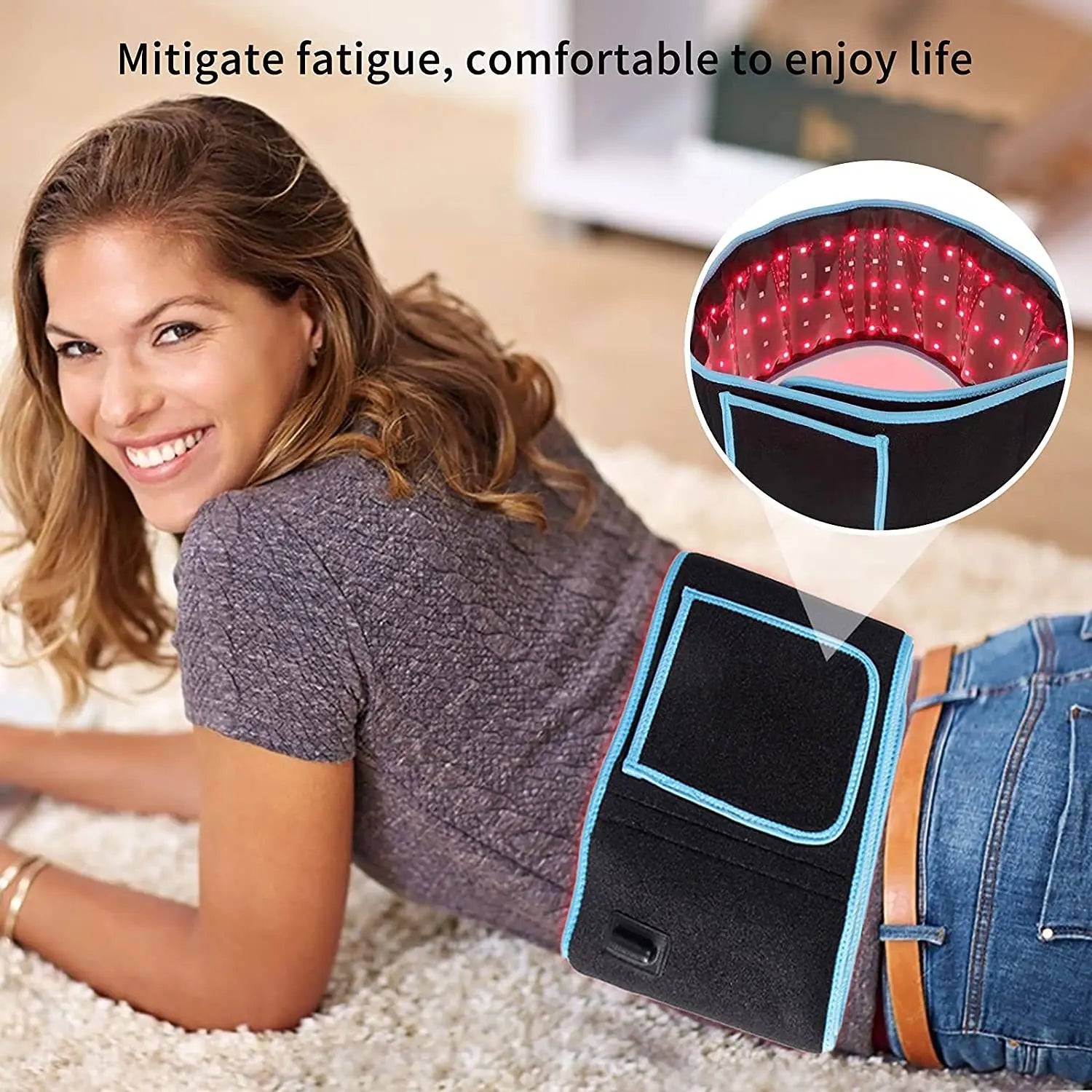
Combine red light fat reduction and infrared belts as part of a consistent body-contouring routine — Get yours now
Who is an Ideal Candidate?
Noninvasive fat reduction is designed for body contouring rather than significant weight loss. The best candidates are individuals with realistic expectations who want to improve the appearance of specific areas without surgery or lengthy recovery.
- Have localized, stubborn fat deposits that persist despite healthy habits.
- Are close to their target weight and wish to refine body contours.
- Prefer non-surgical treatment options with little or no downtime.
- Are willing to complete multiple treatment sessions if recommended.
- Understand that results develop gradually and vary between individuals.
FAQ: Non-Invasive Fat Reduction Technology
What is non-invasive fat reduction technology?
Non-invasive fat reduction technology uses energy such as light, heat, cooling, ultrasound, or electromagnetic stimulation to target localized body-contouring concerns without surgery. Different technologies work through different mechanisms, so expected outcomes vary.
Is noninvasive fat reduction the same as weight loss?
No. Noninvasive fat reduction is intended to improve the appearance of specific treatment areas rather than produce significant overall weight loss. Changes are typically measured in body contour or circumference instead of the number on the scale.
Does red light help fat loss?
Current research suggests that red light fat reduction may support temporary fat-cell lipid release and localized body contouring when combined with healthy lifestyle habits. It should not be considered a substitute for exercise or a treatment that directly causes overall fat loss.
Which non-invasive fat reduction technology works fastest?
Professional technologies such as cryolipolysis, radiofrequency, or ultrasound cavitation may produce visible contour changes sooner than many home devices, although treatment timelines differ and results are never guaranteed.
Are infrared belts effective for fat reduction?
Infrared belts primarily provide localized warming and comfort. Depending on the device and treatment protocol, they may support body-contouring routines, but they should not be expected to deliver the same results as professional fat-reduction procedures.
How long does it take to see results?
Many users notice gradual improvements over several weeks, while some technologies may require multiple sessions before visible changes develop. Individual factors, treatment consistency, and the technology used all influence the timeline.
Can non-invasive fat reduction target specific areas?
Yes. Many treatments are designed for localized areas such as the abdomen, waist, thighs, upper arms, flanks, or under the chin, depending on the device and its intended use.
Are at-home fat reduction devices effective and safe?
Many red light therapy devices are designed for safe home use when used according to the manufacturer's instructions. Because home devices typically operate at lower energy levels than professional systems, results may be more gradual.
Is non-invasive fat reduction permanent?
Depending on the technology, treated fat cells or body contours may remain improved for an extended period. However, maintaining results generally requires stable body weight and healthy lifestyle habits, since remaining fat cells can still enlarge with weight gain.
Related Articles:
- Deep Tissue Therapy Laser Benefits: How It Enhances Real Results
- Is Red Light Therapy Good for Weight Loss? Key Benefits Explained
Pillar Articles:













