

Heated Vest: How It Works + Benefits, Safety, and Real-World Performance
Cold weather shouldn’t dictate how you move, dress, or feel. If you have ever added multiple winter layers only to feel restricted or still uncomfortable in the cold, a lightweight heated vest offers a more targeted approach. Instead of relying only on insulation to trap body heat, a battery powered heated vest actively creates warmth around your core while maintaining freedom of movement.
⏱ 5 min read
Explore how smart warmth can replace bulky winter outfits.
Lightweight electric warming vest for winter layering without bulk See it in action
How Heated Vests Work (Step-by-Step)
Understanding how heated vests work starts with a simple idea: a heated vest converts stored battery energy into controlled warmth through built-in heating elements. Unlike traditional winter clothing that only slows heat loss, portable heated clothing actively generates heat and delivers it directly to key areas of the torso.
The heating process follows a straightforward energy path:
- The rechargeable battery stores electrical energy.
- The battery sends power through internal wiring to the heating elements.
- The heating panels convert electrical energy into gentle radiant warmth.
- The temperature controller adjusts heat output based on the selected setting.
- The vest distributes warmth through targeted heating zones around the body.
Battery Power System
A rechargeable battery pack is the power source behind a battery powered heated vest. Most models use compact lithium batteries designed to provide several hours of portable warmth without limiting mobility.
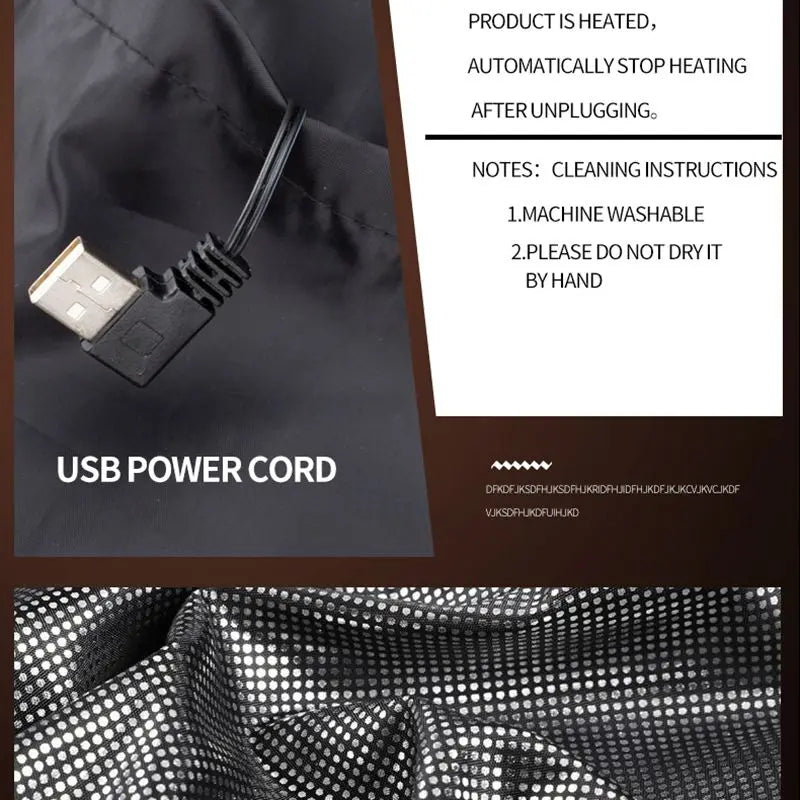
The battery connects to the vest through a dedicated cable or USB-compatible connection. Once activated, electricity flows through the heating system and begins warming the panels within seconds.
Battery performance depends on several factors, including:
- Battery capacity
- Selected heat level
- Outdoor temperature
- Wind exposure and insulation layers
Heating Elements (Carbon Fiber vs Metal Wire)
Modern heated vests typically use flexible carbon fiber heating elements because they provide a lightweight and comfortable heating solution. Carbon fiber panels can spread warmth across larger areas while maintaining flexibility during movement.
Older heated clothing designs often relied on metal wire heating systems. While effective, traditional wire elements may be heavier and less flexible compared with newer carbon fiber technology.
- Carbon fiber heating elements: Lightweight, flexible, and designed for even heat distribution
- Metal wire heating elements: Older technology that may feel less flexible
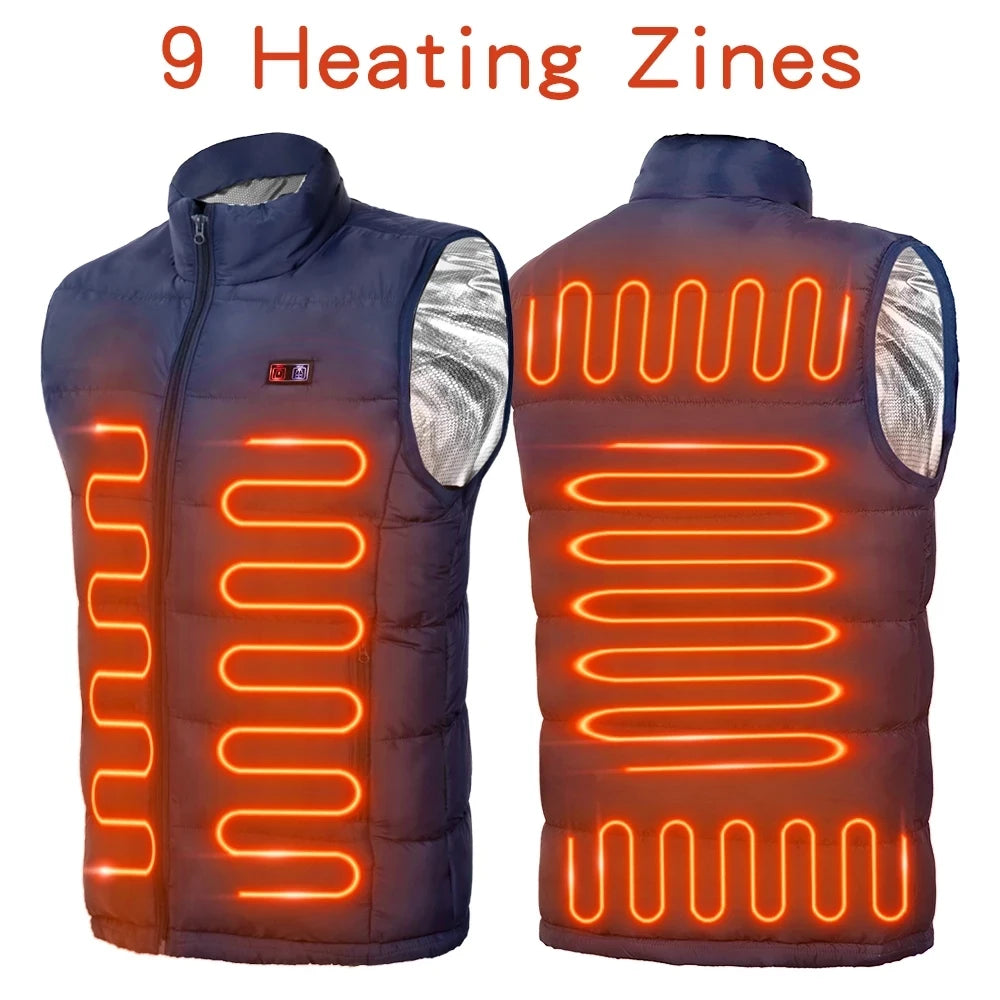
- Multi-zone heating: Improves coverage by warming multiple areas of the torso
Temperature Control Technology
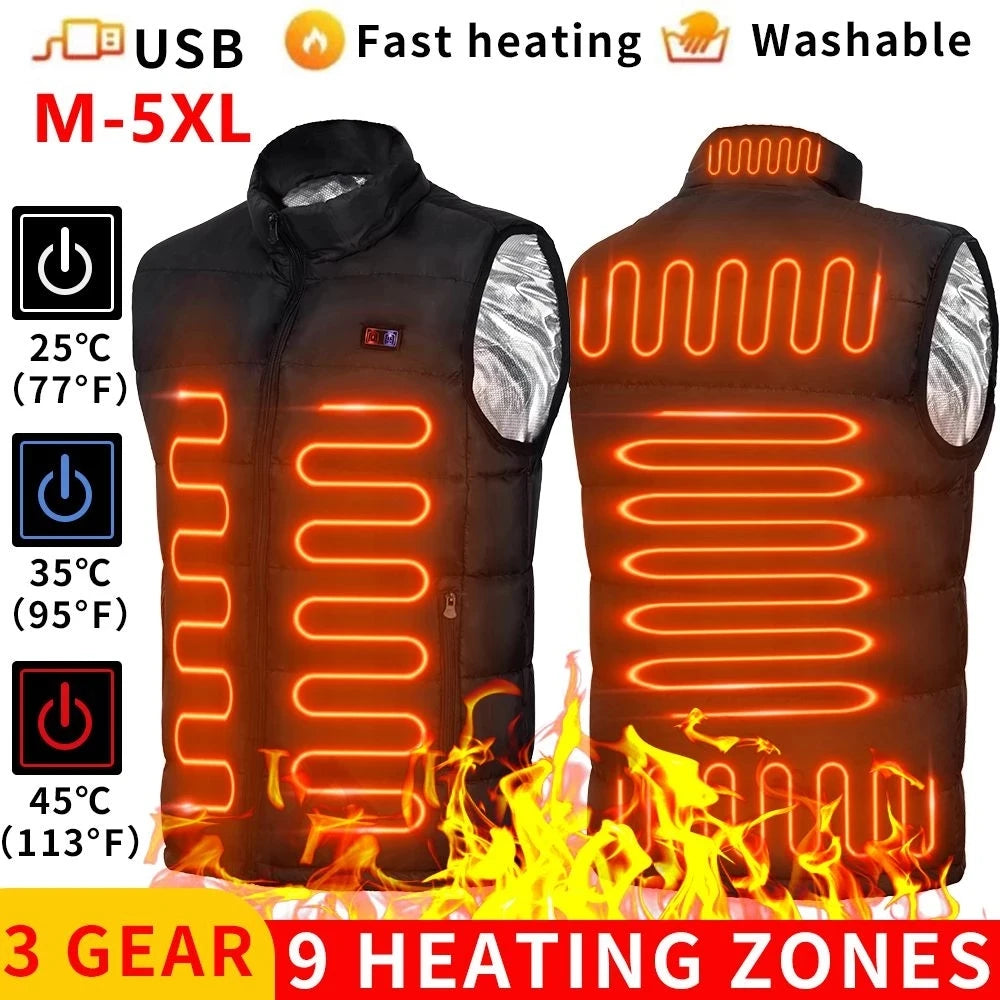
Heated vests use temperature controls to help users adjust warmth based on changing conditions. Most rechargeable heated vest designs include low, medium, and high settings so users can balance comfort and battery usage.
Adjustable heat control is especially useful when moving between different environments, such as entering a warm building after spending time outdoors.
Heat Distribution Zones
Heating zones are positioned around areas where the body benefits most from additional warmth. Common placement areas include:
- Upper back
- Chest
- Neck or collar area
- Lower back on select models
By focusing warmth around the torso, heated vests help create comfortable heat coverage without adding the weight of traditional bulky winter clothing.
Step-by-Step Heating Process
When a heated vest is turned on, the system works through several coordinated components:
- Power activation: The user presses the control button to start the heating system.
- Energy transfer: The rechargeable battery sends electricity through internal wiring.
- Heat generation: Carbon fiber heating panels transform electrical energy into warmth.
- Heat adjustment: Temperature controls regulate output according to the selected setting.
- Warmth retention: The vest fabric helps maintain comfort by reducing heat loss.
This combination of active heating and lightweight insulation is why heated vests have become popular for cold-weather activities where freedom of movement matters.
Electric Heated Vest Benefits
Electric heated vests provide active warmth that traditional winter clothing cannot offer on its own. By combining built-in heating technology with lightweight materials, these vests help users stay comfortable in cold conditions while reducing dependence on heavy outer layers.
The main advantage of a lightweight heated vest is targeted heating. Instead of adding more insulation everywhere, it delivers adjustable warmth around the core where maintaining comfort is most important.
Lightweight Warmth
One of the biggest electric heated vest benefits is warmth without unnecessary bulk. A heated vest can replace some heavier winter layers by providing direct heat through integrated heating panels while maintaining a slimmer profile.
This makes it useful for situations where staying warm and staying mobile are equally important, such as commuting, traveling, outdoor activities, or working in changing temperatures.
Improved Mobility
A lightweight heated vest allows greater freedom of movement compared with thick insulated jackets and multiple clothing layers. The reduced bulk makes it easier to move your arms and shoulders naturally during daily activities.
This improved mobility is especially valuable for outdoor workers, cyclists, hikers, and anyone who needs reliable warmth without feeling restricted by heavy winter clothing.
Energy Efficient Heating
Unlike traditional insulation that only traps existing body heat, heated vests actively generate warmth using battery-powered heating elements. This targeted approach helps focus energy on areas where additional heat is needed most.
Adjustable temperature settings also allow users to manage power consumption. Lower heat settings can extend battery life during longer activities, while higher settings provide additional warmth when temperatures drop.
All-Day Comfort
A rechargeable heated vest is designed for changing environments throughout the day. Users can adjust heat levels when moving between cold outdoor conditions and warmer indoor spaces without needing to add or remove multiple layers.
Breathable materials, flexible heating panels, and customizable temperature control help create a more comfortable cold-weather experience.
Are Heated Vests Safe to Use?
Modern heated vests are designed with electrical safety features that help provide reliable warmth during everyday use. High-quality battery powered heated vests typically include protective systems that monitor temperature, manage power flow, and reduce the risk of overheating.
Following proper usage and care instructions, such as using compatible batteries and keeping electrical components protected, helps maintain safe performance over time.
Built-In Safety Features
Most modern heated vests include multiple safety systems designed to support comfortable and dependable operation.
- Overheat protection: Helps prevent excessive temperatures by regulating heat output.
- Short circuit protection: Helps protect electrical components from power-related issues.
- Temperature monitoring: Maintains more consistent warmth during use.
- Auto shutoff technology: Provides additional protection by stopping operation when necessary.
Auto Shutoff Technology
Many heated vests use automatic shutoff systems to help maintain safe temperature levels. If the system detects conditions outside its normal operating range, power management features can reduce or stop heating output.
This feature provides added confidence for users who wear heated clothing during extended outdoor activities.
Temperature Sensors
Integrated temperature sensors help regulate heat distribution and maintain a comfortable level of warmth. Instead of producing uncontrolled heat, these systems allow the vest to adjust performance based on the selected setting and operating conditions.
For long-term performance, users should follow manufacturer care instructions, remove the battery before washing, and inspect cables and connectors regularly for proper maintenance.
Heated Vest Battery Performance
The battery is one of the most important components of a battery powered heated vest because it determines how long the heating system can operate and how consistently warmth is delivered. Battery performance depends on capacity, voltage, selected temperature level, weather conditions, and how efficiently the vest manages power.
Battery Capacity and Voltage
Rechargeable heated vests typically use lithium-ion battery packs designed to provide portable power without adding excessive weight. Battery capacity is usually measured in milliamp-hours (mAh) or watt-hours (Wh), which indicate how much energy the battery can store.
A higher-capacity battery generally provides longer heating time, although it may also increase the overall weight of the vest. Voltage affects how efficiently electrical energy is delivered to the heating elements and helps determine the vest’s heating performance.
When choosing a rechargeable heated vest, consider:
- Battery capacity: Higher capacity can support longer operation between charges.
- Voltage output: Determines how power is delivered to the heating system.
- Battery size and weight: Affects comfort during extended wear.
- Charging compatibility: Ensures convenient everyday use.
Runtime by Heat Setting
Battery runtime varies depending on the selected temperature level. Higher heat settings provide stronger warmth but consume more power, while lower settings extend operating time.
- Low heat: Approximately 6–10 hours depending on battery capacity and conditions
- Medium heat: Approximately 4–6 hours for balanced warmth and battery usage
- High heat: Approximately 2–4 hours when maximum warmth is needed
Actual runtime may differ based on outdoor temperature, wind exposure, insulation layers, and how frequently the heating system cycles on and off.
Recharge Time Expectations
A rechargeable heated vest battery typically requires around 2–4 hours to reach a full charge, depending on battery capacity and charging method.
For reliable performance, it is recommended to fully charge the battery before longer outdoor activities and avoid storing the battery completely drained for extended periods.
Battery Efficiency Tips
Proper battery management can help maximize warmth and extend usage time in cold environments.
- Start with a higher heat setting to warm the vest quickly, then reduce the temperature to maintain comfort.
- Keep the battery protected from extreme cold, as low temperatures can reduce battery efficiency.
- Use appropriate outer layers to help retain generated heat.
- Recharge the battery after use so it is ready for the next activity.
- Follow manufacturer instructions for storage, charging, and maintenance.
Portable heat clothing for everyday movement See it in action
Who Benefits Most From Portable Heat Clothing?
Portable heated clothing is designed for people who need flexible warmth without relying on heavy winter gear. A lightweight heated vest can be especially useful for daily activities where comfort, movement, and temperature control are important.
- Minimalist dressers: Stay comfortable in cold weather while reducing the need for bulky coats and multiple layers.
- Outdoor commuters: Maintain warmth during walks, cycling, and transportation in colder conditions.
- Active users: Enjoy better mobility during outdoor activities where thick clothing can feel restrictive.
- Cold-sensitive individuals: Add adjustable warmth when moving between indoor and outdoor environments.
Many users pair their vest with everyday essentials found in the Lifestyle collection to build a streamlined cold-weather routine.
Heated Vest vs Traditional Winter Layers
Choosing between a heated vest and traditional winter layers depends on how you use your clothing in cold conditions. Traditional layers rely on passive insulation to trap existing body heat, while a heated vest uses active heating technology to create additional warmth.
For people looking for winter clothing without bulk , a heated vest can provide a more flexible solution by combining lightweight materials with adjustable heat output.
Passive vs Active Insulation
Traditional winter clothing uses passive insulation materials such as fleece, wool, or synthetic fills. These materials slow down heat loss but do not create additional warmth.
A heated vest uses active insulation by powering built-in heating elements that generate controlled warmth. This allows users to adjust heat levels based on activity, weather conditions, and personal comfort.
| Feature | Heated Vest | Traditional Layers |
|---|---|---|
| Heating method | Active heat generation through battery-powered panels | Passive insulation that traps body heat |
| Warm-up speed | Provides noticeable warmth within minutes | Depends on fabric thickness and insulation |
| Weight | Lightweight design with targeted heating | Can become heavier with multiple layers |
| Mobility | Allows greater freedom of movement | May restrict movement when many layers are added |
| Warmth distribution | Targets key areas such as chest and back | Relies on overall insulation coverage |
Warmth-to-Weight Comparison
A major advantage of a lightweight heated vest is the ability to achieve comfortable warmth without adding excessive clothing weight. Instead of wearing several thick layers, users can add targeted heat around the core while maintaining a slimmer profile.
This warmth-to-weight balance makes heated vests useful for commuting, outdoor activities, travel, and situations where carrying bulky winter clothing is inconvenient.
When to Combine Both
A heated vest does not always replace traditional winter clothing. In very cold environments, combining active heating with insulation can provide better overall protection.
A common best heated vest for winter layering approach includes:
- Wear a lightweight base layer to manage moisture and comfort.
- Add the heated vest as the active warming layer.
- Use an outer jacket or weather-resistant layer when facing wind, snow, or extreme temperatures.
- Adjust the vest temperature instead of adding unnecessary clothing layers.
This layered approach allows users to adapt quickly between indoor and outdoor environments while maintaining comfort.
This approach pairs well with wellness-focused accessories from the Body Care and Health Devices collection for full cold-season comfort.
Winter layering without bulk made easy See it in action
Frequently Asked Questions About Heated Vests
How do heated vests generate heat?
Heated vests generate heat by using electricity from a rechargeable battery to power built-in heating elements. The battery sends energy through internal wiring to carbon fiber heating panels, which convert that energy into controlled warmth across targeted areas such as the chest and back.
What are carbon fiber heating elements?
Carbon fiber heating elements are flexible components used in many modern heated vests to create lightweight and evenly distributed warmth. Compared with older heating wire systems, carbon fiber designs are typically more flexible and better suited for comfortable everyday movement.
How long does a rechargeable heated vest battery last?
A rechargeable heated vest battery typically lasts between 2 and 10 hours depending on battery capacity, selected heat setting, outdoor temperature, and usage conditions. Lower heat settings usually provide longer runtime, while higher settings consume more power for stronger warmth.
Can you wear a heated vest under a winter jacket?
Yes. A heated vest is often designed to be worn as a middle layer between a base layer and an outer jacket. This combination helps trap generated warmth while providing additional protection from wind, snow, and cold temperatures.
Do heated vests work in freezing temperatures?
Yes, heated vests can provide additional warmth in freezing conditions when used with appropriate winter layers. For the best performance in extreme cold, combine active heating with insulation and weather-resistant outer clothing.
Are heated vests safe to wear all day?
Modern heated vests are designed for extended use when operated according to manufacturer instructions. Built-in temperature controls, overheat protection, and power management systems help maintain comfortable and controlled warmth throughout wear.
Can heated vests be washed?
Most heated vests can be cleaned after removing the battery pack and following the manufacturer’s care instructions. Always disconnect electrical components before washing and avoid exposing battery connectors to moisture.
Do heated vests use a lot of battery power?
Battery usage depends on the heat setting and battery capacity. High heat levels consume more power, while lower settings help extend runtime. Using proper layering and adjusting heat only when needed can improve battery efficiency.
Pillar Article: Wearable Winter Heating Apparel for Active Cold Lifestyles
Other Related Articles:
Explore More:













