

Does a heated vest without bulky layers really work?
Yes, a heated vest without bulky layers can effectively keep you warm by focusing heat where your body loses it fastest: the core. Unlike an insulated vest that only traps existing body heat, a heated vest uses battery-powered heating elements to actively generate warmth around areas such as the chest and back. This makes heated vests effective for people who want warmth, mobility, and less dependence on thick winter clothing.
Understanding how heated vests work and how they compare with traditional insulation explains why many people choose an electric warming vest for commuting, outdoor activities, and everyday cold-weather comfort.
Do Vests Keep You Warm? Science, Real Use Cases, and When They Work Best
Do Vests Actually Keep You Warm? (Quick Answer)
Yes, vests keep you warm by protecting your core—the area where your body loses heat most efficiently in cold conditions. By insulating your chest and back while leaving your arms unrestricted, a vest helps retain warmth without the weight and limited movement often associated with full winter jackets.
However, the level of warmth depends on the type of vest. Traditional insulated vests rely on materials such as down or synthetic fibers to slow heat loss, while heated vests actively create warmth using built-in heating elements. This additional heat generation can make them especially useful when temperatures drop, activity levels are low, or you need consistent comfort outdoors.
Vests are most effective when used in the right conditions. They work well for daily commuting, walking, outdoor work, and layering systems where maintaining core warmth is the priority. In extreme cold, wind, or wet environments, a vest may need to be combined with additional protective layers.
How Do Vests Keep You Warm? (The Science Explained)
Core Body Heat Loss in Winter
To understand how do vests keep you warm , it helps to understand how your body manages temperature. In cold environments, your body works to maintain a stable internal temperature by protecting vital organs located near your core. Heat naturally escapes from areas such as the chest and back, especially when exposed to cold air, wind, or prolonged outdoor conditions.
When your core temperature begins to drop, your body responds through thermoregulation by reducing heat loss and prioritizing warmth for essential areas. This can make your hands, feet, and arms feel colder because circulation patterns change to help protect your core.
Why Insulating Your Core Matters Most
Vests are effective because they concentrate insulation around the torso instead of distributing material across the entire body. Since the chest and back are central areas for heat retention, protecting your core can help you feel warmer while keeping your arms free for movement.
This sleeveless design creates an efficient balance between warmth and mobility. A well-designed vest can provide meaningful insulation without the added bulk of heavy sleeves, making it easier to move naturally during outdoor activities.
Heat Retention vs Heat Generation
There are two main ways a vest helps you stay warm: retaining heat and generating heat.
- Insulated vests: Trap the warmth your body already produces using materials such as down, synthetic insulation, fleece, or wool.
- Heated vests: Add active warmth through battery-powered heating elements that transfer heat directly to targeted areas.
Traditional insulation is useful because it slows heat escape, but it cannot create additional warmth. Heated vests work differently by producing consistent heat even when your body is not generating enough warmth on its own, which is why many users ask, are heated vests effective during colder weather.
How Layering Reduces Heat Loss
Effective winter clothing works by managing heat transfer through multiple layers. A base layer helps manage moisture, an insulating layer traps warmth, and an outer layer protects against wind and precipitation.
A heated vest can act as a flexible middle layer by adding warmth directly to the core while allowing other layers to remain lighter. This approach can reduce the need for multiple bulky garments while still supporting protection from cold conditions.
How Do Heated Vests Work?
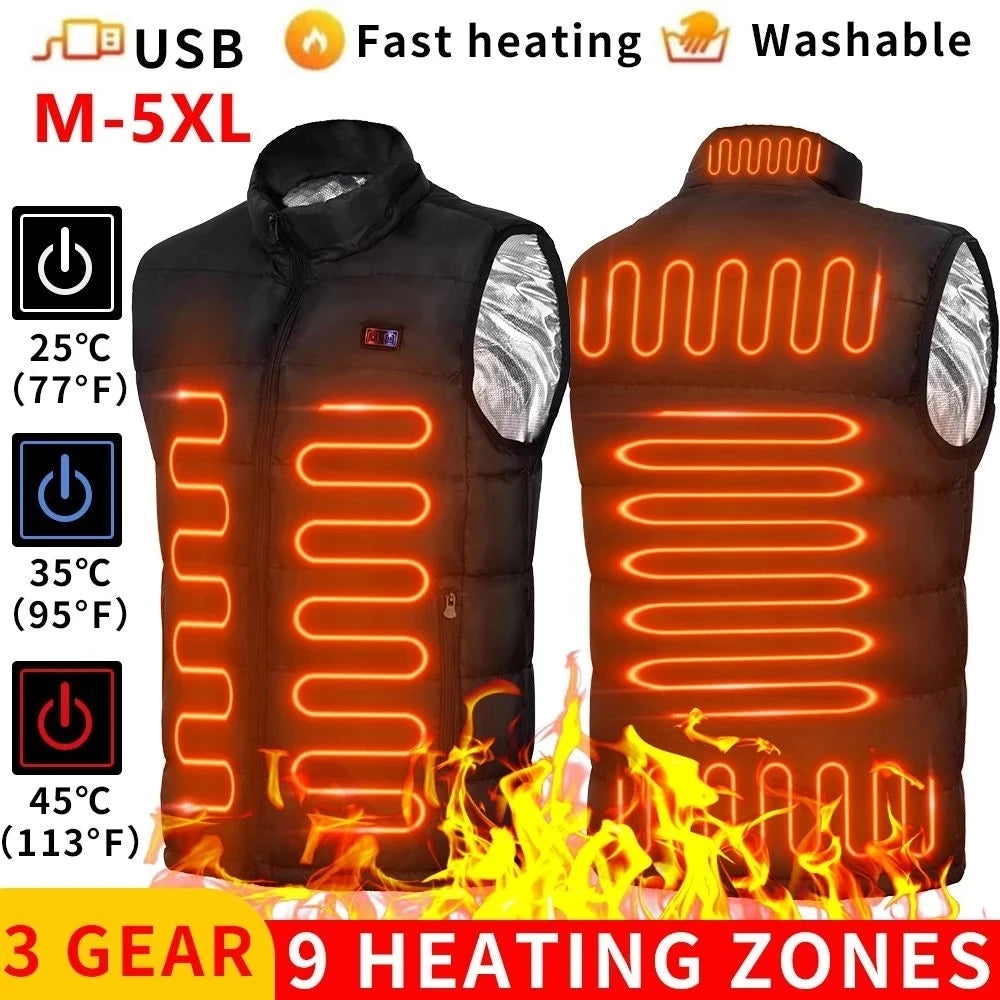
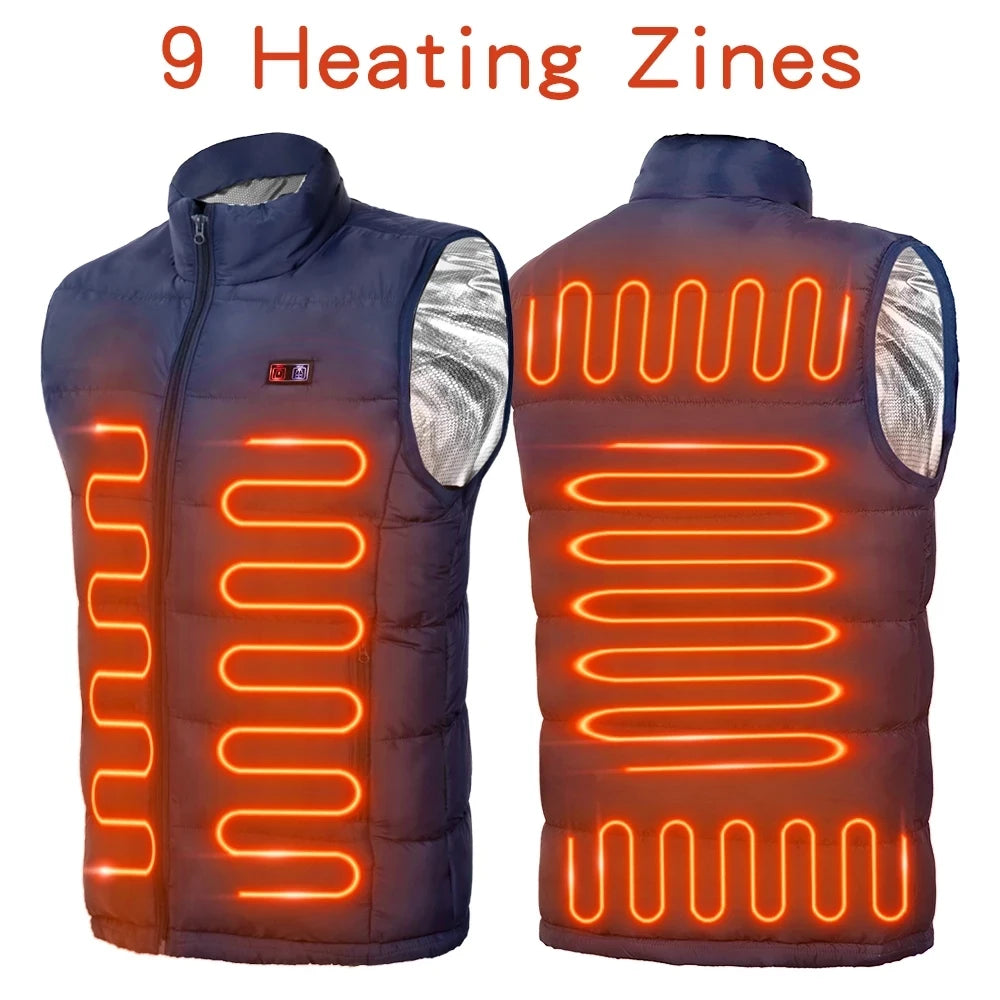
How do heated vests work? They use thin electrical heating panels powered by a rechargeable battery. These heating zones are typically placed around the chest, upper back, or other core areas where additional warmth is most noticeable.
When activated, the heating elements convert battery energy into heat that transfers through the fabric to your body. Many modern heated vests include adjustable temperature settings, allowing users to increase or reduce warmth depending on outdoor conditions, activity level, and personal comfort.
Because heated vests combine insulation with active heat generation, they provide a practical alternative for people who want winter warmth without relying only on thick layers.
Cold weather should not mean sacrificing comfort, movement, or flexibility. If bulky winter layers feel restrictive and you still struggle to stay warm, a slim heated vest offers another approach by combining targeted warmth with everyday mobility.
⏱ 7 min read
Lightweight warmth without bulky winter layers uncomfortable — See it in action
Why Bulky Winter Layers Often Feel Uncomfortable
Traditional winter dressing often depends on adding more layers, but extra clothing does not always create better comfort. Thick coats, multiple sweaters, and heavy fabrics can trap warmth unevenly while adding unnecessary weight and reducing freedom of movement.
The problem is that bulky clothing does not always address the main cause of feeling cold: core body heat loss winter conditions create. When your torso loses warmth, your body naturally works to protect its core, which can make your hands, feet, and extremities feel colder even when you are wearing several layers.
For many people, the better bulky winter layers alternative is a more efficient approach that focuses insulation or active heating where it matters most. A lightweight vest can provide core warmth while allowing easier movement and better temperature control throughout the day.
- ❌ Limited range of motion: Multiple thick layers can make everyday movements feel restrictive.
- ❌ Uneven warmth distribution: Extra fabric does not always provide targeted heat where your body needs it most.
- ❌ Added weight and fatigue: Heavy winter clothing can become uncomfortable during long wear.
- ❌ Poor temperature flexibility: Removing several layers when moving indoors can be inconvenient.
Heated Vest Without Bulky Layers: Does It Really Work?
A heated vest without bulky layers works by combining lightweight insulation with battery-powered warmth. Instead of relying only on your body to create heat, an electric warming vest uses built-in heating elements to deliver warmth directly to key areas such as the chest and back.
This active heating approach makes heated vests effective for situations where traditional layers may feel too heavy or inconsistent. By maintaining warmth around the core, a heated vest helps support comfort while keeping your arms free for natural movement.
The biggest advantage is adaptability. Users can adjust heat settings based on weather, activity level, and personal comfort rather than adding or removing several layers throughout the day.
Key Benefits You Feel Almost Immediately
- ✔ Fast warmth within minutes: Heating zones provide noticeable warmth without waiting for multiple layers to trap body heat.
- ✔ Lightweight comfort: Slim designs fit easily under jackets, coats, or sweaters without creating excessive bulk.
- ✔ Adjustable temperature control: Different heat levels allow users to adapt to changing outdoor conditions.
- ✔ Improved mobility: A sleeveless design keeps shoulders and arms unrestricted during daily activities.
- ✔ Everyday practicality: Heated vest benefits are most noticeable during commuting, walking, outdoor work, and extended time in cool environments.
Heated Vest vs Traditional Winter Layers
| Feature | Heated Vest Without Bulky Layers | Traditional Layering |
|---|---|---|
| Warmth Delivery | Active core heating through battery-powered warming zones | Passive insulation that traps existing body heat |
| Mobility | Sleeveless design allows greater freedom of movement | Multiple layers can feel restrictive around shoulders and arms |
| Weight | Lightweight and designed for flexible layering | Can become heavy when several garments are combined |
| Temperature Control | Adjustable heat settings for changing conditions | Requires adding or removing layers manually |
| Best Scenarios | Commuting, outdoor activities, travel, and daily cold-weather use | Long exposure where maximum insulation is the priority |
When comparing a heated vest vs bulky winter layers , the key difference is how warmth is delivered. Traditional clothing focuses on reducing heat loss, while heated vests add controlled warmth directly to the body. This makes them especially useful for people who want a balance of comfort, flexibility, and reliable warmth.
However, a heated vest is not designed to replace every winter garment. In severe cold, wind, or wet environments, it works best as part of a complete layering system with appropriate outer protection.
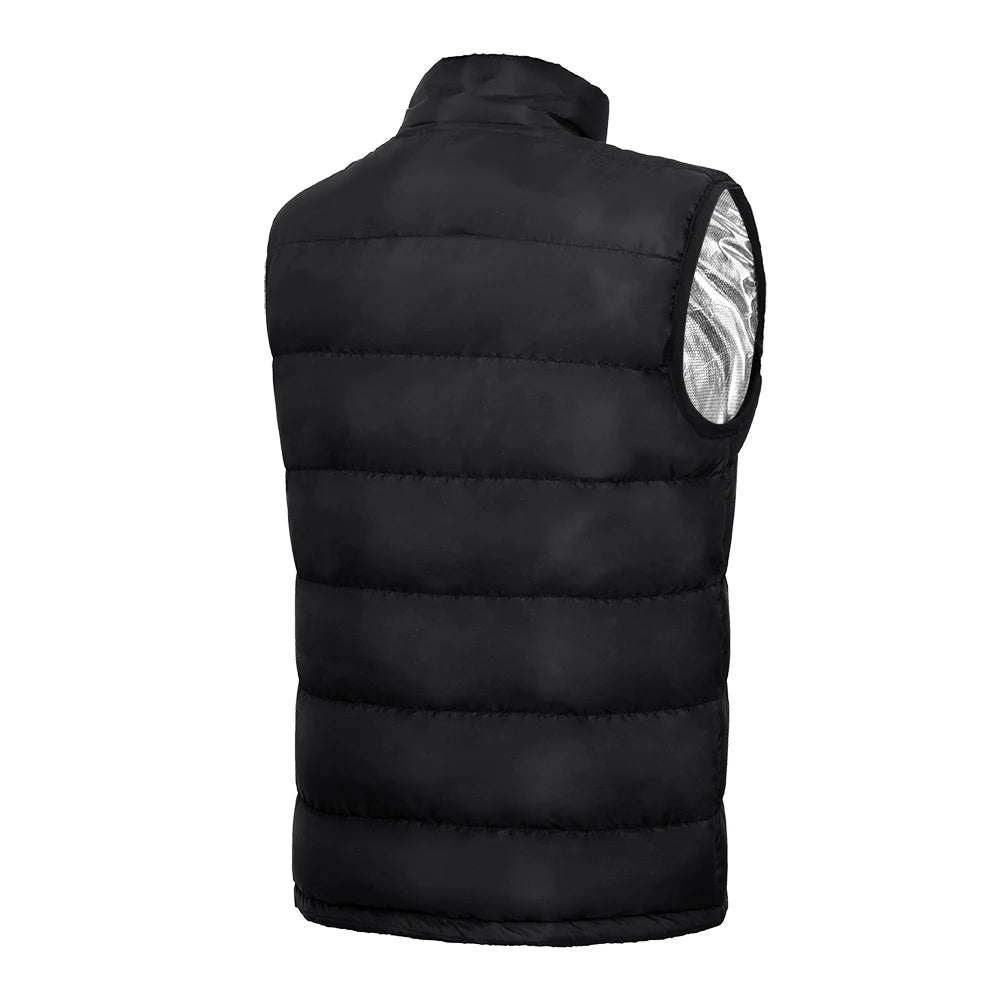
Targeted warmth reduces core body heat loss winter brings — See it in action
When a Vest Is Enough — and When It’s Not
Whether a vest is enough depends on temperature, wind conditions, moisture, and your activity level. Understanding do heated vests work in winter requires looking beyond the temperature alone. A heated vest can provide excellent core warmth, but the right layering approach changes as conditions become more demanding.
Mild Cold (5–15°C / 40–60°F)
In mild cold, a vest is often enough when paired with a lightweight base layer. A heated vest can provide comfortable warmth during walking, commuting, outdoor errands, or casual activities without causing overheating.
Because temperatures in this range are usually manageable, the main goal is maintaining comfort while avoiding unnecessary bulk. A sleeveless design allows better airflow and movement compared with heavier jackets.
Moderate Cold (-5–5°C / 20–40°F)
In moderate cold, a vest works best as part of a flexible layering system. Wearing a heated vest beneath a light jacket or weather-resistant outer layer helps trap warmth while protecting against cooler air and changing conditions.
This combination is especially useful for people who spend extended periods outdoors because it allows the body to maintain core warmth without relying on multiple thick garments.
Extreme Cold (Below -5°C / 20°F)
In extreme cold, a vest alone is usually not enough protection. A heated vest should be combined with an insulated outer layer, gloves, and other cold-weather gear to reduce heat loss from exposed areas such as the arms, neck, and legs.
In these conditions, the purpose of a heated vest is to provide an additional source of core warmth rather than replace a complete winter protection system.
How Wind, Moisture, and Activity Change Warmth
Temperature is only one factor that affects how warm a vest feels. Wind can remove heat from the body faster, while moisture from rain, snow, or sweat can reduce insulation performance.
- Wind: A wind-resistant outer layer helps prevent cold air from reducing the effectiveness of your heated vest.
- Moisture: Staying dry helps insulation and heating systems perform more effectively.
- Activity level: High movement activities such as hiking or cycling generate more body heat, while standing still outdoors requires more external warmth.
The best results come from matching your vest and layering strategy to your environment, activity level, and expected exposure time.
Who Benefits Most From Wearing a Vest?
Active Outdoor Users
Hikers, cyclists, runners, and outdoor workers often benefit from vests because they provide warmth without restricting arm movement. This makes them useful during activities where mobility, flexibility, and temperature control are important.
A heated vest can help active users adjust warmth during changing conditions, especially when moving between periods of high activity and rest.
Daily Commuters
People who travel between indoor and outdoor environments often prefer vests because they provide a practical balance of warmth and convenience. A lightweight heated vest can be worn under a coat during colder commutes or used alone during milder weather.
For everyday wear, the main advantage is reducing the need to carry or remove multiple bulky layers throughout the day.
People Sensitive to Cold
Individuals who feel cold easily may find insulated and heated vests useful because they focus warmth around the body's core. Maintaining core comfort can make cold environments feel more manageable compared with relying only on lightweight outerwear.
Heated Vest Benefits (Real Performance Insights)
- Consistent warmth: Heated vests provide active warmth that helps maintain comfort when your body is not producing enough heat, especially during low-activity periods.
- Reduced layering: One heated vest can reduce dependence on multiple bulky garments in moderate cold, creating a lighter and more comfortable winter setup.
- Adjustable temperature: Multiple heat settings allow users to adapt warmth based on outdoor conditions, personal preference, and activity level.
- Improved mobility: A sleeveless design keeps shoulders and arms free, making movement easier compared with heavy winter jackets.
- Energy efficiency: Heated vests focus warmth on the core instead of heating the entire body, helping deliver targeted comfort where it is most needed.
- Long-wear comfort: Lightweight construction and adjustable warmth make heated vests suitable for extended use during commuting, travel, outdoor activities, and daily routines.
Lightweight Heated Vest Performance: What to Expect
Modern heated vests are designed to provide warmth without the weight and restriction of traditional winter clothing. A lightweight heated vest performance experience depends on the combination of heating technology, insulation materials, battery capacity, and how the vest is used.
Most heated vests use thin heating panels positioned around high-value warmth areas such as the chest and upper back. This placement allows heat to transfer closer to the body's core while maintaining a slim profile that works comfortably under jackets or over base layers.
One of the biggest advantages users notice is warm-up speed. Instead of waiting for multiple layers to trap body heat, heated vests can provide noticeable warmth within minutes after activation. This makes them practical for commuting, outdoor activities, travel, and situations where temperatures change throughout the day.
Battery runtime is another important performance factor. Higher-capacity batteries generally provide longer heating sessions, while adjustable temperature settings allow users to balance warmth and battery usage. Actual runtime can vary depending on the heat level selected, outdoor temperature, and how much insulation is worn over the vest.
A lightweight heated vest performs best when paired with the right clothing system. In cool to moderately cold weather, it may provide enough warmth with only a base layer or light jacket. In colder environments, it works more effectively as part of a complete layering approach with an outer layer that blocks wind and moisture.
While heated vests can significantly improve comfort, realistic expectations are important. They are designed to add targeted warmth and improve cold-weather comfort, not replace all protective winter clothing in extreme conditions.
Real-World Comfort: What Users Actually Notice
In everyday use, many people notice the difference between a heated vest and traditional layering most during transitions between activities. Instead of adding or removing multiple garments, users can adjust warmth through temperature controls based on their environment.
Common experiences include feeling comfortable during outdoor errands, easier movement while wearing winter clothing, and less dependence on heavy layers that can feel restrictive during long periods of wear.
“I stopped layering multiple sweaters just to run errands. The vest keeps my core warm, and I finally move freely again.”
However, performance can vary depending on fit, weather conditions, battery charge, and personal comfort preferences. A heated vest may feel less effective if worn too loosely, used in heavy wind without an outer layer, or relied on as the only protection in extreme cold.
For many users, the biggest advantage is the combination of warmth and mobility. Keeping the core comfortable while maintaining a natural range of movement can make daily winter activities feel easier and less restrictive.
What to Look For Before Choosing One
Choosing the best heated vest for winter depends on your climate, activity level, and how you plan to use it. A well-designed vest should balance heating performance, comfort, safety, and durability.
Fit
A proper fit helps maximize heat transfer while maintaining comfort. A vest that is too loose may reduce contact between heating panels and your body, while an overly tight fit may limit movement or feel uncomfortable during extended wear.
Look for adjustable features, flexible materials, and a design that allows comfortable layering underneath or over the vest.
Heating Zones
Heating zone placement directly affects warmth distribution. Chest and upper back heating areas are especially valuable because they focus warmth around the core where heat retention matters most.
Multiple heating zones and adjustable temperature controls can provide better customization for different weather conditions and activity levels.
Battery
Battery capacity determines how long a heated vest can provide warmth before recharging. Consider your typical usage pattern, such as short commutes versus extended outdoor activities.
- Short daily use: A standard battery capacity may be sufficient.
- Long outdoor exposure: A higher-capacity battery can provide longer heating sessions.
- Frequent travel: Easy charging options and battery portability become important factors.
Weather Resistance
Cold weather protection depends on more than heating elements. Materials that help resist wind, light moisture, and heat loss can improve overall performance during outdoor use.
For wet or severe weather, a heated vest should be combined with an appropriate outer layer designed for protection from rain, snow, and strong wind.
- Safety Features: Look for reliable temperature controls and built-in protection features designed for everyday use.
- Material Quality: Durable fabrics and comfortable insulation improve long-term wearability.
- Intended Use: Choose a design that matches your routine, whether for commuting, outdoor work, travel, or recreation.
If you’re ready to experience warmth without bulk, the electric warming vest offers a streamlined approach that fits seamlessly into modern winter dressing.
Less bulk, more confidence in cold weather — See it in action
Frequently Asked Questions
Do heated vests work in winter?
Yes, heated vests work in winter by actively generating warmth around the core, helping maintain comfort when temperatures drop. Unlike traditional insulated vests that only slow heat loss, heated vests use battery-powered heating elements to provide additional warmth when your body needs extra support.
They work best when matched with the weather conditions. In mild and moderate cold, a heated vest may provide enough warmth with a light base layer or jacket. In extreme cold, it should be combined with proper outer protection to reduce heat loss from exposed areas.
Are heated vests worth it?
For many users, heated vests are worth it because they provide adjustable warmth, reduce the need for bulky winter layers, and improve comfort during extended time outdoors. They can be especially valuable for commuters, travelers, outdoor workers, and anyone who prefers more freedom of movement in cold weather.
The value depends on how often you experience cold conditions and whether targeted warmth fits your lifestyle. A heated vest is most useful when you want flexible temperature control instead of relying only on heavier clothing.
Can a heated vest replace a winter coat?
Sometimes, but not always. In mild to moderately cold conditions, a heated vest can replace a heavier coat when paired with an appropriate outer layer. It provides core warmth while keeping the arms free for easier movement.
In freezing temperatures, strong wind, or wet conditions, a heated vest works best as part of a complete layering system rather than a full replacement for a winter coat.
Is a heated vest safe for daily wear?
Yes, most modern heated vests are designed for regular use and include features such as adjustable temperature settings, overheating protection, and automatic safety controls.
For the best experience, follow the manufacturer’s instructions for charging, cleaning, battery care, and general maintenance. People with specific health concerns or heat sensitivities should seek professional advice before using heated clothing.
Will it feel bulky under clothing?
No. Most heated vests are designed with slim profiles and lightweight materials that allow comfortable layering under jackets, coats, or sweaters.
The main advantage of a heated vest is providing targeted warmth without adding the thickness associated with multiple winter garments. A proper fit helps maintain comfort and allows heating panels to work effectively.
Who should avoid heated vests?
Most people can use heated vests safely, but individuals with certain medical conditions, reduced heat sensitivity, or concerns about heat exposure should consult a healthcare professional before use.
Anyone using a heated vest should inspect the battery, wiring, and heating components regularly and stop using the product if any damage or unusual performance occurs.
Why are sleeveless vests still warm?
Sleeveless vests remain warm because they focus insulation and heating on the core, where maintaining warmth has the greatest impact on overall comfort. Keeping the chest and back protected helps reduce heat loss while allowing unrestricted arm movement.
Is a down vest warmer than a synthetic vest?
Down vests often provide excellent warmth-to-weight performance because down insulation traps a large amount of heat with minimal bulk. Synthetic vests can perform better in damp conditions because they generally maintain insulation properties when exposed to moisture.
The best option depends on your environment, activity level, and whether you prioritize maximum warmth, moisture resistance, or easy maintenance.
Can you wear a heated vest in the rain?
It depends on the vest’s material and weather resistance rating. Many heated vests are designed to handle light exposure, but they should not be assumed to be waterproof unless specifically rated for wet conditions.
For rainy or snowy environments, wearing a protective outer layer over the vest helps protect both the user and the heating components.
Should a vest be worn over or under a jacket?
A heated vest is commonly worn under a jacket because this helps retain warmth around the core and allows the outer layer to protect against wind and moisture.
In milder weather, some lightweight vests can also be worn over a base layer or sweater for convenient temperature adjustment.
What temperature is too cold for only a vest?
There is no single temperature that applies to everyone because wind, moisture, activity level, and personal cold sensitivity all affect comfort. A vest may be enough in mild to moderate cold but usually requires additional layers in freezing or extreme conditions.
Do heated vests use a lot of battery?
Battery usage depends on the heat setting, battery capacity, and how long the vest is used. Lower heat settings generally extend runtime, while higher settings provide stronger warmth but consume more energy.
Following recommended charging and battery care practices can help maintain reliable performance over time.
Pillar Article: Best Heated Vest for Winter Compared Side by Side
Other Related Articles:
- Lightweight Heated Vest Daily Wear Compared
- Graphene Heated Vest Unisex Options Compared
- USB Powered Heated Vest Pros Cons and Top Picks
- Heated Vest Review Which Models Are Worth It
Explore More:













