

Does a graphene heated vest really keep you warmer?
Yes, a graphene heated vest can help you stay warmer in cold conditions by adding active heat to the body instead of relying only on insulation. Traditional winter clothing works by trapping your existing body heat, while a heated vest uses electrically powered graphene heating elements to generate additional warmth.
In real-world use, this active heating approach can provide:
- Faster warm-up compared with non-heated layers
- More consistent warmth across key areas such as the chest and back
- Adjustable comfort when temperatures or activity levels change
A graphene heated vest is especially useful for cold-weather commuting, outdoor work, hiking, and other situations where lightweight warmth matters. However, it works best when combined with proper winter layering, since insulation and wind protection still play an important role in retaining heat.
Best Graphene Heated Vest Unisex Options Compared for Everyday & Outdoor Use
Staying warm outdoors does not have to mean wearing heavy, restrictive clothing. Modern graphene heated vests combine lightweight materials with adjustable heating technology to provide targeted warmth while maintaining mobility. But choosing the right option requires looking beyond heating claims and comparing comfort, battery performance, fit, and everyday usability.
⏱ 7 min read
Best Graphene Heated Vest (Tested & Compared for 2026)
If you are searching for the best graphene heated vest, the biggest differences are found in real-world performance rather than specifications alone. A reliable graphene heated vest review should consider how quickly the vest warms up, how evenly heat is distributed, how long the battery lasts, and how comfortable it feels during movement.
This guide compares graphene heated vest unisex options based on:
- Heating coverage and warmth distribution
- Battery runtime and charging convenience
- Fit, weight, and layering comfort
- Temperature adjustment and everyday usability
- Durability and maintenance requirements
The comparison below focuses on practical factors that influence buying decisions, including commuting, outdoor work, and cold-weather activities.
Quick Comparison Table: Top Graphene Heated Vests
| Vest Type | Heating Zones | Temperature Control | Battery Type & Runtime | Weight | Best For |
|---|---|---|---|---|---|
| Lightweight Daily Vest | 3–5 zones (chest and back coverage) | Multiple heat settings | USB rechargeable, approximately 4–8 hours depending on setting | Light | Commuting, travel, everyday winter use |
| Outdoor Performance Vest | 5–8 zones with broader torso coverage | Adjustable temperature levels | Battery powered heated vest graphene systems with approximately 6–10 hours runtime | Medium | Hiking, skiing, hunting, outdoor activities |
| Heavy-Duty Work Vest | 6–10 zones including expanded coverage areas | High and low heat adjustment | Extended battery capacity, approximately 8–12 hours on lower settings | Medium to heavier | Construction, outdoor labor, long cold exposure |
Comparison notes: Runtime depends on battery capacity, selected heat level, outdoor temperature, and usage habits. A higher number of heating zones does not always mean better performance; efficient placement, insulation, and comfortable fit often have a greater impact on daily warmth.
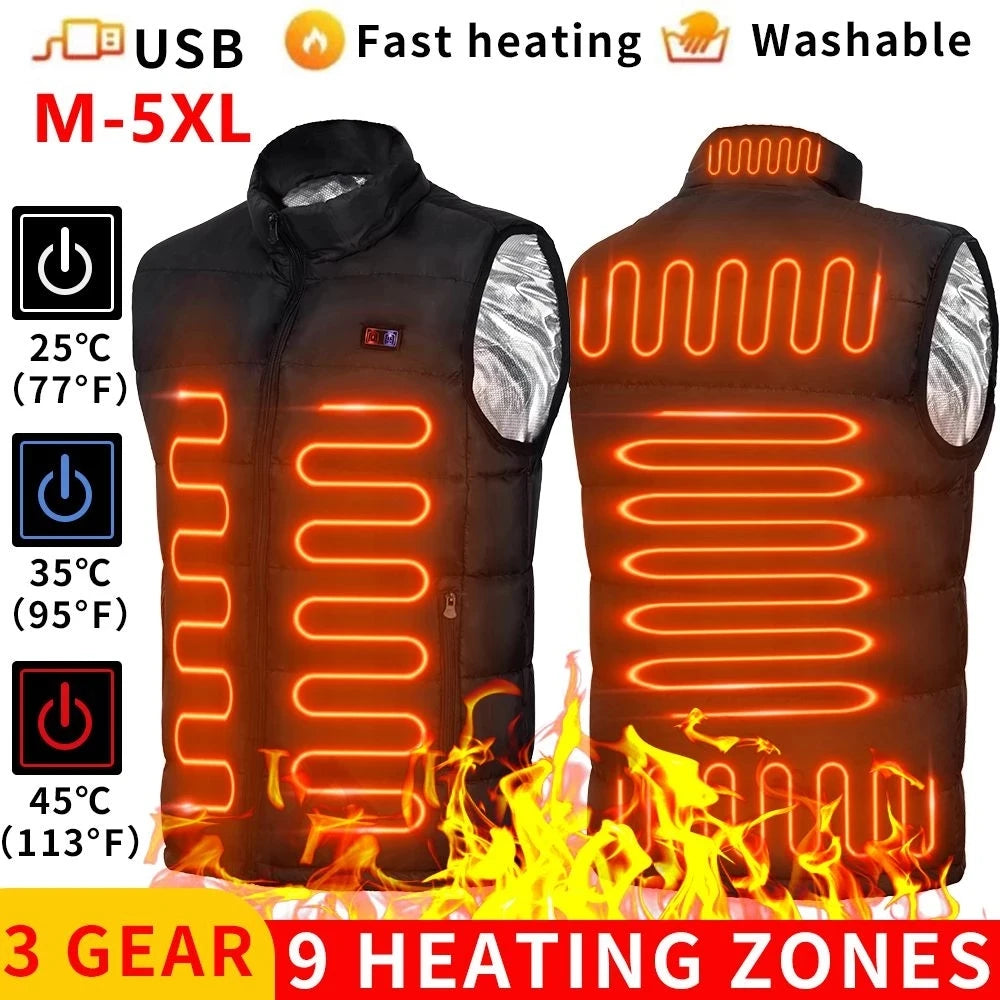
Graphene heated vest unisex design in everyday wear — lightweight warmth without bulk. See it in action
How Does a Graphene Heated Vest Work?
A graphene heated vest uses thin graphene-based heating elements connected to a rechargeable battery. When electrical current passes through these elements, resistance converts the energy into heat that spreads through the heating panels and warms the body.
Unlike traditional insulation, which only traps existing body heat, a battery powered heated vest graphene system actively creates warmth. The effectiveness depends on heating element design, panel placement, insulation, and temperature control settings.
What Graphene Heating Elements Do
Graphene heating elements are designed to provide lightweight, flexible warmth across larger surface areas. Their thin construction allows manufacturers to place heating panels in areas where users typically lose the most warmth, such as the chest and upper back.
- Flexible material that supports natural movement
- Broad heat distribution across core areas
- Low-profile construction for easier layering
- Efficient power use when combined with adjustable heat settings
Heating zone placement is often more important than the total number of zones. A well-designed vest can provide better comfort by positioning heat where it improves core warmth most effectively.
Graphene vs Carbon Fiber Heating
Both graphene and carbon fiber heating systems use electrical resistance to generate warmth. The main differences are related to material structure, flexibility, and how manufacturers design the heating layout.
| Feature | Graphene Heating | Carbon Fiber Heating |
|---|---|---|
| Heating Method | Electrical resistance through graphene-based elements | Electrical resistance through carbon fiber strands |
| Flexibility | Thin and highly flexible heating layers | Flexible but often uses more structured heating fibers |
| Heat Coverage | Designed for broad, consistent warmth | Often focused around specific heating panels |
| Main Benefit | Lightweight construction and heat distribution | Durability and established heating performance |
How Smart Temperature Control Works
Smart heated vest temperature control allows users to adjust warmth based on weather conditions, activity level, and personal comfort. Most models use built-in buttons with multiple heat levels, while some advanced designs may include app-based controls.
- Low settings help extend battery runtime during longer use
- Higher settings provide additional warmth during colder conditions
- Adjustable temperatures help prevent overheating during movement
- Consistent power management improves everyday comfort
Most USB rechargeable heated vest designs can connect with compatible power sources, including portable power banks. This convenience is similar to other portable technology solutions found in modern Body Care and Health Devices .
Side-by-Side Comparison of Popular Options
| Feature | Graphene Heated Vest | Standard Heated Vest |
|---|---|---|
| Heat Distribution | Designed for broader core warmth with evenly positioned heating panels | Usually relies on more concentrated heating zones |
| Warm-Up Speed | Provides noticeable warmth quickly depending on battery output and design | Warm-up speed varies by heating material and construction |
| Weight & Bulk | Typically lightweight with a slimmer profile for layering | May have thicker heating components and added bulk |
| Battery Compatibility | Often available with USB rechargeable power options | Charging systems vary by model |
| Temperature Control | Usually includes adjustable heat levels | Control options depend on the specific design |
A graphene heated vest review should focus on practical differences that affect daily use, including comfort, heat consistency, charging convenience, and how easily the vest fits under outer layers.
Battery Life, Heating Zones & Performance Breakdown
Not all graphene heated vests provide the same experience. Battery capacity, heat settings, insulation, and heating zone placement all influence real-world performance.
Battery Runtime Comparison
Most USB rechargeable heated vest models provide approximately 4 to 10 hours of use depending on battery capacity and selected heat level. Lower temperature settings typically provide longer runtime, while maximum heat settings consume more power.
- Low heat: best for extended wear and mild cold conditions
- Medium heat: balanced comfort and battery efficiency
- High heat: useful for colder environments but reduces runtime
Heating Zone Map
Heating zones determine where warmth is concentrated. Common configurations include:
- 3–5 zones: Basic chest and back warmth for everyday use
- 5–8 zones: More balanced full-torso heating for outdoor activities
- 8+ zones: Expanded coverage that may include neck, sides, or additional core areas
Warm-Up Speed and Heat Distribution
A graphene heated vest is designed to provide faster active warmth than traditional non-heated layers. However, perceived warmth depends on several factors, including how closely the vest fits, the quality of insulation, and protection from wind.
Performance in Different Temperatures
For a heated vest for cold weather outdoor use, performance is strongest when active heating is combined with appropriate winter clothing. A heated vest can provide additional comfort during cold exposure, but it should be used as part of a complete layering system.
Performance Insight
More heating zones do not automatically mean better results. Efficient panel placement, reliable temperature control, battery quality, and overall vest construction often have a greater impact on comfort than the number of heating areas alone.
Smart Temperature Control and Real Comfort Testing
Smart heated vest temperature control allows users to adjust warmth based on activity level, weather conditions, and personal comfort. Most graphene heated vests include multiple heat settings controlled through a built-in button, while some models may offer additional app-based controls.
When evaluating comfort, important factors include how quickly temperature changes take effect, whether heat remains consistent during movement, and how easily the vest adapts between active and resting periods.
- Adjustable heat levels for changing outdoor conditions
- Consistent warmth without uncomfortable temperature fluctuations
- Easy controls that can be adjusted while wearing gloves
- Better comfort when moving between indoor and outdoor environments
A reliable smart heated vest temperature control system helps prevent overheating during physical activity while providing additional warmth when standing still or exposed to colder conditions. This focus on practical convenience aligns with portable comfort solutions found in the Lifestyle category.
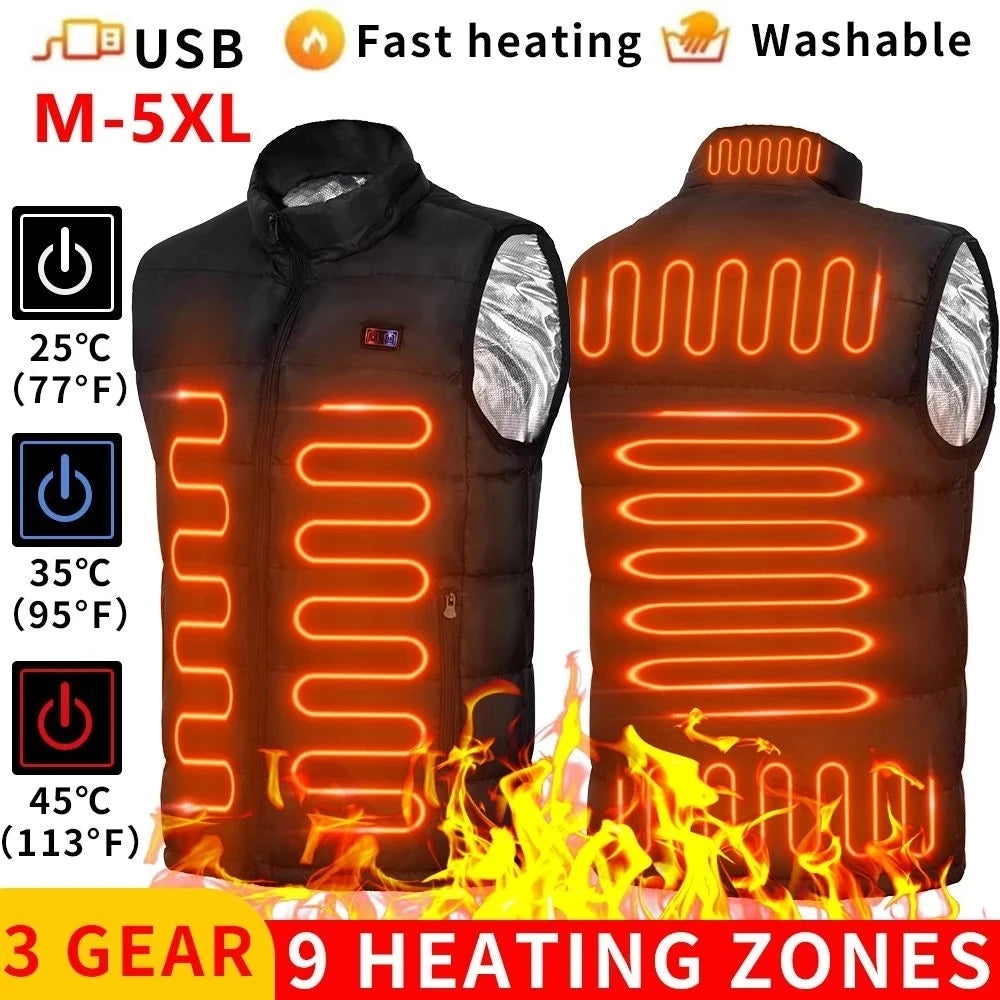
Smart temperature control vest in motion — adaptable warmth for changing conditions. See it in action
Real-World Use: Commuting, Skiing & Outdoor Work
A heated vest for cold weather outdoor use needs to match the activity, temperature exposure, and amount of movement involved. The ideal balance of heating power, battery runtime, and comfort depends on how the vest will be used.
Daily Commuting
For commuting, a lightweight heated vest for winter is usually the most practical choice. A slim design makes it easier to wear under a jacket while providing enough warmth for walking, cycling, or waiting outdoors.
Key features to consider:
- Lightweight construction for all-day comfort
- USB rechargeable compatibility for convenient charging
- Low and medium heat settings for longer battery life
Skiing, Hiking and Hunting
Outdoor activities require a balance between warmth and mobility. A graphene heated vest with reliable battery performance and well-positioned heating areas can provide additional comfort during breaks, slower movement, or colder conditions.
Important considerations include:
- Multiple heating zones for broader core coverage
- Flexible materials that allow unrestricted movement
- Easy temperature adjustment during changing activity levels
Outdoor Work
For long hours in cold environments, durability and extended battery performance are often more important than having the highest heat setting. A dependable vest should withstand frequent use while maintaining comfortable warmth throughout the workday.
Prioritize:
- Longer battery runtime for extended outdoor exposure
- Durable fabrics and reinforced construction
- Simple controls that are easy to operate during work
The best graphene heated vest depends on where and how it will be used. Matching the vest design to your daily conditions helps ensure better comfort and practical value.
Pros and Cons at a Glance
| Pros | Cons |
|---|---|
| Even heat distribution across key body areas | Requires regular battery charging |
| Lightweight design makes layering easier | Higher upfront cost compared with non-heated vests |
| Adjustable warmth improves comfort in changing conditions | Requires proper care to protect heating components |
| Flexible designs support everyday and outdoor use | Not a replacement for full extreme-weather protection systems |
A graphene heated vest review should consider both benefits and limitations. While active heating can improve comfort in cold conditions, battery dependence, fit, maintenance, and proper layering all affect long-term satisfaction.
Who Should Buy Which Graphene Heated Vest?
The best graphene heated vest depends on how you plan to use it. A commuter who needs lightweight warmth for daily travel will have different requirements than someone spending hours outdoors in freezing temperatures. Consider heating coverage, battery runtime, fit, and durability instead of choosing based only on the number of heating zones.
- Commuters and daily users: Choose a lightweight graphene heated vest unisex design with a slim profile, comfortable fit, and moderate heating coverage. A 3–5 zone system is usually enough for morning commutes, walking, and everyday winter activities.
- Hiking, hunting, and skiing: Outdoor enthusiasts should prioritize stronger heating coverage, longer battery runtime, and reliable temperature adjustment. A heated vest for cold weather outdoor activities should maintain warmth during periods of low movement and changing weather.
- Outdoor workers: Workers exposed to cold conditions for extended periods should look for durable fabrics, higher-capacity batteries, and wider heating zones that support long hours outside.
- Travelers: A USB rechargeable heated vest offers flexibility because it can work with compatible power banks and is easier to pack than bulky winter layers.
- Budget-conscious buyers: Focus on essential features such as reliable heating zones, safe battery operation, and comfortable layering rather than paying extra for unnecessary features.
Choosing the best graphene heated vest means matching the design to your environment. A lightweight option may be ideal for daily wear, while a more rugged model is better suited for demanding outdoor conditions.
Explore the featured option here: graphene heated vest unisex .
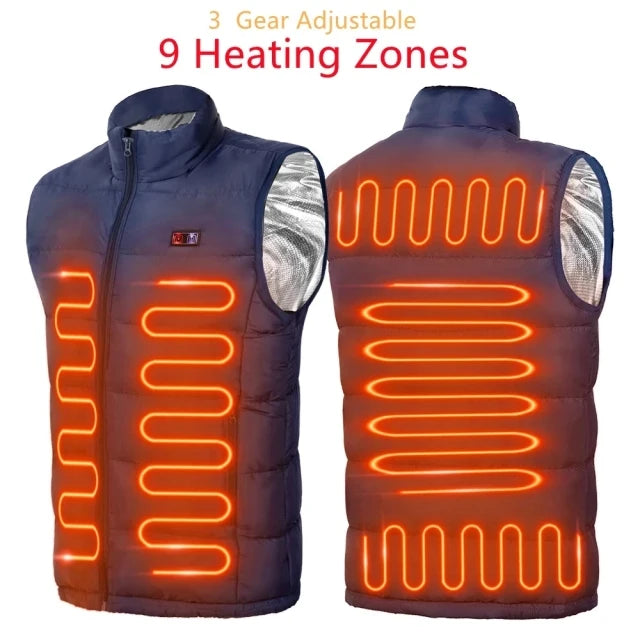
Layer-ready graphene heated vest unisex for daily comfort and confidence. See it in action
What to Look for Before Buying a Graphene Heated Vest
Before choosing a graphene heated vest, compare the features that affect real-world performance. A higher specification does not always mean better comfort. The right balance of heating technology, battery capacity, fit, and safety features determines how well a vest performs in daily use.
- Heating zones and coverage: Look for heating panels positioned across important areas such as the chest, back, and neck. More zones can improve coverage, but placement and heat distribution are often more important than the total number.
- Temperature range and controls: A smart heated vest temperature control system should allow easy adjustment between heat levels. Multiple settings help users reduce heat during activity and increase warmth when standing still.
- Battery capacity and charging: Check battery size, expected runtime, and whether the vest supports USB charging or compatible power banks. A battery powered heated vest graphene system should provide enough runtime for your planned activity.
- Fit and layering ability: The vest should sit comfortably close to the body so heat can transfer effectively while still allowing movement. A slim design is easier to wear under jackets and outer shells.
- Fabric and weather resistance: Consider materials that provide wind resistance, durability, and comfort during outdoor use. Heated technology works best when combined with proper insulation and protective outer layers.
- Safety, warranty, and care requirements: Check for battery protection features, manufacturer guidance, warranty coverage, and washing instructions before purchase.
Frequently Asked Questions
Is a graphene heated vest safe for daily wear?
Yes, a graphene heated vest is generally designed for regular use when operated according to the manufacturer's instructions. Many models include features such as temperature regulation, overheating protection, and controlled power output. Users should avoid damaged batteries, inspect the vest regularly, and stop using it if electrical components show signs of wear.
How long does a graphene heated vest battery typically last?
Battery runtime depends on battery capacity, temperature settings, and heating coverage. Most usb rechargeable heated vest models provide approximately 4–10 hours of use, with lower heat settings extending runtime compared with maximum output.
Can a graphene heated vest be layered under a jacket?
Yes. Most lightweight heated vest for winter designs are made to fit under coats, shells, or other outerwear. A close but comfortable fit helps transfer warmth while leaving enough room for a protective outer layer.
How long do graphene heating elements last?
Graphene heating elements are designed for long-term durability when properly maintained. Their lifespan depends on construction quality, usage frequency, battery care, and following recommended washing and storage instructions.
Can you wash a graphene heated vest?
Yes, but care instructions must be followed carefully. Remove the battery before washing, avoid harsh cleaning methods, and allow the vest to dry completely before reconnecting power. Proper maintenance helps protect the heating elements and electrical components.
Are USB rechargeable heated vests powerful enough?
Yes, modern usb rechargeable heated vest designs can provide practical warmth when paired with a compatible power source. Performance depends on battery output, heating element efficiency, insulation, and the outdoor temperature conditions.
What is the difference between graphene and carbon fiber heated vests?
Both graphene and carbon fiber heated vests use electrical resistance heating to create warmth. Graphene heating elements are often thinner and designed for flexible heat distribution, while carbon fiber systems are commonly valued for durability and reliable heating performance. The better choice depends on the vest design, heating layout, battery system, and intended use.
Discover more smart comfort solutions and decide which upgrade fits your winter routine best.
Pillar Article: Best Heated Vest for Winter Compared Side by Side
Other Related Articles:
- Heated Vest Without Bulky Layers Is It Worth It
- Lightweight Heated Vest Daily Wear Compared
- USB Powered Heated Vest Pros Cons and Top Picks
- Heated Vest Review Which Models Are Worth It
Explore More:













