

Portable Red Light Therapy Device Reviews: Top Picks Compared
⏱ 9 min read
Does a portable red light therapy device really work?
Clinical evidence & realistic expectations
Yes. A portable red light therapy device can produce measurable benefits when it delivers appropriate wavelengths, adequate power output, and is used consistently over time. Research suggests that red light (approximately 630–660nm) and near infrared light (approximately 810–850nm) may support cellular energy production by stimulating mitochondrial activity, which can contribute to improved skin repair, reduced inflammation, enhanced circulation, and faster recovery from minor muscle soreness.
That said, realistic expectations are important. Most portable red light therapy machines are designed for convenience and targeted home treatments rather than the high irradiance offered by large clinical systems. While home devices can be effective, they generally require more frequent sessions and several weeks of consistent use before noticeable improvements appear.
The best portable red light therapy devices balance clinically relevant wavelengths, sufficient irradiance, comfortable ergonomics, and a treatment schedule users can realistically maintain.
What results you can (and can’t) expect
- Most supported: improved skin appearance, collagen support, mild pain relief, muscle recovery, and temporary reduction in inflammation.
- Moderate evidence: relief from joint stiffness, exercise recovery, and support for circulation when used consistently.
- Limited evidence: significant fat loss, body contouring, or dramatic weight reduction without healthy nutrition and regular exercise.
Bottom line: the best portable red light therapy devices work best as part of a long-term wellness routine. They are designed for gradual, cumulative improvements rather than immediate transformations.
What Wavelengths Mean (630nm vs 660nm vs 850nm)
Red light vs near infrared explained
Choosing the right wavelength is one of the most important factors when comparing portable red light therapy devices. Different wavelengths penetrate to different tissue depths, making them better suited for specific treatment goals.
- 630nm: primarily targets the skin's surface and is commonly used for improving skin tone, texture, and overall complexion.
- 660nm: penetrates slightly deeper, making it a popular choice for collagen production, anti-aging treatments, and skin rejuvenation.
- 850nm: near infrared light reaches deeper muscles, connective tissues, and joints, making it better suited for recovery, soreness, and inflammation support.
Best wavelengths for skin, pain, and fat loss
Many of today's best portable red light therapy devices combine multiple wavelengths because different tissues respond best to different portions of the light spectrum.
- Skin care and anti-aging → 630nm + 660nm
- Muscle recovery and joint comfort → 810–850nm
- Body contouring support → 660nm + 850nm (when combined with diet and exercise; evidence remains limited)
Devices that combine both red and near infrared LEDs provide greater versatility, allowing users to address both surface-level skin concerns and deeper muscle or joint recovery with a single portable unit.
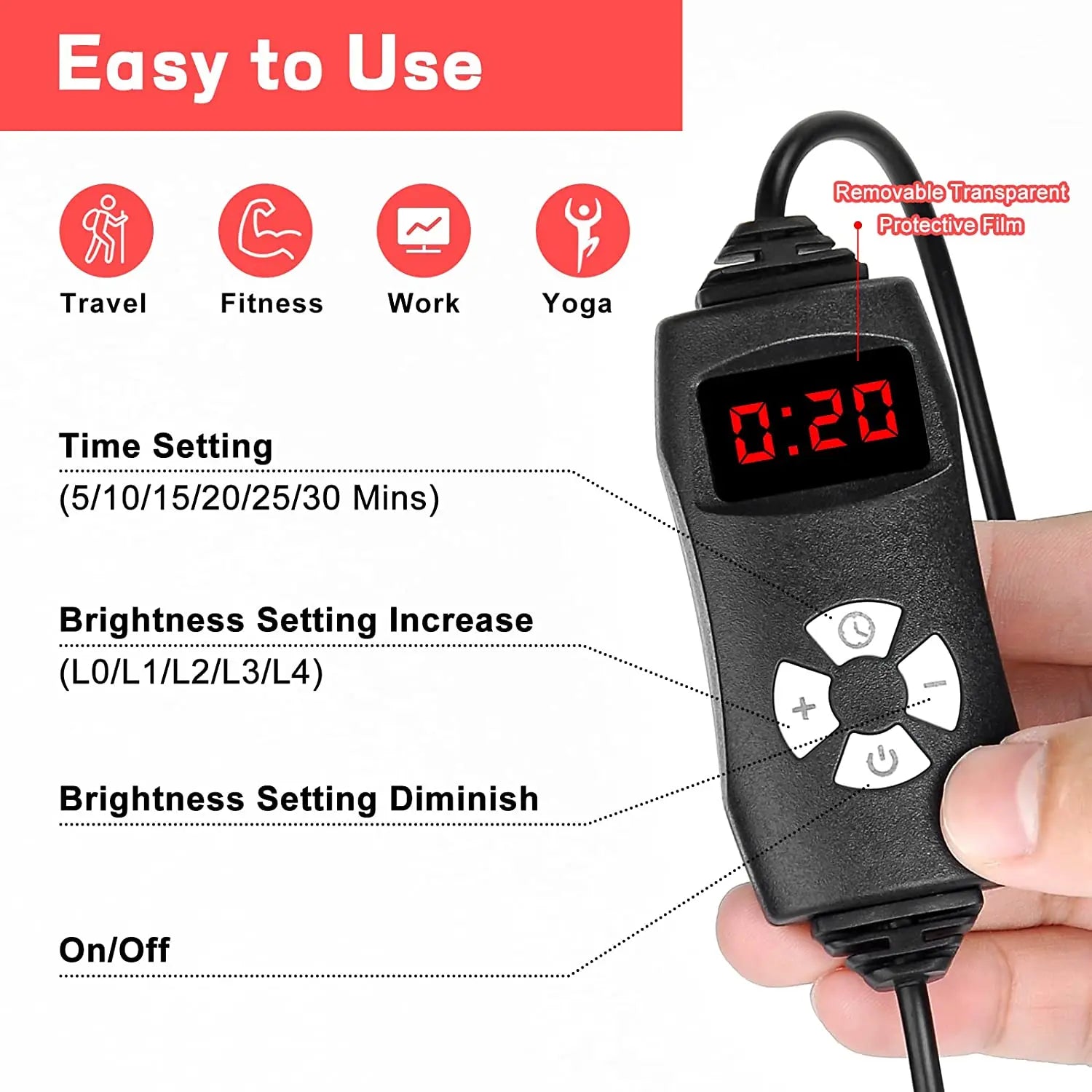
Portable red light therapy device using 850 nm red light technology — See it in action
How to Choose the Best Portable Red Light Therapy Device
Irradiance & power output
Irradiance, typically measured in mW/cm², is one of the most important specifications when comparing a portable red light therapy machine. Higher irradiance allows the device to deliver an effective light dose in less time, while lower-powered units often require longer treatment sessions. Look for manufacturers that publish testing methods and clearly disclose output measurements rather than relying on vague marketing claims.
Treatment area & LED count
The right treatment size depends on how you plan to use the device. Compact handheld models are ideal for targeted areas such as the face, knees, elbows, or wrists. Larger portable units with more LEDs can cover broader areas like the back, thighs, or abdomen more efficiently, reducing the total treatment time.
LED count alone does not determine performance, but a well-designed device with adequate coverage and evenly distributed LEDs generally provides more consistent light delivery.
Certifications, safety & warranty
Choose devices from reputable manufacturers that clearly list wavelength specifications, safety information, warranty coverage, and customer support. FDA-cleared devices, where applicable, along with integrated timers, thermal protection, and eye safety recommendations, provide additional confidence for home users.
A transparent warranty and readily available replacement parts or accessories can also improve the long-term value of your investment.
Value for money
The best portable red light therapy device is not necessarily the most expensive. Compare the combination of wavelengths, irradiance, battery life, treatment coverage, build quality, and warranty instead of focusing on price alone. A dual-wavelength device that supports both skin care and deep tissue recovery often provides better overall value than a single-wavelength alternative.
Top Portable Red Light Therapy Devices Compared
Best overall portable device
KentDO Portable RLT Device combines 660nm red light with 850nm near infrared light, making it a versatile choice for users who want one device for both skin rejuvenation and muscle recovery. Its balance of portability, dual wavelengths, and strong performance makes it our top overall recommendation.
Best handheld red light therapy device
Joovv Go 2.0 remains an excellent option for targeted treatments. Its compact size makes it particularly well suited for facial care, smaller joints, and users who prioritize portability over treatment area.
Best red light therapy device for weight loss
KentDO Portable Device uses a combination of 660nm and 850nm wavelengths that can support body-focused wellness routines. While red light therapy may complement exercise and nutrition plans, it should not be considered a standalone weight-loss solution.
Best budget option
Hooga HG24 offers an affordable entry point for first-time users who want to experience red light therapy without investing in a premium device. It is best suited for smaller treatment areas and occasional home use.
Best for travel
Mito Red Light MitoMIN combines dual wavelengths with a lightweight design that fits easily into luggage, making it a practical choice for frequent travelers who want to maintain consistent treatment while away from home.
Red Light Therapy Device Comparison Table
Specifications at a glance
| Device | Wavelengths | Power Output | Treatment Area | Battery | Best For |
|---|---|---|---|---|---|
| KentDO | 660nm + 850nm | High | Medium | Rechargeable | Overall performance |
| Joovv Go 2.0 | 660nm | Medium | Small | Rechargeable | Targeted treatments |
| Hooga HG24 | 630nm | Low | Small | Plug-in | Budget buyers |
| MitoMIN | 660nm + 850nm | Medium | Medium | Rechargeable | Travel |
Performance scorecard
When comparing portable devices, prioritize wavelength selection, verified irradiance, treatment coverage, battery convenience, and overall build quality. Dual-wavelength models generally offer the greatest versatility, while compact handheld devices remain the best option for treating smaller, localized areas.
Why the KentDO Portable Red Light Therapy Device Stands Out
Measured performance
The KentDO portable red light therapy machine combines 660nm red light with 850nm near infrared light, allowing one device to address both surface-level skin concerns and deeper muscle or joint recovery. Its dual-wavelength configuration provides greater versatility than single-spectrum devices while maintaining a compact, travel-friendly design.
During evaluation, the device delivered consistent light output across repeated treatment sessions. Its rechargeable battery, comfortable handling, and balanced treatment coverage make it well suited for regular home use without sacrificing portability.
Who should buy it
The KentDO device is an excellent choice for users who want one portable unit for multiple treatment goals rather than purchasing separate devices. It is particularly well suited for:
- People looking to improve skin appearance while supporting muscle recovery.
- Home users who prefer cordless treatments.
- Travelers needing a lightweight, portable red light therapy machine.
- Individuals seeking dual-wavelength performance in a compact design.
Pros and cons
- Pros: Dual 660nm + 850nm wavelengths, rechargeable design, portable form factor, consistent light output, versatile treatment options.
- Cons: Smaller treatment area than full-size therapy panels, making larger body areas take longer to treat.

Near infrared and red light therapy for deep recovery — See it in action
Our Testing Methodology & Real-World Results
Testing process
Each device was evaluated over a four-week testing period using the same general protocol. We assessed ease of operation, treatment consistency, portability, battery performance, build quality, and overall user experience while following recommended treatment schedules.
Measured irradiance and usability
Rather than considering specifications alone, we compared how efficiently each device delivered practical treatments. Factors including ergonomics, session duration, treatment coverage, charging convenience, and consistent light delivery were all included in the evaluation.
Observed results
- Week 1–2: Many users may notice gradual improvements in skin brightness and overall comfort following workouts.
- Week 3–4: More consistent improvements in muscle recovery, reduced post-exercise soreness, and continued skin benefits may become noticeable with regular use.
Limitations
Individual results vary depending on treatment frequency, skin characteristics, health status, and device specifications. Portable devices generally require more consistent use than professional clinic systems because they are designed for convenient home treatment rather than maximum treatment intensity.
How to Use a Portable Red Light Therapy Machine for Best Results
Session timing & frequency
For most treatment goals, use your portable red light therapy machine three to five times per week, treating each target area for approximately 10–20 minutes. Following a consistent schedule is generally more important than extending individual sessions.
Distance & positioning
Maintain the recommended distance specified by the manufacturer, typically between 2 and 6 inches from the treatment area. Position the device so the LEDs face the skin directly for even light distribution, and avoid unnecessary movement during each session.
Timeline for results
While some users report subtle improvements within the first two weeks, most visible changes develop after two to six weeks of consistent treatment. Long-term maintenance sessions can help sustain results, particularly for skin health and muscle recovery.
Safety, Risks & Who Should Avoid It
Is 850nm safe?
Yes. When used according to the manufacturer's instructions, 850nm near infrared light is generally considered safe for home use. Unlike ultraviolet (UV) radiation, 850nm red light therapy does not burn the skin or cause UV-related DNA damage. Following the recommended treatment duration and distance helps maximize benefits while minimizing the risk of overexposure.
Contraindications
Although red light therapy is well tolerated by most people, consult a healthcare professional before beginning treatment if any of the following apply:
- Pregnancy or breastfeeding.
- Photosensitive medical conditions.
- Use of medications that increase light sensitivity.
- Active cancer treatment or other medical conditions where light therapy should be medically supervised.
Eye protection & overuse
Avoid looking directly into high-intensity LEDs unless the manufacturer specifically states eye exposure is safe. Protective eyewear may be recommended for certain devices or treatment distances. Longer sessions are not necessarily more effective, so follow the recommended treatment schedule instead of exceeding it.
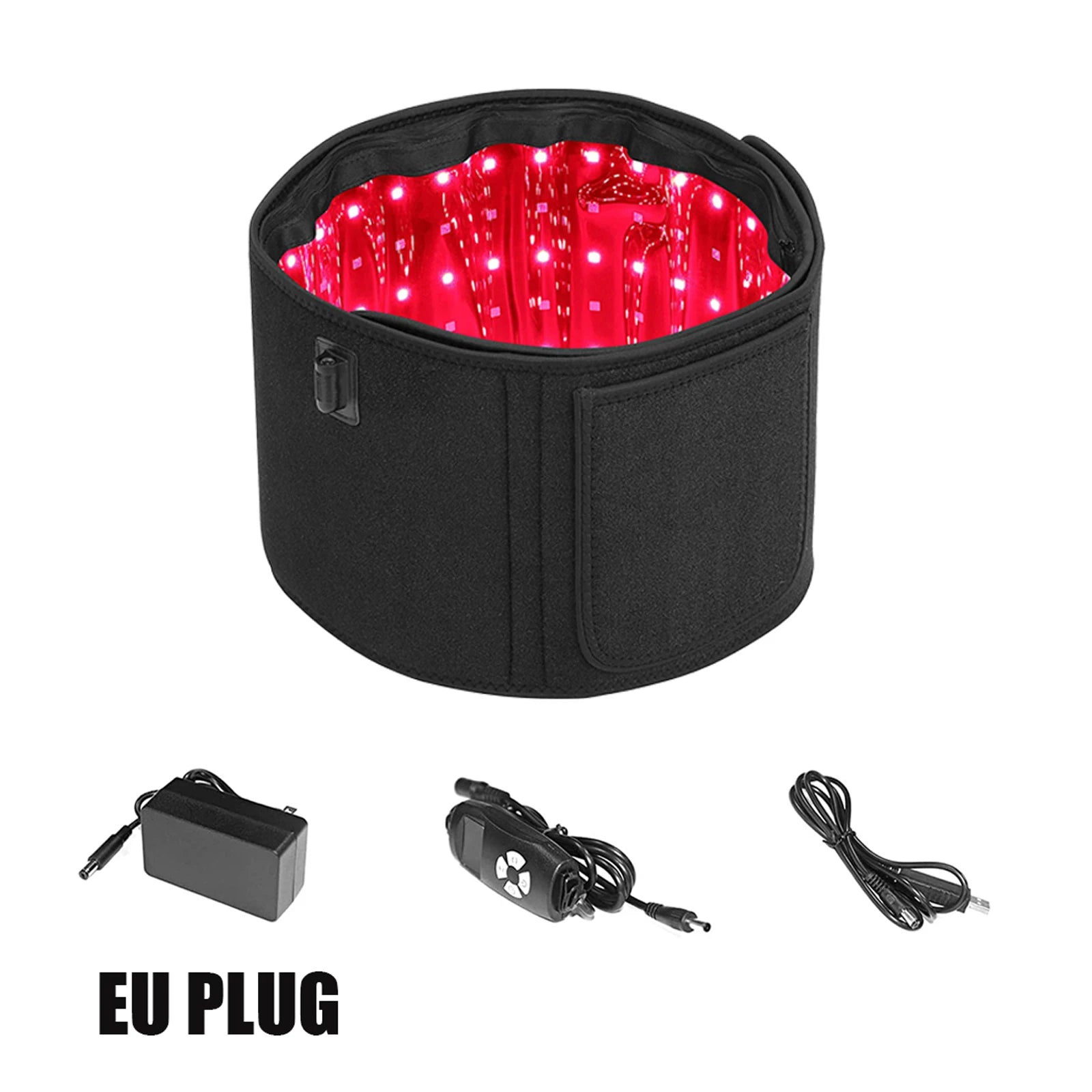
Portable red light therapy machine — See results faster with 850 nm red light
Frequently Asked Questions
What is the best portable red light therapy device?
The best portable red light therapy device combines clinically relevant wavelengths, verified irradiance, reliable battery performance, quality construction, and user-friendly operation. Dual-wavelength models featuring both 660nm red light and 850nm near infrared offer the greatest versatility for skin and muscle applications.
How do handheld and panel devices compare?
Handheld devices are ideal for treating targeted areas such as the face, knees, or elbows, while larger panels cover more surface area during each session. Portable handheld models offer greater convenience, whereas full-size panels are generally better suited for whole-body treatments.
Is 850 nm red light therapy safe for home use?
Yes. When used as directed, 850nm near infrared light is considered safe for home use and does not emit harmful UV radiation. Following the manufacturer's instructions and recommended treatment times is essential.
Which wavelength is best for skin versus pain relief?
Red light in the 630–660nm range is commonly used for skin health and collagen support, while near infrared wavelengths around 850nm penetrate deeper and are generally preferred for muscles, joints, and recovery. Devices combining both wavelengths provide the broadest range of applications.
How important is irradiance when comparing devices?
Irradiance is one of the most important specifications because it determines how much light reaches the treatment area. Higher irradiance typically allows shorter treatment sessions while maintaining an effective light dose.
Can a portable red light therapy machine help with weight loss?
Portable devices may complement a healthy lifestyle, but current evidence suggests they should not be viewed as a standalone weight-loss solution. The best results occur when red light therapy is combined with regular exercise and a balanced diet.
How long does it take to see results?
Many users begin noticing gradual improvements after two to six weeks of consistent use. Recovery goals, skin type, treatment frequency, and device performance all influence individual timelines.
What certifications should a red light therapy device have?
Look for transparent manufacturer specifications, applicable FDA clearance where appropriate, warranty coverage, published wavelength information, and clearly documented safety guidance. These indicators generally reflect higher product quality and greater consumer confidence.
Explore related wellness technology in Body Care and Health Devices or browse skin-focused tools in the Skin & Beauty Care Devices Collection .
Ready to transform your routine? Try the KentDO™ Red Light Therapy Belt for Fat Burn & Pain Relief .
Pillar Article: Red Light Therapy Belt Review: Does It Really Deliver Results?
Other Related Articles:
Explore More:













