

Red Light Therapy Belt Reviews: Best Options Compared + Real Results (2026)
Quick Answer: Do Red Light Therapy Belts Really Work?
Featured Snippet Answer
Yes, red light therapy belts can work for some goals, particularly temporary relief of muscle soreness and discomfort and support for recovery. Results depend on the wavelength, irradiance, treatment area, session schedule, and device quality. They should not be treated as a standalone weight-loss solution, and claims about fat loss or body contouring require more careful expectations than claims about short-term pain or recovery support.
Evidence From Clinical Studies
Photobiomodulation, commonly called red light therapy or low-level light therapy, has been studied for pain, inflammation, tissue recovery, and other applications. The evidence is not equally strong for every use case or every consumer belt. Research on photobiomodulation supports potential benefits for some pain and recovery outcomes, but results can vary substantially according to wavelength, dose, irradiance, treatment duration, and the condition being treated.
That distinction matters when reading red light therapy belt reviews . A belt can use a scientifically studied wavelength without producing the same result as a clinical research device. Product specifications, treatment dose, coverage, fit, and consistency all affect the practical value of a wearable device.
Expected Results Timeline
- 1–2 weeks: Some users may notice improved comfort or less post-exercise soreness, although results can occur sooner or take longer.
- 3–4 weeks: Consistent use may make recovery routines and localized comfort more noticeable.
- 6–8+ weeks: Changes in skin appearance or localized body-contouring measurements, where they occur, are more likely to require sustained use and should not be confused with conventional fat loss.
There is no universal timeline for a red light therapy belt . Pain relief, muscle recovery, skin support, and body-contouring outcomes should be evaluated separately rather than assuming one result predicts another.
A red light therapy belt combines targeted light exposure with a wearable format that can be easier to use than a stationary device. Comparing red light belt reviews therefore means looking beyond marketing claims: wavelength, irradiance, coverage, comfort, controls, portability, and realistic use cases all matter.
Discover red light therapy belt benefits — see it in action!
How We Tested & Ranked These Red Light Therapy Belts
Testing Methodology
These red light therapy belt reviews use a consistent evaluation framework rather than ranking products solely by marketing claims. We compare the information available for each belt across light specifications, intended use, coverage, comfort, portability, controls, and overall value. Where a specification is not clearly disclosed, it should not be assumed to be superior to a competitor.
- Light specifications: We look for clearly stated wavelengths and distinguish red wavelengths from near-infrared wavelengths.
- Output information: Irradiance and treatment dose are considered important because wavelength alone does not tell you how much light reaches the treatment area.
- Coverage: Larger treatment areas can be more convenient for the back, waist, abdomen, or other broad regions.
- Comfort and fit: A belt needs to remain wearable and appropriately positioned throughout a session.
- Ease of use: Controls, session timing, portability, and the practical effort required for repeated treatments affect real-world adherence.
- Use-case fit: A device suited to localized recovery is not automatically the best choice for body contouring, travel, or broad-area treatment.
Scoring Criteria
| Category | What We Look For |
|---|---|
| Performance | Wavelength transparency, output information, coverage, and suitability for the intended application |
| Comfort | Wearability, adjustability, positioning, and practicality during a complete session |
| Ease of Use | Controls, session timing, portability, and how easily the device fits a regular routine |
| Value | Features and usable performance relative to the product's positioning and price tier |
Who Should Buy Each Belt
Choose based on the problem you actually want to address. A person prioritizing back or muscle comfort may value targeted near-infrared coverage, while someone who travels frequently may prioritize portability. If your primary goal is body contouring, scrutinize claims more carefully and avoid treating a belt as a substitute for nutrition, physical activity, or clinically established weight-management strategies.
Best Red Light Therapy Belt Reviews (Top Picks Ranked)
Best Overall: KentDO Red Light Therapy Belt
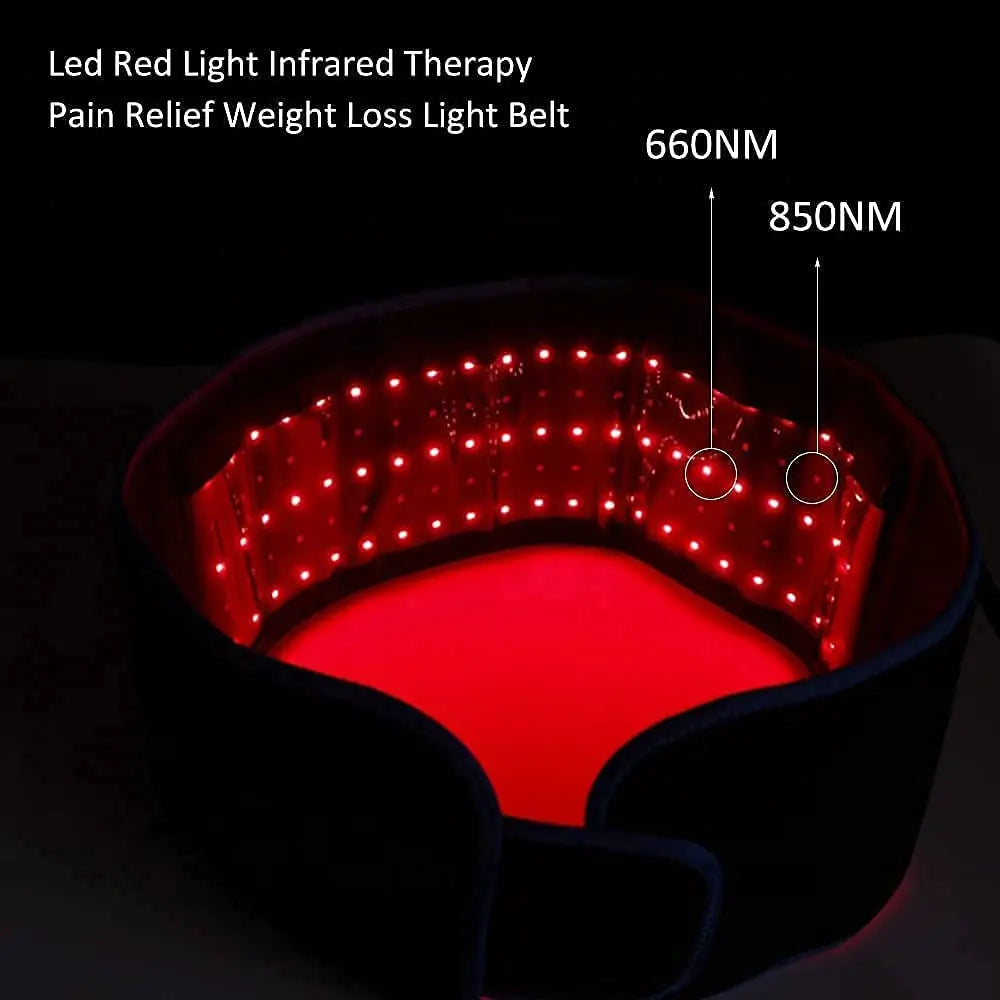
The KentDO red light therapy belt is the strongest all-around pick in this comparison because its stated 660nm + 850nm configuration combines red and near-infrared wavelengths in a wearable format. That makes it a practical choice for users who want one belt for regular recovery, localized comfort, and general wellness routines.
- Pros: Balanced wavelength combination; wearable belt format; suitable for multiple use cases.
- Cons: Users should still verify output, treatment instructions, and other specifications before purchase.
- Best for: Buyers who want a versatile home-use belt rather than a device dedicated to only one application.
Final verdict: A strong choice when convenience and broad everyday use matter as much as light specifications.
Best for Pain Relief: LifePro Red Light Therapy Belt
The LifePro Red Light Therapy Belt is positioned toward users who want targeted support for back discomfort, muscle soreness, and recovery. Its stated 660nm + 850nm configuration makes it particularly relevant for buyers comparing red and near-infrared light options.
- Pros: Dual-wavelength positioning; targeted wearable format; suited to localized recovery routines.
- Cons: Buyers should compare actual irradiance, coverage, treatment guidance, and warranty terms rather than relying on wavelength alone.
- Best for: Users primarily interested in localized pain and recovery support.
Final verdict: A compelling option for buyers who prioritize targeted recovery and want both red and near-infrared wavelengths.
Best for Weight Loss Support: Slendertone Flex Belt
The Slendertone Flex Belt takes a different approach by combining electrical muscle stimulation with its positioning around abdominal toning. That makes it more relevant to users interested in muscle stimulation and toning than to buyers seeking a straightforward photobiomodulation belt.
- Pros: Muscle-stimulation approach; designed around abdominal toning; distinct from conventional light-only belts.
- Cons: EMS and red light therapy are different technologies and should not be treated as interchangeable; neither should be presented as a replacement for exercise and nutrition.
- Best for: Users specifically interested in an EMS-oriented toning format.
Final verdict: Consider it when muscle stimulation is part of your goal, but do not choose it solely because you expect a light-based fat-loss effect.
Best Budget: Generic Infrared Belt
Generic infrared belts can provide an inexpensive entry point, but lower purchase cost often comes with less transparent specifications. This category is best approached as a value purchase only when the manufacturer clearly states wavelength, output, operating instructions, and safety information.
- Pros: Lower entry price; simple wearable format.
- Cons: Specifications and quality can vary considerably; unclear irradiance makes performance difficult to judge.
- Best for: Beginners who prioritize affordability and are willing to scrutinize specifications.
Final verdict: Budget-friendly, but transparency should be the deciding factor rather than price alone.
Best Premium: Kineon Move+ Pro
The Kineon Move+ Pro represents the premium end of this category and is designed around targeted recovery. Its compact format may appeal to users who want focused treatment rather than the broad wraparound coverage of a conventional belt.
- Pros: Premium positioning; targeted recovery format; compact design.
- Cons: Smaller targeted treatment format may not replace a large-area belt for users treating the abdomen, waist, or back.
- Best for: Buyers willing to pay more for a specialized recovery device.
Final verdict: Best suited to users who value targeted recovery technology over maximum body-area coverage.
Best Portable: Kineon Move+ Pro
For portability, a compact targeted device has an inherent advantage over a larger wraparound belt. The Kineon Move+ Pro is therefore a practical choice for users who want to move between treatment areas or incorporate recovery sessions into a more mobile routine.
- Pros: Compact treatment approach; easier to integrate into a mobile routine.
- Cons: Targeted coverage is less suitable when you want to treat a large area simultaneously.
- Best for: Frequent travelers and users who prefer focused treatment.
Final verdict: Choose portability when targeted treatment is more important than maximum coverage.
Best For Category Winners at a Glance
Back Pain
Top pick: LifePro Red Light Therapy Belt. Its stated 660nm + 850nm configuration makes it a logical option for buyers prioritizing localized back and muscle recovery. Do not assume that wavelength alone guarantees better pain relief; actual output, coverage, positioning, and the underlying cause of pain also matter.
Recovery
Top pick: KentDO Red Light Therapy Belt. Its dual-wavelength configuration and wearable format make it a versatile choice for users who want to build light therapy into a regular recovery routine.
Travel
Top pick: Kineon Move+ Pro. Its compact, targeted format is better suited to mobility than a large-area belt, particularly when the goal is treating specific recovery areas rather than the entire torso.
Value
Top pick: KentDO Red Light Therapy Belt. For buyers seeking a balance between a dual-wavelength belt format and everyday usability, it offers a more versatile proposition than choosing solely on the lowest purchase price.
Side-by-Side Comparison Table (Specs & Value)
| Brand / Model | Wavelength / Technology | Best For | Coverage & Format | Performance Position | Value |
|---|---|---|---|---|---|
| KentDO Red Light Therapy Belt | 660nm + 850nm | All-around use | Wearable belt | Balanced | Strong all-purpose option |
| LifePro Red Light Therapy Belt | 660nm + 850nm | Pain relief and recovery | Wearable belt | Strong targeted option | Best for recovery-focused buyers |
| Slendertone Flex Belt | EMS + light | Toning support | Abdominal belt | Moderate, technology-dependent | Best for EMS-oriented use |
| Generic Infrared Belt | 850nm | Budget users | Varies by model | Basic to variable | Lowest-cost entry |
| Kineon Move+ Pro | Advanced LED | Premium recovery | Compact targeted format | High-end positioning | Best for specialized recovery |
Wavelength & Irradiance
Wavelength and irradiance should be evaluated together. Red wavelengths around 630–660nm are commonly used for more superficial applications, while near-infrared wavelengths around 800–880nm are generally selected when deeper tissue exposure is desired. However, a wavelength label does not establish treatment effectiveness by itself.
Irradiance describes how much optical power reaches a given area, while treatment dose depends on irradiance and exposure time. When a manufacturer does not disclose meaningful output information, it becomes harder to compare two belts fairly.
Coverage & Comfort
A large belt can treat more surface area in one session, while a compact device can be easier to position precisely. Comfort also matters because the theoretical benefits of a device are less useful if its design makes consistent treatment difficult.
Battery, Portability & Warranty
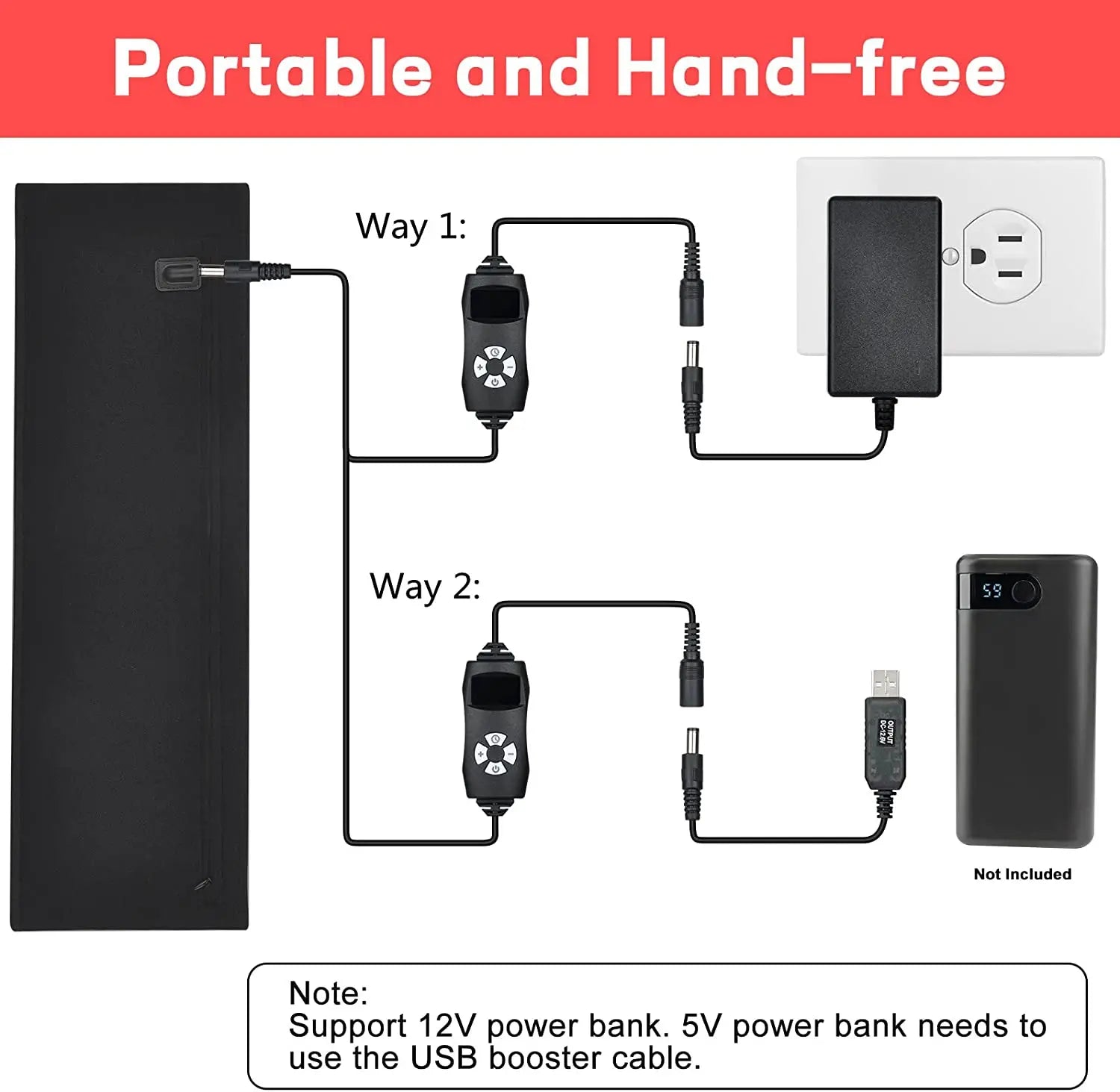
Battery operation can make a belt easier to use away from an outlet, but battery capacity, runtime, charging method, and warranty should be verified against the current manufacturer specifications before purchase. Do not assume that two products have equivalent portability or warranty coverage simply because both are wearable.
Price vs Performance
- Budget: Prioritize transparent specifications and basic usability rather than the lowest advertised price.
- Mid-range: Look for a balance of wavelength coverage, output transparency, coverage, comfort, and controls.
- Premium: Pay extra only when the additional portability, build quality, targeting, controls, or documented performance meaningfully fits your use case.
Individual Product Review Scorecards
KentDO Red Light Therapy Belt
- Performance: 4.5/5 — Dual 660nm + 850nm configuration supports a broad range of intended use cases.
- Comfort: 4.5/5 — Wearable belt design is well suited to routine localized sessions.
- Ease of Use: 4.5/5 — Belt format simplifies positioning around common treatment areas.
- Value: 4.5/5 — Strong balance for buyers seeking one versatile device.
Overall score: 4.5/5. Best overall for a balanced combination of versatility and everyday usability.
LifePro Red Light Therapy Belt
- Performance: 4.5/5 — Stated 660nm + 850nm wavelengths are well matched to recovery-focused use.
- Comfort: 4/5 — Wearable design supports localized treatment.
- Ease of Use: 4/5 — Straightforward belt format is practical for repeated sessions.
- Value: 4/5 — Strongest fit for users who specifically prioritize recovery and pain support.
Overall score: 4.1/5. Best for buyers whose primary goal is localized recovery.
Slendertone Flex Belt
- Performance: 4/5 — EMS provides a distinct muscle-stimulation approach rather than a conventional light-only experience.
- Comfort: 4/5 — Abdominal-belt format is designed for targeted use.
- Ease of Use: 4/5 — Purpose-built format can simplify abdominal toning routines.
- Value: 3.5/5 — Most relevant when EMS is a priority.
Overall score: 3.9/5. Best considered as an EMS-oriented toning device rather than a direct substitute for a photobiomodulation belt.
Generic Infrared Belt
- Performance: 3/5 — Performance varies widely because generic models may provide limited output information.
- Comfort: 3.5/5 — Design and fit depend heavily on the individual model.
- Ease of Use: 4/5 — Basic wearable designs are generally straightforward.
- Value: 4/5 — Low purchase cost can be attractive when specifications are transparent.
Overall score: 3.6/5. A reasonable budget category, but specification transparency should determine which model is worth buying.
Kineon Move+ Pro
- Performance: 4.5/5 — Premium positioning and targeted LED technology suit focused recovery.
- Comfort: 4.5/5 — Compact format can make targeted positioning easier.
- Ease of Use: 4.5/5 — Particularly attractive for users who prefer targeted sessions.
- Value: 3.5/5 — Premium pricing makes sense primarily for buyers who need its specialized format.
Overall score: 4.3/5. A premium recovery option, especially when portability and targeted treatment matter more than broad coverage.
Red Light Therapy Belt Benefits (Backed by Science)
Pain Relief
One of the more practical reasons to consider photobiomodulation is support for localized discomfort. Research has investigated red and near-infrared light for several pain-related applications, but outcomes depend on the condition, treatment protocol, and device characteristics. A belt should therefore be viewed as a potential adjunct rather than a guaranteed treatment for chronic or unexplained pain.
Recovery & Circulation
Photobiomodulation is also studied in the context of muscle recovery and exercise-related soreness. Users may find a belt useful as part of a broader recovery routine that includes adequate rest, hydration, nutrition, and appropriate physical activity. Claims that a belt universally “boosts circulation” or dramatically accelerates recovery should be treated cautiously because study protocols do not necessarily match consumer devices.
Skin Support
Red light has been investigated for skin-related applications, including support for collagen-related processes and skin appearance. A body-worn belt can expose a localized area, but skin outcomes are generally more gradual and variable than simple comfort benefits. Consistency and appropriate dosing are more useful benchmarks than expecting immediate visible transformation.
Weight Management Reality
Weight management is where expectations should be most carefully controlled. Some forms of low-level light therapy have been studied for body contouring and temporary changes in localized measurements, but this is not equivalent to exercising more calories away or losing substantial body fat. A red light therapy belt should be considered a possible adjunct to healthy lifestyle habits, not a replacement for them.
Red Light Therapy Belt for Weight Loss Reviews: What's Real?
Clinical Evidence
Low-level light therapy has been studied for noninvasive body contouring, including whether light exposure can produce changes in the appearance or circumference of targeted areas. The evidence does not support treating a red light therapy belt as a conventional fat-burning tool. The mechanisms, treatment protocols, and outcomes studied in clinical settings can also differ from those of consumer belts.
Marketing Claims
Be skeptical of claims that a belt “melts fat,” replaces exercise, or guarantees a specific number of inches lost. A change in circumference is not automatically equivalent to meaningful fat loss, and short-term measurements can also vary because of hydration, bloating, posture, and measurement technique.
Who May Benefit
- People who want a noninvasive addition to an established wellness or body-contouring routine.
- Users who understand that any body-contouring effect is likely to be more modest than marketing claims suggest.
- People willing to use the device consistently while maintaining appropriate nutrition and physical activity.
For sustainable weight management, the foundation remains an appropriate diet, regular physical activity, sleep, and evidence-based medical or nutritional support when needed.
Real User Results & Before/After Timelines
Week-by-Week Expectations
- Week 1–2: The earliest noticeable change may be comfort, relaxation, or reduced post-exercise soreness rather than a visible body transformation.
- Week 3–4: Consistent users may find recovery routines more comfortable, although results vary considerably between individuals.
- Week 5–8+: Any changes in skin appearance or localized measurements should be evaluated using consistent photos and measurements rather than relying on day-to-day visual differences.
Factors That Influence Results
- Wavelength: Different wavelengths interact with tissue differently.
- Irradiance and dose: The amount of light delivered and exposure duration both matter.
- Coverage: Proper positioning ensures the intended area receives treatment.
- Consistency: Irregular use makes it difficult to evaluate whether the device is helping.
- Goal: Pain, recovery, skin support, and body contouring have different evidence bases and timelines.
- Individual factors: The underlying condition, activity level, sleep, nutrition, and baseline health can all influence perceived results.
Typical Before & After
A credible red light therapy belt before and after comparison should use the same body position, lighting, camera distance, clothing, and measurement method. Avoid treating promotional before-and-after photos as proof that every user will experience the same result. For body-contouring goals, measure waist or target-area circumference under consistent conditions and track changes over several weeks rather than from one day to the next.
For recovery goals, subjective comfort scores, soreness ratings, workout recovery, and mobility may be more useful than photographs. A red light belt results timeline should therefore match the outcome being measured.
Pros & Cons of Red Light Therapy Belts
Strengths
- Hands-free wearable format can make localized sessions convenient.
- Red and near-infrared wavelengths can be combined in one device.
- Useful for users who want targeted treatment rather than standing in front of a large panel.
- Can fit into a broader recovery or wellness routine.
- Portable designs can be easier to use consistently than stationary equipment.
Limitations
- Consumer devices vary widely in irradiance, dose, coverage, and build quality.
- Wavelength alone does not prove that a belt will produce a specific result.
- Evidence for body contouring and weight loss should not be overstated.
- Results are not guaranteed and may require consistent use over time.
- A belt cannot diagnose or treat the underlying cause of persistent or severe pain.
Who Should Buy
A red light therapy belt makes the most sense for someone who values targeted, hands-free treatment and is prepared to use it consistently. It is particularly convenient for localized muscle recovery, temporary comfort, and wellness routines where a flexible wearable format is preferable to a stationary panel.
Who Should Skip
Skip a belt if you are primarily looking for rapid, substantial weight loss, expect guaranteed results, or cannot verify basic product specifications. If you need to treat a large area at once, a panel may also provide better coverage.
Red Light Therapy Belt vs Panels vs Light Pads
Coverage
Belts: Designed for targeted areas such as the waist, abdomen, lower back, or other wraparound regions. Panels: Usually provide broader exposure and can be more practical when treating larger body areas. Light pads: Typically prioritize flexible placement and localized treatment.
Power
Do not assume that panels are automatically more effective or that belts are automatically weaker. Compare wavelength, irradiance, treatment distance, exposure time, and total dose. A device's physical format alone does not establish its therapeutic output.
Convenience
Belts are generally the most convenient when you want hands-free treatment around a specific body area. Panels require a more deliberate setup but can cover more surface area. Light pads can be flexible for irregular or smaller treatment areas.
Best Applications
- Choose a belt: When targeted, wearable, hands-free treatment is the priority.
- Choose a panel: When broad coverage and the ability to treat larger areas matter most.
- Choose a light pad: When flexible placement around a localized area is more important than wraparound coverage.
How to Use a Red Light Therapy Belt for Maximum Results
Session Length
Follow the manufacturer's treatment instructions rather than assuming that longer sessions produce better results. A common consumer routine is approximately 10–20 minutes per session , but the appropriate duration depends on the device's output, treatment area, and intended use.
Frequency
Many consumer routines use approximately 3–5 sessions per week . Daily use is not automatically better. Follow the device instructions and allow the skin and treated area to respond before increasing frequency.
Placement
- Read the device instructions before the first session.
- Position the belt so the light-emitting area covers the intended treatment zone.
- Use the recommended distance or contact position specified by the manufacturer.
- Keep the device secure without making the belt unnecessarily tight.
- Use the recommended session duration and record sessions if consistency is difficult to maintain.
Common Mistakes
- Using it inconsistently: Irregular sessions make results difficult to evaluate.
- Assuming more is better: Increasing time or frequency beyond the manufacturer's instructions is not automatically more effective.
- Covering the light with thick clothing: Follow manufacturer instructions regarding direct exposure and clothing.
- Expecting instant results: Recovery and comfort may be noticed before visible changes, while other outcomes can take longer.
- Ignoring the actual cause of pain: Persistent, severe, or unexplained pain should not be managed solely with a wearable light device.
- Skipping maintenance: Keep the device clean and store it according to manufacturer instructions.
Best red light therapy belt in use — infrared belts for faster relief
Buyer’s Guide: How to Choose the Best Red Light Therapy Belt
Essential Specifications
- Wavelength: Look for clearly stated wavelengths and understand whether the device uses red, near-infrared, or both.
- Irradiance: Prefer manufacturers that clearly disclose output information instead of relying on vague “high power” language.
- Treatment dose: Consider irradiance and session duration together rather than judging a product from wavelength alone.
- Coverage: Match the illuminated area to the body region you actually want to treat.
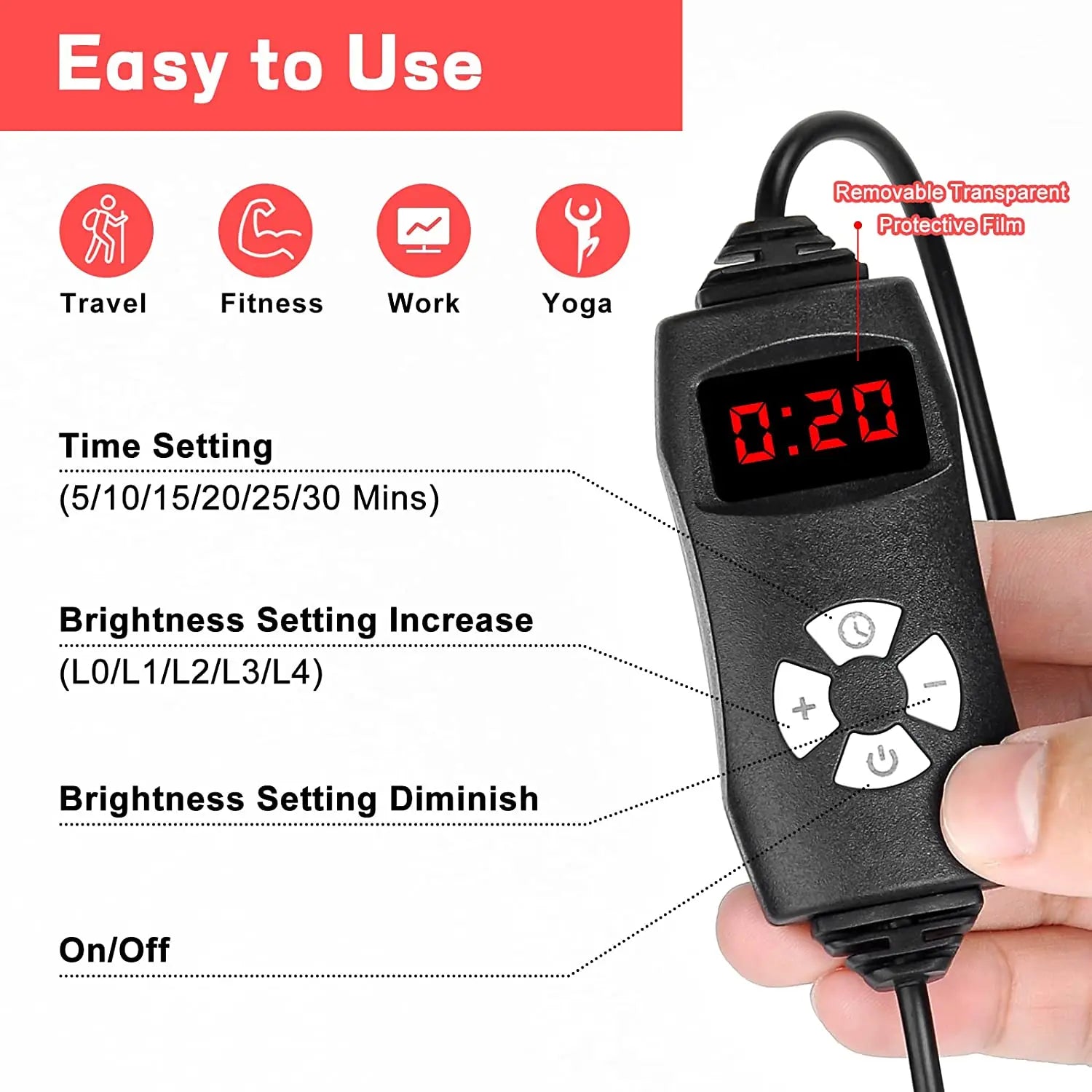
- Controls: Timers and straightforward controls can make regular use easier.
- Power source: Check whether the belt is corded or rechargeable and whether the available runtime fits your routine.
Comfort & Fit
Look for an adjustable design that stays positioned over the treatment area without excessive pressure. A comfortable belt is more likely to be used consistently, which matters more than a long feature list that does not fit your daily routine.
Safety & Certifications
Read the manufacturer's safety instructions and verify relevant regulatory, electrical, and product-quality information for the market where you live. Avoid devices with unclear operating instructions, exaggerated medical claims, or no meaningful information about intended use. If you have a photosensitivity condition, take photosensitizing medication, or have a condition that makes light exposure a concern, ask an appropriate healthcare professional before use.
Warranty & Value
Check the current warranty, return policy, replacement terms, charging components, and included accessories before buying. A higher price is worthwhile only when the added features or documented specifications solve a real need. Do not assign extra value to a premium label alone.
Red Flags to Avoid
- Unclear wavelength or output specifications
- Guaranteed weight-loss or dramatic fat-burning claims
- Unsubstantiated promises to treat every type of pain
- Poorly documented safety instructions
- No clear information about warranty or returns
- Marketing that focuses on “power” without explaining measurable output
LifePro red light therapy belt — infrared belts for home recovery
FAQ: Red Light Therapy Belt Reviews & Safety
Do red light therapy belts really work?
Yes, they can help with some goals, particularly localized comfort and recovery support, but effectiveness varies by device, dose, wavelength, condition, and consistency. A belt is not guaranteed to produce weight loss or other dramatic results.
Which red light therapy belt is best for back pain?
For back-focused use, look for a belt that clearly discloses its wavelengths and output and can cover the painful area comfortably. Near-infrared wavelengths such as 850nm are commonly included in devices intended for deeper tissue exposure, but wavelength alone does not determine whether a device will relieve your specific back pain.
Can a red light therapy belt help with weight loss?
A red light therapy belt should not be considered a primary weight-loss treatment. Some low-level light approaches have been studied for body contouring and localized circumference changes, but this is different from substantial whole-body fat loss. Exercise, nutrition, and sustainable lifestyle changes remain the foundation of weight management.
How long does it take to see results?
There is no universal timeline. Some users may notice comfort or recovery changes within the first few weeks, while visible skin or body-contouring changes, if they occur, may take longer. Consistency, device output, treatment dose, and individual factors all influence results.
What wavelength is best for a red light therapy belt?
There is no single wavelength that is best for every purpose. Around 630–660nm is commonly associated with more superficial applications, while approximately 800–880nm is used for near-infrared exposure. The appropriate choice also depends on irradiance, dose, coverage, and the intended treatment goal.
Can I use a red light therapy belt every day?
Not necessarily. Follow the manufacturer's recommended frequency and session duration. More frequent or longer exposure is not automatically better, and the appropriate schedule depends on the device's output and intended use.
Are red light therapy belts safe?
Red light therapy is generally considered well tolerated when used appropriately, but side effects and contraindications can vary. Follow the device's instructions, protect your eyes when required, and seek professional guidance if you have a photosensitivity condition, take photosensitizing medication, or are unsure whether light exposure is appropriate for you.
Should I choose a belt or a red light panel?
Choose a belt when targeted, hands-free treatment and portability are priorities. Choose a panel when broader coverage is more important. The better format depends on the body area, treatment goal, available space, and how consistently you are likely to use the device.
Are higher power red light therapy belts better?
Not automatically. Higher irradiance can change the dose delivered during a session, but the best device depends on the combination of wavelength, irradiance, treatment duration, coverage, and appropriate dosing. Excessive output or unnecessarily long sessions should not be assumed to produce better results.
Related Articles:
- Handheld Red Light Therapy Device Reviews: Best Options for Home Use
- Portable Red Light Therapy Device Reviews: Top Picks Compared
Pillar Articles:













