

Do long ride cycling leg warmers really help prevent muscle stiffness in cold weather?
Yes, long ride cycling leg warmers can help prevent muscle stiffness in cold weather by helping maintain muscle temperature and reducing heat loss during rides. Warmer muscles generally remain more flexible and responsive, which can support smoother movement and reduce the feeling of tightness during prolonged exposure to cold conditions. However, leg warmers are a supportive clothing choice rather than a complete solution. They work best alongside proper warm-ups, effective layering, hydration, and appropriate pacing strategies.
Cycling in Cold Weather Muscle Stiffness: Causes, Prevention & Recovery Guide
Cycling in cold weather can make even experienced riders feel slower, tighter, and more fatigued than usual. Lower temperatures affect circulation, muscle elasticity, joint mobility, and overall riding comfort. Understanding why stiffness happens and how to manage it can help cyclists maintain better performance during winter rides. Strategies such as proper warm-ups, smart clothing choices, steady pacing, and using long ride cycling leg warmers can help support muscle comfort and endurance in challenging conditions.
⏱ 7 min read
Explore how long ride cycling leg warmers support comfort, confidence, and endurance from mile one.
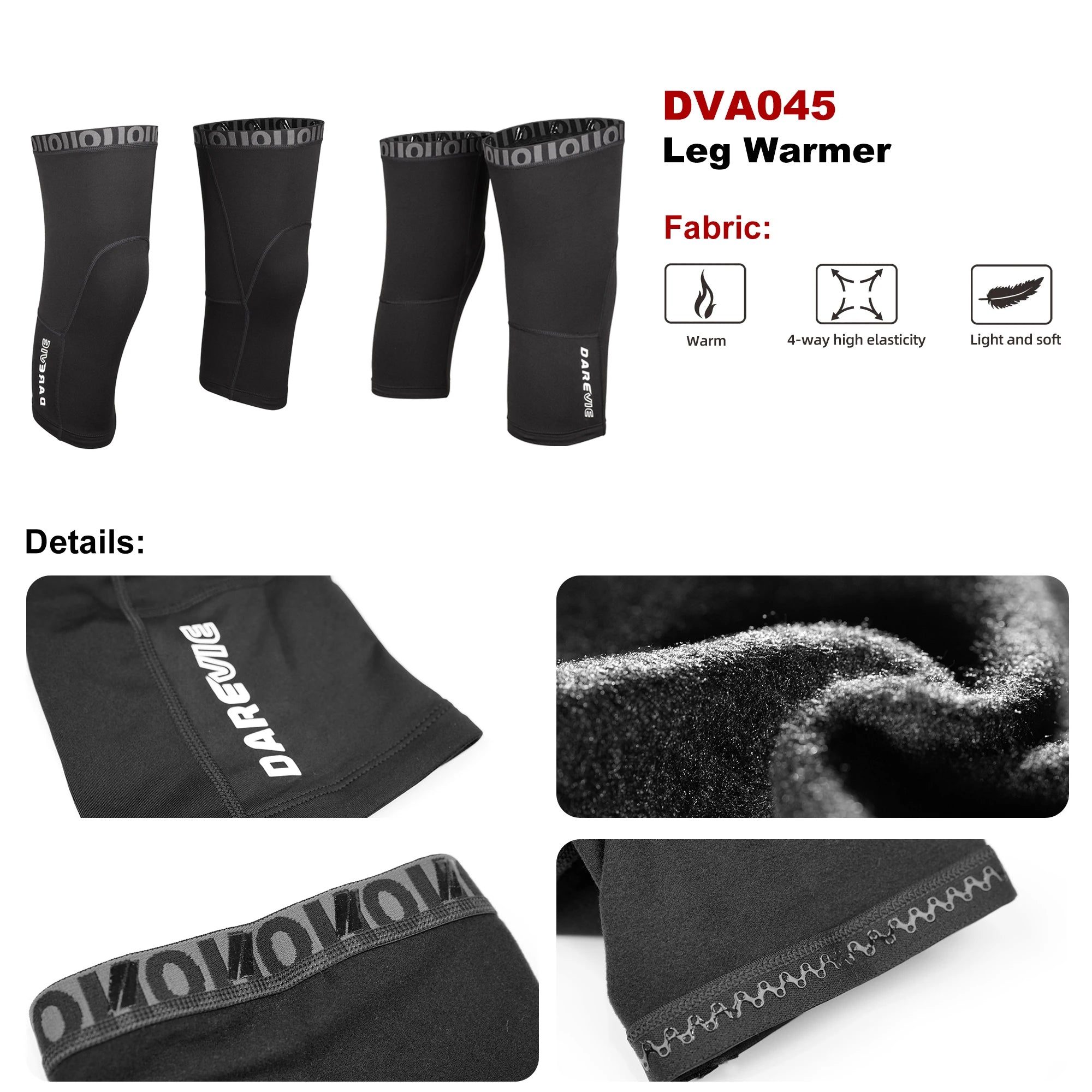
Long ride cycling leg warmers for adaptable warmth and endurance comfort See it in action
Why Cycling in Cold Weather Causes Muscle Stiffness
Cold temperatures can significantly change how muscles and joints respond during cycling. Cycling in cold weather muscle stiffness happens because the body prioritizes heat preservation, which can reduce blood flow to the limbs and make movement feel less efficient. For endurance riders, these effects become more noticeable as ride duration increases and muscles are exposed to cold for longer periods.
Reduced blood flow and muscle elasticity
When the temperature drops, blood vessels naturally constrict to help maintain core body heat. This reduced circulation can limit the delivery of oxygen and nutrients to working muscles, causing them to feel tighter and less responsive.
Cold muscles also tend to lose some elasticity compared with warm muscles. This can make pedaling feel less fluid, especially during the first part of a ride before the body has fully warmed up. Maintaining muscle temperature through appropriate clothing and gradual intensity increases can help reduce this effect.
Neuromuscular performance and joint mobility
Cold conditions can affect communication between the nervous system and muscles. Slower muscle activation and reduced coordination may make it harder to produce smooth power, particularly when starting a ride or pushing through demanding sections.
Joint mobility can also feel limited in colder environments. Lower temperatures may affect the way joints move, making cyclists feel more rigid through the knees, hips, and ankles. This is one reason a longer warm-up is important before intense winter riding.
Connective tissue stiffness and injury risk
Winter cycling muscle stiffness is not only about the muscles themselves. Tendons, ligaments, and other connective tissues may also feel less flexible in cold conditions. Reduced mobility combined with sudden high-intensity efforts can increase strain on the body.
Gradually increasing effort, maintaining proper riding form, and keeping muscles warm can help lower the chance of discomfort caused by sudden loading. Riders should pay attention to persistent pain, sharp discomfort, or unusual movement limitations rather than pushing through warning signs.
Impact on cycling performance and fatigue
Cold weather can make muscles work harder to maintain the same level of output. When muscles remain cold and stiff, cyclists may experience earlier fatigue, reduced power, and less efficient cadence.
This explains why many riders notice cycling cold weather muscle fatigue during longer rides. Maintaining warmth, managing effort levels, and avoiding unnecessary heat loss can help preserve energy and improve overall riding comfort.
How to Prevent Muscle Stiffness Cycling in Cold Weather (Pre-Ride Setup)
Indoor warm-up routine before cold rides
A proper warm-up is one of the most effective ways to prevent muscle stiffness cycling in cold weather . Instead of starting immediately at high intensity, spend 5–10 minutes preparing your muscles indoors before heading outside.
Dynamic movements such as leg swings, bodyweight squats, hip rotations, and light cycling on an indoor trainer help increase blood flow and gradually raise muscle temperature. This prepares the muscles, joints, and nervous system for the demands of outdoor riding.
Dynamic stretching vs static stretching
Dynamic stretching is generally better before a winter ride because it keeps muscles active while improving mobility and range of motion. Movements that involve controlled motion, such as walking lunges or gentle leg swings, can help prepare the body without reducing immediate muscle power.
Long static stretches are usually better saved for after the ride when muscles are already warm. Holding stretches for extended periods before cycling may not provide the same preparation benefits as active movement.
Layering strategy to keep muscles warm
Choosing the right clothing layers is essential for avoiding winter cycling muscle stiffness . The goal is to maintain a stable temperature while preventing excessive sweating that can make you cold later in the ride.
- Base layer: Helps move moisture away from the skin while maintaining warmth.
- Insulating layer: Traps heat around working muscles in colder conditions.
- Outer layer: Protects against wind chill, rain, and rapid heat loss.
- Leg protection: Cycling leg warmers provide adjustable insulation when temperatures change during a ride.
The best clothing for cycling in cold weather should balance warmth, breathability, and flexibility. Overdressing can cause sweat buildup, while underdressing can increase heat loss and make muscles tighten faster.
Nutrition and hydration before the ride
Cold conditions can reduce the feeling of thirst, but hydration still plays an important role in muscle function. Even mild dehydration can contribute to increased muscle tightness and reduced endurance.
Drink water before starting your ride and consider consuming a carbohydrate-rich meal or snack to provide energy for longer efforts. Proper fueling helps maintain performance and supports the body’s ability to generate heat during extended cold exposure.
During-Ride Strategies to Keep Muscles Warm and Flexible
Maintain cadence and power
Maintaining a steady cadence helps keep muscles active and warm throughout a cold-weather ride. Avoid starting too aggressively or pushing heavy gears immediately, as cold muscles may not be ready for sudden high-force efforts.
A smoother pedaling rhythm reduces unnecessary strain and can help manage cycling cold weather muscle fatigue during longer rides. Gradually increasing intensity gives your body time to adapt to outdoor conditions.
Micro-movements for circulation
Small movements can help maintain circulation when riding in cold conditions. Change hand positions, relax your grip, move your ankles slightly, and stand briefly during climbs to avoid staying completely static for long periods.
These simple adjustments help reduce stiffness by encouraging movement through the muscles and joints while maintaining riding efficiency.
Manage wind chill and temperature changes
Wind exposure can quickly reduce body temperature, especially during descents or when riding into strong headwinds. Adjust your layers before you become cold rather than waiting until discomfort appears.
Removing or adjusting clothing during climbs can also prevent excessive sweating. Damp clothing loses insulation more quickly when temperatures drop, increasing the risk of feeling stiff during later sections of the ride.
Recognize warning signs of excessive stiffness
Some muscle tightness is common during winter cycling, but riders should pay attention to warning signs that indicate they need to slow down or warm up. Persistent pain, reduced coordination, numbness, or unusual weakness should not be ignored.
Listening to your body and making small adjustments early can help prevent minor discomfort from becoming a more serious problem.
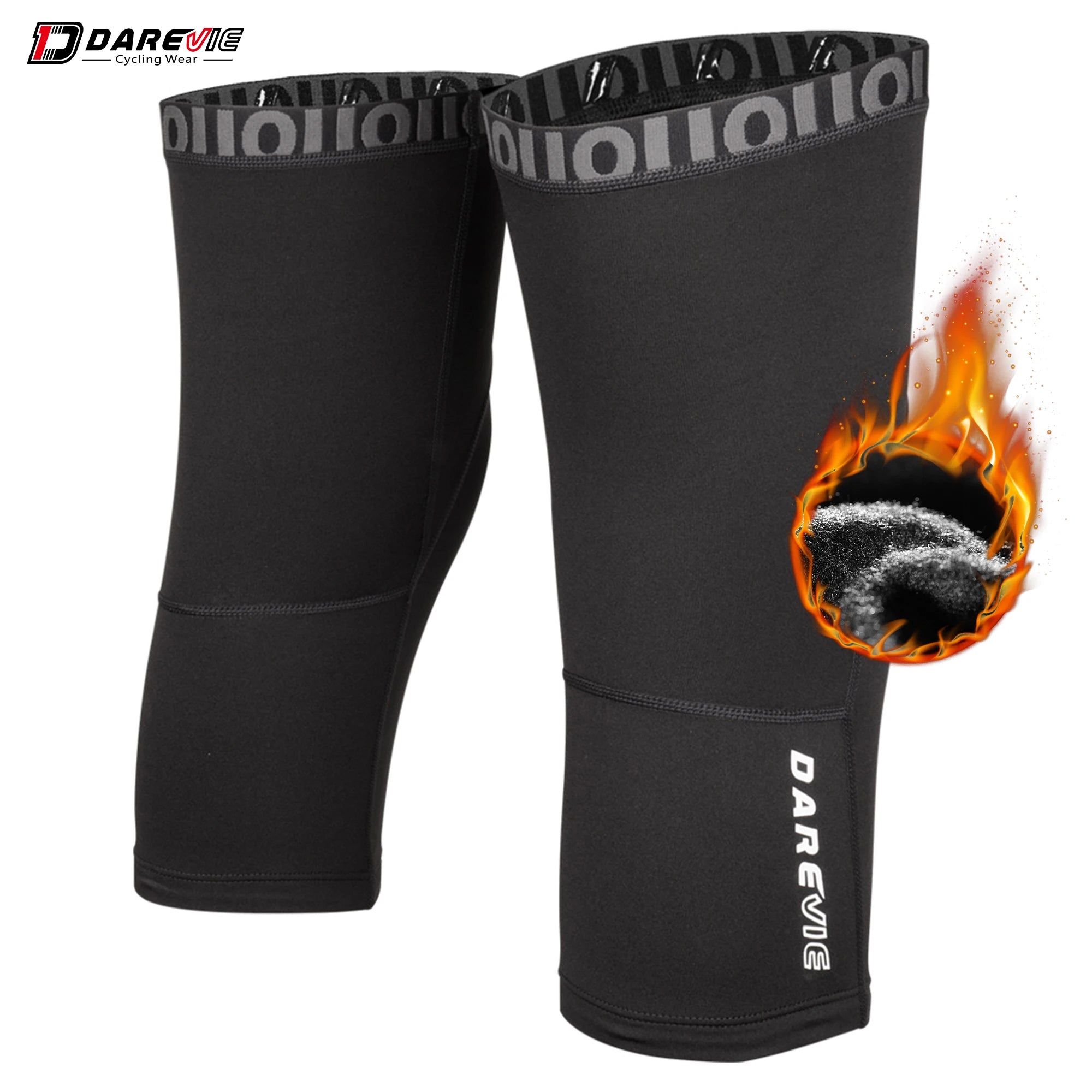
Cycling leg warmers supporting circulation and comfort on long distance rides See it in action
Best Clothing for Cycling in Cold Weather (Beyond Leg Warmers)
Base layers and thermal regulation
The best clothing for cycling in cold weather starts with a reliable base layer that helps regulate temperature throughout the ride. A quality moisture-wicking layer moves sweat away from the skin while retaining enough warmth to keep muscles comfortable during colder conditions.
Maintaining stable body temperature is especially important during longer rides because repeated cycles of overheating and cooling can contribute to muscle tightness. Choose breathable fabrics that allow moisture to escape while providing insulation without restricting movement.
Wind protection and moisture control
Wind can dramatically increase heat loss during winter rides, making protective outer layers an important part of a cold-weather cycling setup. Wind-resistant jackets, vests, and accessories help reduce exposure to cold air while allowing ventilation during harder efforts.
Moisture management is equally important. Sweat trapped against the skin can cool quickly during descents or slower sections, increasing discomfort and stiffness. Breathable materials and adjustable layers help maintain a comfortable temperature from the beginning to the end of a ride.
When to choose tights vs warmers
Choosing between cycling leg warmers and winter tights depends on temperature, ride duration, and changing weather conditions.
- Leg warmers: Best for variable conditions, shoulder seasons, and rides where temperature changes throughout the day. They provide adjustable warmth and can be removed easily if the body heats up.
- Winter cycling tights: Better for consistently cold environments where full-leg insulation is needed for the entire ride.
- Layering flexibility: Warmers work well with existing cycling shorts and allow riders to adapt quickly during changing conditions.
- Cold protection: Tights generally provide more complete coverage, while warmers offer better temperature control for mixed-weather rides.
The right choice depends on your riding environment. For many cyclists, adaptable clothing options help prevent overheating and sudden cooling, both of which can contribute to winter cycling muscle stiffness .
Leg Warmers vs Winter Cycling Tights: Which Is Better for Muscle Warmth?
Both cycling leg warmers and winter tights can help maintain muscle warmth, but they are designed for different riding situations. The better option depends on temperature stability, flexibility needs, and how much adjustment you want during a ride.
Temperature-based recommendations
For cool mornings, changing weather, or rides where temperatures increase throughout the day, leg warmers provide practical flexibility. They can be added before a ride and removed when conditions become warmer.
For consistently cold temperatures, winter cycling tights usually provide more complete insulation because they cover the entire leg with a dedicated thermal layer.
Flexibility and convenience
Leg warmers are popular among endurance riders because they are easy to carry and adjust. A cyclist can start with additional warmth and remove the layers during climbs or warmer sections without changing the entire outfit.
Winter tights offer a simpler all-in-one solution but provide less flexibility when temperatures fluctuate during longer rides.
Performance considerations
Both options can support cycling comfort by helping maintain muscle temperature. Warmer muscles may feel more responsive, allowing smoother movement and reducing the sensation of stiffness during cold exposure.
However, clothing should complement—not replace—proper warm-ups, pacing, hydration, and safe riding habits. The most effective cold-weather setup combines appropriate insulation with strategies that support circulation and muscle readiness.
Post-Ride Recovery: Reduce Muscle Soreness After Cold Weather Cycling
Cool-down and rewarming
After a cold-weather ride, focus on restoring warmth and maintaining circulation. Change out of damp clothing as soon as possible and avoid remaining still for long periods immediately after finishing.
Gentle movement, such as walking or light mobility exercises, can help transition the body from exercise back to recovery while reducing the feeling of stiffness.
Stretching and mobility timing
Stretching is often more comfortable once muscles have been rewarmed. After a warm shower or a few minutes of light movement, gentle mobility exercises can help maintain flexibility.
Avoid forcing deep stretches when muscles are still cold or tight. Controlled movements focused on the hips, calves, hamstrings, and lower body can support recovery after demanding winter rides.
Recovery nutrition and hydration
Cold weather does not eliminate the need for post-ride fueling. Replacing carbohydrates and consuming protein within the recovery window can support muscle repair and replenish energy stores after longer rides.
Hydration is also important because cold conditions can reduce thirst awareness. Drinking fluids after cycling helps support normal muscle function and recovery.
Cold Weather Muscle Stiffness Prevention Checklist
Use this checklist before, during, and after winter rides to help prevent muscle stiffness cycling in cold weather and maintain better comfort throughout your ride.
- Before the ride: Complete a 5–10 minute warm-up, prepare your clothing layers, and ensure your muscles are ready before starting at higher intensity.
- Clothing setup: Wear moisture-wicking base layers, protect against wind chill, and choose adjustable insulation such as cycling leg warmers when temperatures may change.
- Fuel and hydration: Drink fluids before and during longer rides, and consume enough carbohydrates to support energy levels in cold conditions.
- During the ride: Maintain a consistent cadence, avoid sudden high-power efforts, and make small movements to support circulation.
- Temperature management: Adjust layers before excessive sweating or chilling occurs to maintain a stable body temperature.
- After the ride: Change out of damp clothing, restore warmth gradually, perform gentle mobility exercises, and refuel with carbohydrates and protein.
- Safety awareness: Stop or reduce intensity if you experience numbness, unusual weakness, loss of coordination, or persistent pain.
Quick Answers: Cycling in Cold Weather Muscle Stiffness FAQ
Does cold weather affect cycling performance muscles?
Yes, cold weather can affect cycling performance by reducing muscle efficiency, slowing contraction response, and increasing the feeling of stiffness. When muscles remain cold, cyclists may experience reduced power output, slower warm-up time, and increased fatigue during longer rides.
How to keep muscles warm while cycling?
To keep muscles warm while cycling, use proper layers, maintain steady movement, manage sweat buildup, and choose clothing that matches the weather conditions. Cycling leg warmers, thermal layers, and wind protection can help reduce heat loss while supporting comfort.
How to avoid muscle stiffness cycling cold?
The best approach is to combine a proper warm-up, suitable clothing, hydration, nutrition, and consistent pacing. Avoid starting too hard, keep muscles active throughout the ride, and adjust your layers as temperatures change.
Is muscle stiffness worse on long rides in winter?
Yes, longer rides can increase the risk of stiffness because muscles are exposed to cold conditions for extended periods. Proper preparation, temperature management, and regular movement breaks can help reduce discomfort during endurance cycling.
Why do muscles become stiff faster in cold weather?
Muscles can become stiff faster in cold weather because lower temperatures reduce circulation, decrease tissue flexibility, and affect how efficiently muscles contract. A longer warm-up and proper insulation can help prepare the body for riding.
Should you stretch before or after a winter ride?
Dynamic movements are usually more suitable before cycling because they help activate muscles and improve mobility. Gentle stretching after the ride, once muscles are warm, can support flexibility and relaxation.
What temperature is too cold for outdoor cycling?
There is no single temperature limit for every cyclist because comfort depends on wind, humidity, clothing, experience, and ride duration. Riders should use appropriate protection and avoid conditions where maintaining warmth and control becomes difficult.
Can dehydration make muscle stiffness worse in winter?
Yes, dehydration can contribute to muscle tightness and fatigue even in cold weather. Lower temperatures may reduce thirst signals, so cyclists should continue drinking fluids during longer rides.
How long should you warm up before cycling in cold weather?
A 5–10 minute warm-up is a good starting point for many riders, although longer preparation may be helpful before intense efforts or extremely cold rides. The goal is to gradually increase circulation and muscle readiness.
When should muscle stiffness be evaluated by a healthcare professional?
Seek professional advice if stiffness is severe, persistent, associated with sharp pain, causes weakness or numbness, or affects normal movement. These symptoms may indicate an issue beyond normal cold-weather discomfort.
- Compression Fleece Leg Warmers Cycling Tested on Winter Rides
- Unisex Cycling Leg Warmers Winter Review: Fit After 100 Miles
Explore More:
- Compression Cycling Leg Warmers: Which Help Fatigue Most?
- Lightweight Cycling Leg Sleeves vs Warmers for Cold Mornings
Pillar Article: Not Found
Explore More:













