

Lightweight Cycling Leg Sleeves vs Leg Warmers: Which Keeps Your Legs Warmer on Cold Mornings?
Choosing between cycling leg sleeves vs leg warmers depends mainly on how much insulation you need, how much wind you expect, and whether you want lightweight flexibility or maximum warmth. Cycling leg sleeves are typically thinner, more breathable, and easier to pack, making them useful for cool-to-mild conditions. Cycling leg warmers generally provide more coverage and insulation for colder temperatures, longer rides, and stronger wind exposure.
⏱ 8 min read
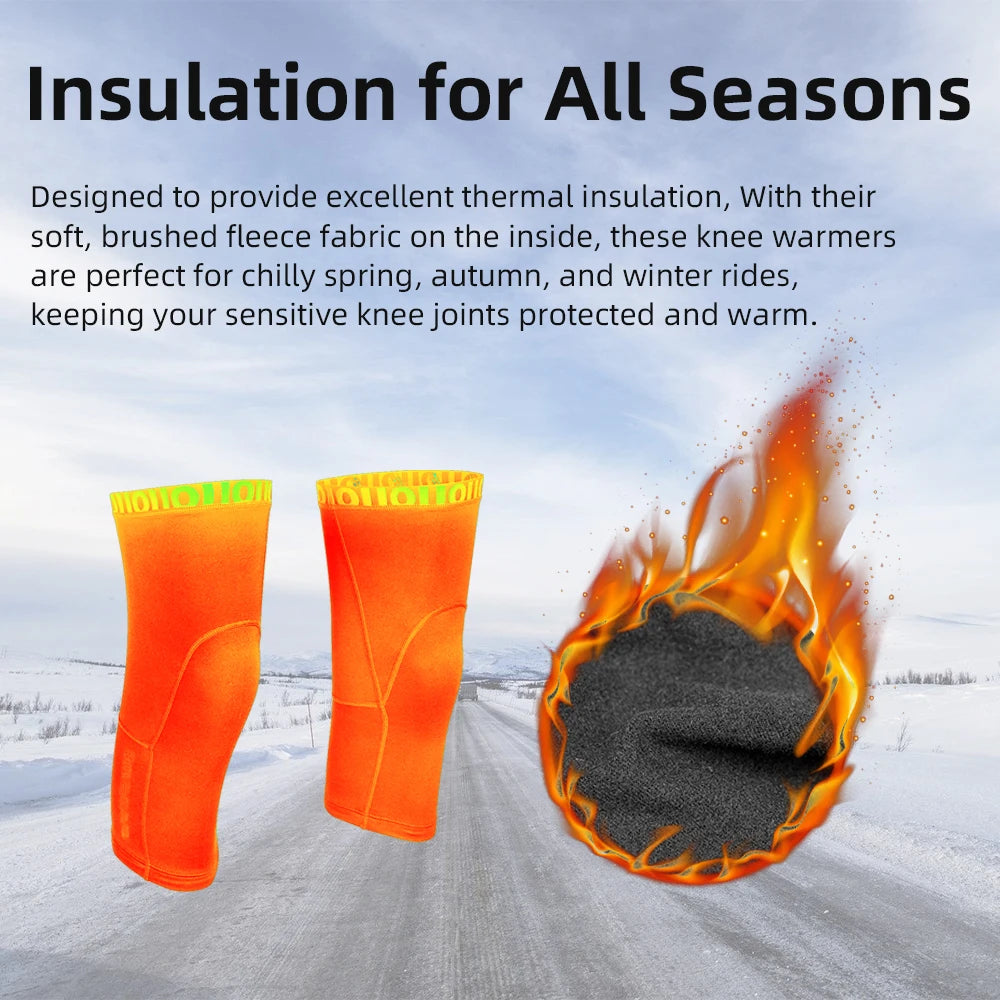
Lightweight cycling leg sleeves for flexible warmth on cold morning cycling See it in action
Cycling Leg Sleeves vs Leg Warmers: Which Is Better for Cold Weather Riding?
The short answer is that leg warmers are usually warmer, while cycling leg sleeves are usually lighter and more versatile . The better choice depends on the conditions and the way you ride.
| Choose Cycling Leg Sleeves If You Want | Choose Cycling Leg Warmers If You Need |
|---|---|
| Light insulation and high breathability | More substantial thermal insulation |
| Minimal bulk and easy packing | Better protection in colder or windier conditions |
| Flexible coverage for cool mornings | Longer coverage for extended cold-weather rides |
| Compression or a close aerodynamic fit | Fleece-lined warmth and greater cold protection |
In the leg sleeves vs warmers cycling debate, there is no universal winner. Lightweight sleeves often work best when the temperature is cool but not severe, while traditional warmers become more useful as temperatures drop or wind exposure increases. A practical decision framework is simple: consider temperature first, then wind, ride duration, intensity, and how easily you want to adjust your clothing during the ride.
Do Cycling Leg Sleeves Really Keep Your Legs Warm?
Yes, cycling leg sleeves can help keep your legs warm , but their warmth depends heavily on fabric thickness, fit, wind resistance, and the weather. They are designed to add a layer between your skin and the surrounding air, reducing direct exposure without the bulk of full thermal tights or heavier leg warmers.
They are generally most effective in cool-to-moderate conditions. On a high-intensity ride, lightweight sleeves may provide enough coverage without causing excessive heat buildup. On a long, slow ride in cold wind, however, a thicker thermal layer may be more comfortable.
How Compression Differs From Insulation
Some cycling leg sleeves use close-fitting compression fabrics. Compression and insulation are not the same thing. A snug fit can support a smooth, secure feel and reduce fabric movement, but it does not automatically make a garment highly insulating.
- Compression: Creates a close fit and may provide a supportive feel during movement.
- Insulation: Slows heat loss through fabric thickness, construction, and materials.
- Wind protection: Helps reduce the cooling effect of air moving across exposed legs.
That is why a thin compression sleeve may feel comfortable on a cool morning but provide less protection than a fleece-lined leg warmer in colder conditions. If you are asking are cycling leg sleeves worth it , they are particularly useful when you want adaptable coverage, low bulk, and protection from cool air without committing to a heavier thermal layer.
- Above 60°F (16°C): Sleeves may be useful for early-start chill, shade, wind, or UV coverage, depending on the rider and conditions.
- 45–60°F (7–16°C): Lightweight cycling leg sleeves are often a practical choice for moderate cold.
- Below 45°F (7°C): Thicker leg warmers, tights, or a layered system may offer better comfort, especially in wind.
Why Your Legs Get Cold During Cycling
Cold legs during cycling are influenced by more than the air temperature shown on a weather app. Wind, moisture, riding intensity, and the amount of time spent exposed to the elements all affect how quickly your legs lose heat.
Wind Chill and Heat Loss Explained
Moving air can make your legs feel colder because cycling creates constant airflow across exposed skin and clothing. Descents and fast road sections can be particularly noticeable because the wind effect increases even when the actual air temperature stays the same.
- Wind exposure: Increases the cooling effect on exposed legs.
- Muscle temperature: Cold muscles may feel stiff and less comfortable during the opening miles.
- Moisture: Sweat trapped against the skin can make a layer feel clammy and colder as the ride continues.
- Ride intensity: Hard efforts generate more body heat, while easy riding and long descents can make additional insulation more important.
- Weather changes: Shade, wind, elevation, and sunrise can create large comfort changes during a single ride.
The best cold weather cycling gear for legs balances warmth with moisture management. Overdressing can leave you sweaty early in the ride, while underdressing can make the first part of the ride unnecessarily uncomfortable.
What Are Cycling Leg Sleeves?
Cycling leg sleeves are separate, stretchy garments worn over the legs to add coverage and protection without requiring a full-length cycling tight. They are commonly paired with cycling shorts or bib shorts and can be removed when conditions become warmer.
Materials and Construction
Most cycling leg sleeves use stretch fabrics such as polyester, nylon, elastane, or spandex blends. The exact construction varies by product, but the main design goals are a close fit, freedom of movement, and controlled coverage.
- Compression fabrics: Create a close fit that helps reduce movement and bulk.
- Stretch construction: Allows the fabric to move with repeated pedaling.
- Moisture management: Helps move sweat away from the skin in active conditions.
- UV protection: Some designs provide additional coverage from sunlight during long outdoor rides.
- Close profile: A smooth fit can reduce excess fabric and maintain a streamlined feel.
Key Benefits Riders Notice Immediately
- Lightweight warmth: Adds a layer without the bulk of heavier thermal clothing.
- Easy on and off: Many designs can be removed without taking off cycling shoes.
- Packability: Lightweight sleeves can often be rolled and stored in a jersey pocket or small bag.
- Flexible coverage: Useful when temperatures change between the start and end of a ride.
- Minimal restriction: Stretch fabrics allow natural movement during pedaling.
For riders who regularly start in cool weather and finish in warmer conditions, cycling leg sleeves can be a practical part of a flexible clothing system.
What Are Cycling Leg Warmers?
Cycling leg warmers are removable leg coverings designed primarily to provide more warmth and protection than lightweight sleeves. They commonly extend from the ankle or lower leg toward the upper thigh and are often worn with cycling shorts or bib shorts.
Thermal Materials and Features
Leg warmers are typically made with thicker or more insulating fabrics than lightweight sleeves. Many cold-weather designs use brushed or fleece-lined interiors to help retain warmth.
- Thermal insulation: Thicker fabrics generally provide greater protection in colder conditions.
- Fleece lining: Brushed interiors can add warmth and a soft feel against the skin.
- Wind resistance: Some designs use denser outer fabrics to reduce exposure to moving air.
- Packability: Removable warmers can still be taken off and stored when temperatures rise, although they may take up more space than thin sleeves.
- Easy removal: A major advantage for rides that begin cold and become warmer later.
For riders exposed to cold air for long periods, traditional warmers generally provide more dependable insulation than lightweight sleeves.
Cycling Leg Sleeves vs Leg Warmers: Side-by-Side Comparison
| Feature | Cycling Leg Sleeves | Cycling Leg Warmers |
|---|---|---|
| Warmth | Light to moderate insulation | Moderate to high insulation |
| Typical conditions | Cool mornings and moderate temperatures | Colder rides and stronger wind exposure |
| Compression | Often close-fitting and may provide a compressive feel | Usually focused more on insulation than compression |
| Weather suitability | Best for mild-to-moderate cold, variable conditions, and high-intensity riding | Better suited to colder, windier, or longer rides |
| Packability | Very easy to roll and store | Packable but generally bulkier |
| Coverage | Depends on design and length | Typically offers more substantial full-leg coverage |
| Best use cases | Road cycling, racing, commuting, and cool-weather layering | Cold-weather riding, long rides, early starts, and variable conditions |
The main leg warmers vs sleeves difference is the balance between insulation and versatility. Sleeves are often the better lightweight option, while warmers are generally the better choice when staying warm is the primary concern.
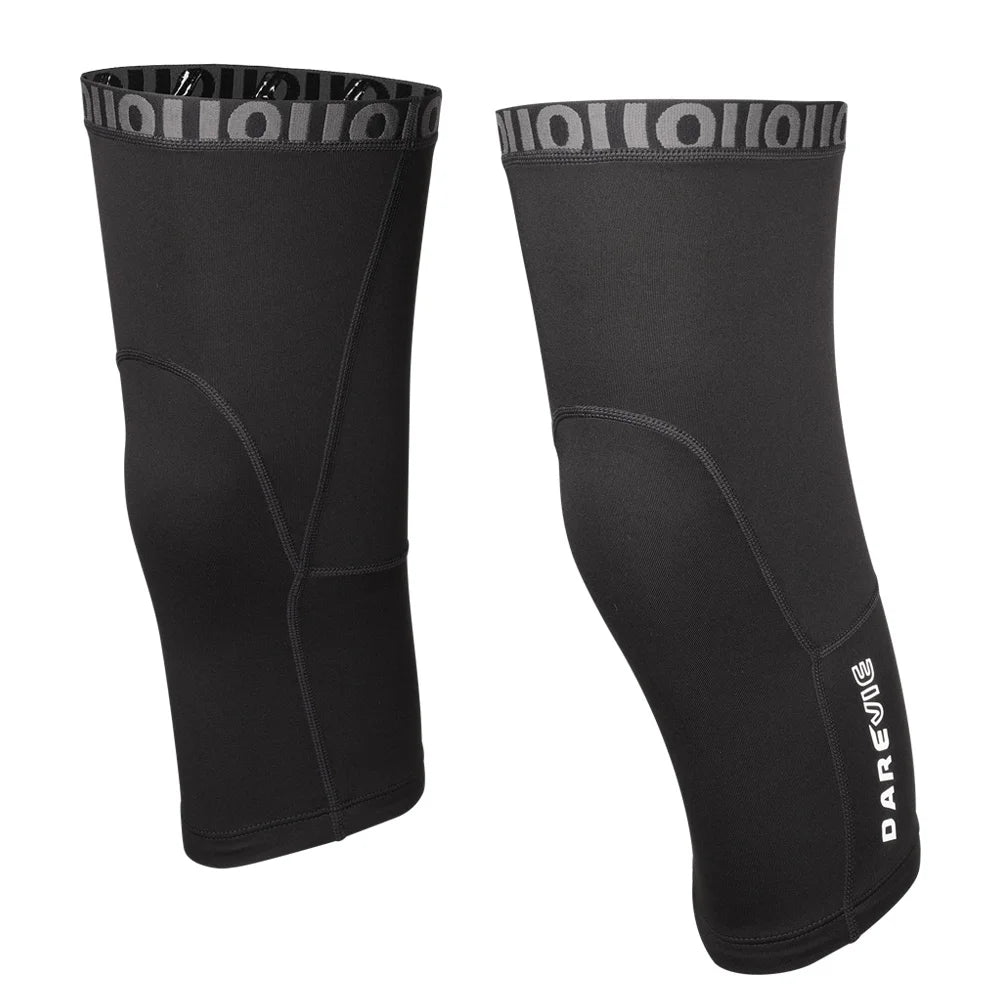
Comparing cycling leg sleeves and warmers for cold morning cycling See it in action
Temperature Guide: Which Option Should You Wear?
Temperature is a useful starting point, but wind, humidity, ride intensity, and personal cold sensitivity can change the right choice. Use the ranges below as a practical guide rather than a strict rule.
Above 60°F (16°C)
For many riders, full leg insulation may not be necessary once the morning is comfortably warm. Lightweight cycling leg sleeves can still be useful for a chilly start, strong wind, shade, or UV coverage. Choose a breathable option if you expect to generate significant heat.
45–60°F (7–16°C)
This is the range where cycling leg sleeves are often most useful. Lightweight sleeves can add warmth without making a moderate-intensity ride feel overly hot. For longer rides, windy routes, or riders who get cold easily, a warmer fabric may be preferable.
Below 45°F (7°C)
As temperatures drop, traditional leg warmers or full-length cycling tights become more attractive. Fleece-lined materials and better wind protection can provide more dependable insulation, particularly during long rides, slow-paced riding, or extended descents.
When deciding what to wear cycling cold mornings , also consider the expected temperature at the end of the ride. A removable layer can be especially useful when the temperature is likely to rise significantly after sunrise.
Best Choice by Riding Style
Road Cycling
Road cyclists often benefit from a lightweight, close-fitting layer that does not add unnecessary bulk. Cycling leg sleeves can be a strong choice for cool morning starts, fast rides, and conditions that may warm quickly. Traditional leg warmers become more useful as temperatures fall or wind exposure increases.
Gravel Riding
Gravel routes can combine changing elevations, variable speeds, wind, and less predictable weather. A removable layer is often valuable. Lightweight sleeves suit moderate conditions, while thermal warmers provide better protection when the route includes colder exposed sections or long periods of lower-intensity riding.
Mountain Biking
Mountain biking can involve shade, changing elevation, slower technical sections, and exposure to branches or rough terrain. Riders may prefer more durable coverage and dependable warmth. The best choice depends on the season, but thicker leg warmers or tights can be more suitable for colder trail conditions.
Commuting
For commuting, comfort and practicality often matter more than minimal weight. Cycling leg sleeves can work well for cool morning commutes when you want easy removal later. Leg warmers may be a better option for colder commutes, longer travel times, or routes with substantial wind exposure.
Layering Tips for Cold Morning Rides
A good layering system lets you adapt as your body warms up and the weather changes. The goal is not simply to wear the thickest possible layer but to combine coverage, insulation, and moisture control appropriately.
Pairing With Bib Shorts
Both cycling leg sleeves and leg warmers can be paired with bib shorts. This combination provides flexibility because the removable layer can be taken off if temperatures rise. Make sure the upper edge sits securely and does not create uncomfortable bunching under the bib short leg opening.
Adding Knee Warmers or Tights
For moderate cold, knee warmers can provide targeted protection without full-leg insulation. In colder conditions, tights or thermal leg warmers may offer more complete coverage. Layering should remain comfortable and should not create excessive restriction around the knees or hips.
- Check temperature and wind: Look beyond the air temperature and consider exposed roads, descents, and forecast changes.
- Start with the lightest suitable layer: Use cycling leg sleeves when conditions are cool but not severe.
- Choose more insulation for longer or slower rides: Extended exposure generally increases the need for dependable warmth.
- Manage moisture: Choose breathable, moisture-managing fabrics and avoid excessive layers that trap sweat.
- Plan for removal: If the temperature will rise, choose layers that can be removed and stored easily.
- Test your system: Short rides can help you identify whether your usual combination is too warm, too cold, or comfortable.
Fit, Care, and Longevity
The performance of cycling leg sleeves and warmers depends heavily on fit and care. A well-designed layer can become uncomfortable if it constantly slips, bunches, or retains moisture.
- Choose a secure fit: The garment should stay in place without creating excessive pressure or restricting movement.
- Check the cuffs and grippers: Silicone grippers or elastic cuffs can help reduce slipping during repeated pedaling.
- Follow the care label: Technical fabrics generally last longer when washed according to the manufacturer's instructions.
- Avoid unnecessary heat: Excessive heat during washing or drying can affect elastic fibers and grippers.
- Store garments dry: Allow sleeves and warmers to dry fully before storage to help maintain fabric freshness.
- Inspect high-wear areas: Check cuffs, seams, and grippers regularly for stretching or damage.
Proper care helps preserve stretch, fit, and moisture-management performance over repeated rides.
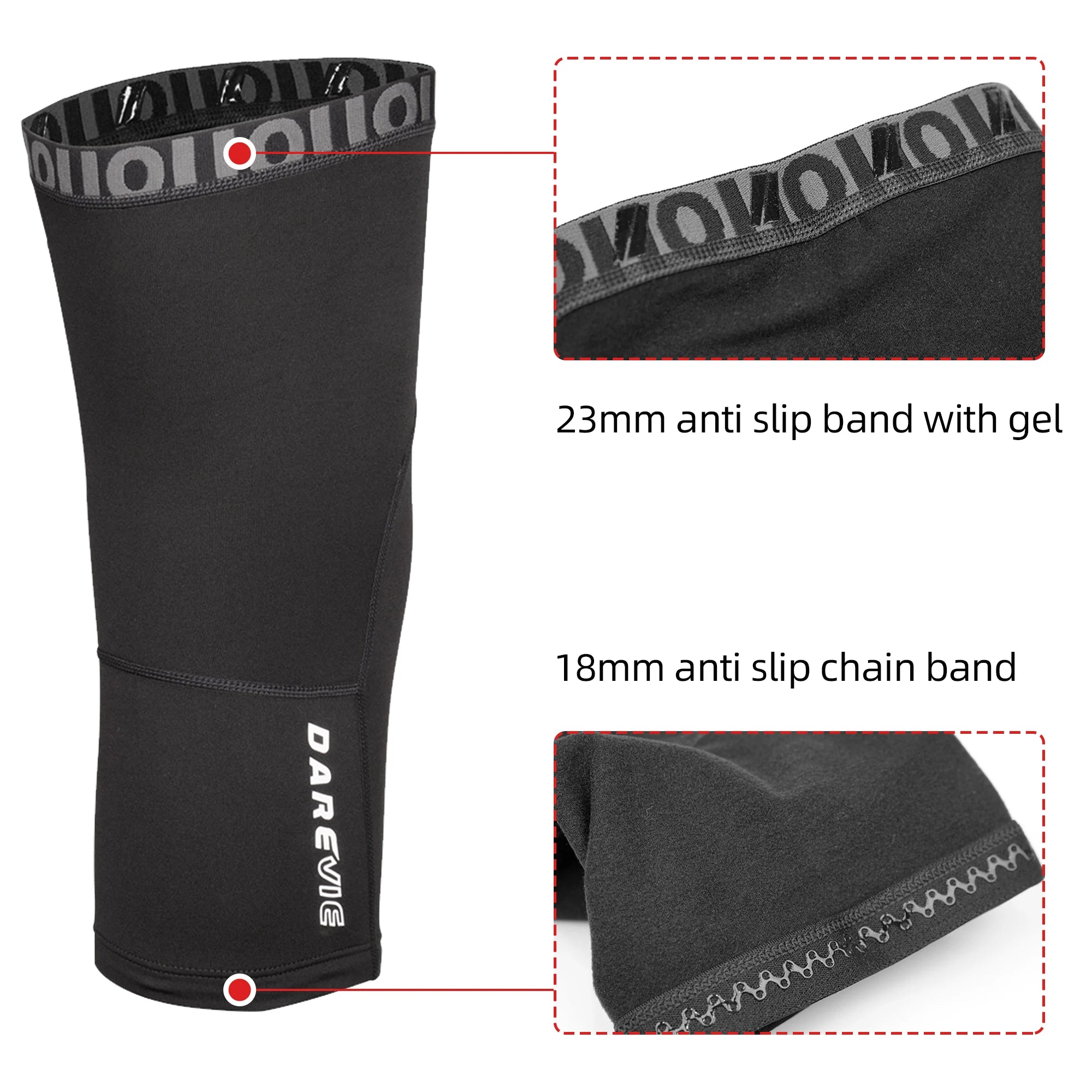
Beat early morning ride cold legs with smart cycling leg sleeves See it in action
Frequently Asked Questions
Are cycling leg sleeves worth it?
Yes, cycling leg sleeves can be worthwhile if you regularly ride in cool or changing conditions and want lightweight, removable coverage. They are especially useful when you want more warmth than bare legs provide without the bulk of heavier thermal clothing.
What is the difference between cycling leg sleeves and leg warmers?
Cycling leg sleeves are generally lighter and may focus on stretch, compression, breathability, or flexible coverage. Cycling leg warmers are typically designed with more insulation and may use thicker or fleece-lined fabrics for colder conditions.
Which is warmer: cycling leg sleeves or leg warmers?
In most cases, cycling leg warmers are warmer than lightweight cycling leg sleeves because they generally use thicker or more insulating materials. However, the actual warmth depends on the fabric, fit, wind protection, and construction of the specific garment.
What temperature should you wear cycling leg warmers?
Many riders begin considering cycling leg warmers below approximately 45–50°F (7–10°C), especially when it is windy or the ride is long. Personal cold sensitivity and ride intensity also matter, so some cyclists may prefer them at higher temperatures.
Can you wear cycling leg sleeves in winter?
Yes, but whether they are sufficient depends on the winter conditions. Lightweight sleeves may work during relatively mild winter weather or as part of a layered system. In colder temperatures, stronger wind, or long rides, thermal leg warmers or tights may provide better insulation.
How do you keep your legs warm while cycling on cold mornings?
Choose layers based on temperature, wind, ride duration, and intensity. Lightweight cycling leg sleeves can work for moderate cold, while thermal leg warmers or tights are generally better for colder conditions. Moisture-wicking fabrics and removable layers can help manage changing conditions.
Can you layer leg sleeves and leg warmers together?
Yes, you can layer them when additional insulation is needed, provided the combination does not restrict movement or create uncomfortable pressure. In many cases, however, a properly insulated pair of leg warmers or tights may be simpler and more comfortable than stacking multiple layers.
Do compression leg sleeves improve cycling performance?
Compression sleeves may provide a close, supportive fit and can feel comfortable during movement, but they should not be treated as a guaranteed performance enhancer. Their main practical benefits often relate to fit, coverage, comfort, and temperature management.
Explore More:
- Anti Slip Cycling Leg Warmers Compared on Fit and Grip
- Cycling Leg Warmers for Winter: 5 Options by Temperature
- Compression Cycling Leg Warmers: Which Help Fatigue Most?
- Thermal Fleece Cycling Leg Warmers Reviewed for Cold Rides
Explore More:
- Compression Benefits for Cyclists in Cold Weather Explained
- Compression Fleece Leg Warmers Cycling Tested on Winter Rides
Pillar Article: Not Found
Explore More:













