

Compression Leg Warmers for Cycling Fatigue Recovery: Do They Actually Help?
Compression cycling leg warmers are designed to support cyclists who experience heavy legs, muscle fatigue, and discomfort during or after long rides. By applying targeted pressure around the legs, they may help improve comfort, stabilize muscle movement, and support recovery after demanding cycling sessions.
But do compression cycling leg warmers actually reduce fatigue, or are they simply another piece of cycling equipment with limited benefits? The answer depends on several factors, including compression level, fit, riding intensity, training habits, and recovery routine.
This guide explains why cycling fatigue happens, how to prevent it, what compression leg warmers can realistically do, and how to choose the right approach for endurance, recovery, and long-distance cycling.
⏱ 8 min read
Long rides can leave your legs feeling heavy even when your breathing feels controlled. That fatigue often comes from repeated muscle contractions, energy depletion, poor pacing, or inefficient movement—not just lack of fitness. Compression cycling leg warmers may help, but understanding the cause of fatigue is the first step toward improving performance.
Explore how compression, fit, and riding habits affect endurance and recovery.
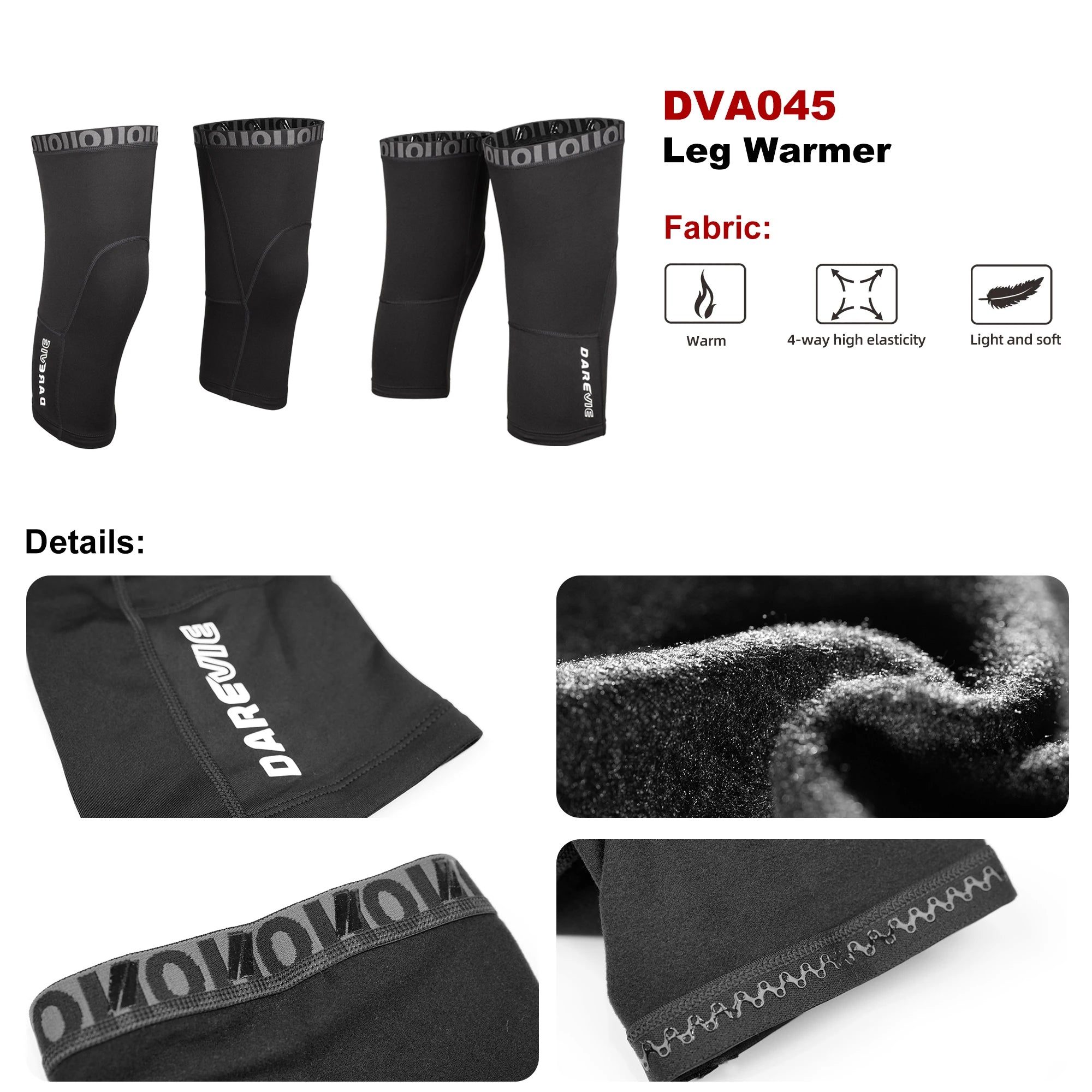
Compression cycling leg warmers supporting circulation and comfort on long rides
Why Your Legs Fatigue While Cycling
Cycling fatigue is caused by a combination of muscular stress, energy availability, riding technique, and recovery quality. Understanding these factors helps you address the root problem instead of relying only on cycling gear.
Muscle glycogen depletion
Your muscles rely heavily on glycogen stored from carbohydrates during cycling. As these fuel reserves decrease during longer or harder rides, muscles become less efficient and the legs can start to feel heavy or weak.
Proper fueling before and during longer sessions helps delay fatigue and maintain consistent power output.
Cadence and muscular load
Cadence affects how much force your muscles produce with each pedal stroke. A low cadence with heavy resistance increases muscular demand, especially on the quadriceps and glutes.
Learning how to choose the right cycling cadence can help reduce unnecessary muscle strain and improve endurance efficiency.
Bike fit and biomechanics
A poorly adjusted bike can force certain muscles to work harder than necessary. Saddle height, cleat position, and riding posture all influence how efficiently your legs transfer power.
Incorrect positioning can contribute to premature fatigue, discomfort, and uneven muscle loading.
Hydration and electrolyte loss
Dehydration affects muscle contraction, temperature regulation, and perceived effort. During long or hot-weather rides, losing electrolytes through sweat can also contribute to tired legs and reduced performance.
A consistent hydration strategy is an important part of cycling muscle fatigue recovery.
How to Prevent Leg Fatigue Before Your Ride
Optimize bike fit
Before increasing distance or intensity, make sure your bike setup supports efficient movement. Proper saddle position, reach, and cleat alignment help distribute workload across the correct muscle groups.
Fuel before riding
Eating enough carbohydrates before a demanding ride provides available energy for working muscles. Longer sessions may require additional fuel during the ride to prevent sudden energy drops.
Warm up effectively
A gradual warm-up prepares muscles for repeated contractions. Easy spinning, dynamic mobility exercises, and short increases in effort can improve readiness before harder cycling.
Plan pacing and route
Starting too fast is one of the most common causes of early fatigue. Managing effort from the beginning allows you to preserve energy for climbs, distance, and final efforts.
How to Reduce Leg Fatigue During the Ride
Maintain an efficient cadence
A smoother cadence reduces the amount of force required per pedal stroke. Many endurance riders use a comfortable rhythm that balances muscular effort and cardiovascular demand.
Choose the right gears
Using overly heavy gears can quickly overload your muscles. Shifting earlier helps maintain smoother pedaling and prevents unnecessary fatigue.
Hydration and fueling schedule
Do not wait until you feel exhausted before drinking or eating. Regular hydration and fueling intervals help maintain energy levels throughout longer rides.
Avoid early overexertion
Many cyclists experience late-ride fatigue because they spend too much energy during the first portion of a ride. Controlled pacing improves endurance and recovery.
Do Compression Leg Warmers Help Reduce Cycling Fatigue?
Compression leg warmers for cycling fatigue may help improve comfort during long rides and support recovery afterward. However, they are not a substitute for endurance training, proper nutrition, or efficient cycling technique.
Performance during rides
Compression cycling leg warmers apply pressure around the legs, which may help reduce excessive muscle movement during repetitive pedaling. Some cyclists report less perceived heaviness and improved comfort during sustained efforts.
Recovery after rides
Compression gear is commonly used after cycling because it may support circulation and reduce the feeling of post-ride swelling or soreness.
What current evidence shows
Research on compression garments shows mixed results for direct performance improvements. While compression may not dramatically increase cycling power, it can support perceived recovery, comfort, and muscle freshness for some riders.
The most realistic expectation is that compression cycling leg warmers complement good training and recovery habits rather than replace them.
How Compression Cycling Leg Warmers Improve Circulation & Reduce Fatigue
Compression cycling leg warmers use graduated pressure to provide support around the legs. This pressure may encourage venous return, reduce muscle vibration, and improve comfort during repeated cycling movements.
Circulation vs perceived recovery
Compression does not automatically transform circulation or eliminate fatigue. However, reduced muscle oscillation and improved comfort may change how fatigue feels during and after riding.
Who benefits most
- Endurance cyclists completing long-distance rides
- Riders training frequently throughout the week
- Cyclists who experience heavy-leg sensations after intense sessions
- Cold-weather cyclists needing additional leg support
Limitations
Compression cannot fix poor bike fit, dehydration, insufficient fueling, or overtraining. The greatest benefits usually come when compression is combined with effective cycling habits.
Which Compression Level Helps Cycling Fatigue Most?
Light Compression (10–15 mmHg)
Light compression provides gentle support and is suitable for casual cycling, shorter rides, and cyclists who prioritize comfort and flexibility.
Moderate Compression (15–20 mmHg)
Moderate compression offers the best balance for many endurance riders. It provides support without feeling overly restrictive during longer rides.
Firm Compression (20–30 mmHg)
Firm compression provides stronger pressure and is often preferred for recovery use. Correct sizing is essential because excessive pressure can reduce comfort.
Explore compression options built for long rides
Material, Fit & Breathability: What Actually Impacts Performance
The performance of compression cycling leg warmers depends heavily on construction quality, sizing, and temperature management.
- Moisture-wicking fabrics: Help manage sweat and maintain comfort.
- Elastic blends: Provide consistent compression while allowing movement.
- Seamless designs: Reduce friction during extended rides.
- Breathable materials: Help prevent overheating in warmer conditions.
A proper fit should feel supportive without creating painful pressure points. Oversized warmers may lose compression benefits, while overly tight options may restrict comfort.
Build Fatigue Resistance Through Training
Endurance rides
Long steady rides improve muscular endurance and teach your body to manage energy efficiently over time.
Interval sessions
Intervals help improve your ability to handle higher workloads and recover between intense efforts.
Strength training
Strength exercises targeting the glutes, hamstrings, core, and legs can improve cycling efficiency and reduce excessive strain.
Recovery weeks
Planned recovery periods allow muscles to adapt and help prevent accumulated fatigue from reducing performance.
Recovery Strategies That Keep Your Legs Fresh
Nutrition after rides
Post-ride nutrition with carbohydrates and protein supports glycogen replacement and muscle repair.
Sleep and recovery
Quality sleep supports physical recovery, training adaptation, and consistent cycling performance.
Stretching and mobility
Mobility exercises can help maintain comfortable movement and reduce stiffness after demanding rides.
When compression helps
Compression leg warmers may be useful after longer rides when cyclists want additional comfort and support during recovery.
Troubleshooting Fatigue by Muscle Group
Quad fatigue
Rapid quad fatigue may indicate heavy gearing, low cadence, or excessive workload on the front of the legs.
Calf fatigue
Calf discomfort can be linked to cleat position, foot movement, or inefficient pedaling mechanics.
Hamstring fatigue
Hamstring overload may result from saddle position issues or poor force distribution during the pedal stroke.
Hip and glute fatigue
Hip and glute fatigue may indicate bike fit problems, mobility limitations, or the need for targeted strength development.
Common Mistakes That Make Leg Fatigue Worse
- Using incorrect cadence and relying on heavy gears
- Skipping meals or fueling during long rides
- Ignoring hydration and electrolyte needs
- Increasing training volume too quickly
- Expecting compression gear to replace fitness development
- Skipping recovery between hard sessions
Leg Fatigue Prevention Checklist for Every Ride
- Before ride: Check bike setup, warm up, and fuel properly.
- During ride: Maintain cadence, pace effort, and hydrate consistently.
- After ride: Restore energy, recover muscles, and use compression if helpful.
- Weekly habits: Build endurance, strength, and recovery into your routine.
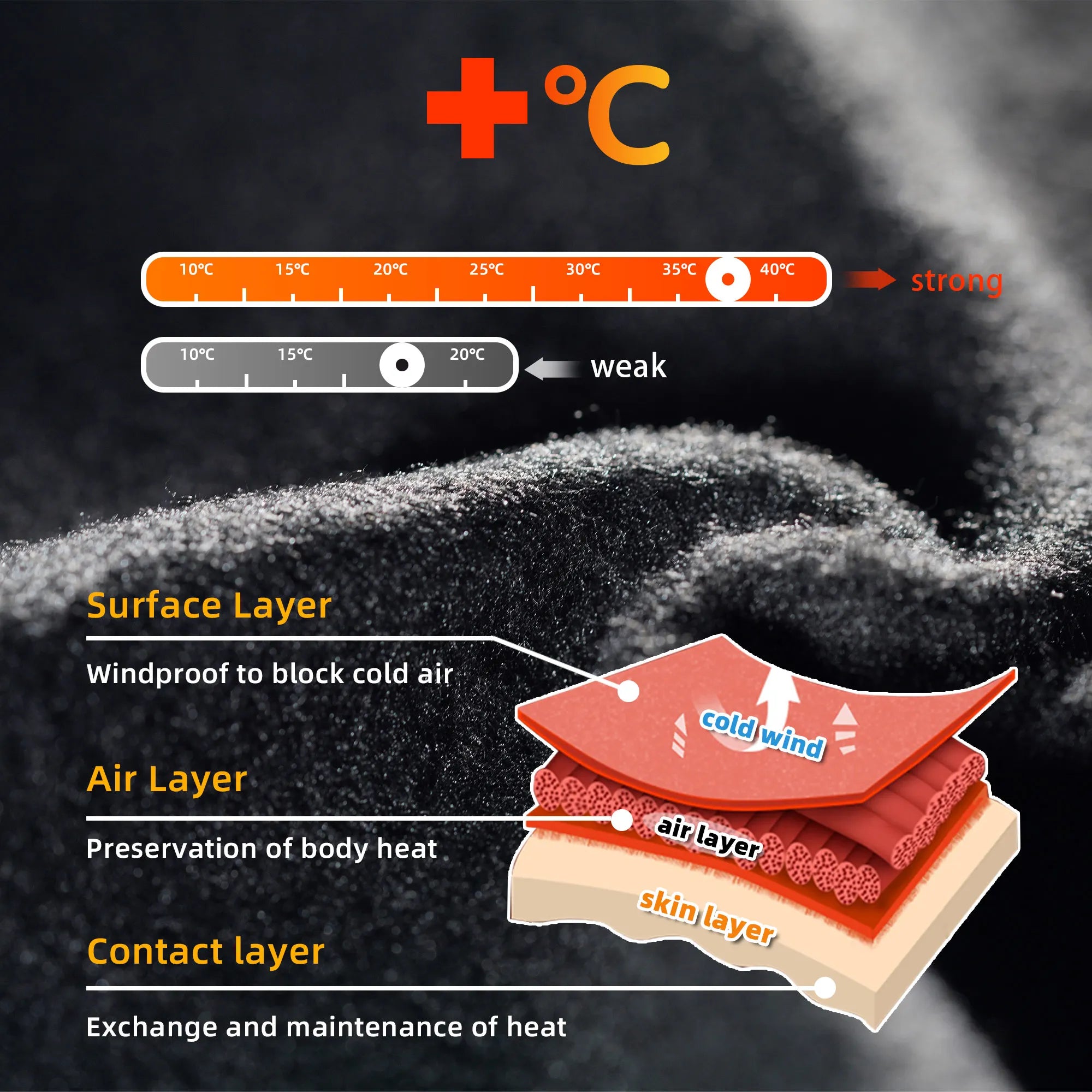
Compression leg warmers supporting comfort during endurance cycling
Quick FAQs About Compression Leg Warmers for Cycling Fatigue
Do compression leg warmers reduce fatigue during rides?
They may reduce perceived fatigue and improve comfort during long rides, but they work best alongside proper training, pacing, and fueling.
Do compression sleeves improve circulation?
Compression sleeves may support circulation through graduated pressure, although individual results vary.
Should beginners wear compression leg warmers?
Yes. Beginners can use light or moderate compression for comfort and support, especially during longer cycling sessions.
How long should I wear compression sleeves after cycling?
Many cyclists wear compression gear for several hours after demanding rides depending on comfort and recovery goals.
How do I prevent leg fatigue when cycling?
Preventing leg fatigue requires proper bike fit, efficient cadence, adequate fueling, hydration, progressive training, and sufficient recovery.
What cadence helps reduce cycling leg fatigue?
A comfortable cadence that avoids excessive muscular strain can help reduce fatigue. The ideal cadence depends on fitness level, terrain, and riding goals.
Can poor bike fit cause leg fatigue?
Yes. Incorrect bike setup can force muscles to work inefficiently and contribute to early fatigue.
Why do my quads fatigue before my lungs?
This often happens when your muscles are overloaded by gearing, cadence, or bike position before your cardiovascular system reaches its limit.
- Anti Slip Cycling Leg Warmers Compared on Fit and Grip
- Lightweight Cycling Leg Sleeves vs Warmers for Cold Mornings
- Cycling Leg Warmers for Winter: 5 Options by Temperature
- Thermal Fleece Cycling Leg Warmers Reviewed for Cold Rides
Explore More:
- Compression Benefits for Cyclists in Cold Weather Explained
- Compression Fleece Leg Warmers Cycling Tested on Winter Rides
Pillar Article: Not Found
Explore More:
- Compression Fleece Leg Warmers Cycling Tested on Winter Rides
- Compression Cycling Leg Warmers: Which Help Fatigue Most?
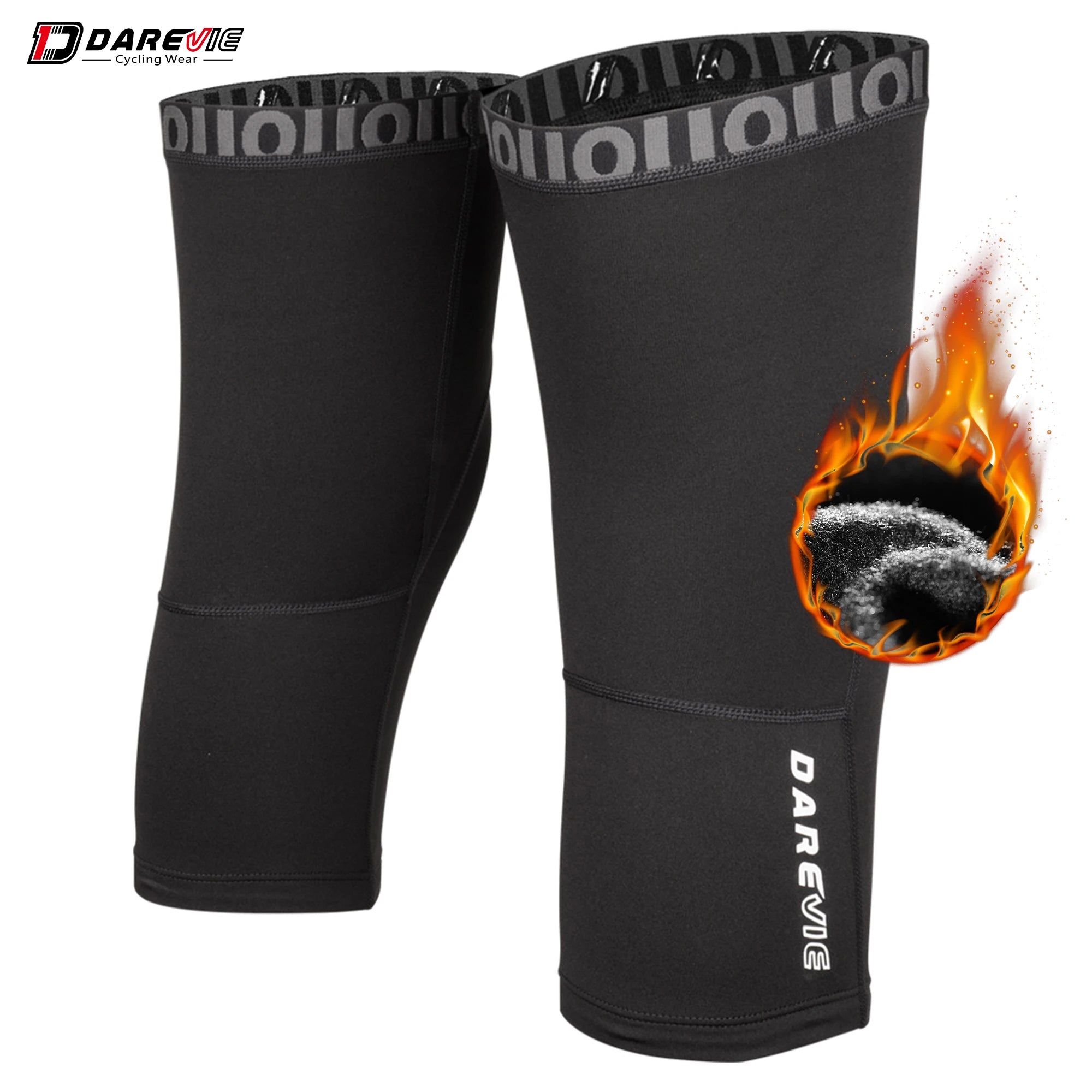
Designed to support cycling muscle fatigue recovery and circulation comfort
Get yours now — limited stock!













