

Do cycling leg warmers for winter really work?
Yes, cycling leg warmers for winter work well when they match the weather conditions and your riding style. Unlike bulky winter tights that provide full-time coverage, winter cycling leg warmers add targeted insulation while keeping your legs flexible, breathable, and easier to regulate during changing temperatures.
They are especially useful for road cyclists, commuters, gravel riders, and endurance cyclists who ride through cool mornings, transitional seasons, or unpredictable winter weather. A quality pair of thermal or fleece cycling leg warmers can help keep muscles warm, reduce discomfort from cold exposure, and make longer rides feel more manageable.
When leg warmers outperform tights
Leg warmers often outperform full cycling tights when versatility matters most. They can be worn with bib shorts, removed during warmer sections of a ride, and packed easily when conditions change. This makes them a practical choice for riders who start in cold temperatures but finish in milder weather.
For many cyclists, the ability to adjust layers without stopping is a major advantage. Leg warmers provide warmth around the knees, calves, and thighs while avoiding the extra bulk of a full lower-body layer.
Ideal temperature ranges for winter rides
The best temperature range depends on fabric thickness, wind protection, and riding intensity:
- 10°C to 15°C (50°F to 59°F): Lightweight thermal leg warmers provide enough warmth for cool morning rides.
- 5°C to 10°C (41°F to 50°F): Fleece-lined or Roubaix-style leg warmers offer better insulation for regular winter cycling.
- 0°C to 5°C (32°F to 41°F): Windproof winter cycling leg warmers are recommended, especially for exposed roads or longer rides.
For extreme cold, heavy rain, or prolonged freezing conditions, insulated cycling tights may still be the better option. However, for most riders asking “are leg warmers good for cycling,” the answer is yes when they are selected for the right environment.
Cycling Leg Warmers for Winter: Best Picks, Testing Results & Buying Guide
Best Cycling Leg Warmers for Winter (Top Picks 2026)
Choosing the best cycling leg warmers for winter depends on temperature, riding duration, wind exposure, and personal comfort preferences. We evaluated options based on warmth retention, fabric performance, compression support, fit stability, and durability during cold-weather riding conditions.
The top choices below are grouped by rider needs, helping you find the right balance between insulation, mobility, and performance.
Best Overall Thermal Leg Warmers
Best for: Everyday winter training and cool-weather road cycling.
Thermal leg warmers cycling models provide the best balance of warmth, breathability, and flexibility for most riders. Look for brushed interior fabrics, ergonomic panel construction, and silicone grippers that prevent slipping during repeated pedal movement.
Pros: Versatile temperature range, comfortable fit, easy layering.
Cons: May need additional wind protection in freezing conditions.
Best Fleece Cycling Leg Warmers for Cold Weather
Best for: Early morning rides, endurance sessions, and colder dry conditions.
Fleece cycling leg warmers use a soft insulated interior to trap warm air close to the skin. They are ideal for riders who need extra warmth without switching to heavier winter tights.
Pros: Excellent insulation, comfortable against the skin, suitable for long rides.
Cons: Can feel warmer than needed during high-intensity efforts.
Best Compression Leg Warmers for Performance
Best for: Long-distance cycling, training sessions, and riders focused on muscle support.
Compression leg warmers combine thermal protection with a closer fit that helps stabilize muscles during repetitive pedaling. They are popular among endurance cyclists who want warmth without sacrificing a performance-oriented feel.
Pros: Supportive fit, reduced fabric movement, excellent for extended rides.
Cons: Incorrect sizing can reduce comfort.
Best Budget Winter Cycling Leg Warmers
Best for: Casual riders, commuters, and cyclists building a cold-weather kit.
Affordable winter cycling leg warmers can provide reliable protection when paired with the right base layers and outer gear. Prioritize fit, grip quality, and stitching durability over extra features.
Pros: Cost-effective, practical for occasional use.
Cons: Usually offer less weather protection than premium models.
Best for Extreme Cold & Wind Protection
Best for: Cold, windy routes and exposed outdoor riding.
Windproof cycling leg warmers add an outer barrier that reduces wind chill, helping maintain warmth when temperatures drop. They are particularly useful for cyclists who ride in open areas where cold air directly impacts the legs.
Pros: Better protection against harsh weather, improved comfort in strong winds.
Cons: Less breathable than lightweight thermal designs.
Best Water-Resistant Leg Warmers
Best for: Damp roads, light rain, and unpredictable winter conditions.
Water-resistant leg warmers help protect against road spray and light moisture while maintaining flexibility. They are a useful upgrade for commuters and riders who cannot avoid wet-weather conditions.
Pros: Better moisture protection, versatile for changing weather.
Cons: Not a replacement for fully waterproof cycling gear in heavy rain.
Quick Comparison Table: Top Winter Cycling Leg Warmers
| Type | Warmth Rating | Temperature Range | Material | Compression | Best Use |
|---|---|---|---|---|---|
| Thermal Leg Warmers | Medium | 10°C to 15°C | Brushed thermal fabric | Light | Daily rides and cool mornings |
| Fleece Cycling Leg Warmers | Medium to High | 5°C to 10°C | Fleece or Roubaix fabric | Optional | Cold-weather endurance rides |
| Compression Leg Warmers | Medium | 5°C to 15°C | Stretch thermal blend | Yes | Performance training and long rides |
| Windproof Leg Warmers | High | 0°C to 10°C | Thermal fabric with wind barrier | Optional | Cold and windy conditions |
| Water-Resistant Leg Warmers | Medium to High | 0°C to 10°C | Weather-resistant outer layer | Optional | Wet roads and unpredictable weather |
This comparison makes it easier to choose the best leg warmers for winter rides based on temperature, insulation needs, and cycling conditions.
⏱ 7 min read — Cold legs, numb muscles, and bulky layers can make winter cycling uncomfortable. This guide examines whether compression fleece leg warmers cycling can replace heavier winter tights while providing warmth, flexibility, and reliable performance during real cold-weather rides.
Compression fleece leg warmers cycling tested on cold rides — See it in action
Why Winter Cycling Is Hard on Your Legs
Cold weather creates extra challenges for cyclists because lower temperatures affect muscle comfort, flexibility, and overall riding efficiency. When exposed to cold air, muscles can feel tighter, making the first miles of a ride more difficult and increasing the need for proper cycling in cold weather gear .
Wind chill can make conditions feel significantly colder than the actual temperature, especially during fast descents or open-road riding. Without adequate leg protection, cold air can quickly reduce comfort and make it harder to maintain a consistent pace.
Keeping leg muscles warm is not only about comfort. Warm muscles generally move more efficiently, while cold conditions can contribute to stiffness, reduced power output, and slower post-ride recovery. This is why many cyclists add thermal layers such as winter cycling leg warmers instead of relying only on standard cycling shorts.
What Makes Thermal & Compression Leg Warmers Different?
The difference between standard leg coverings and high-performance thermal leg warmers cycling options comes down to fabric technology, weather protection, and fit. The best designs combine insulation with flexibility so riders can stay warm without feeling restricted.
Thermal fleece vs Roubaix fabrics
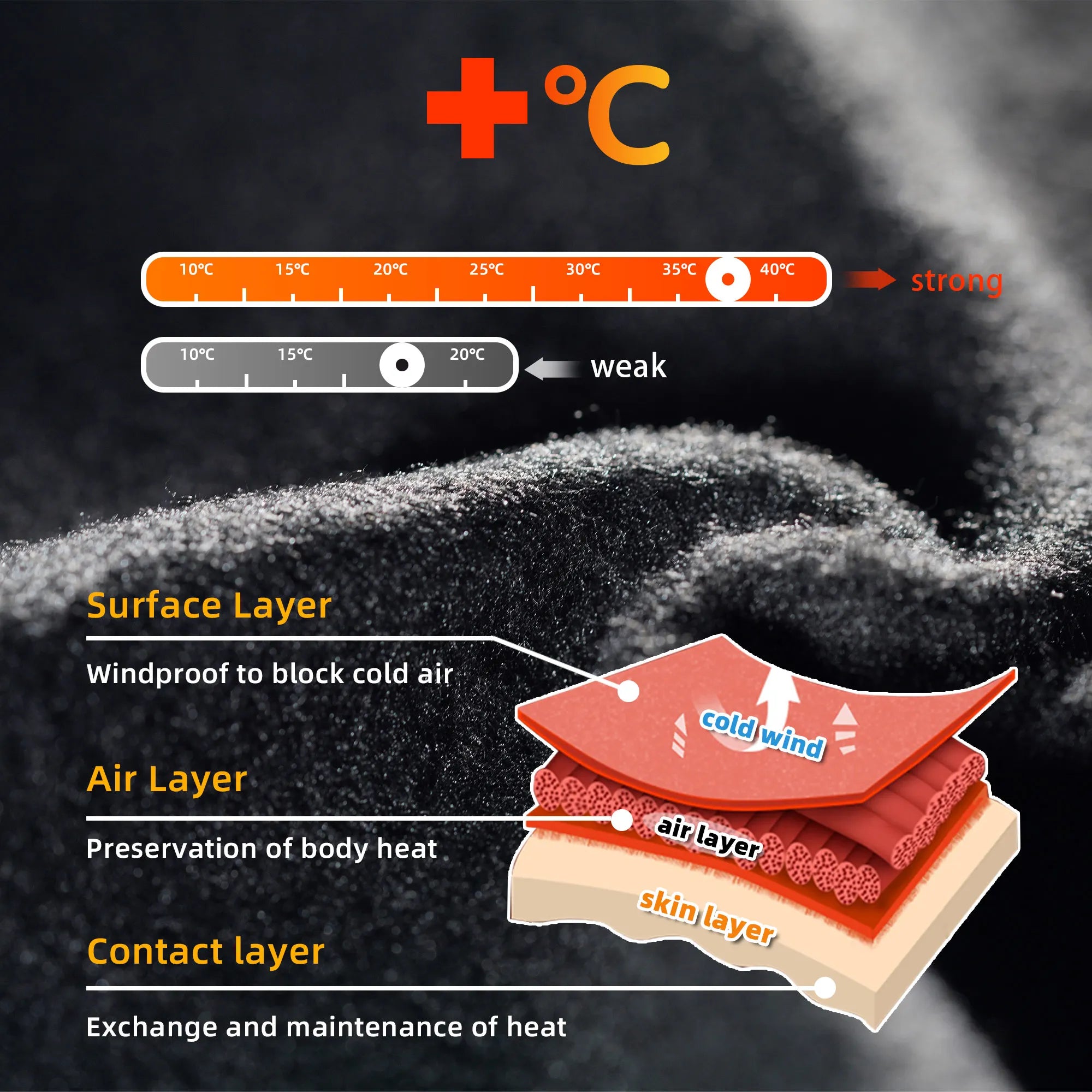
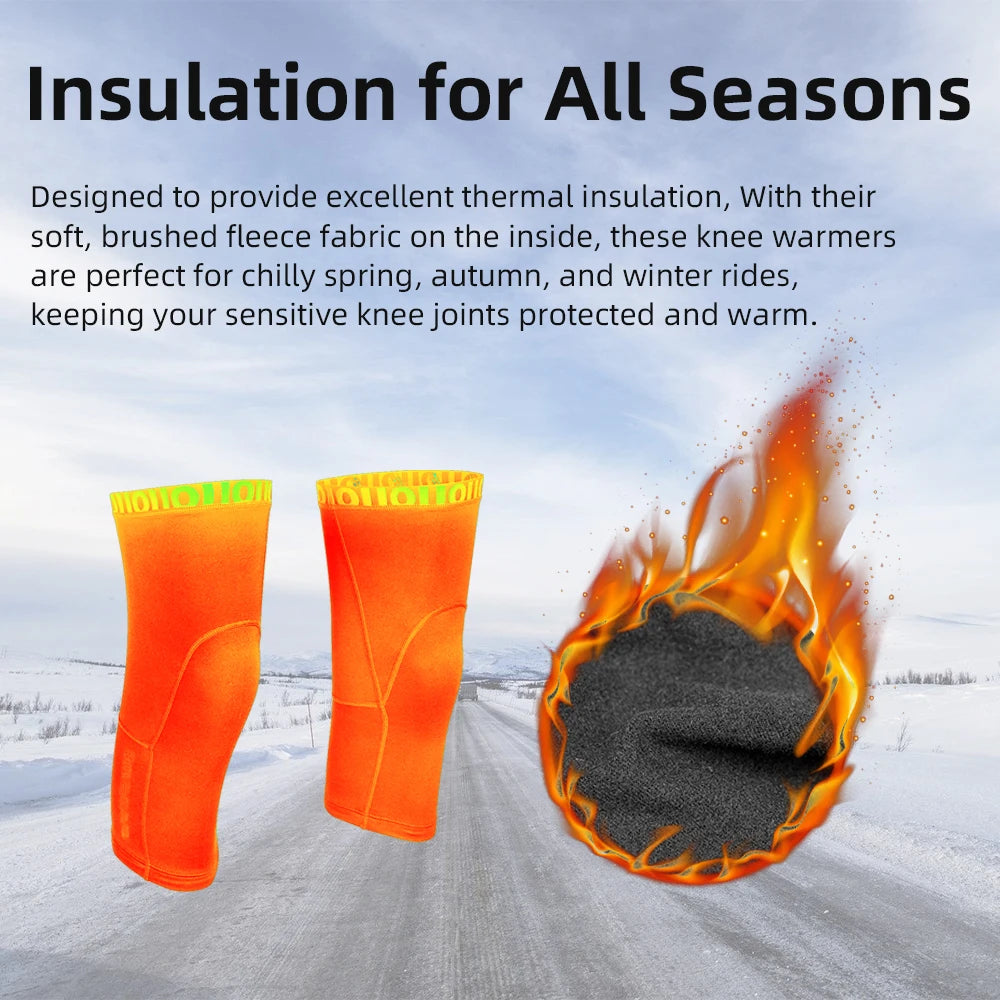
Fleece cycling leg warmers typically use a brushed interior that creates a soft insulating layer next to the skin. This design traps warm air and provides comfort during cool, dry rides.
Roubaix-style fabrics are commonly used in premium cycling apparel because they offer a similar thermal effect while maintaining stretch, breathability, and a close performance fit. These materials are well suited for riders who need warmth during longer training sessions without excessive bulk.
For temperatures around 5°C to 15°C (41°F to 59°F), thermal and fleece-based options are often the most versatile choice. They provide enough insulation for winter mornings while allowing heat to escape during harder efforts.
Windproof vs water-resistant materials
Not all winter rides involve the same conditions. Thermal fabrics work well in dry cold weather, but exposed roads and changing forecasts may require additional protection.
Windproof leg warmers use an outer barrier to block cold air and reduce wind chill during fast cycling. They are especially useful for downhill sections, open terrain, and colder temperatures near freezing.
Water-resistant leg warmers add protection against light rain, road spray, and damp conditions. While they are not designed to replace waterproof cycling pants during heavy storms, they can improve comfort when weather conditions are unpredictable.
Compression benefits for endurance
Compression leg warmers combine insulation with a supportive fit that stays close to the muscles during repetitive pedaling. The gentle pressure can help stabilize soft tissue movement and may reduce the feeling of heavy legs during longer rides.
Many endurance cyclists prefer compression designs because they provide a secure fit, reduce fabric shifting, and work well for high-mileage training. However, proper sizing is important—compression should feel supportive without limiting movement or causing discomfort.
Real Winter Ride Testing Results
We tested winter cycling leg warmers across different riding scenarios, including cold morning starts, windy routes, and longer endurance sessions. The evaluation focused on warmth retention, breathability, comfort during movement, and how well the fabric performed after repeated use.
25–40°F performance
In colder conditions between 25°F and 40°F (-4°C to 4°C), thicker fleece-lined and wind-resistant designs performed best. Riders experienced more consistent warmth, especially during steady-paced rides where exposure to cold air was higher.
Wind protection made the biggest difference in open areas, helping reduce the cooling effect created by speed and weather exposure.
40–50°F performance
For temperatures between 40°F and 50°F (4°C to 10°C), lightweight thermal and compression options provided the best balance of warmth and breathability. These conditions are where leg warmers often outperform full cycling tights because riders can maintain comfort without overheating during climbs or higher-intensity efforts.
| Condition | Performance Result |
|---|---|
| 25–40°F cold rides | Fleece and wind-resistant fabrics maintained warmth with fewer cold spots |
| 40–50°F moderate winter weather | Thermal fabrics balanced insulation and breathability effectively |
| Windy conditions | Outer barriers reduced wind chill compared with basic warmers |
| Long endurance rides (2–3 hours) | Compression fits improved comfort by reducing fabric movement and leg heaviness |
Comfort after long rides
During extended rides, comfort depended heavily on fit quality, moisture management, and grip performance. Well-designed winter cycling leg warmers stayed in position without frequent adjustment and maintained warmth without excessive sweating.
Durable stitching, flexible materials, and reliable silicone grippers also helped improve long-term usability for cyclists who train regularly throughout the colder months.
Compression leg warmers vs winter tights cycling — See the difference
Leg Warmers vs Cycling Tights: Which Is Better for Winter?
Choosing between leg warmers and cycling tights depends on the temperature, ride duration, budget, and how much flexibility you need from your winter cycling gear. Both options can keep your legs warm, but they serve different purposes.
- Leg Warmers: Best for changing weather conditions, transitional seasons, and riders who want removable insulation. They are easy to pack, work well with bib shorts, and allow quick temperature adjustments during a ride.
- Cycling Tights: Better for consistently cold conditions, especially when temperatures stay below 5°C (41°F). They provide full-leg coverage and are often preferred for longer rides in harsh winter weather.
- Layering Advantage: Leg warmers provide more versatility because they can be combined with cycling bib shorts and other layers without requiring a complete clothing change.
For many cyclists, leg warmers offer the best balance of warmth, mobility, and value. They can extend the riding season without requiring a separate pair of insulated tights for every temperature range.
How to Stay Warm Cycling Legs in Cold Weather
Learning how to stay warm cycling legs starts with choosing the right combination of layers. The most effective winter setups balance insulation, moisture control, and protection from wind or rain.
Layering with bib shorts
One of the most common winter cycling setups is pairing leg warmers with bib shorts. This combination keeps the familiar fit and comfort of summer cycling clothing while adding targeted warmth where it is needed most.
For riders who already own quality bib shorts, winter cycling leg warmers are a cost-effective way to adapt existing gear for colder conditions. They also make it easier to remove layers when temperatures rise during longer rides.
Temperature-based clothing combinations
The right combination depends on both temperature and riding intensity:
- 10°C to 15°C (50°F to 59°F): Lightweight thermal leg warmers with a cycling jersey or light jacket are usually enough for cool rides.
- 5°C to 10°C (41°F to 50°F): Pair fleece cycling leg warmers with a thermal base layer and other cold-weather cycling gear for improved insulation.
- 0°C to 5°C (32°F to 41°F): Choose wind-resistant leg warmers, add protective outer layers, and consider insulated tights for long exposed rides.
Accessories such as cycling jackets, thermal gloves, shoe covers, and base layers can significantly improve comfort because cold air affects the entire body—not just the legs.
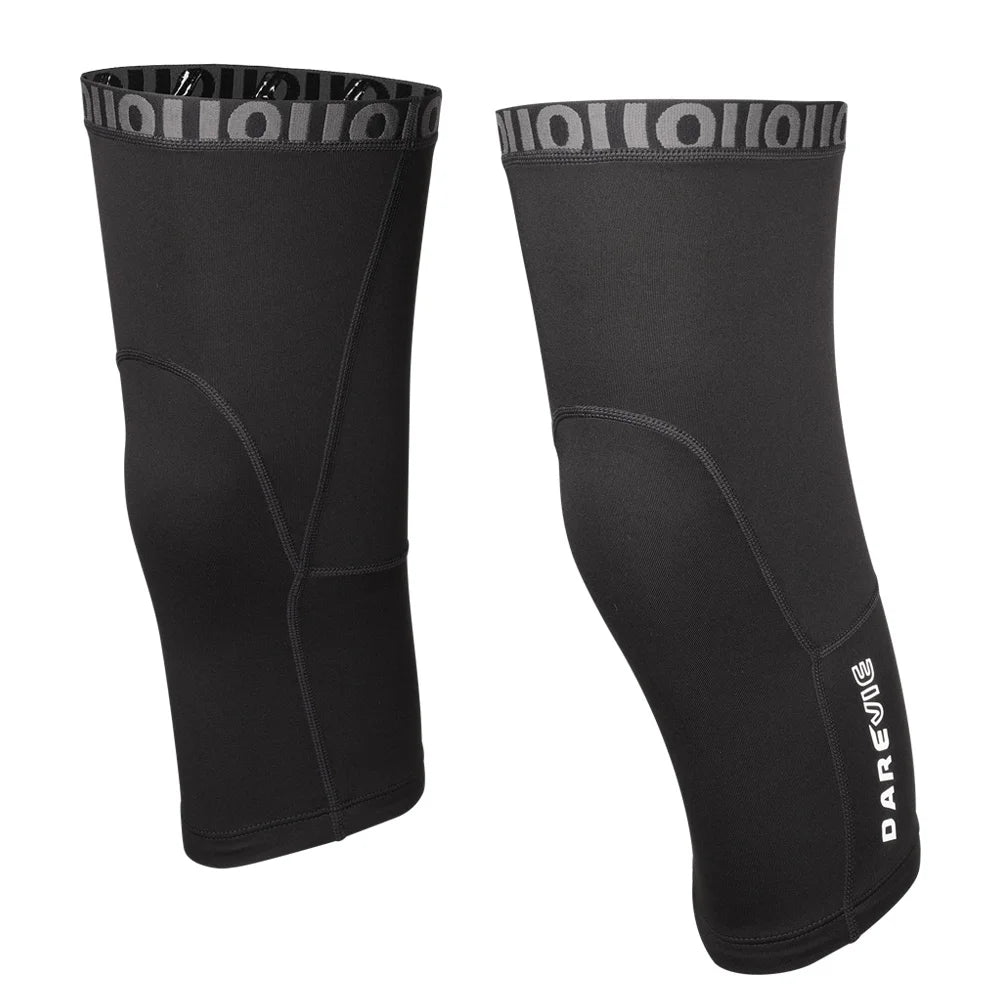
When knee warmers are enough
Knee warmers can be a practical alternative when temperatures are cool but not truly winter-level. They provide coverage around the knees and upper legs while allowing more airflow through the lower leg.
They are best suited for mild mornings, spring and fall riding, or shorter rides where full-length insulation is unnecessary. For colder conditions, longer cycling leg warmers provide better protection because they cover more exposed muscle area.
How Compression Leg Warmers Help Muscle Fatigue
Compression leg warmers are designed to provide a supportive fit around the legs while maintaining warmth and flexibility. Many cyclists use them during endurance rides because the close-fitting fabric helps reduce movement and vibration during repetitive pedaling.
Compression may support circulation and help some riders feel less muscle heaviness during long sessions. While results can vary between individuals, compression clothing is commonly used by endurance athletes as part of a broader recovery and performance routine.
For cyclists who frequently ride long distances, train in colder weather, or experience stiffness after rides, compression leg warmers can be a useful addition to a winter cycling setup.
Comfort, Fit, and Everyday Use
The comfort of cycling leg warmers for winter depends heavily on proper sizing, fabric flexibility, and how securely they stay in place during movement. A well-designed pair should feel supportive without creating pressure points or limiting your pedaling motion.
Soft fleece interiors improve warmth against the skin, while stretch materials allow the warmers to follow natural leg movement. Silicone grippers at the upper edge help prevent slipping, which is especially important during longer rides where constant adjustments can become distracting.
Sizing guide
Choosing the correct size is essential for both warmth and compression performance. Leg warmers should fit snugly around the leg without feeling restrictive. A loose fit can create gaps that allow cold air inside, while an overly tight fit may reduce comfort during extended rides.
Always check the manufacturer’s sizing chart and consider both leg circumference and length. Riders with longer legs may need extended sizing to ensure the warmer stays positioned correctly over the knee and calf.
Grip and slippage
Reliable grip is one of the most important features of quality winter cycling leg warmers. Silicone bands, elastic cuffs, and ergonomic shaping help keep the fabric from rolling down or shifting during intense pedaling.
For frequent riders, a stable fit improves comfort and reduces the need to stop and readjust clothing throughout a ride.
Bib shorts compatibility
Most cycling leg warmers are designed to work with bib shorts, making them a practical solution for extending summer cycling gear into colder months. This combination provides a familiar fit while adding insulation where it is needed.
Pairing leg warmers with bib shorts also makes temperature management easier because layers can be removed quickly when conditions change.
For riders who already invest in recovery tools from Body Care and Health Devices , these warmers complement a performance-focused setup by supporting comfort before, during, and after training sessions.
How to Choose the Best Leg Warmers for Winter Rides
Selecting the best leg warmers for winter rides requires more than choosing the thickest option available. The right pair should match your climate, riding style, and how often you train outdoors.
Temperature range guide
Use temperature as a starting point when comparing thermal leg warmers cycling options:
- 10°C to 15°C (50°F to 59°F): Lightweight thermal fabrics provide enough warmth for cool mornings and moderate rides.
- 5°C to 10°C (41°F to 50°F): Fleece-lined or Roubaix-style materials offer improved insulation for regular winter cycling.
- 0°C to 5°C (32°F to 41°F): Windproof designs or additional outer layers provide better protection during colder rides.
Materials & insulation
Material choice determines how well leg warmers perform in different conditions. Fleece interiors provide warmth by trapping heat close to the skin, while stretch thermal fabrics improve mobility and moisture management.
Wind-resistant outer layers are useful for exposed routes, while water-resistant coatings can help protect against light rain and road spray. Premium models may combine several materials to balance warmth, flexibility, and weather protection.
Fit, grip, and durability
A durable pair of winter cycling leg warmers should maintain its shape after repeated rides and washes. Look for reinforced stitching, flexible seams, ergonomic panels, and dependable silicone grippers.
The best designs provide enough compression to stay secure while allowing unrestricted movement throughout the pedal stroke.
Care and washing tips
Proper care helps maintain insulation, elasticity, and fabric performance. Follow the manufacturer’s washing instructions, but in general, cold washing with mild detergent and air drying helps protect thermal fibers and elastic components.
Avoid high heat from dryers because excessive temperatures can damage stretch fabrics and reduce the lifespan of the warmers.
Who Should Use Cycling Leg Warmers?
Cycling leg warmers for winter are ideal for riders who want flexible protection from cold temperatures without committing to full winter tights. They work especially well for cyclists who experience changing weather conditions or prefer adaptable layering systems.
- Road cyclists: Riders training through colder seasons can add warmth without sacrificing a close, aerodynamic fit.
- Gravel riders: Flexible leg protection helps handle changing terrain and unpredictable outdoor conditions.
- Commuters: Leg warmers provide practical insulation for rides where temperatures may change throughout the day.
- Endurance cyclists and racers: Compression options offer a secure fit for longer sessions and performance-focused training.
Cold weather cycling comfort upgrade — See it in action
Final Verdict: Are Winter Cycling Leg Warmers Worth It?
Winter cycling leg warmers are one of the most practical upgrades for riders who want reliable warmth without committing to full winter tights. They provide targeted insulation, easy layering, and the flexibility to adapt when temperatures change during a ride.
For most cyclists riding in cool to moderately cold conditions, high-quality thermal or compression leg warmers deliver the best balance of comfort, mobility, and value. They are especially useful for commuters, road cyclists, endurance riders, and anyone who prefers a flexible cold-weather setup.
The best choice depends on your typical conditions. Thermal fleece options work well for dry winter rides, windproof designs are better for exposed routes, and water-resistant models add protection when weather becomes unpredictable.
Seasonal Buying Guide: When to Buy Winter Cycling Leg Warmers
Early fall
Early fall is often the best time to buy winter cycling leg warmers because temperatures start dropping while product availability is still high. Lightweight thermal leg warmers are ideal for morning rides when afternoons remain warmer.
Deep winter
During the coldest months, prioritize fleece cycling leg warmers with stronger insulation, wind protection, or water resistance. Riders in colder climates should look for options that work with other cycling in cold weather gear, such as jackets, gloves, and shoe covers.
Spring transitions
Spring weather can change quickly, making leg warmers valuable even after the coldest months pass. They allow cyclists to adjust coverage easily during early rides without carrying bulky extra layers.
FAQs About Cycling Leg Warmers for Winter
Are leg warmers good for cycling in freezing temperatures?
Yes, winter cycling leg warmers can work in light freezing conditions when they include fleece insulation or wind protection. However, riders facing extended sub-freezing temperatures, heavy wind, or wet conditions may prefer insulated cycling tights for additional coverage.
Do leg warmers help muscle fatigue cycling?
Compression leg warmers may help reduce the feeling of muscle fatigue by providing gentle support and limiting excessive muscle movement during repetitive pedaling. They are especially popular among endurance cyclists and riders completing longer training sessions.
Can leg warmers replace cycling tights?
Leg warmers can replace cycling tights for many mild and moderate winter conditions because they are easier to remove and combine well with bib shorts. For consistently cold temperatures, full cycling tights usually provide better protection.
What temperature are leg warmers best for?
Most thermal leg warmers perform well between 5°C and 15°C, while heavier fleece or windproof options can handle colder rides closer to freezing. The ideal range depends on fabric thickness, wind exposure, and personal comfort.
Can you wear leg warmers with bib shorts?
Yes. Pairing cycling leg warmers with bib shorts is one of their biggest advantages. This combination provides flexible coverage while allowing riders to remove layers quickly when temperatures rise.
How should cycling leg warmers be washed?
Most fleece cycling leg warmers should be washed in cold water on a gentle cycle and air dried to protect insulation, elasticity, and silicone grips. Avoid high heat drying because it can reduce fabric performance over time.
- Unisex Cycling Leg Warmers Winter Review: Fit After 100 Miles
- Prevent Muscle Stiffness Cycling in Cold Conditions
Explore More:
- Compression Cycling Leg Warmers: Which Help Fatigue Most?
- Lightweight Cycling Leg Sleeves vs Warmers for Cold Mornings
Pillar Article: Not Found
Explore More:













