

How to use red light therapy for faster recovery at home?
⏱ 8 min read
How to Use Red Light Therapy for Faster Recovery at Home
How to Use Red Light Therapy for Faster Recovery at Home
To use red light therapy for faster recovery at home, position the device 6–18 inches from the treatment area, expose the muscles or joints for 10–20 minutes per session, and repeat 3–5 times per week or as directed by the manufacturer. Consistency, correct distance, and proper treatment duration are more important than longer sessions.
If you're learning how to use a red light therapy device at home, the key is following an evidence-based routine instead of guessing session length or frequency. The guide below explains every step, recommended settings, safety precautions, and recovery schedules for different goals.
Who Can Benefit from Red Light Therapy?
- People recovering after exercise
- Individuals with sore muscles
- Joint discomfort sufferers
- Home fitness enthusiasts
- People seeking faster post-workout recovery
How Red Light Therapy Works for Recovery
Red and near-infrared light penetrate tissue and interact with mitochondria, encouraging cellular energy production (ATP). This process supports circulation, tissue repair, and recovery after physical activity when used consistently.
Explore Body Care and Health Devices
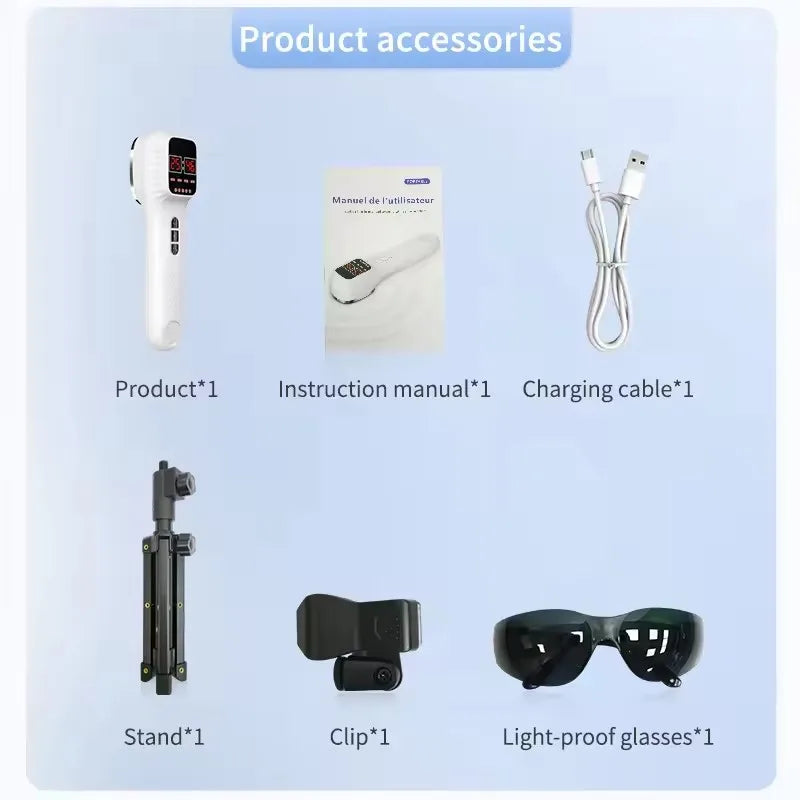
how to use red light therapy device at home See it in action
How Red Light Therapy Works (Science Behind Recovery)
Red light therapy uses visible red light and near-infrared wavelengths that penetrate skin and underlying tissues. Research suggests these wavelengths may support normal cellular function, circulation, and recovery by stimulating mitochondrial activity.
Red and Near-Infrared Wavelengths Explained
Most home devices use wavelengths between approximately 630–670 nm (red light) and 810–850 nm (near infrared). Red light primarily targets superficial tissues, while near-infrared light reaches deeper muscles and joints.
What Research Says About Muscle Recovery
Clinical studies suggest properly dosed photobiomodulation may reduce post-exercise soreness and support muscle recovery. Results vary depending on device quality, dosage, consistency, and the condition being treated.
How to Use a Red Light Therapy Device at Home (Step-by-Step Guide)
- Clean and dry the treatment area.
- Place the device according to the manufacturer's instructions.
- Maintain a distance of approximately 6–18 inches unless otherwise specified.
- Expose the target area for 10–20 minutes.
- Avoid moving constantly during treatment.
- Repeat sessions consistently throughout the week.
Beginner Tips
- Start with shorter sessions.
- Track your recovery progress weekly.
- Avoid exceeding recommended exposure time.
- Follow the device manual for optimal settings.
Learn step-by-step how to use a handheld device at home
Recommended Red Light Therapy Settings
Ideal Wavelengths
Many evidence-based home devices use red light between 630–670 nm and near-infrared light between 810–850 nm.
Recommended Distance
Most manufacturers recommend positioning the device approximately 6–18 inches from the treatment area. Always follow the specific guidance provided for your device.
Typical Session Duration
Most recovery sessions last between 10 and 20 minutes per treatment area.
Treatment Frequency
- 3–5 sessions weekly for recovery
- Daily use may be appropriate for some devices if recommended by the manufacturer
- Consistency is generally more effective than occasional long sessions
Daily Red Light Therapy Schedule Guide
Recovery After Exercise
Use red light therapy within several hours after exercise for approximately 10–20 minutes.
Joint Pain Recovery
Treat affected joints consistently 3–5 times each week unless your healthcare provider recommends otherwise.
Skin Rejuvenation
Most cosmetic routines involve shorter sessions several times per week.
General Wellness
Maintain a consistent weekly routine instead of increasing treatment time.
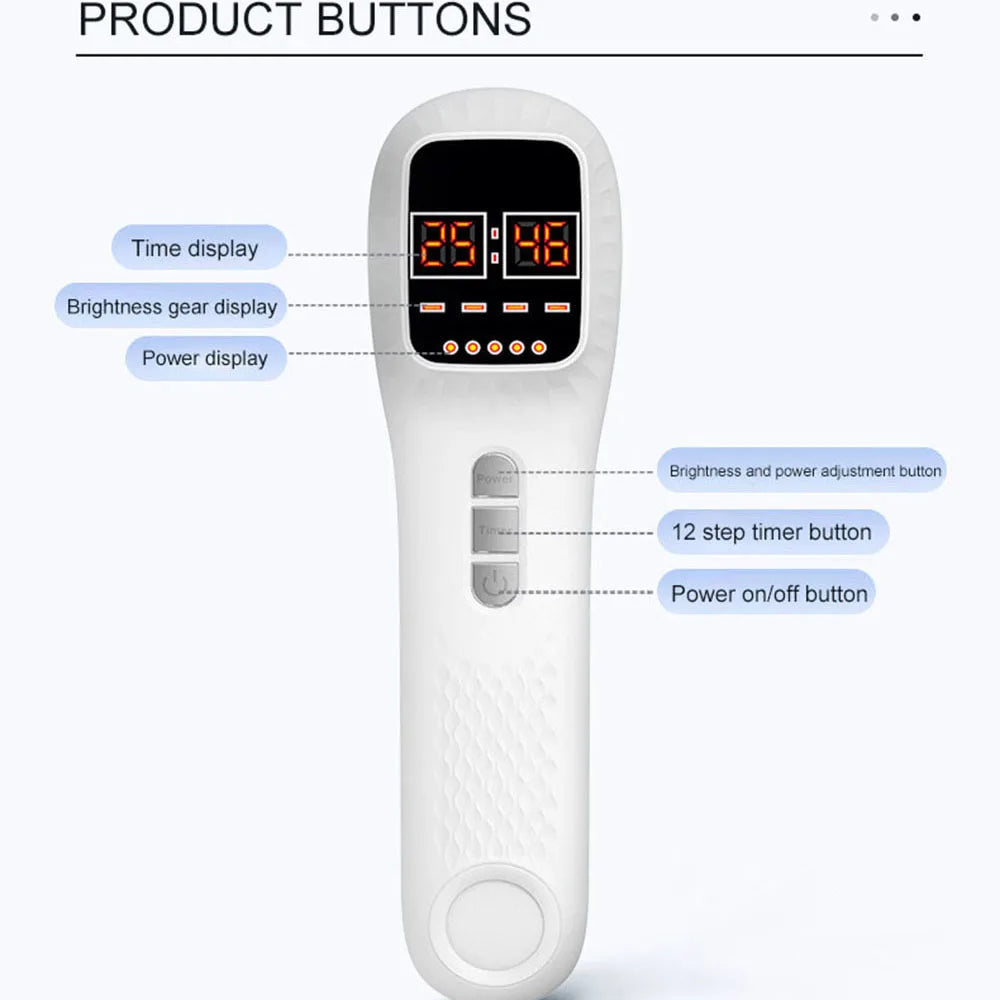
daily red light therapy schedule guide Stay consistent for results
How Long to Use Red Light Therapy for Recovery
Most users perform 10–20 minute sessions for each treatment area. Recovery improvements often become noticeable after several weeks of consistent use, although individual responses vary.
When You May Notice Results
- First few sessions: temporary relaxation for some users
- 2–4 weeks: gradual improvement in recovery consistency
- 6–8 weeks: continued progress with regular use
When More Time Doesn't Mean Better Results
Longer sessions are not necessarily more effective. Following manufacturer recommendations helps avoid excessive exposure without added benefit.
Safe Infrared Therapy Usage Guidelines
Eye Protection
Follow the manufacturer's recommendations regarding protective eyewear, especially when treating areas near the face.
Medication Precautions
If you take medications that increase light sensitivity or have a medical condition, consult your healthcare provider before beginning treatment.
Heat vs Light
Therapeutic red light works through light exposure rather than intense heat. Mild warmth is normal, but excessive heat should be avoided.
Who Should Consult a Healthcare Professional
- Pregnant individuals
- People with photosensitivity disorders
- Those undergoing cancer treatment unless cleared by their clinician
- Individuals with unexplained skin lesions
Common Red Light Therapy Mistakes to Avoid
- Holding the device too far away
- Skipping treatments for long periods
- Using sessions longer than recommended
- Covering the treatment area with thick clothing
- Expecting immediate results after one session
- Ignoring manufacturer instructions
What Results Can You Expect and When
First Week
Some users notice temporary improvements in post-exercise comfort or relaxation.
Weeks 2–4
Consistent users may begin observing gradual improvements in recovery depending on their activity level and treatment goals.
Long-Term Consistency
Maintaining a regular recovery routine generally provides more reliable results than occasional intensive sessions.
Get yours now — limited stock!
Red Light Therapy vs Traditional Recovery Methods
Red light therapy can complement other recovery strategies rather than replace them.
- Ice therapy: Commonly used for acute injuries and swelling.
- Heat therapy: Often helps relax muscles and improve flexibility.
- Massage: May reduce muscle tension and improve circulation.
- Stretching: Supports mobility and recovery when performed appropriately.
Combining appropriate recovery methods based on your goals often provides the best overall results.
Red Light Therapy Safety Checklist Before Every Session
- Read the manufacturer's instructions.
- Clean the treatment area.
- Confirm the correct device distance.
- Set the recommended session time.
- Protect your eyes if advised.
- Remain consistent with your schedule.
- Stop use and seek medical advice if unusual symptoms occur.
Frequently Asked Questions
How often should you use red light therapy?
Many home users perform treatments three to five times weekly, although recommendations vary by device and treatment goal.
How long should each session last?
Typical sessions last between 10 and 20 minutes per treatment area unless the manufacturer recommends otherwise.
Can you use red light therapy every day?
Some devices are designed for daily use. Follow your specific device instructions.
Should you use it before or after exercise?
Many users include it after exercise as part of their recovery routine, although both approaches have been studied.
What distance should the device be from your body?
Most home devices recommend approximately 6–18 inches, depending on power output and treatment area.
Can you overuse red light therapy?
Exceeding recommended treatment duration is unlikely to improve results and may increase the chance of unwanted skin irritation with some devices.
Related Articles:
- How to Improve Circulation Naturally Using Light Therapy
- Red Light Therapy Dosage Recommendations for Safe Results
- How to Relieve Muscle Soreness Fast with Simple Daily Steps
- Red Light Therapy After Workout: Step-by-Step Routine
Pillar Articles:













