

How can you reduce facial puffiness instantly?
To reduce facial puffiness quickly, combine cold therapy for temporary swelling with gentle warmth and facial massage to support circulation and fluid movement. This approach can help reduce the appearance of puffiness, improve skin freshness, and make your face look smoother within minutes.
How to Reduce Facial Puffiness: Causes, Quick Fixes & Long-Term Solutions
If you wake up looking swollen or feel like your face becomes puffy easily, you’re not alone. Facial puffiness is often caused by temporary fluid retention, sleep habits, diet, stress, allergies, or slower circulation. The most effective way to reduce facial puffiness is to identify the cause first, then use the right combination of cold therapy, gentle massage, hydration, and skincare habits. ⏱ 5 min read
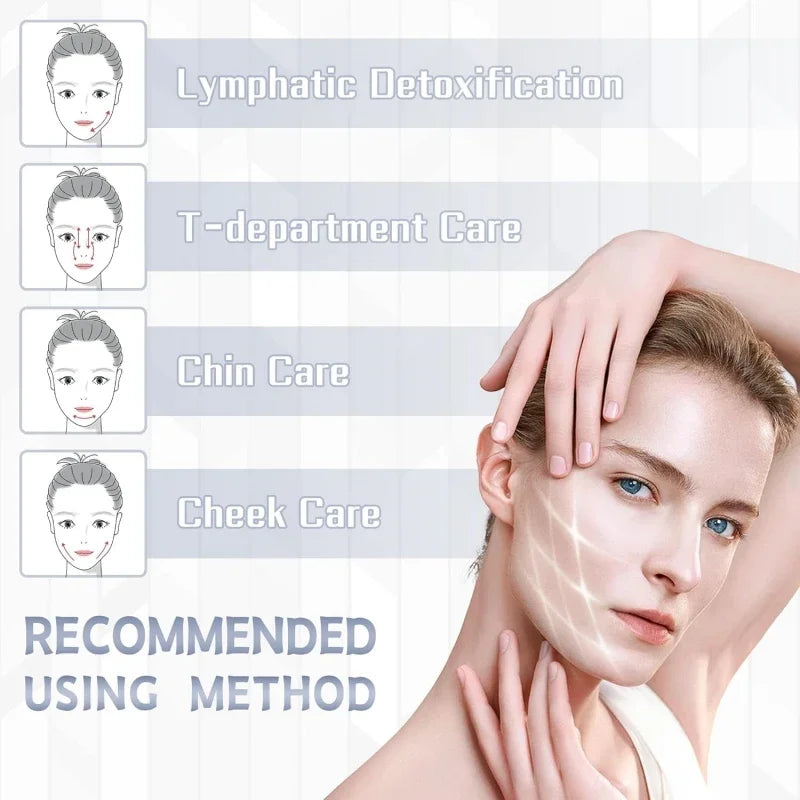
Warm facial massage benefits + de-puffing techniques
Why Puffiness Happens & What Works Fastest to Reduce Facial Puffiness
Facial puffiness occurs when extra fluid collects in the tissues under the skin. This can make the face look swollen, especially around the eyes, cheeks, and jawline. In many cases, the swelling is temporary and improves when circulation, hydration, and fluid balance return to normal.
How Facial Puffiness Develops
Your lymphatic system helps move excess fluid away from tissues, while circulation delivers oxygen and nutrients throughout the body. When these processes slow down because of poor sleep, dehydration, high sodium intake, stress, or inflammation, your face may temporarily appear fuller or swollen.
Temporary puffiness often improves within minutes to hours, while persistent swelling that continues for days may require medical attention.
Fastest Remedies by Cause
- Morning puffiness: Cold water, gentle facial massage, and hydration may provide quick visible improvement.
- After salty meals: Drinking water and reducing sodium intake can help restore fluid balance.
- Facial tension: Warm compresses and massage may support relaxation and circulation.
- Allergy-related swelling: Addressing the trigger is more effective than only treating appearance.
The best way to learn how to reduce facial puffiness is to match the method to the reason your face looks swollen.
What Causes Facial Puffiness? (And How to Identify Yours)
Facial swelling causes vary from everyday habits to underlying health factors. Identifying when puffiness appears can help you choose the right solution.
Fluid Retention & Diet Triggers
Water retention is one of the most common reasons for a puffy face. Excess sodium, alcohol, and dehydration can cause the body to hold additional fluid.
- High-salt meals
- Alcohol consumption
- Low water intake
- Processed foods high in sodium
Sleep, Allergies & Lifestyle Factors
Morning puffiness often happens because fluid naturally shifts while you sleep. Poor sleep quality, sleeping face-down, and allergies can make swelling more noticeable.
- Irregular sleep schedules
- Sleeping with the face pressed into a pillow
- Seasonal allergies
- Stress and lifestyle changes
- Skin reactions to products
Hormones, Medications & Medical Conditions
Hormonal changes, some medications, and certain health conditions may contribute to facial swelling. If puffiness appears suddenly or does not improve with normal self-care, professional evaluation may be appropriate.
When Puffiness May Be Medical
Seek medical advice if you experience:
- Facial swelling lasting several days
- Pain, redness, or warmth
- Uneven swelling on one side of the face
- Additional symptoms such as fever or breathing difficulties
7 Proven Ways to Reduce Facial Puffiness Fast
Different puffy face remedies work at different speeds. The following methods focus on quick visible improvement while supporting healthier skin habits.
Cold Therapy (Fastest Visible Results)
Cold therapy is one of the fastest options for temporary puffiness. Cooling can help calm visible swelling and create a tighter-looking appearance within minutes.
- Cold water splashes
- Chilled spoons
- Ice rollers
- Cooling eye masks
Warm Compress for Face: When It Helps
A warm compress for face routines can be useful when puffiness is linked to facial tension or slower circulation. Gentle warmth relaxes tissues and prepares the skin for massage.
Facial Massage for Lymphatic Drainage
Facial massage for puffiness uses light upward and outward movements to encourage fluid movement and reduce the heavy feeling associated with swelling.
Hydration & Salt Balance
Maintaining hydration helps support normal fluid balance. If puffiness follows a salty meal, drinking water and choosing lower-sodium foods may help your body rebalance.
Caffeine-Based Skincare
Caffeine-based skincare products are commonly used around the eyes because they may temporarily improve the appearance of under-eye puffiness.
Sleep Position Adjustments
Sleeping with your head slightly elevated may help reduce fluid pooling overnight and improve morning appearance.
Quick Morning De-Puff Routine
- Rinse your face with cool water
- Apply skincare suited to your needs
- Massage gently for 2–3 minutes
- Drink water after waking
Warm vs Cold: Which Works Better for Puffiness?
Cold and warm treatments can both support facial care, but the better choice depends on the cause of puffiness.
Comparison by Cause
- Cold therapy: Best for fast temporary swelling, morning puffiness, and a refreshed appearance.
- Warm therapy: Better for facial tension, relaxation, and preparing skin before massage.
When to Avoid Heat or Cold
Avoid extreme temperatures. If your skin is irritated, highly sensitive, or experiencing unusual redness, use gentler approaches.
A practical approach is to use cooling first when swelling is noticeable, then add gentle warmth and massage when circulation support is the goal.
How Warm Facial Massage Reduces Puffiness in Minutes
Warm facial massage combines gentle heat and movement to support circulation, relax facial muscles, and encourage lymphatic drainage. This may help reduce the appearance of puffiness and create a more refreshed look.
Key Benefits
- Supports circulation
- Relaxes facial tension
- Encourages fluid movement around cheeks and jawline
- Helps skincare apply more smoothly
Step-by-Step Technique
- Clean your hands and face.
- Apply gentle warmth for 1–2 minutes.
- Use light strokes from the center of the face outward.
- Move along the jawline toward the ears.
- Continue for 3–5 minutes.
Avoid pressing too hard. Aggressive massage may irritate the skin instead of improving its appearance.
Devices like the KentDO™ Ionic Facial Cleanser provide consistent heat and support a regular facial care routine when used correctly.
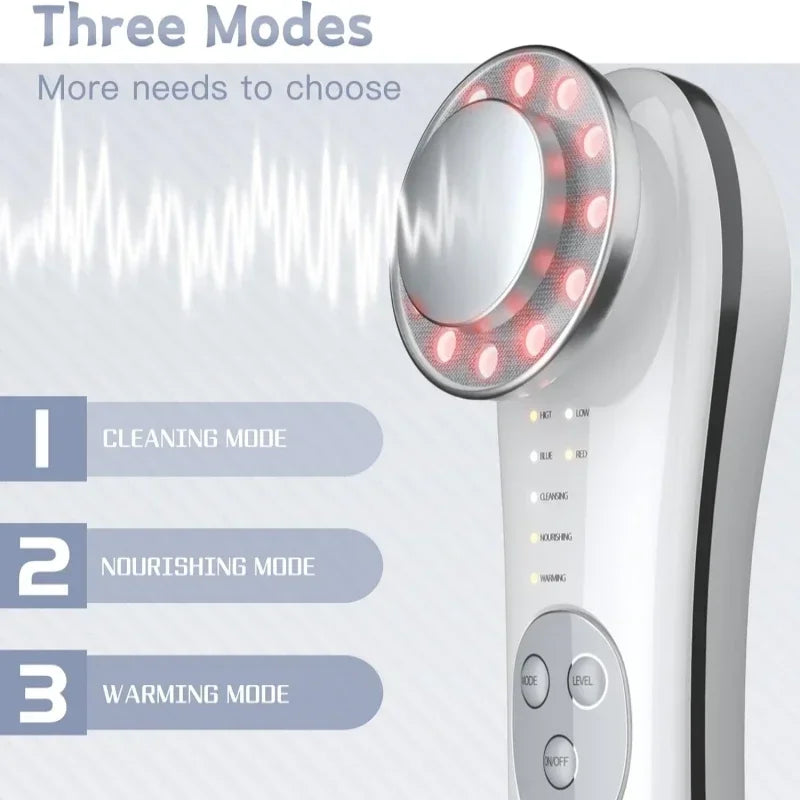
Benefits of warm facial massage for circulation
Benefits of a Warm Compress on Face for Instant De-Puffing
A warm compress helps relax facial tissues and support circulation. It is most useful when puffiness is connected to tension, tiredness, or a need for relaxation.
Why It Works
- Relaxes tight facial muscles
- Supports circulation
- Prepares skin before massage
- Creates a calming skincare step
Best Times to Use It
- Before facial massage
- During an evening skincare routine
- When facial tension makes skin feel tired
Use comfortable warmth for a few minutes. Avoid excessive heat if your skin is irritated or sensitive.
Consistent heat tools like the KentDO™ Ionic Facial Cleanser offer a convenient option compared with traditional warm towels.
For targeted eye support, explore options in the Eye Care Devices collection.
Step-by-Step Morning Routine to Reduce Facial Puffiness
This 5–10 minute routine combines simple techniques to reduce morning face puffiness.
- Start with cool water to refresh the skin.
- Apply a warm compress if your face feels tense.
- Perform gentle upward and outward massage movements.
- Apply lightweight skincare products.
- Drink water to support hydration.
Results vary depending on the cause, but many people notice a fresher appearance after completing the routine.
You can enhance routines using tools from Body Care & Health Devices .
How to Prevent Facial Puffiness Long-Term
Reducing recurring puffiness requires consistent habits that support hydration, circulation, and skin health.
Diet & Hydration Habits
- Maintain regular hydration
- Reduce excessive sodium intake
- Monitor foods that trigger puffiness
Sleep & Stress Management
- Maintain a consistent sleep schedule
- Prioritize quality rest
- Manage daily stress
Exercise & Circulation
Regular physical activity supports circulation throughout the body and may help reduce fluid stagnation.
Skincare Consistency
- Use gentle products
- Maintain regular facial care routines
- Avoid ingredients that irritate your skin
When to See a Doctor for Facial Swelling
Most facial puffiness improves with lifestyle changes, but some situations require professional evaluation.
- Puffiness lasting more than 3–5 days
- Severe swelling or pain
- Swelling with fever or redness
- Sudden unexplained facial changes
Consult a healthcare professional if symptoms continue or home care does not improve the swelling.
Tools That Can Support Facial De-Puffing
Facial tools can make routines easier to maintain, but they should be viewed as supportive additions rather than guaranteed solutions.
What to Look for in a Facial Tool
- Gentle heat or vibration features
- Comfortable daily use
- Easy cleaning and maintenance
- Compatibility with skincare routines
When Tools Are Worth Using
Tools may be helpful if you prefer a consistent routine for facial massage, warmth, or cleansing. Safe use and realistic expectations are important.
The KentDO™ Ionic Facial Cleanser is designed to support facial care routines with cleansing, heat, and skincare-supporting features.
Best Remedy Based on the Cause of Your Puffy Face
Morning Puffiness
Use cool water, hydration, and gentle massage. Morning swelling often improves as circulation increases after waking.
After Salty Food or Alcohol
Drink water, reduce additional sodium, and allow your body time to restore fluid balance.
Allergy-Related Puffiness
Identify possible triggers such as pollen, dust, or irritating products. Managing the cause is the most important step.
After Crying or Poor Sleep
Cooling techniques, rest, and gentle massage may help reduce the appearance of temporary swelling.
How Long Does It Take to Reduce Facial Puffiness?
The time needed to reduce facial puffiness depends on the cause and your chosen method.
- Cold therapy: May create visible changes within minutes.
- Massage and hydration: May take 10–30 minutes for noticeable improvement.
- Lifestyle changes: Usually require consistent habits over days or weeks.
If swelling continues despite normal care, consider discussing it with a healthcare professional.
FAQ: Reduce Facial Puffiness
How fast can you reduce facial puffiness?
Cold therapy may reduce the appearance of puffiness within minutes, while massage and hydration may take longer depending on the cause.
What is the main cause of a puffy face?
Common causes include fluid retention, salt intake, dehydration, poor sleep, and allergies.
How do you reduce morning face puffiness quickly?
Try cool water, hydration, and gentle facial massage after waking.
Is warm or cold better for puffiness?
Cold is usually better for immediate swelling, while warmth supports relaxation and massage routines.
Can drinking water reduce facial puffiness?
Yes. Staying hydrated supports normal fluid balance and may help reduce puffiness linked to dehydration.
Can allergies make your face puffy?
Yes. Allergies can trigger inflammation and swelling around the eyes and face.
Does alcohol cause facial puffiness?
Alcohol can contribute to dehydration and temporary fluid imbalance, which may make the face look puffy.
Can hormones cause a puffy face?
Hormonal changes can affect fluid balance and may contribute to temporary swelling.
Should you use a warm or cold compress first?
Use cold first when swelling is the main concern. Use warmth before massage when facial tension is the issue.
Why is my face only puffy in the morning?
Morning puffiness often occurs because fluid shifts while sleeping and usually improves after movement and hydration.
Can facial massage make swelling worse?
Gentle massage is usually appropriate, but excessive pressure can irritate skin and increase redness.
Pillar Article: Deep Pore Cleansing Tips: Step-by-Step Guide for Clear Skin
Other Related Articles:
Explore More:













