

How can you remove makeup residue fully without irritating sensitive skin?
To remove makeup residue fully without irritating sensitive skin , begin with a gentle double-cleansing routine. Use micellar water or a lightweight cleansing oil to dissolve makeup, sunscreen, and excess sebum, then follow with a fragrance-free, low-irritation cleanser to wash away remaining impurities. Finish by moisturizing to reinforce the skin barrier. For those who wear long-lasting makeup regularly, soft cleansing tools such as an ionic facial cleanser device may help lift lingering residue while minimizing friction.
⏱ 7 min readRemove Makeup Residue Fully Without Irritating Sensitive Skin
Learning how to remove makeup residue for sensitive skin is essential if you want to prevent clogged pores, dullness, and unnecessary irritation. Even after washing your face, traces of foundation, waterproof sunscreen, and environmental pollutants can remain on the skin. The goal is not to scrub harder—it is to cleanse smarter with barrier-friendly products, gentle double cleansing when appropriate, and techniques that remove buildup while preserving your skin's natural protective barrier.
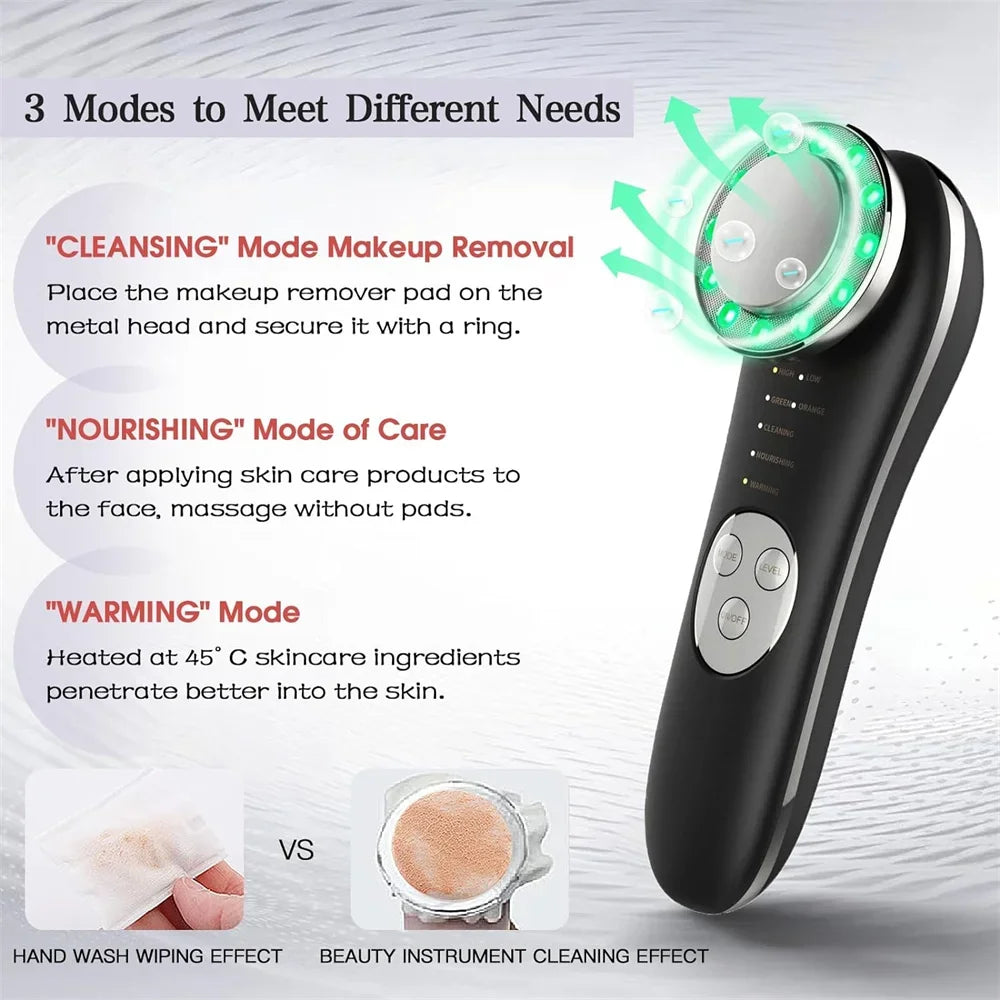
How sensitive skin-safe tools help remove makeup residue fully — See it in action
Why Makeup Residue Stays on Skin
Makeup residue often remains on the skin not because you failed to cleanse, but because different cosmetic ingredients require different cleansing methods. Understanding makeup residue causes and solutions helps you remove buildup completely without over-cleansing or damaging a sensitive skin barrier.
Oil-based vs water-based makeup buildup
Many long-wear foundations, waterproof makeup products, primers, and sunscreens contain oils, silicones, waxes, or film-forming ingredients designed to resist sweat and water. A water-based cleanser alone may struggle to dissolve these materials, allowing invisible residue to remain around pores and skin texture. Using a gentle oil cleanser or micellar water before your regular cleanser can improve removal while reducing the need for aggressive scrubbing.
Skin barrier damage and residue retention
A weakened skin barrier can make cleansing more challenging. When skin becomes dry or irritated, rough surface cells may trap cosmetic residue more easily while making the skin more sensitive to friction. Preserving barrier health with gentle cleansers, lukewarm water, and daily moisturization allows you to clean more effectively without triggering redness or discomfort.
Common cleansing mistakes that trap residue
- Skipping double cleansing after wearing waterproof makeup or heavy sunscreen.
- Scrubbing aggressively instead of allowing cleansers time to dissolve makeup.
- Missing frequently overlooked areas such as the hairline, jawline, eyelids, and sides of the nose.
- Using hot water, which may increase dryness and compromise the skin barrier.
- Rinsing too quickly before cleansers have fully broken down makeup.
How to Remove Makeup Residue for Sensitive Skin (Step-by-Step Routine)
A consistent, low-irritation routine is the best way to remove makeup for sensitive skin . Layering gentle cleansing steps removes stubborn residue while keeping friction to a minimum and supporting healthy barrier function.
Step 1: Use a gentle oil or micellar pre-cleanse
Begin by dissolving foundation, sunscreen, mascara, and excess oil with micellar water or a lightweight cleansing oil. Massage gently using your fingertips rather than rubbing with pressure. If you wear waterproof or long-wear makeup, this first cleanse is often the most effective way to loosen residue before washing.
Step 2: Follow with a low-irritation cleanser
Cleanse again using a fragrance-free, sulfate-free facial cleanser formulated for sensitive skin. Look for skin-supporting ingredients such as ceramides, glycerin, hyaluronic acid, or oat extracts that cleanse while helping maintain moisture balance. Avoid harsh foaming cleansers that leave your skin feeling tight.
Step 3: Use soft tools to lift remaining residue
If traces of makeup remain, use a soft microfiber cloth or a gentle cleansing device designed for sensitive skin. These tools can help lift residual impurities with less friction than repeated manual scrubbing, making them a helpful addition—not a replacement—to a proper cleansing routine.
Step 4: Rinse, soothe, and protect the skin barrier
Rinse thoroughly with lukewarm water and gently pat your face dry using a clean, soft towel. Follow with a hydrating toner if desired, then apply a moisturizer to replenish hydration and reinforce the skin barrier. This final step helps reduce moisture loss and leaves skin better prepared for the rest of your skincare routine.
How to Know If Makeup Residue Is Fully Removed
One of the easiest ways to clean makeup residue completely is knowing when your skin is genuinely clean instead of continuing to wash unnecessarily. Over-cleansing can weaken the skin barrier, so look for signs of effective cleansing rather than a "squeaky clean" feeling.
Signs your skin is truly clean
- A clean cotton pad shows little to no remaining makeup after wiping the face.
- Your skin feels comfortable, soft, and balanced rather than tight or stripped.
- No greasy, waxy, or filmy residue remains on the skin's surface.
- Serums and moisturizers spread evenly and absorb without pilling.
- Your complexion appears fresh without visible patches of leftover foundation around the nose, hairline, or jawline.
Signs residue is still lingering
- Frequent clogged pores or breakouts despite cleansing consistently.
- Foundation or tinted sunscreen transfers onto towels or pillowcases after washing.
- Your skin looks dull because residue is sitting on the surface.
- Rough texture develops in areas where makeup commonly accumulates.
- Skincare products struggle to absorb evenly after cleansing.
Gentle Makeup Removal Tips to Avoid Irritation
The most effective gentle makeup removal tips focus on removing residue thoroughly while preserving the skin's natural moisture barrier. Choosing suitable ingredients and using low-friction techniques often matters more than using stronger cleansers.
Ingredients to avoid for sensitive skin
- High concentrations of drying alcohols that may increase irritation.
- Artificial fragrance and heavily scented formulas.
- Strong exfoliating acids used during every cleansing session.
- Harsh sulfates that can strip natural oils.
- Essential oils if your skin is easily sensitized.
Ingredients that support the skin barrier
- Ceramides to reinforce the skin's protective barrier.
- Glycerin for long-lasting hydration.
- Hyaluronic acid to attract moisture.
- Colloidal oatmeal and panthenol to soothe visible irritation.
- Non-comedogenic moisturizers that help prevent excessive dryness after cleansing.
Techniques that reduce friction and redness
- Press and dissolve makeup before wiping instead of rubbing vigorously.
- Use soft cotton pads, microfiber cloths, or gentle silicone cleansing tools.
- Cleanse with lukewarm water rather than hot water.
- Limit cleansing to the time needed to remove residue instead of repeatedly washing.
- Pat skin dry gently with a clean towel before applying moisturizer.
Sensitive Skin Conditions: Adjust Your Routine Safely
For acne-prone sensitive skin
Choose fragrance-free, non-comedogenic cleansers that remove makeup thoroughly without overdrying the skin. A consistent cleansing routine is generally more effective than using multiple strong active ingredients in one session.
For dry or compromised barrier skin
Focus on restoring moisture after cleansing with barrier-supporting ingredients such as ceramides and humectants. Avoid cleansing more than necessary, and minimize exfoliation until the skin feels comfortable again.
For rosacea-prone skin
Keep your routine simple and predictable. Use lukewarm water, avoid abrasive cleansing tools and vigorous rubbing, and discontinue any product that consistently triggers flushing or persistent irritation. Gentle cleansing combined with barrier repair is usually better tolerated than aggressive exfoliation.
How Sensitive Skin Safe Tools Prevent Irritation While Cleansing
Choosing the right tools for removing makeup residue safely can improve cleansing results while helping protect a sensitive skin barrier. The best tools complement a gentle cleansing routine by reducing unnecessary friction rather than replacing proper cleansers.
When reusable cleansing tools are appropriate
Reusable cleansing tools can be beneficial if you regularly wear long-wear foundation, waterproof makeup, or mineral sunscreen and find that manual cleansing leaves behind residue. Look for devices with soft, skin-friendly contact surfaces that distribute pressure evenly across the face.
- Soft silicone surfaces help reduce friction compared with rough cleansing brushes.
- Even pressure minimizes the temptation to over-scrub sensitive areas.
- Flexible designs make it easier to cleanse around the nose, jawline, and hairline.
- More effective residue removal may reduce the need for repeated washing or stronger cleansing products.
How to keep cleansing tools hygienic
Even the gentlest cleansing tool can become less effective if it is not cleaned properly. Regular maintenance helps prevent the buildup of makeup, oils, and bacteria.
- Rinse reusable tools thoroughly after every use.
- Wash them regularly with a mild cleanser according to the manufacturer's instructions.
- Allow tools to air dry completely before storing.
- Replace worn accessories or damaged components when recommended.
- Avoid sharing facial cleansing tools with others.
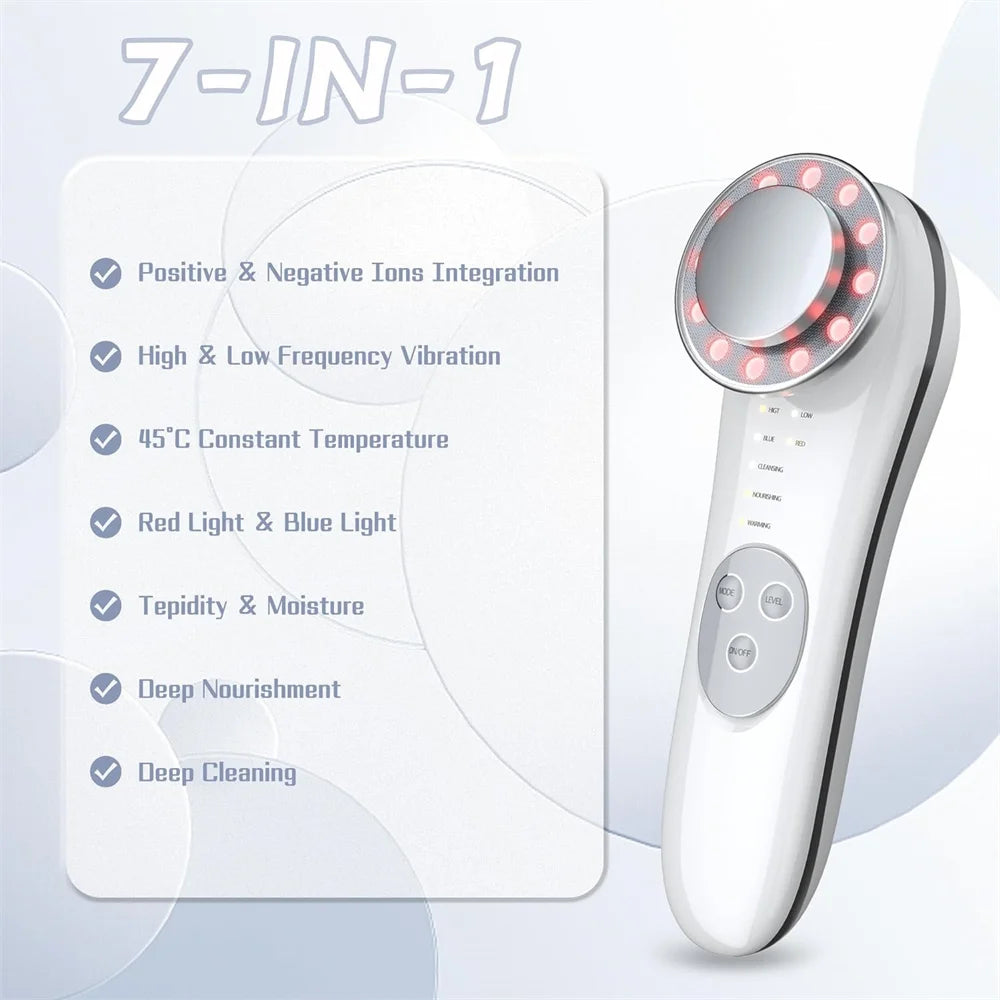
Deep cleansing beauty device for sensitive skin — See it in action
How Ionic Technology Deep-Cleans Without Irritation
Ionic cleansing technology is designed to assist with lifting residual makeup, excess oil, and surface impurities using gentle electrical currents. While it should not replace a proper cleansing routine, it can complement double cleansing for people who frequently wear long-lasting makeup or sunscreen.
Why ionic cleansing is gentler and more effective
- Helps loosen remaining residue with less dependence on vigorous rubbing.
- Supports more consistent cleansing across areas that are often missed manually.
- May reduce the need to wash the face repeatedly when used correctly.
- Can be suitable for sensitive skin when paired with gentle cleansers and used according to manufacturer guidelines.
When an ionic device adds value beyond manual cleansing
An ionic cleansing device may be useful if you wear waterproof cosmetics daily, apply multiple layers of sunscreen, or struggle with persistent makeup residue after conventional cleansing. It works best as an addition to—not a substitute for—a gentle double-cleansing routine. If your skin is actively irritated, broken, or experiencing a rosacea flare, consult your dermatologist or follow your healthcare professional's recommendations before introducing any cleansing device.
Common Mistakes That Worsen Sensitive Skin During Makeup Removal
Many cases of irritation are caused by cleansing habits rather than the makeup itself. Avoiding these common mistakes helps remove makeup effectively while protecting your skin barrier.
- Over-cleansing several times a day, which can strip natural protective oils.
- Using hot water instead of lukewarm water.
- Scrubbing aggressively with washcloths, brushes, or fingernails.
- Skipping moisturizer after cleansing, allowing moisture to escape.
- Combining multiple strong active ingredients immediately after makeup removal.
- Using heavily fragranced or alcohol-rich products that may trigger sensitivity.
- Ignoring early signs of irritation such as persistent tightness, burning, or redness.
Product Breakdown: Why This Deep Cleansing Beauty Device Works Better Than Alternatives
Consistent cleansing technique remains the foundation of healthy skin, but the right tool can make removing makeup residue safer and more effective for people with sensitive skin. Rather than replacing a gentle double-cleansing routine, a well-designed cleansing device can help lift remaining makeup, sunscreen, and excess oil while minimizing unnecessary friction.
The KentDO Deep Cleansing Beauty Device combines ionic cleansing technology, gentle vibration, and soft silicone contact points to support a barrier-friendly skincare routine.
Core Features
- Ionic charge technology designed to help lift residual impurities
- Flexible ergonomic design for easier control around facial contours
- Soft, skin-friendly silicone touchpoints that reduce friction
- Adjustable vibration modes to suit different skin sensitivities
Unique Benefits
- Supports more complete removal of makeup residue after cleansing
- Helps reduce excessive rubbing compared with manual cleansing alone
- Promotes more even application of follow-up skincare products
- Fits well into gentle, barrier-conscious skincare routines
Who should consider it
- People who regularly wear long-wearing foundation or sunscreen
- Those with sensitive skin seeking to reduce cleansing friction
- Anyone experiencing persistent makeup residue after manual cleansing
- Users looking for a reusable tool to complement—not replace—a gentle cleansing routine
Comparison: Manual Cleansing vs. Ionic Deep Cleansing
| Feature | Manual Cleansing | Ionic Device Cleansing |
|---|---|---|
| Makeup Removal | May leave residue if technique is incomplete | Helps lift remaining residue after cleansing |
| Sensitive Skin Gentleness | Depends on pressure and rubbing | Designed to reduce friction with soft silicone contact |
| Pore Cleansing Support | Primarily surface cleansing | Helps remove residue from difficult-to-clean facial areas |
| Convenience | Requires careful manual technique | Provides more consistent cleansing with guided pressure |
| Best Use Case | Minimal makeup or light daily cleansing | Heavy makeup, sunscreen, or long-wear cosmetic removal |
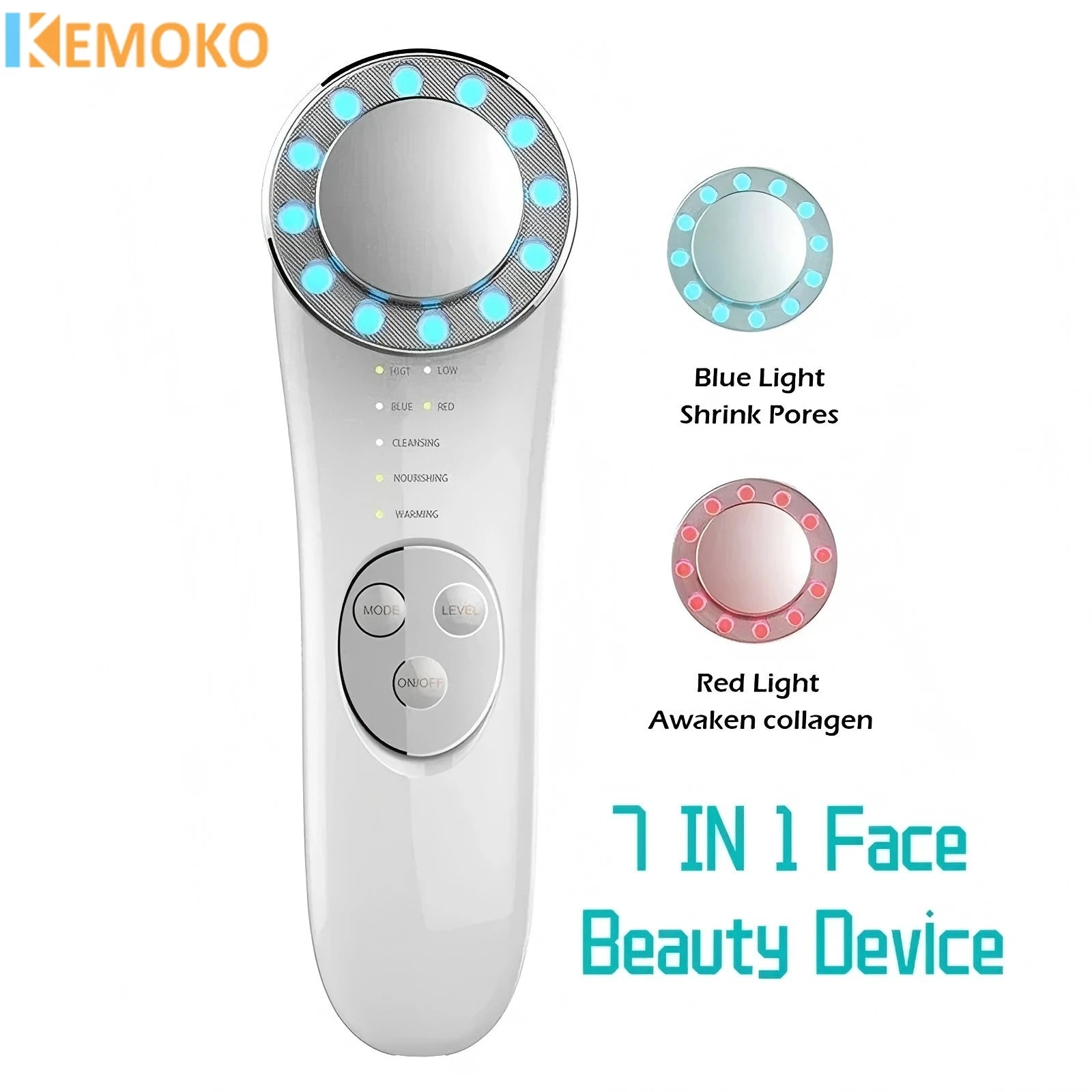
Ionic facial cleanser device for deep cleansing beauty — See it in action
FAQ
Does an ionic facial cleanser device work for sensitive skin?
Yes. When paired with a gentle cleanser and used according to the manufacturer's instructions, an ionic facial cleansing device can help remove remaining makeup residue while reducing the need for vigorous scrubbing. If your skin is highly reactive or has an active flare-up, consult a dermatologist before introducing new skincare tools.
Can I use a deep cleansing beauty device daily?
Many people tolerate daily use, but frequency should match your skin's needs. If you notice dryness, tightness, or redness, reduce use to a few times per week and prioritize barrier-repair skincare.
Is it better than double cleansing alone?
A cleansing device should complement—not replace—a proper double cleanse. Oil-based or micellar cleansing followed by a gentle water-based cleanser remains the foundation of effective makeup removal, while a cleansing device may help lift stubborn residue left behind.
How do you remove makeup residue without irritation daily?
The best way to remove makeup for sensitive skin is to use a fragrance-free oil cleanser or micellar water, follow with a gentle low-irritation cleanser, cleanse using light pressure, rinse with lukewarm water, and finish with a moisturizer that supports the skin barrier.
What ingredients should sensitive skin avoid in cleansers?
Many people with sensitive skin benefit from avoiding high concentrations of drying alcohols, added fragrance, harsh sulfates, and overly aggressive exfoliating acids unless recommended by a healthcare professional.
Why does makeup residue remain after washing my face?
Long-wear makeup, water-resistant sunscreen, silicone-based products, and insufficient cleansing time can all leave behind invisible residue. Using the correct cleanser for your makeup type is often more important than washing longer.
Is double cleansing safe for sensitive skin every day?
Yes, provided both cleansers are gentle and your skin tolerates the routine well. Avoid excessive scrubbing and discontinue or reduce frequency if you notice persistent irritation.
How do I remove waterproof mascara without irritation?
Soak a cotton pad with a gentle eye makeup remover or cleansing oil, hold it against the lashes for several seconds to dissolve the product, then wipe gently instead of rubbing repeatedly.
Can micellar water replace cleanser?
Micellar water is an effective first cleansing step for many people, but when wearing heavy makeup, sunscreen, or excess oil, following with a gentle facial cleanser usually provides a more complete cleanse.
Should I use cleansing tools if I have rosacea?
Some people with rosacea may tolerate ultra-gentle cleansing tools, while others may find them irritating. Introduce new devices cautiously, use the lowest setting available, and stop if redness or burning increases.
How can I tell if makeup residue is clogging my pores?
Persistent congestion, rough skin texture, recurring blackheads, and breakouts despite regular cleansing may indicate that makeup or sunscreen is not being removed completely.
What should I do if my skin becomes red after cleansing?
Stop using potentially irritating products, rinse with cool to lukewarm water, apply a fragrance-free moisturizer containing barrier-supporting ingredients such as ceramides or glycerin, and simplify your routine until the irritation improves.
Pillar Article: Deep Pore Cleansing Tips: Step-by-Step Guide for Clear Skin
Other Related Articles:
Explore More:













