

Does a smart heated vest really work?
A smart heated vest uses integrated heating elements, temperature sensors, and intelligent controls to deliver warmth where your body needs it most. Unlike a standard electric heated vest with fixed heat levels, a smart temperature control vest can automatically regulate heat output based on body temperature, weather conditions, or user-selected settings, creating more consistent comfort while helping extend battery life.
In real-world use, the biggest advantage isn't simply producing more heat—it's maintaining the right amount of warmth without constant adjustments. Whether you're commuting, hiking, working outdoors, or traveling, smart heating technology reduces bulky layering while keeping your core comfortable across changing temperatures.
If you're shopping for an electric heated vest , focus on overall heating performance, battery runtime, safety certifications, material quality, and comfort rather than maximum temperature alone. The guide below compares leading models and explains which features actually matter.
Smart Heated Vest: Best Picks, Benefits & Buying Guide for 2026
Cold weather often leads to discomfort, reduced mobility, and excessive layering that limits movement. A smart heated vest offers a more efficient solution by combining targeted heating, intelligent temperature management, and lightweight construction to keep you comfortable throughout the day.
⏱ 6 min read
Best Smart Heated Vests (Tested & Compared)
Quick Comparison Table (Heating Zones, Battery, Runtime, App Control, Weight, Price)
| Vest | Heating Zones | Battery Runtime | App Control | Weight | Best For |
|---|---|---|---|---|---|
| KentDO™ Smart Heated Vest | 5 | 8–10 hrs | No | Lightweight | Overall Daily Performance |
| ORORO Heated Vest | 3–5 | Up to 10 hrs | Select Models | Light | Daily Winter Wear |
| Milwaukee M12 Heated Vest | 3 | Up to 12 hrs | No | Heavy Duty | Outdoor Work |
| ActionHeat 5V Heated Vest | 4 | 6–8 hrs | No | Medium | Outdoor Recreation |
| Venture Heat Heated Vest | 3–4 | 5–8 hrs | Select Models | Light | Travel & Commuting |
Best Overall Smart Heated Vest
The best overall smart heated vest combines balanced heat distribution, lightweight construction, dependable battery runtime, and responsive temperature control. Models with five heating zones generally provide more even core warmth while remaining comfortable for daily wear.
- Pros: Excellent comfort, efficient heating, versatile for commuting and travel.
- Cons: Premium models typically cost more than entry-level heated vests.
Best for Extreme Cold
For sub-freezing temperatures, prioritize insulated fabrics, consistent heat output, and longer battery capacity. Pairing a heated vest with an insulated outer shell typically performs better than relying on heavy insulation alone.
Best for Work & Outdoor Jobs
Construction workers, warehouse employees, and outdoor professionals benefit from durable fabrics, reinforced stitching, and batteries designed for extended shifts. Milwaukee's work-focused platform remains a strong choice where durability matters most.
Best for Hiking & Hunting
Outdoor enthusiasts should prioritize lightweight materials, unrestricted mobility, quiet fabrics, and batteries that can be swapped during long trips. Breathability becomes especially important during high-output activities.
Best for Commuting
Daily commuters usually prefer lightweight wearable heating vests that warm quickly, fit comfortably under jackets, and provide enough runtime for morning and evening travel.
Best Budget Smart Heated Vest
Budget-friendly heated vests with three or four heating zones still provide excellent value for occasional winter use. Look for dependable construction and certified battery systems rather than simply choosing the lowest price.
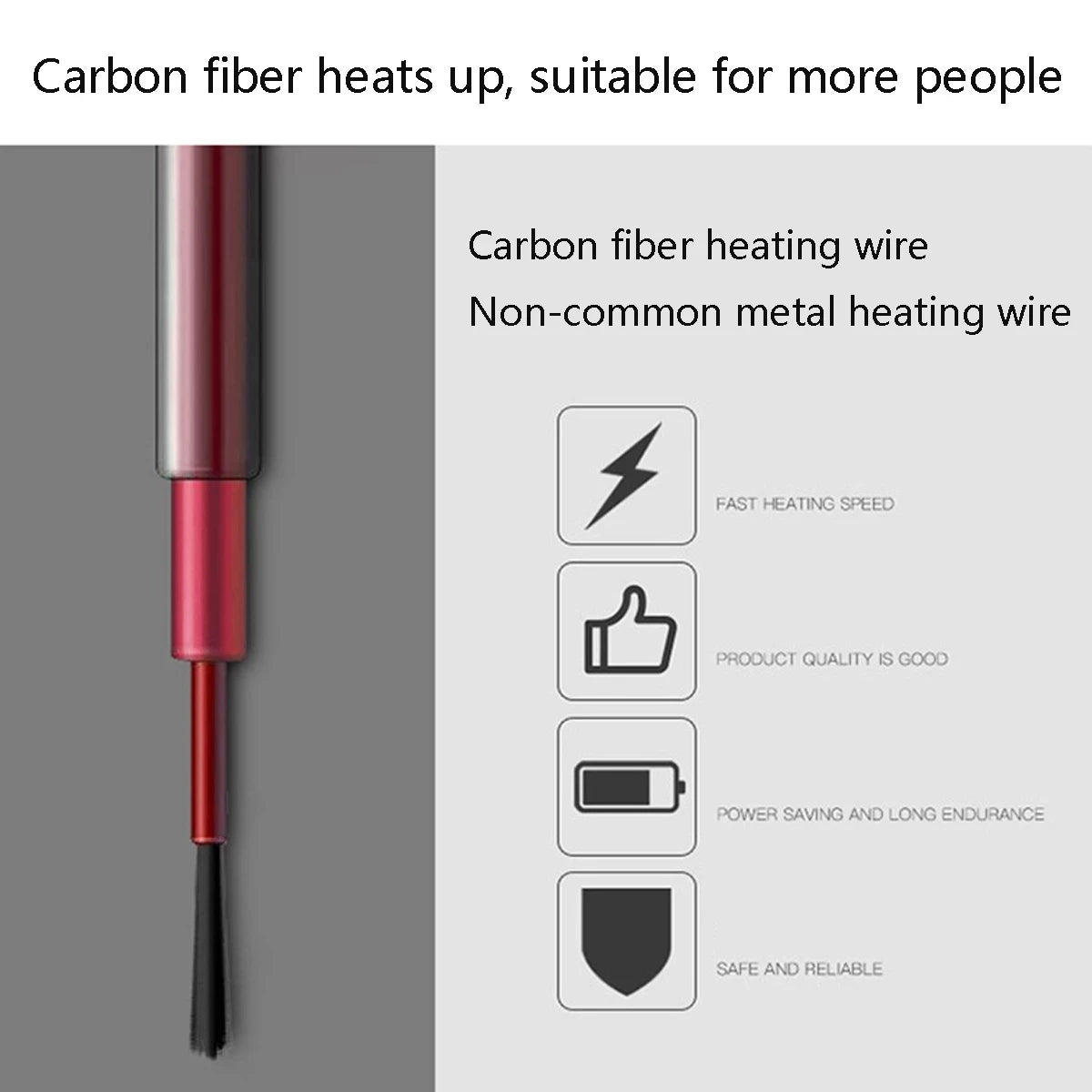
Smart temperature control vest adapts instantly to your body heat. See it in action.
How We Evaluated Smart Heated Vests
Heating Performance
We compared heat consistency, warm-up speed, heating zone placement, and how evenly warmth was distributed across the chest and back during extended wear.
Battery Runtime Testing
Manufacturer claims were compared against realistic use across low, medium, and high heat settings. Cold weather naturally reduces lithium battery efficiency, so practical runtime often differs from laboratory testing.
Comfort, Fit & Mobility
We prioritized lightweight construction, unrestricted movement, breathable fabrics, and comfort when worn both alone and underneath winter jackets.
Durability & Long-Term Value
Evaluation included fabric quality, washability, water resistance, battery compatibility, warranty support, and expected long-term ownership costs.
How a Smart Temperature Control Vest Works
Carbon Fiber Heating Elements
Most premium battery heated vests use flexible carbon fiber heating panels because they warm quickly, distribute heat evenly, and maintain durability after repeated use. Heating zones are usually positioned across the chest and upper back to warm the body's core efficiently.
Temperature Sensors & Smart Control
Advanced smart heated vest designs continuously monitor temperature and automatically adjust heat output to maintain a comfortable range. This minimizes overheating while improving energy efficiency compared with fixed-output systems.
Battery Systems, Voltage & Runtime
Most wearable heating vests operate using rechargeable lithium-ion battery packs through USB or dedicated DC power systems. Larger battery capacities generally increase runtime, although outdoor temperature, selected heat level, and wind exposure all affect actual performance.
Bluetooth & App Features
Some premium models add Bluetooth connectivity, allowing users to adjust heating levels, monitor battery status, or create personalized heating schedules through a smartphone app. While convenient, these features are optional rather than essential for reliable performance.
Heated Vest Benefits Beyond Staying Warm
Comfort During Outdoor Activities
Maintaining core warmth helps make long periods outdoors more comfortable during hiking, winter commuting, sporting events, camping, and everyday errands.
Reduced Bulky Layering
Because warmth is generated close to the body, many users can wear fewer insulating layers while maintaining comparable comfort and greater freedom of movement.
Everyday Winter Convenience
Quick warm-up times, adjustable heat settings, and rechargeable batteries make heated clothing practical for daily use without constantly adding or removing layers as temperatures change.
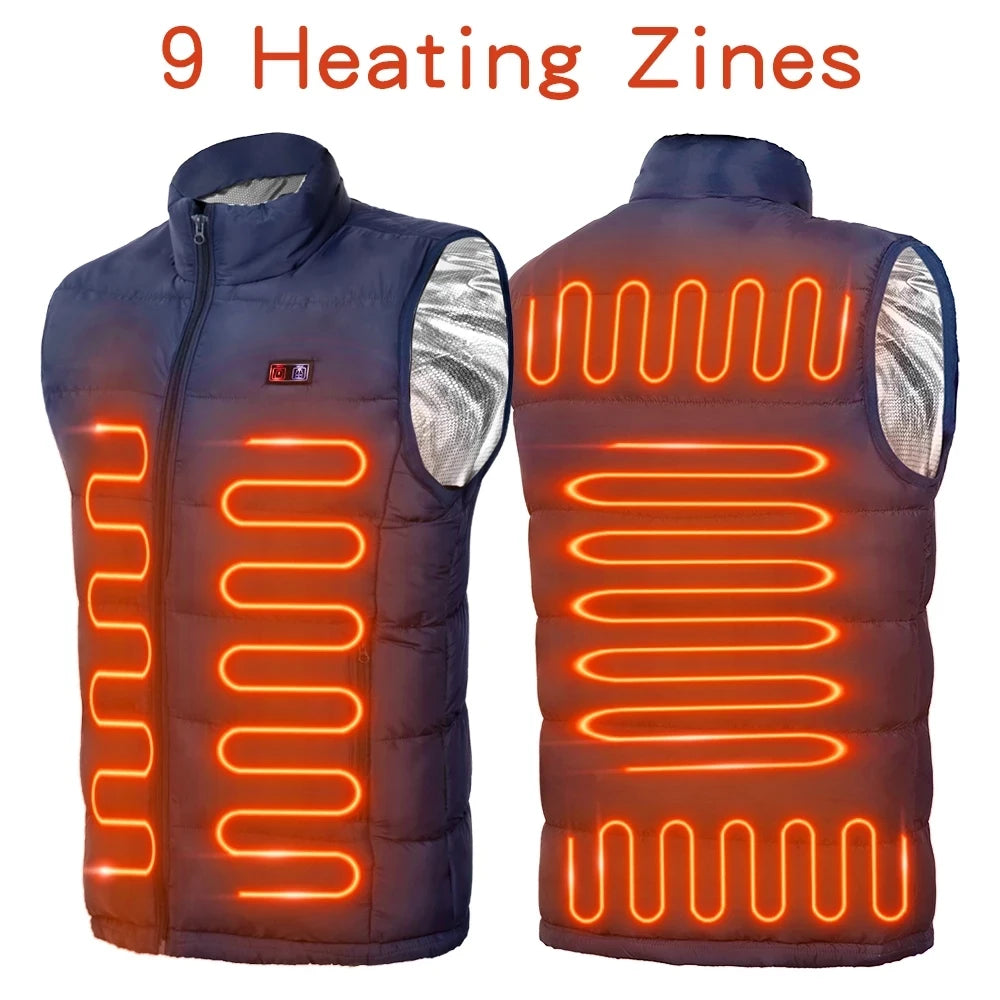
Designed for comfort without bulk—smart heated vest performance. See it in action.
Best Smart Heated Vest for Different Users
Construction & Outdoor Work
Choose durable fabrics, long battery runtime, reinforced stitching, and reliable heating performance that can withstand demanding work environments.
Hiking & Camping
Lightweight designs with breathable insulation and replaceable batteries help extend comfort during long outdoor adventures.
Skiing & Snow Sports
Look for slim-fitting heated vests that fit comfortably beneath waterproof ski jackets without restricting movement.
Motorcycle & Cycling
Wind-resistant materials, close-fitting construction, and consistent core heating improve comfort during long rides in cold weather.
Daily Commuting
Urban commuters typically benefit most from lightweight models that provide quick warm-up, reliable battery life, and comfortable layering under business or casual outerwear.
Smart Heated Vest vs Traditional Heated Apparel
Vest vs Heated Jacket
A heated vest concentrates warmth around your core while preserving arm mobility. Heated jackets provide additional warmth for the sleeves but are generally heavier and less versatile for layering.
Smart systems continuously regulate heat for improved efficiency, while manual heated apparel requires users to adjust settings whenever conditions change.
When a Vest Is the Better Choice
A smart heated vest is ideal for people who move frequently between indoor and outdoor environments, need unrestricted mobility, or want flexible layering without carrying a bulky winter coat.
Real-World Performance in Cold Weather
Battery Runtime by Temperature
Lithium-ion batteries naturally lose efficiency in freezing conditions. Expect shorter runtimes during very cold weather, particularly when operating continuously on the highest heat setting.
Warm-Up Speed & Heat Distribution
Most quality heated vests begin warming within 30 to 60 seconds. Evenly distributed heating zones typically feel more comfortable than concentrated hot spots.
Weather Resistance & Washability
Water-resistant outer fabrics protect electronics during light rain or snow. Always remove the battery before washing and follow the manufacturer's cleaning instructions.
Long-Term Reliability
Premium fabrics, quality connectors, and certified batteries generally provide better durability after repeated charging cycles and seasonal use.
How to Choose the Best Smart Heated Vest
Heating Zones
Three heating zones are suitable for occasional use, while five or more zones usually deliver more balanced warmth across the torso.
Battery Capacity & Compatibility
Select batteries that provide enough runtime for your activities while remaining easy to recharge or replace when necessary.
Materials, Fit & Layering
A properly fitted vest should sit close to the body without restricting movement, allowing efficient heat transfer while fitting comfortably under outerwear.
Safety Features & Certifications
Choose models equipped with overheat protection and batteries that meet recognized electrical safety standards such as CE or UL certification where applicable.
Washability & Warranty
Removable batteries, machine-washable garments, and clear warranty coverage add long-term value and simplify ownership.
- Heating zone placement
- Battery capacity
- Temperature control options
- Fabric quality
- Safety certifications
Heated Vest Safety
Overheat Protection
Modern heated vests incorporate automatic temperature regulation and thermal protection systems to reduce overheating risks during normal use.
Battery Safety
Always use manufacturer-approved battery packs, inspect cables regularly, and avoid exposing connected batteries to excessive moisture or physical damage.
Travel & Airline Rules
Rechargeable lithium batteries are generally permitted in carry-on luggage, although airline capacity limits may apply. Check your carrier's latest battery policy before traveling.
Safe Washing & Storage
Disconnect and remove the battery before washing. Allow the vest to dry completely before reconnecting power, and store batteries in a cool, dry location between seasons.
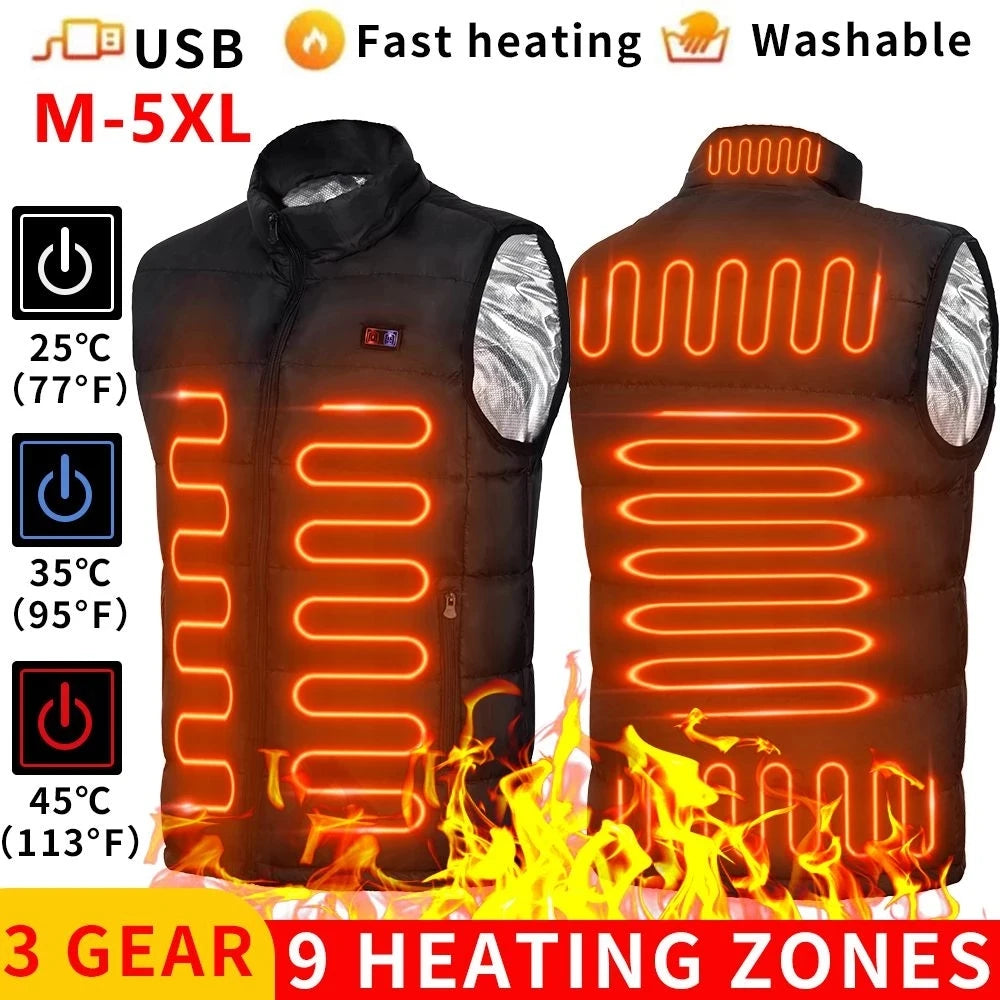
Engineered warmth that moves with you. See it in action.
Explore the full product details here: smart temperature control vest .
Frequently Asked Questions
What makes a heated vest "smart"?
Smart heated vests use sensors and intelligent controls to regulate heat automatically or provide more precise temperature adjustments than standard manual systems.
Are Bluetooth-controlled heated vests worth it?
Bluetooth features add convenience by allowing remote temperature adjustment and battery monitoring, but they are not essential for effective heating performance.
How many heating zones do I need?
Three zones work well for light everyday use, while five or more zones generally provide better overall heat coverage and comfort.
Can I use a heated vest while skiing or hiking?
Yes. Heated vests are commonly used during skiing, hiking, camping, cycling, hunting, and other outdoor activities because they provide warmth without excessive bulk.
How long will a 10,000mAh battery power a heated vest?
Runtime varies by power consumption, but many heated vests operate approximately 4 to 10 hours depending on heat level and outdoor temperature.
Do heated vests work in rain or snow?
Most quality models use water-resistant materials suitable for light rain and snow. They should not be submerged or heavily soaked while powered.
Can replacement batteries be used safely?
Replacement batteries should match the manufacturer's voltage and connector specifications. Using incompatible batteries may reduce performance or create safety risks.
What safety certifications should I look for?
Look for recognized certifications such as CE or UL where applicable, along with built-in overheat protection and battery management systems.
Pillar Article: Thermal Insulation Winter Vest How It Traps Heat Better
Other Related Articles:
Explore More:













