

Gluteus Medius EMS Placement: Exact Pad Position for Maximum Muscle Activation
Mastering gluteus medius EMS placement can dramatically improve how effectively electrical muscle stimulation activates the hips. The gluteus medius sits on the outer upper hip and plays a major role in pelvic stability, balance, and controlled movement. When EMS pads are placed correctly over this muscle, electrical impulses stimulate the motor nerves responsible for contraction, helping improve activation and strengthening results. This guide explains the exact electrode placement zones, common mistakes to avoid, and how to position EMS pads for consistent gluteus medius engagement.
Tags: ems glute placement, ems pad placement for glutes, glute ems, ems placement for glutes, glute muscle stimulator, muscle stimulation guide, electrode placement tips, glute activation, firm glutes fast, body sculpting tools
Meta Description: Learn the exact gluteus medius EMS placement for maximum activation. Discover correct pad positioning, diagrams, and expert tips for effective EMS training.
⏱ 7 min read
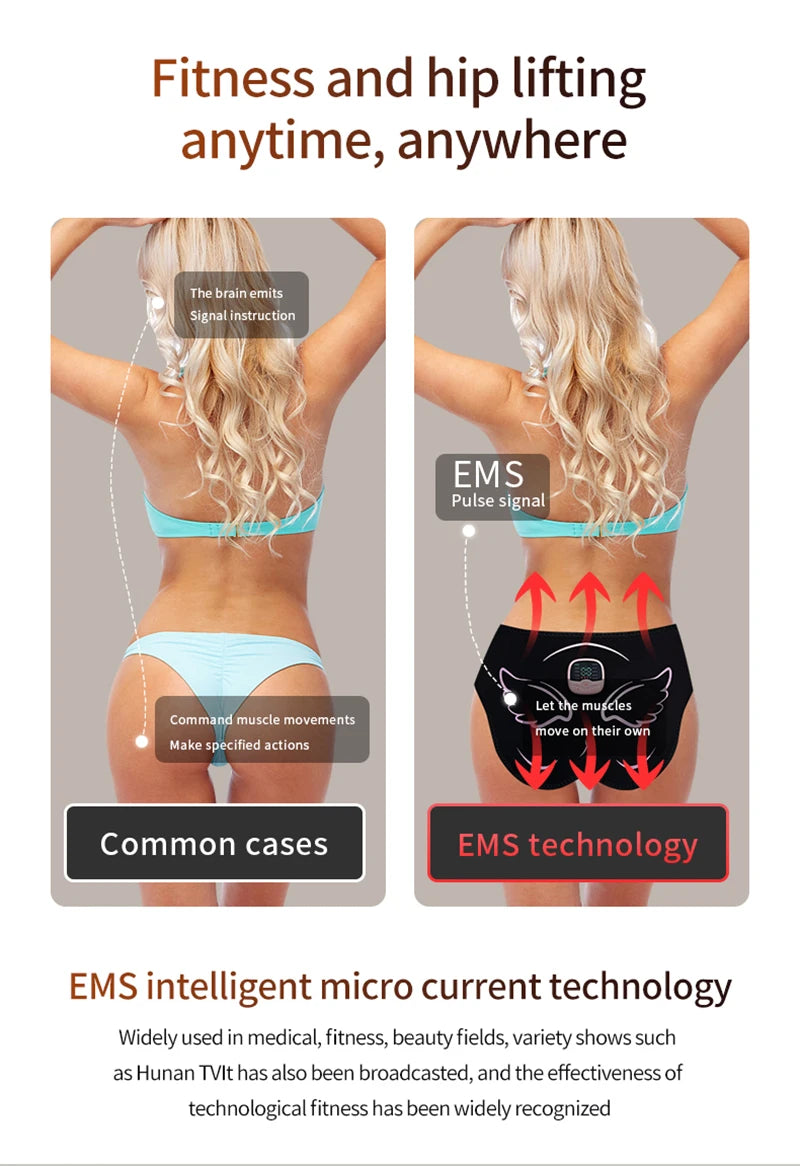
💡 Example EMS glute placement zones used to activate the outer hip muscles
What Is Gluteus Medius EMS Placement?
Gluteus medius EMS placement refers to positioning electrical muscle stimulation electrodes directly over the gluteus medius muscle so electrical impulses activate this key hip stabilizer. Correct electrode placement ensures the stimulation reaches the intended muscle fibers rather than surrounding muscles like the gluteus maximus.
Because the gluteus medius sits on the outer upper portion of the hip, proper pad positioning focuses on the lateral hip region rather than the center of the buttock.
Where the Gluteus Medius Muscle Is Located
The gluteus medius lies on the outer surface of the pelvis just below the iliac crest, which is the top ridge of the hip bone. The muscle connects the pelvis to the femur and plays a critical role in stabilizing the hips during movement.
When you stand on one leg, walk, or run, the gluteus medius prevents the pelvis from dropping toward the opposite side. This stabilizing role makes it essential for balance and proper lower-body mechanics.
What EMS Stimulation Does to the Muscle
EMS devices deliver controlled electrical pulses through electrodes attached to the skin. These pulses stimulate the motor nerves that trigger muscle contractions.
When electrodes are correctly positioned over the gluteus medius, the stimulation can help improve neuromuscular activation, assist strengthening programs, and support rehabilitation routines focused on hip stability.
Why the Gluteus Medius Matters for Hip Stability
The gluteus medius is one of the primary stabilizing muscles of the pelvis. It works continuously during everyday movements including walking, stair climbing, and balancing on one leg.
Role in Walking, Running, and Pelvic Balance
During walking and running, the gluteus medius keeps the pelvis level. If the muscle is weak or poorly activated, the pelvis may tilt toward the opposite side, increasing stress on the hips, knees, and lower back.
Because of this stabilizing role, many physical therapy and strength programs target the gluteus medius specifically.
Common Weakness Symptoms
- Hip or outer thigh discomfort
- Difficulty balancing on one leg
- Knee collapsing inward during squats
- Lower back strain during walking
- Visible hip drop while walking
Improving muscle activation through EMS training can help support strengthening routines designed to correct these issues.
Related guide: gluteus medius strengthening exercises
How EMS Stimulates the Gluteus Medius
Electrical muscle stimulation works by sending low-level electrical impulses through the skin and into the underlying motor nerves. These impulses trigger muscle contractions similar to signals normally sent from the brain.
How Electrical Muscle Stimulation Activates Muscle Fibers
When EMS pads are positioned directly over the gluteus medius, the electrical pulses stimulate the nerves responsible for contracting the muscle fibers. Repeated contractions help reinforce the neuromuscular connection and support strengthening programs.
Many rehabilitation specialists use EMS to re-activate muscles that are difficult to engage during conventional exercises.
Why Proper Pad Placement Is Critical
If electrodes are placed too far from the gluteus medius, the stimulation may activate nearby muscles instead. This reduces the effectiveness of the session and can lead to uneven contractions.
Correct pad placement ensures the electrical path travels directly through the gluteus medius muscle fibers, maximizing activation and improving training efficiency.
Exact Gluteus Medius EMS Pad Placement (Step-by-Step)
Proper electrode positioning allows the EMS current to travel through the gluteus medius muscle fibers. Follow these steps to locate the ideal activation zone.
Identify the Gluteus Medius Activation Zone
Stand upright and locate the bony ridge at the top of the hip known as the iliac crest. The gluteus medius lies just below this ridge along the outer hip.
The activation zone sits approximately halfway between the iliac crest and the greater trochanter of the femur.
Two-Pad EMS Placement for Gluteus Medius
- Place the first electrode slightly below the iliac crest on the outer hip.
- Place the second electrode several centimeters lower along the muscle belly.
- Ensure the pads align vertically with the muscle fibers.
Four-Pad EMS Placement Option
Larger EMS systems may allow four electrodes for broader stimulation.
- Two upper pads are positioned along the upper gluteus medius region.
- Two lower pads are placed along the lower muscle belly.
- The electrical current then travels across the full muscle region.
Pad Distance and Orientation Guidelines
- Keep electrodes approximately 3–6 cm apart
- Align pads with the direction of the muscle fibers
- Avoid placing pads directly on bone
- Ensure pads rest over muscle tissue
EMS Pad Placement Quick Reference
| Placement Area | Pad Position | Purpose |
|---|---|---|
| Upper Gluteus Medius | Below the iliac crest on outer hip | Primary stabilization activation |
| Lower Gluteus Medius | Mid-outer hip area | Completes full muscle contraction |
| Four-Pad Layout | Two upper + two lower electrodes | Broader stimulation coverage |
EMS Placement Diagram for the Gluteus Medius
Visualizing electrode placement relative to the hip bones can make positioning easier.
Electrode Placement Zones Explained
The upper electrode typically sits just below the iliac crest, while the lower electrode sits several centimeters beneath it along the muscle belly.
Correct positioning allows electrical impulses to travel vertically across the gluteus medius rather than stimulating nearby muscles.
If contractions are felt mainly in the center of the buttock, the pads may be stimulating the gluteus maximus instead. Moving the pads slightly higher and toward the outer hip usually corrects the issue.
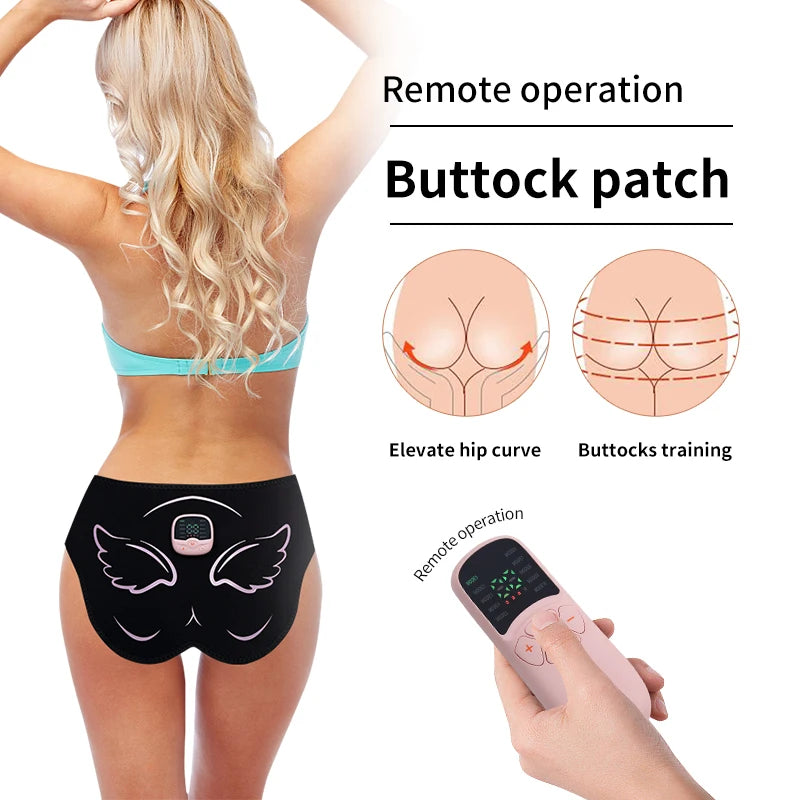
💡 Proper EMS electrode zones for activating the gluteus medius
Common EMS Pad Placement Mistakes
Pads Too Close Together
Electrodes placed too closely limit the electrical pathway and reduce muscle fiber recruitment.
Placing Pads on the Gluteus Maximus Instead
Pads placed too low or toward the center of the buttock will stimulate the gluteus maximus rather than the gluteus medius.
Using Intensity Instead of Correct Placement
Increasing intensity cannot compensate for incorrect pad placement. Proper positioning should always come first.
Alternative Placement for Different Body Types
Body structure can slightly influence the exact electrode location needed to reach the gluteus medius.
Placement for Wider Hips
Individuals with wider hips may need to position pads slightly farther toward the lateral hip to stay aligned with the gluteus medius fibers.
Placement for Lean Athletes
Lean athletes often have more visible muscle definition, making the gluteus medius easier to identify. Pads should still avoid bony areas and remain over muscle tissue.
Placement for Hip Pain or Rehab
When EMS is used during rehabilitation programs, electrodes may be placed slightly higher to emphasize upper gluteus medius fibers that assist pelvic stabilization.
EMS vs TENS Placement for the Gluteus Medius
EMS and TENS units both use electrical stimulation, but they serve different purposes.
Differences Between EMS and TENS Units
- EMS: designed to trigger muscle contractions
- TENS: primarily used to reduce pain signals
TENS Unit Placement for Gluteus Medius Pain
When using a TENS unit for hip pain, electrodes are placed around the painful area rather than directly along the muscle fibers.
One electrode may sit above the pain point while another sits slightly below it so electrical signals travel through the irritated region.
Related guide: TENS pad placement guide
How Often to Use EMS on the Gluteus Medius
Training frequency depends on the intensity used and the purpose of the EMS session.
Recommended Session Duration
Most EMS sessions targeting the gluteus medius last between 15 and 25 minutes.
Weekly Usage Frequency
For strengthening and muscle activation, EMS is typically used three to five times per week with rest days between sessions.
Combining EMS With Glute Exercises
Combining EMS with exercises such as side-lying leg raises, lateral band walks, or single-leg balance drills can further improve gluteus medius strength.
Related guide: best EMS training frequency guide
FAQs About Gluteus Medius EMS Placement
How far apart should EMS pads be on the glutes?
EMS pads are typically placed 3–6 cm apart along the muscle fibers. This spacing allows the electrical current to travel effectively through the gluteus medius.
Where should TENS pads go for gluteus medius pain?
For pain relief, TENS pads are placed around the painful area rather than directly over the muscle fibers.
Can EMS activate the gluteus medius without exercise?
Yes, EMS can trigger muscle contractions independently. However, combining EMS with strengthening exercises usually produces better long-term results.
Is EMS safe for hip stabilization therapy?
EMS is commonly used in rehabilitation settings to assist muscle activation. Individuals with medical conditions should consult a healthcare professional before beginning EMS therapy.
Explore more: Body Care and Health Devices | Beauty & Self-Care Blog | Body & Face Blog
Pillar Article: How to Use the Best Glute Machines for Maximum Toning Results













