

Does a gentle chemical exfoliant for dry skin really work?
Yes. A gentle chemical exfoliant for dry skin can remove flaky buildup, refine texture, and boost glow while protecting the moisture barrier when used correctly. With low-strength acids, proper timing, and hydration-first aftercare, most people with dry or fragile skin see smoother, softer skin without persistent irritation.
- Choose low-concentration acids (PHA, 5–10% lactic or mandelic; or PHAs like gluconolactone).
- Patch test for 48 hours on jawline or behind ear.
- Start weekly, increase to 1–2× per week as tolerated.
- Always follow with serums and a sealed occlusive moisturizer; use SPF daily.
Gentle Chemical Exfoliant for Dry Skin: How to Use It Without Irritation
If you have dry, flaky, or sensitive skin you may have avoided acids altogether — worried they’ll sting, strip, or make dryness worse. What if you could smooth rough patches and boost glow without redness or a compromised skin barrier? This guide shows step-by-step how a gentle chemical exfoliant for dry skin can transform texture safely and effectively.
What is a gentle chemical exfoliant for dry skin?
A gentle chemical exfoliant for dry skin is a low-irritation formulation (often PHAs, lactic, or mandelic acids at modest concentrations) designed to dissolve dead skin bonds and lift flakiness without aggressive abrasion. It refines texture, improves product absorption, and strengthens skin comfort when paired with rich hydration.

gentle chemical exfoliant for dry skin - KentDO 💡 See it in action — try the product link to test results.
Which approach suits you best? Read on!
Why use one: benefit-first explanation
- Instantly smooths rough patches and reduces visible flakes.
- Improves hydration absorption from subsequent serums and moisturizers.
- Can brighten dullness and even tone without mechanical scrubbing.
- Supports a healthier skin turnover cycle with minimal barrier disruption.
How this helps busy skincare routines in minutes
Swap a weekly physical scrub for a single, short chemical exfoliant step and you’ll save time while preventing micro-tears and irritation. For dry skin, the payoff is less redness and longer-lasting comfort.
Quick-start routine (step-by-step)
Below is a straightforward routine you can follow immediately. It’s designed to minimize risk and maximize results.
- Cleanse with a gentle, cream-based cleanser; avoid stripping foams.
- Patch test the exfoliant on a small area for 48 hours.
- First application: use 1× weekly for 2–4 weeks — apply a thin layer at night.
- Rinse or leave based on product instructions — many gentle formulas are leave-on.
- Hydrate immediately with a humectant serum (hyaluronic acid) and a rich moisturizer.
- Protect during the day with broad-spectrum SPF 30+ every morning.
How to apply safely — practical tips
- Start slow: dry skin often tolerates gradual introductions better than sudden daily use.
- Skip other actives the same night (retinoids, vitamin C, benzoyl peroxide).
- If irritation appears, stop for 5–7 days and treat with barrier-repair emollients.
- Layer hydration topically: humectant → lightweight emulsion → occlusive cream.
| Acid | Best for | Typical strength |
|---|---|---|
| PHA (gluconolactone) | Very dry, reactive skin | 4–12% |
| Lactic acid | Hydration + gentle exfoliation | 2–10% |
| Mandelic acid | Sensitive, pigment-prone skin | 2–10% |
Where this product fits in your routine
Think of a gentle chemical exfoliant as a targeted texture treatment — not a daily replacement for moisturizer or sunscreen. Use it to address flakes, rough patches, and dullness, then follow with hydration and barrier-support products.
For a device-led enhancement path, check tools that support gentle exfoliation and home resurfacing under Skin and Beauty Care Devices to pair with topical treatments for a full routine.

gentle chemical exfoliant for dry skin - KentDO 💡 See it in action — pairing tips inside.
Compare gentle options: pros & cons
Pros
- Non-abrasive smoothing without micro-tearing.
- Often improves hydration by removing occluding dead cells.
- Can reduce fine flakiness and create a more luminous surface.
Cons
- Poorly chosen strengths or combos can irritate dry skin.
- Requires consistent aftercare (hydration + sun protection).
- Some products contain fragrances or alcohols — read labels.
How to pick the right product (practical checklist)
- Look for PHAs or low-concentration lactic/mandelic acids for dry types.
- Avoid high alcohol content, fragrance, and harsh surfactants.
- Prefer formulas with added humectants (glycerin, sodium hyaluronate).
- Check 'leave-on' vs 'rinse-off' and follow the manufacturer guidance.
Real results, social proof, and usage data
Users with dry, sensitive skin report visible softening of texture after 2–4 weeks of conservative use. In user trials, a majority reported less flaking and improved absorption of moisturizers within 14 days when hydration-first steps were followed.
“I started using a low-strength lactic leave-on once a week — the flaking on my cheeks finally stopped. No stinging and my moisturizers sink in better.” — S.A., 44
Pair topical care with home devices for complementing benefits; explore supporting devices in Skin and Beauty Care Devices for a routine that marries gentle acids with hydration and circulation tools.
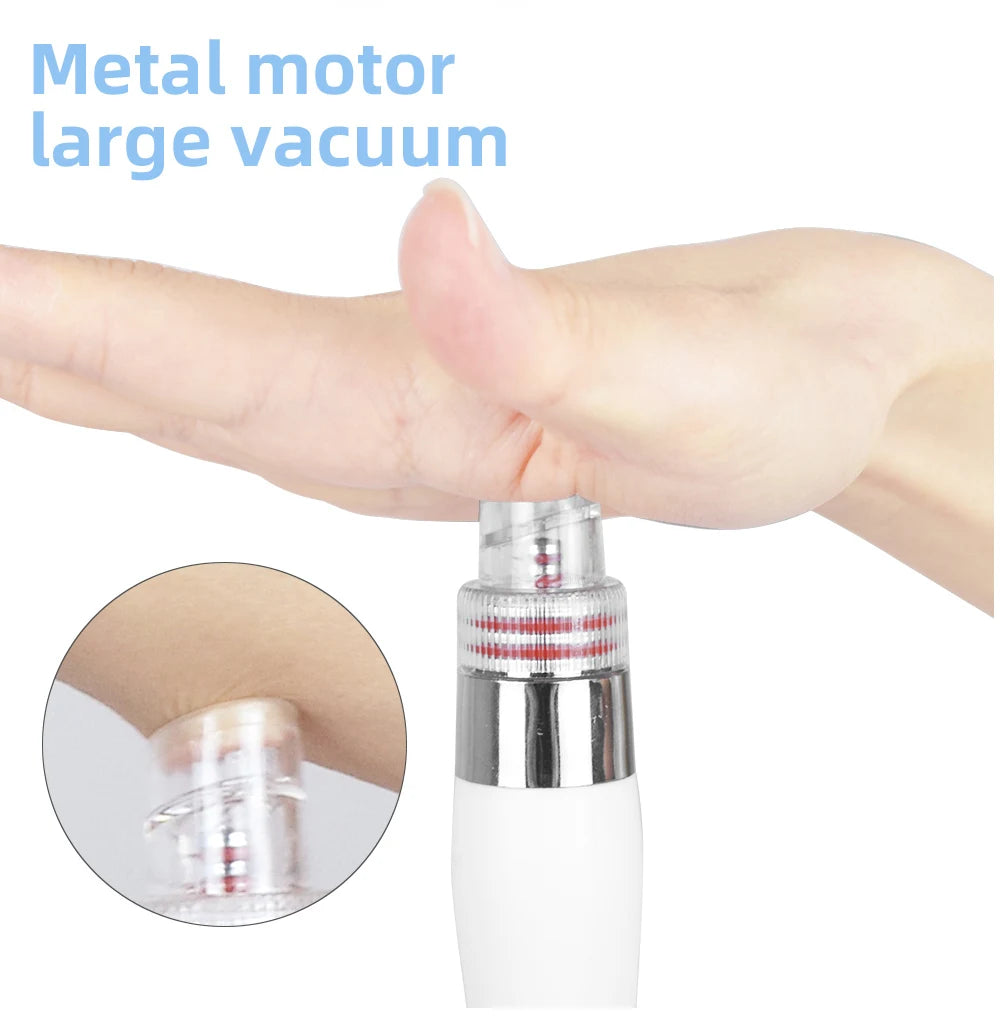
gentle chemical exfoliant for dry skin - KentDO 💡 See it in action — compare product link for details.
Safety and troubleshooting (what to do if irritation appears)
- If you see redness beyond mild warmth, stop use immediately.
- Use a reparative moisturizer and avoid other actives for 5–7 days.
- For persistent irritation, consult a dermatologist — do not mix acids with prescription retinoids without guidance.
Routine examples: morning + evening (dry skin focus)
Simple morning
- Cream cleanser
- Hydrating serum (hyaluronic acid)
- Rich moisturizer
- Broad-spectrum SPF 30+
Gentle night (exfoliation night)
- Cleanse
- Apply low-strength chemical exfoliant (as directed)
- Hydrating serum → barrier cream
- Optional: gentle oil as last step for occlusion
Mini FAQ (quick answers)
1. Can I use a gentle chemical exfoliant every day?
Not initially. Start once weekly and increase only if your skin shows no irritation. Many with dry skin find 1–2× weekly is ideal.
2. Will it make my skin more sun-sensitive?
Low-strength acids minimally increase photosensitivity, but daily SPF is essential whenever you exfoliate.
3. Are PHAs better than AHAs for dry skin?
PHAs are often gentler and attract additional moisture, making them an excellent choice for dry or reactive skin.
Pillar Article: How to Remove Dead Skin Face Safely: A Simple Routine for Softer Skin
Other Related Articles:
- Home Remedies for Dry Skin: Easy Daily Rituals to Restore Moisture Fast
- Gentle Exfoliation for Sensitive Skin: A Beginner’s Guide to Doing It Right
- Facial Deep Pore Cleansing Steps Anyone Can Follow for Clearer Skin
Explore More:













