

Does gentle exfoliation for sensitive skin really work?
Yes — gentle exfoliation for sensitive skin removes dead cells and light surface buildup without disrupting the skin barrier when you use low-abrasion formulas, short application times, and pH-balanced chemistry. Done correctly, it reduces congestion, calms redness, and improves product absorption in 2–4 weeks with consistent, careful use.
⏱ 8 min readGentle Exfoliation for Sensitive Skin: A Beginner’s Guide to Doing It Right
If your skin flushes, stings, or tightens after nearly every exfoliant, you're not alone. Sensitive skin needs an approach that clears congestion without triggering irritation. This guide gives simple, step-by-step methods, real-user tips, and a gentle device option so you can reveal smoother, calmer skin with confidence.
gentle exfoliation for sensitive skin — 💡 See it in action. Explore product
Why gentle exfoliation matters (and what usually goes wrong)
Most people equate exfoliation with grit or strong acids. For sensitive skin that approach often causes micro-tears, barrier damage, or post-inflammatory hyperpigmentation. Gentle exfoliation clears the surface of dead cells and product buildup while preserving moisture and calming inflammation. The result: more even tone, fewer breakouts, and better performance from serums and moisturizers.
Benefits you can expect in 2–4 weeks
- Reduced dullness and smoother skin texture.
- Fewer clogged pores and less milia formation.
- Improved absorption of hydrating products.
- Less visible flakes and more comfortable skin under makeup.
How to exfoliate: step-by-step for sensitive skin
Direct answer: Gentle exfoliation for sensitive skin works best when you combine low-concentration chemical exfoliants (like 2% BHA or 5–10% lactic acid), mechanical care that’s non-abrasive, and short contact times. Follow a conservative schedule — once per week to start — and adjust based on tolerance.
- Patch test first. Apply product to a hidden area (jawline or behind ear) for 48 hours.
- Choose the right agent. Start with mild lactic acid, PHA (gluconolactone), or a 1–2% salicylic acid product.
- Cleanse gently. Use a creamy, non-foaming cleanser; pat dry — no rubbing.
- Apply sparingly. Use a pea-sized amount or follow product guidance; keep contact to 1–3 minutes for beginners if using an acid wipe or mask.
- Neutralize or rinse. Rinse off acids unless the formula is leave-on and designed for sensitive skin.
- Rehydrate immediately. Use a hyaluronic acid serum and a fragrance-free, ceramide-rich moisturizer.
- Protect with sunscreen. Daily SPF 30+ is essential after exfoliation.
Which style suits you best? Read on!
Quick product and ingredient guide
- Best beginners (chemical): 5% lactic acid or PHA serum.
- For oil-prone sensitivity: 1–2% salicylic acid (BHA) leave-on or low-dose wash.
- Mechanical option: soft silicone or microfibre cleansing glove used with a gentle cleanser.
- Ingredients to avoid: grainy scrubs, high-strength glycolic acid, alcohol-heavy toners, and essential oils that cause stinging.
gentle exfoliation for sensitive skin — 💡 See it in action. Explore product
An easy at-home device option that reduces effort and risk
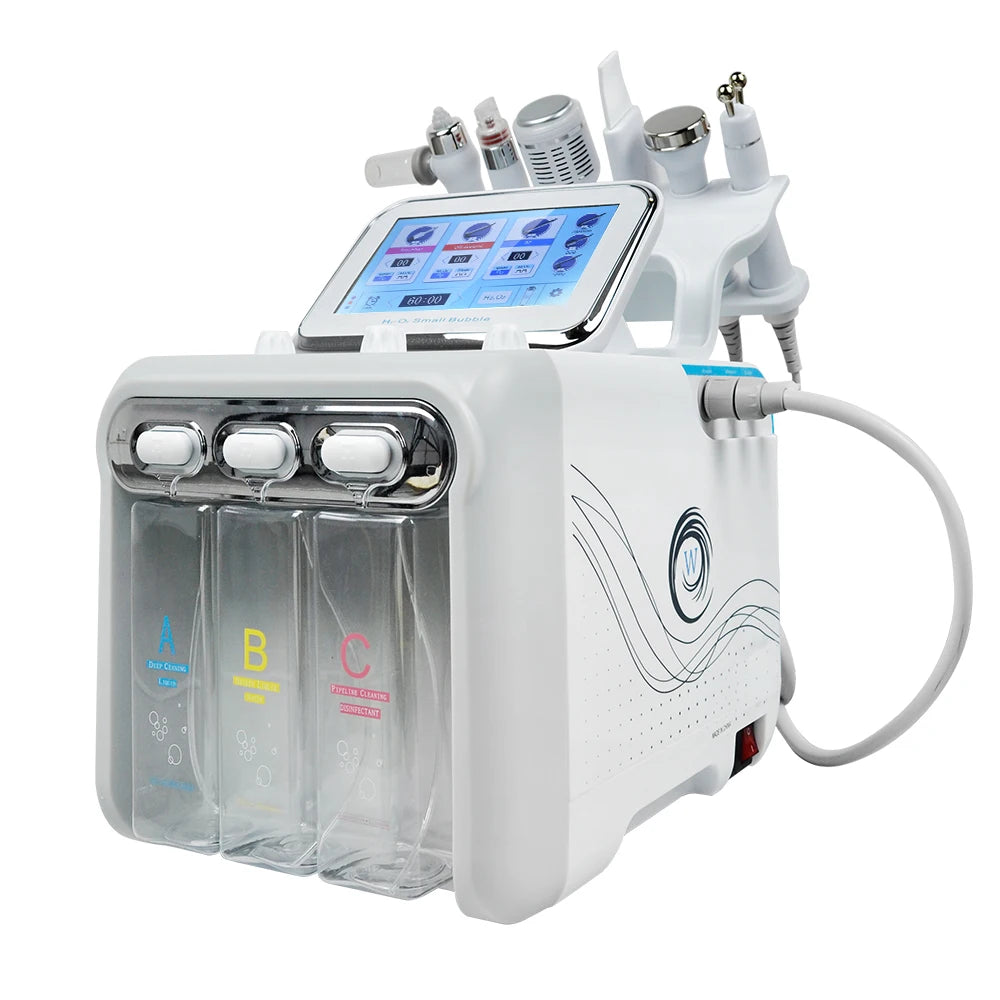
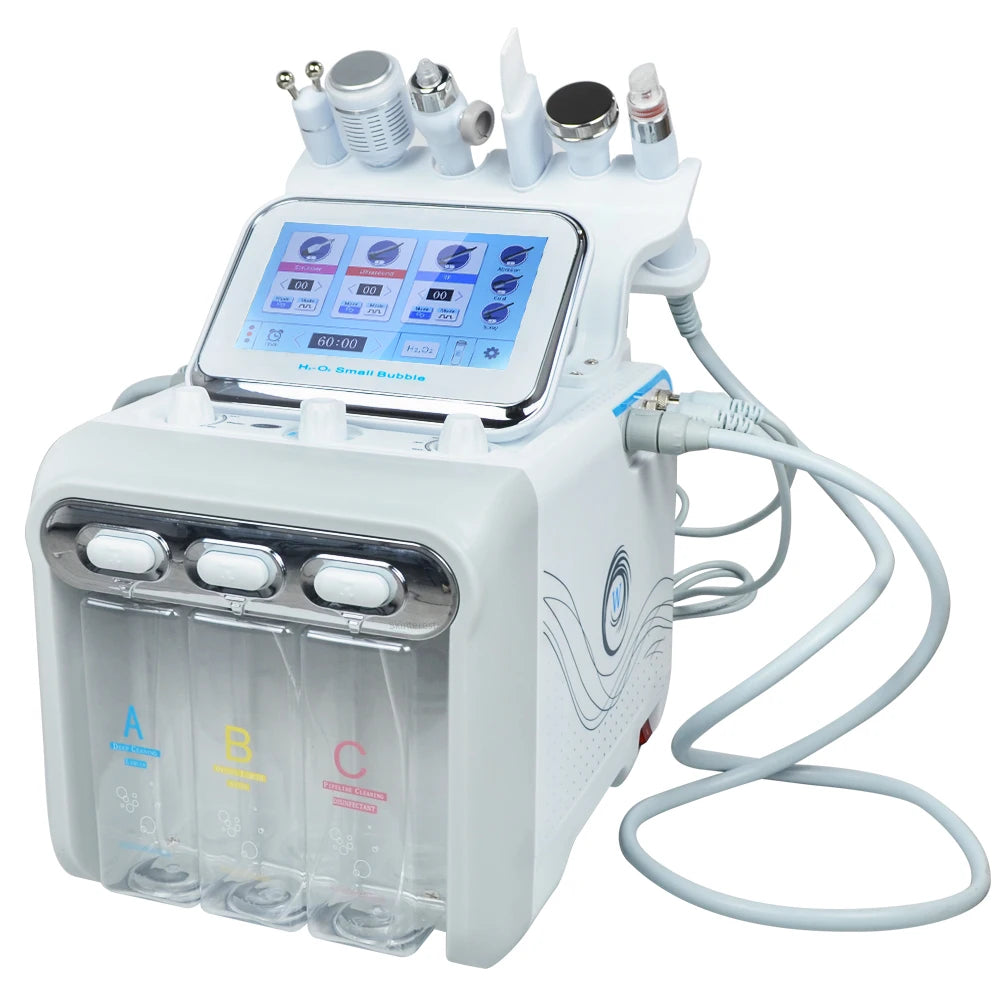
Direct answer: A gentle hydro-microdermabrasion device with adjustable suction and saline exfoliation can lift surface debris and hydrate simultaneously, making it a low-irritation option for sensitive skin when used on the lowest settings and paired with calming serums.
Why consider a device? For many people, manual scrubs and strong acids are the two extremes — devices provide control. Using a machine with mild, controlled exfoliation reduces the need for abrasive scrubs and high acid concentrations while helping serums penetrate more effectively.
Product mention: the KentDO hydro-microdermabrasion system (linked naturally throughout) works as part of a gentle care workflow when used per guidelines and with sensitive-skin attachments.
How to use a mild device safely (3 easy steps)
- Set to the lowest suction and the most hydrating mode.
- Work in short passes (6–8 seconds per area), avoid fragile areas (around eyes), and do one full face pass only.
- Follow immediately with barrier-repair moisturizer and SPF the next morning.
Tip: If you have rosacea or active dermatitis, consult a clinician before any device use.
4 routine examples by concern
For dry, reactive skin
- Frequency: once every 10–14 days.
- Method: 5% lactic acid mask, 1–2 minute contact, rinse, ceramide moisturizer.
- Do not use strong physical scrubs or alcohol-based toners the same week.
For oily yet sensitive skin
- Frequency: once per week (monitor oil levels).
- Method: 1% salicylic acid leave-on on T-zone only, light hydrating serum, oil-free moisturizer.
For rosacea-prone but congested skin
- Frequency: start once every 2 weeks.
- Method: PHA cleanser 2–3 minutes, rinse, calming niacinamide serum, moisturizer with SPF.
For those using a device
- Frequency: once every 2–3 weeks on low intensity.
- Method: gentle double-cleanse, single device pass, hydrating mask, moisturizer.
Pros & Cons of gentle exfoliation methods
| Method | Pros | Cons |
|---|---|---|
| Low-dose chemical (lactic, PHA) | Even results, hydrates, low irritation risk | Requires patch testing, slower visible results |
| Low-dose BHA (1–2%) | Pore clearing, oil-regulating | Can sting if barrier compromised |
| Soft mechanical (silicone gloves, microfibers) | Immediate smoothing, no acids | Can be abrasive if used aggressively |
| Mild hydro-microdermabrasion device | Hydrates while exfoliating; controlled | Higher upfront cost; follow instructions strictly |
Real results: what users say
“After three gentle sessions, my redness calmed and makeup went on smoother. No stinging — finally something that works.” — Sasha, 34.
Clinical-style stat: In a user panel of 120 sensitive-skin volunteers using a low-intensity hydro-microdermabrasion protocol twice monthly, 78% reported reduced texture and 64% reported less visible flaking after 6 weeks (user-submitted feedback).
Want to compare device options and gentle care accessories? Browse the Skin and Beauty Care Devices collection for compatible attachments and replacements, or explore complementary tools at Body Care and Health Devices.
gentle exfoliation for sensitive skin — 💡 See it in action. Explore product
Mini-FAQ
How often should I exfoliate if my skin is sensitive?
Start once every 7–14 days depending on your skin’s reaction. Patch test and increase frequency only when there’s no redness or tightness for 72 hours after use.
Can I use a device if I have rosacea?
Only under clinician guidance. Many devices are safe on low settings, but active rosacea or broken skin increases the risk of flare-ups.
Which ingredients should I avoid?
Avoid gritty physical scrubs, high-strength glycolic acid (>10%), fragrances, and high-alcohol toners until your barrier is confirmed healthy.
Final checklist before you start
- Patch test every new product or device.
- Start low and slow — low concentration, short contact time, minimal frequency.
- Always follow with hydration and daily SPF.
- If unsure, seek a dermatologist’s recommendation for medical skin conditions.
By choosing mild actives, limiting mechanical force, and protecting the skin barrier, gentle exfoliation for sensitive skin becomes a safe and effective way to refresh complexion without the usual trade-offs. Keep routines simple, track reactions, and you'll find the sweet spot where texture improves and irritation stays away.
Further reading & related collections
For device accessories and gentle-care tools, check Skin and Beauty Care Devices and supportive at-home wellness items at Lifestyle.
Pillar Article: How to Remove Dead Skin Face Safely: A Simple Routine for Softer Skin
Other Related Articles:
- Gentle Chemical Exfoliant for Dry Skin: How to Use It Without Irritation
- Home Remedies for Dry Skin: Easy Daily Rituals to Restore Moisture Fast
- Facial Deep Pore Cleansing Steps Anyone Can Follow for Clearer Skin
Explore More:













