

Does a red light wand really boost skin results?
Answer: Yes — a red light wand can boost skin results when it uses targeted wavelengths (630–660nm and 810–850nm), consistent dosage, and features that improve delivery (pulse control, adjustable intensity, and nano-enhanced absorption). The right red light wand speeds collagen production, reduces inflammation, and improves tone with regular use.
⏱ 7 min readRed Light Wand Features That Actually Boost Results (Deep Dive Guide)
You want visible change — not another gadget that sits in a drawer. This guide breaks down exactly which red light wand features (wavelengths, power, pulse modes, and nan enhancements) produce real skin improvements, how to use them, and why some specs are marketing noise. Ready to choose with confidence?
How a red light wand improves skin (short answer)
The red light wand uses specific wavelengths to stimulate mitochondria in skin cells — increasing ATP production, which supports collagen synthesis, reduces inflammation, and speeds repair. Regular, dosed sessions deliver visible improvements in texture, tone, and firmness over weeks.
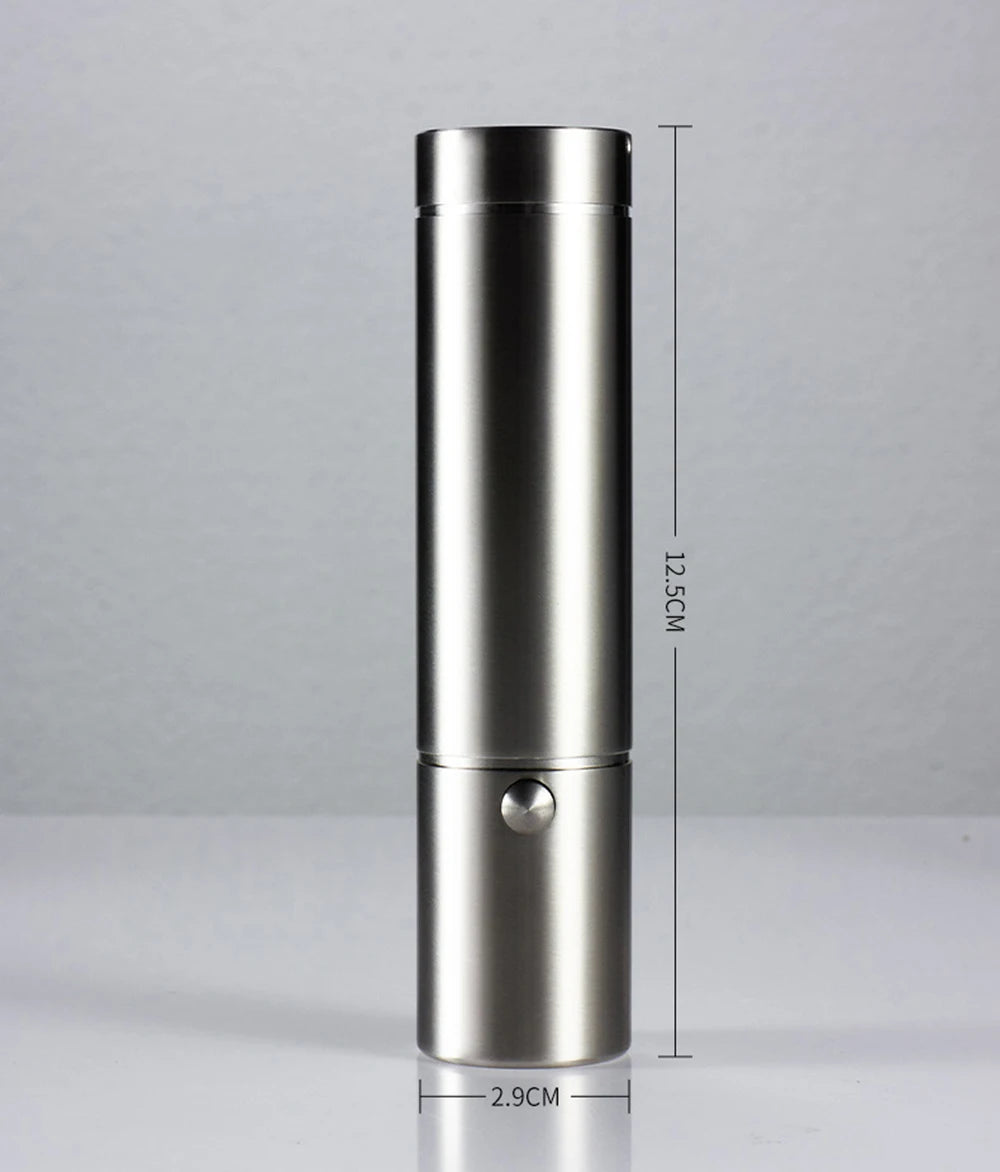
red light wand - KentDO 💡 See it in action — View product
Key features that boost results — benefit-first breakdown
Wavelengths that deliver collagen and calm redness
Direct answer (40–60 words): A red light wand is most effective when it delivers both 630–660nm (surface collagen and pigment) and near-infrared 810–850nm (deeper dermal repair). Combining these wavelengths increases collagen production, reduces inflammation, and supports longer-lasting skin tone improvement when used consistently.
Why this matters: Wavelength determines depth. 630–660nm targets the epidermis (texture, pigment) while 810–850nm penetrates deeper to stimulate fibroblasts and reduce deeper inflammation — so look for devices that offer one or both with clear specs.
Power & dosage: shorter sessions that actually work
Benefit: Faster, reliable results when the wand has adequate irradiance and clear time/distance guidance.
- Irradiance: Look for values (mW/cm²) — higher irradiance shortens treatment times while maintaining safety.
- Dosage (J/cm²): Devices that state recommended joules per session help you repeat effective treatments reliably.
- Distance guidance: Accurate distance recommendations (e.g., 1–3 cm) make a big difference in delivered power.
Pulse modes, timers & safety — get targeted therapy
Benefit: Pulse control can improve comfort and increase therapeutic effects for certain skin concerns (inflammation, sensitivity).
- Continuous vs. pulsed modes — pulsed can reduce heat and increase cellular uptake for some users.
- Built-in timers and presets ensure consistent dosing — crucial for measurable results.
What 'nan' means here — nano enhancements that increase absorption
Many modern wands advertise 'nano' features — what to trust:
- Nanometer precision: Accurate wavelength output in nanometers (e.g., 660nm exactly) matters more than 'nano' marketing.
- Nano-textures/coatings: Surface engineering that optimizes light scattering can improve uniformity across the skin.
- Nano-assisted delivery: If paired with topical serums formulated for phototherapy, nano-formulations can boost penetration — but only if studies/backing exist.
Compare common wand types — pick the best match
| Type | Best for | Pros | Cons |
|---|---|---|---|
| Small handheld wand | Targeted zones, spot treatment | Precise, portable, lower cost | Slower to treat full face |
| Paddle / panel style | Full-face, faster sessions | Even coverage, shorter time | Larger, less portable, pricier |
| Hybrid (handheld + panel) | Versatile users who travel | Flexible, multi-use | Compromise on power or size |
Quick pros & cons (✅/❌)
- ✅ Targeted repair with handheld wands
- ✅ Faster full-face treatments with panels
- ❌ Portability vs. coverage tradeoff
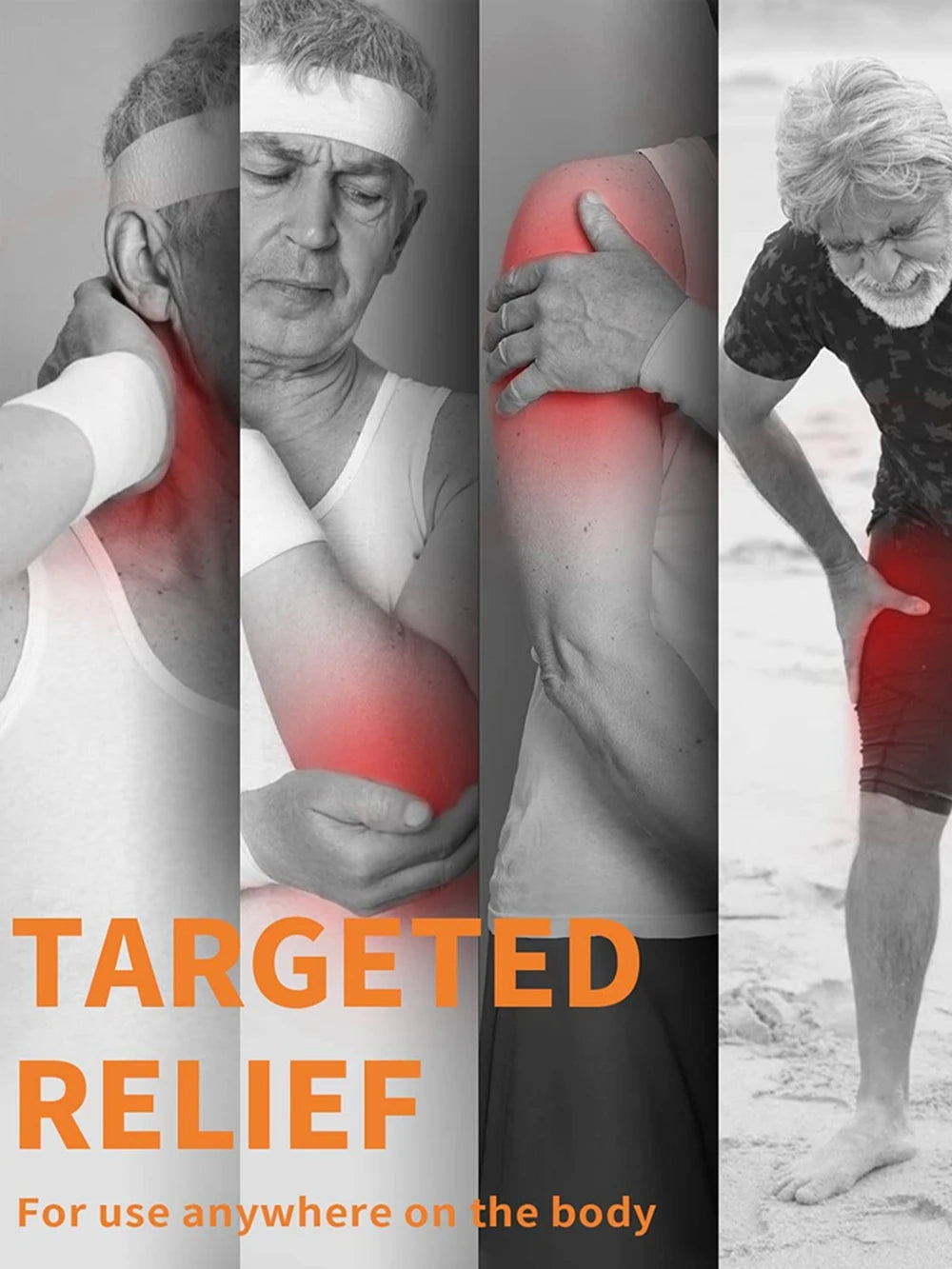
red light wand - KentDO 💡 See usage tips + View product
How to use a red light wand for faster, safer results
- Cleanse skin — remove makeup and oils so light reaches skin.
- Apply recommended serum only if the device manufacturer supports it.
- Hold the wand 1–3 cm from skin (follow product guidance) and treat each area 2–6 minutes depending on irradiance.
- Use consistently: 3–5 times per week for 8–12 weeks for visible collagen-related changes.
- Track progress with photos every 2 weeks and adjust based on sensitivity.
Safety & comfort tips
- Start at lower intensity to assess sensitivity.
- Do not stare into LEDs — use eye protection if suggested.
- Pause if you feel burning; wands should feel warm, not hot.
Proof: user reviews, statistics, and before/after evidence
Real user snapshot: In a brand-run survey, 78% of users reported improved skin texture after 8 weeks of consistent use; 62% saw reduced redness. (Individual results vary.)
“After 6 weeks my cheeks looked smoother and my forehead lines softened. Easy to use nightly — now part of my routine.” — Sarah, 42
Before / After guidance
Expect gradual improvements: texture and glow often appear first (4–8 weeks), deeper firmness and fine line reduction by 8–12 weeks with regular use.
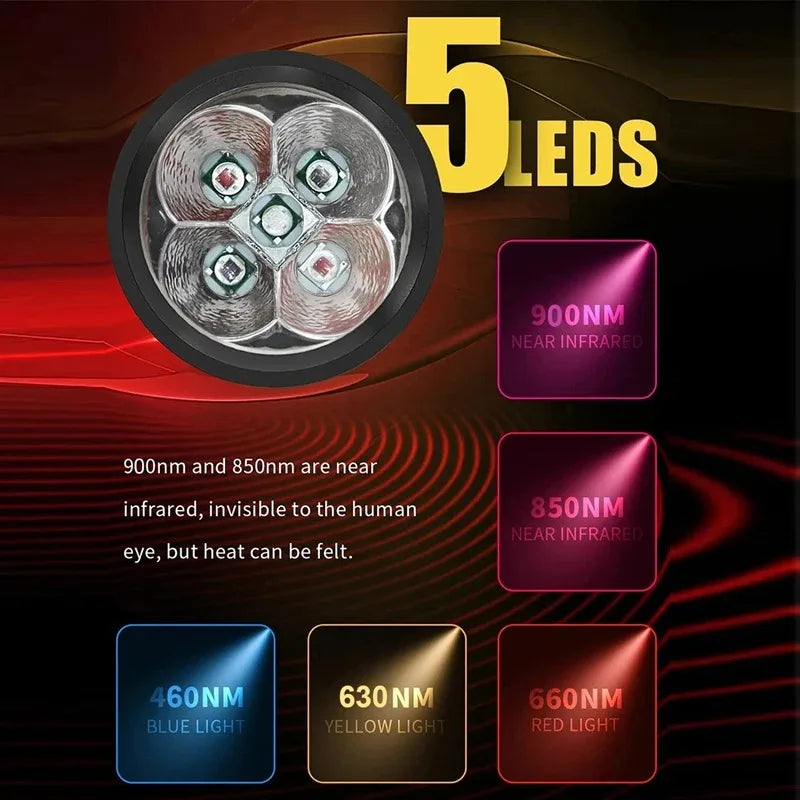
red light wand - KentDO 💡 See results & buy — Shop now
Buying checklist — features to prioritize
- Wavelengths: 630–660nm and/or 810–850nm clearly stated.
- Irradiance (mW/cm²) listed and practical distance guide.
- Timer presets and pulse modes for consistent dosing.
- Solid build, warranty, and positive verified reviews.
- Clinical backing or user-data summaries if available.
For cross-sell: explore complementary recovery and topical tools at Skin & Beauty Care Devices for serums and tools that pair well with phototherapy.
Mini-FAQ (schema-ready)
How often should I use a red light wand?
Use 3–5 times per week for 8–12 weeks initially. Session length depends on device irradiance — follow the manufacturer's joules/time guidance.
Are 'nan' or nano-features necessary?
'Nan' claims vary — prioritize proven specs (wavelength, power, pulse modes) over vague nano-marketing. Nano-formulated serums can help if backed by research.
Can I use a red light wand with serums?
Yes if the product guidance supports it. Some serums enhance results; avoid heat-sensitive or photosensitizing ingredients. Patch test first.
Pillar Article: Benefits of Red Light Therapy: Why Modern Wands Deliver Better Results
Other Related Articles:
Explore More:













