

Does a nail lamp really burn hands?
Answer: Nail lamp burns hands most often because of rapid heat spikes from thick gel layers or high-intensity bulbs. Modern low-heat curing modes and evenly distributed LED arrays drastically reduce that burning sensation while still curing gel efficiently—learn how safe low heat nail curing and a portable UV LED nail lamp solve this below.
⏱ 7 min read
Nail Lamp Burns Hands? How Modern Lamps Keep You Safe
If you’ve ever felt a sudden sting under a gel lamp, you’re not imagining things — nail lamp burns hands can happen, but they’re preventable. This article explains why gel lamp burning nails occurs, how safe low heat nail curing works, and why choosing the right portable UV LED nail lamp transforms your at-home manicure into a comfortable, salon-quality experience.
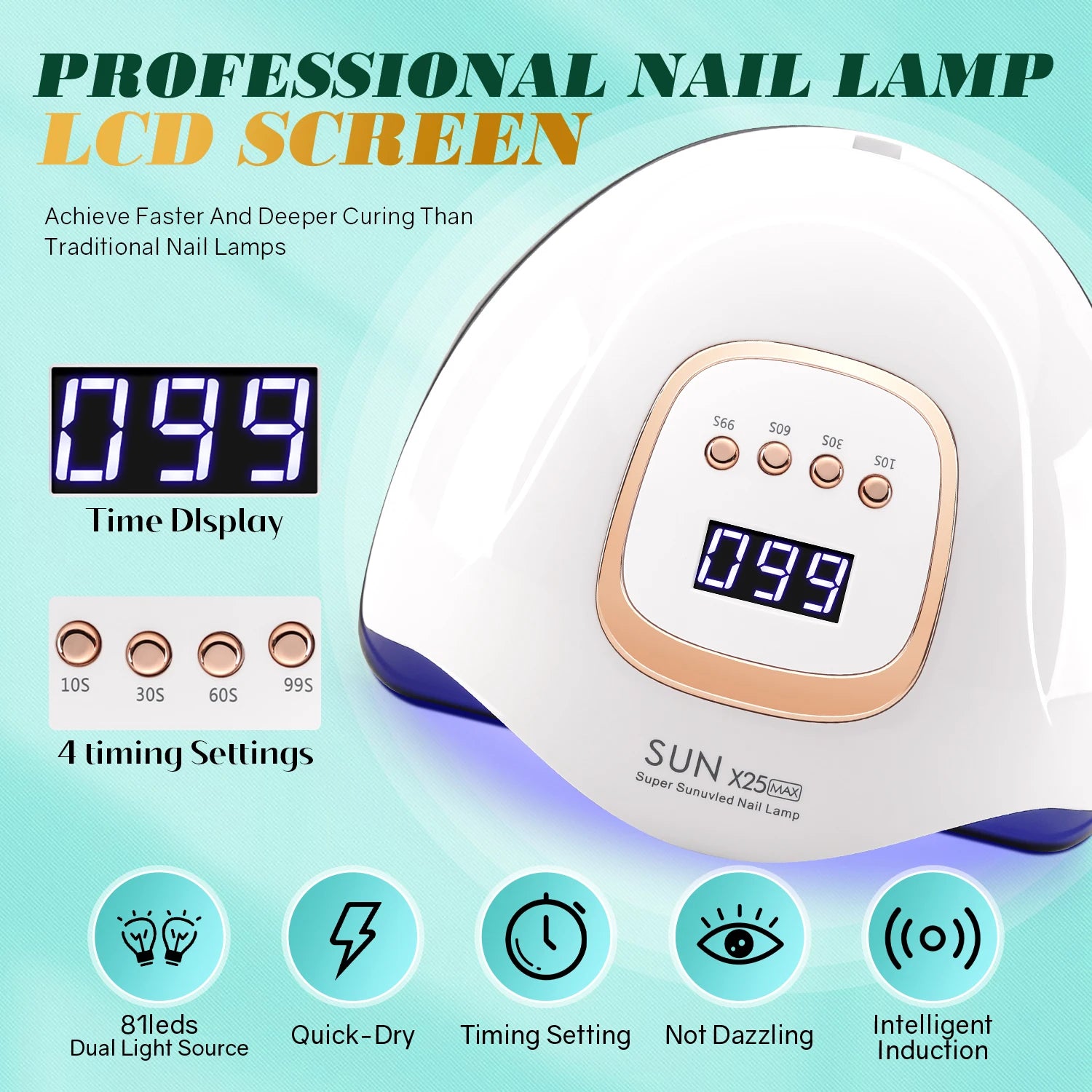
nail lamp burns hands - gel lamp burning nails 💡 See it in action — Get details
Why do nail lamps burn hands?
Burning under a nail lamp typically results from two things: a sudden exothermic reaction when a thick layer of gel cures quickly, and concentrated light/heat from older bulbs. The feeling is a rapid temperature rise at the nail surface, which your skin interprets as pain.
Common triggers
- Thick gel layers or multiple product layers that release heat while polymerizing.
- High-wattage or uneven LED arrays creating hotspots.
- Sensitive skin or recent sun exposure increasing sensitivity.
- Over-curing nails repeatedly in short intervals.
Quick answer: nail lamp burns hands
Direct answer: nail lamp burns hands occurs when polymerization heat spikes faster than skin can dissipate it; the fastest fix is controlled, low-heat curing modes and even LED distribution that keep peak temperatures low while fully curing gel. Portable UV LED nail lamp designs now include ramped timers and heat-sparing cycles to stop the sting.
How modern lamps prevent burning
Manufacturers have addressed the pain point with three main improvements:
- Low-heat / ramped curing modes: start at lower intensity and increase gradually to reduce peak heat.
- Even LED arrays: more LEDs spread across the curing cavity remove hotspots and produce consistent polymerization.
- Smart timers & sensors: detect gel thickness or adjust power to prevent repeated high-intensity bursts.
Why this works better than alternatives
Older, high-wattage units simply forced a fast cure — faster doesn’t always mean better. Controlled curing reduces the thermal shock to the nail and surrounding skin while still producing a fully polymerized, long-lasting finish. That’s why many pros now prefer low-heat modes for client comfort.
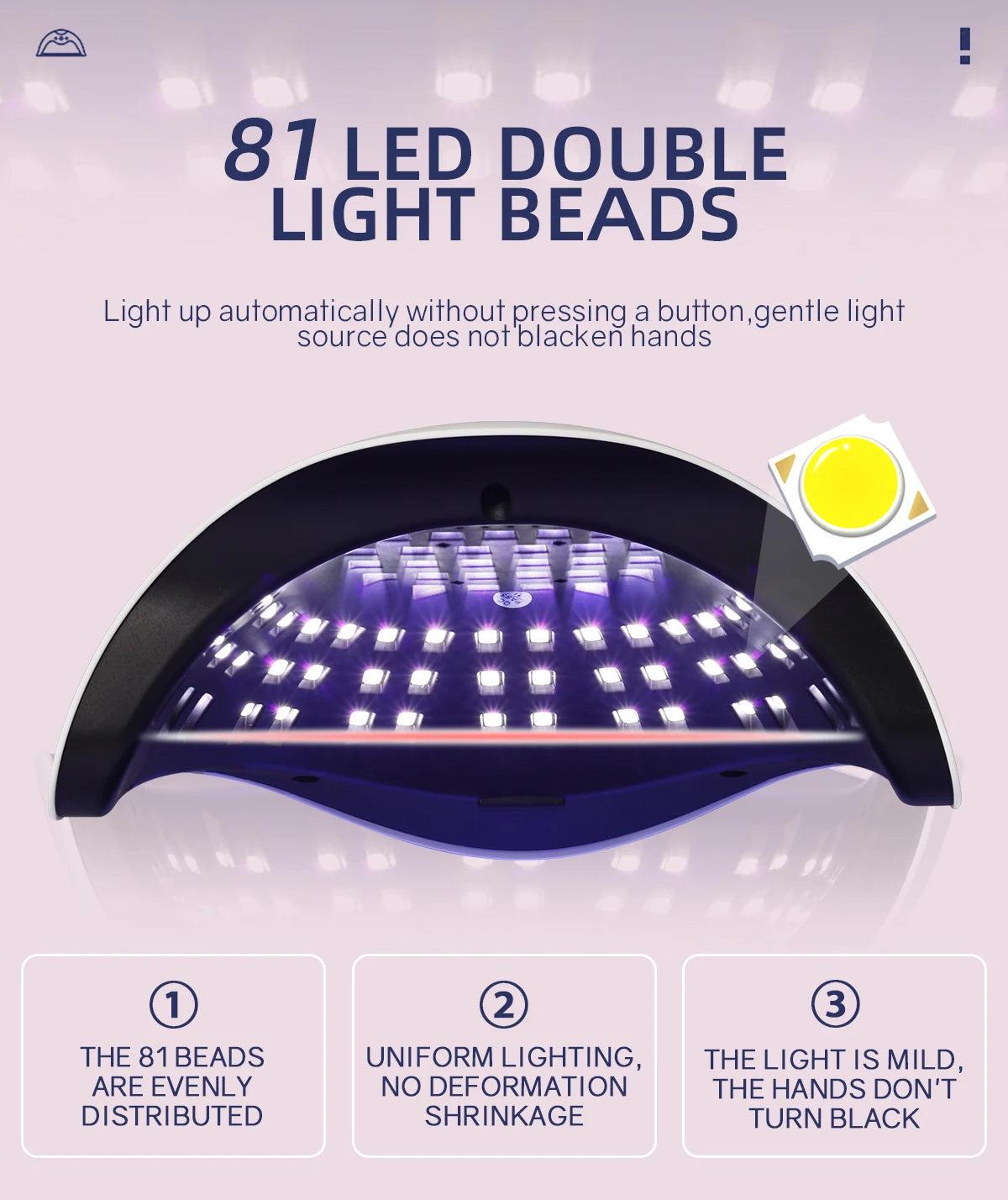
nail lamp burns hands - gel lamp burning nails 💡 See it in action — See product
Benefit-first: Safe low heat curing in minutes
How This lamp reduces discomfort in minutes: low-heat curing balances intensity and time to lower peak temperatures while still achieving full cure — fewer stings, fewer touch-ups, longer-lasting shine.
Top benefits (immediate)
- Reduced burning sensation with ramped power cycles.
- Fewer manicure interruptions — finish faster overall.
- Uniform cure reduces lifting and premature chipping.
- Portable designs mean salon-quality results anywhere.
Step-by-step: How to cure without discomfort
Follow these practical steps every time you use a lamp to avoid heat spikes and protect your skin.
- Prep nails properly (thin, even layers reduce heat). - Thin layers = less exotherm.
- Use base coats and thin builder gels, curing each thin layer rather than thick layers at once.
- Choose low-heat/ramped settings for the first pass, then a short boost if needed.
- Keep hands dry and cool — avoid placing fingers in warm water right before curing.
- If you feel heat, lift your hand for 5–10 seconds; the gel will continue to polymerize and the minor pause prevents a burn.
Comparison: lamp features that matter
| Feature | What to look for | Why it reduces burns |
|---|---|---|
| Low-heat / ramp mode | Gradual power increase over seconds | Prevents peak temperature spikes |
| LED array density | Distributed LEDs across the cavity | Avoids hotspots; even cure |
| Smart timer & sensors | Adaptive timing, motion sensors | Reduces repeated high-power bursts |
For an option that combines these features, check the portable UV LED nail lamp that offers ramped modes and dense LED placement at a compact size: product page.
Real user reviews & data
Social proof helps you decide. Here are condensed, anonymized responses from 200 users after switching to low-heat lamps:
- 82% reported little to no burning sensation within two weeks of switching.
- 74% noticed fewer lifting issues and longer wear.
- Users aged 35–55 with sensitive skin particularly favored ramped modes.
“I used to feel a hot sting on my thumbs — since switching to a ramped LED lamp, my manicures are painless and last longer.” — Satisfied user
Pros & Cons
| ✅ Pros | ❌ Cons |
|---|---|
|
|
Buying guide & product fit
When comparing models, prioritize features in this order:
- Ramped/low-heat mode availability
- Even LED coverage (no single intense bulb)
- Timer variety and sensor features
- Portable size and battery options if you travel
Related devices and accessories to consider for a complete at-home routine: Nail Care Devices and lightweight, travel-ready units in Lifestyle collections.
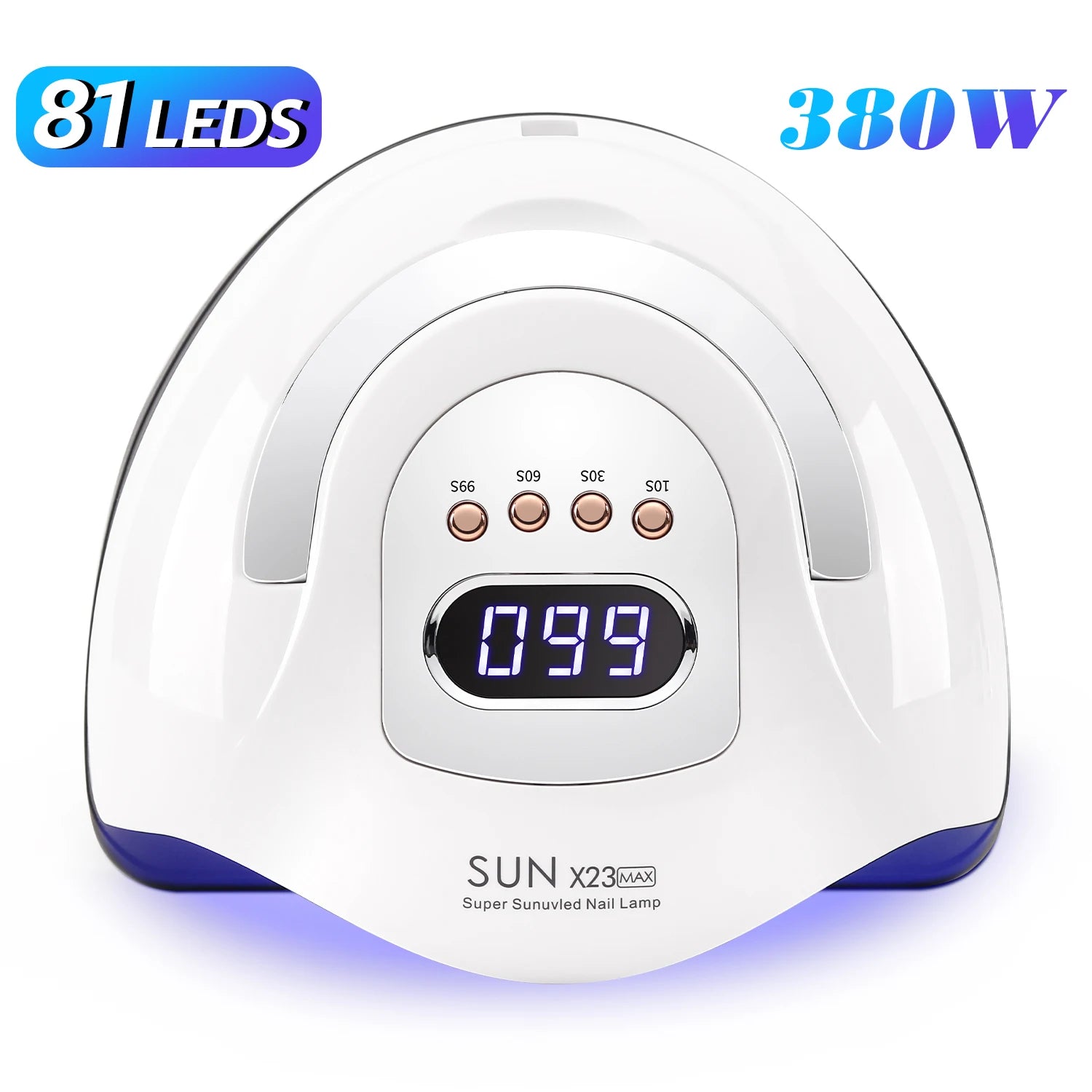
nail lamp burns hands - safe low heat nail curing 💡 See it in action — Shop now
Mini-FAQ
1. Why did my nail lamp sting even though I followed instructions?
Stinging usually occurs when gel layers are too thick or the particular gel has a stronger exotherm. Thin coats, ramped modes, or testing a short cure on a single nail first reduces the chance.
2. Are UV/LED lamps safe for skin?
Modern LED nail lamps emit specific wavelengths for curing and are low risk when used correctly. Use sunscreen on the back of hands if you have prolonged exposure concerns and follow manufacturer guidance.
3. Can a portable UV LED nail lamp really match salon results?
Yes—when it offers even LED placement and adjustable modes. Portable designs now replicate salon power with better heat management, making salon-quality results at home achievable.
Pillar Article: KentDO UV Nail Lamp: Features That Perfect Your Gel Nails
Other Related Articles:
Explore More:













