❓ Do sleeping bonnets help fine hair?
Yes, a sleeping bonnet for fine hair protects delicate strands from friction, dryness, and breakage overnight. By locking in natural moisture and reducing static, satin or silk bonnets help prevent frizz and thinning caused by breakage. Many women notice softer, healthier, and more manageable hair within weeks of consistent use — making it a simple but powerful upgrade to your nighttime hair routine.
Sleep Bonnet for Fine Hair: Do You Really Need One?
A sleeping bonnet for fine hair can do more than just protect — it can help preserve delicate strands that are easily damaged during sleep. Whether you're using a satin hair bonnet for sleeping or trying an adjustable bonnet designed to stay secure overnight, the right bonnet can reduce friction, prevent tangles, and support healthier-looking hair over time. If you’ve ever woken up with frizz, flat spots, or breakage, a simple sleep bonnet may be the missing piece in your hair routine.
⏱ 6 min read
Why Fine Hair Breaks Overnight (The Real Mechanism)
The Hair Cuticle and Friction Damage
Fine hair has a smaller diameter and a thinner protective cuticle layer compared to coarse hair. When your head moves against a cotton pillowcase, friction lifts and roughens that cuticle. Over time, repeated friction weakens the strand, leading to breakage, split ends, and the appearance of thinning.
Dermatologists often explain that hair is most vulnerable when the outer cuticle layer becomes raised or dry. The smoother the surface your hair rests on at night, the less mechanical stress it experiences.
Moisture Loss and Static Electricity
Cotton pillowcases absorb natural oils and moisture from fine hair. This increases dryness and static, causing strands to repel each other and tangle more easily. Tangling leads to pulling and stress when brushing in the morning — another common source of hair breakage.
A sleep bonnet for fine hair creates a low-friction barrier that helps maintain smoother cuticles while preserving natural scalp oils overnight.
Why Fine Hair Is More Vulnerable Than Thick Hair
Fine strands contain less structural protein and have a thinner protective layer, which means they bend and weaken more easily under stress. While thicker hair can tolerate more friction, fine hair accumulates damage faster. Even gentle rubbing against pillow fabrics every night can gradually weaken strands, which is why protective sleep accessories like bonnets or silk pillowcases are often recommended for fragile hair types.
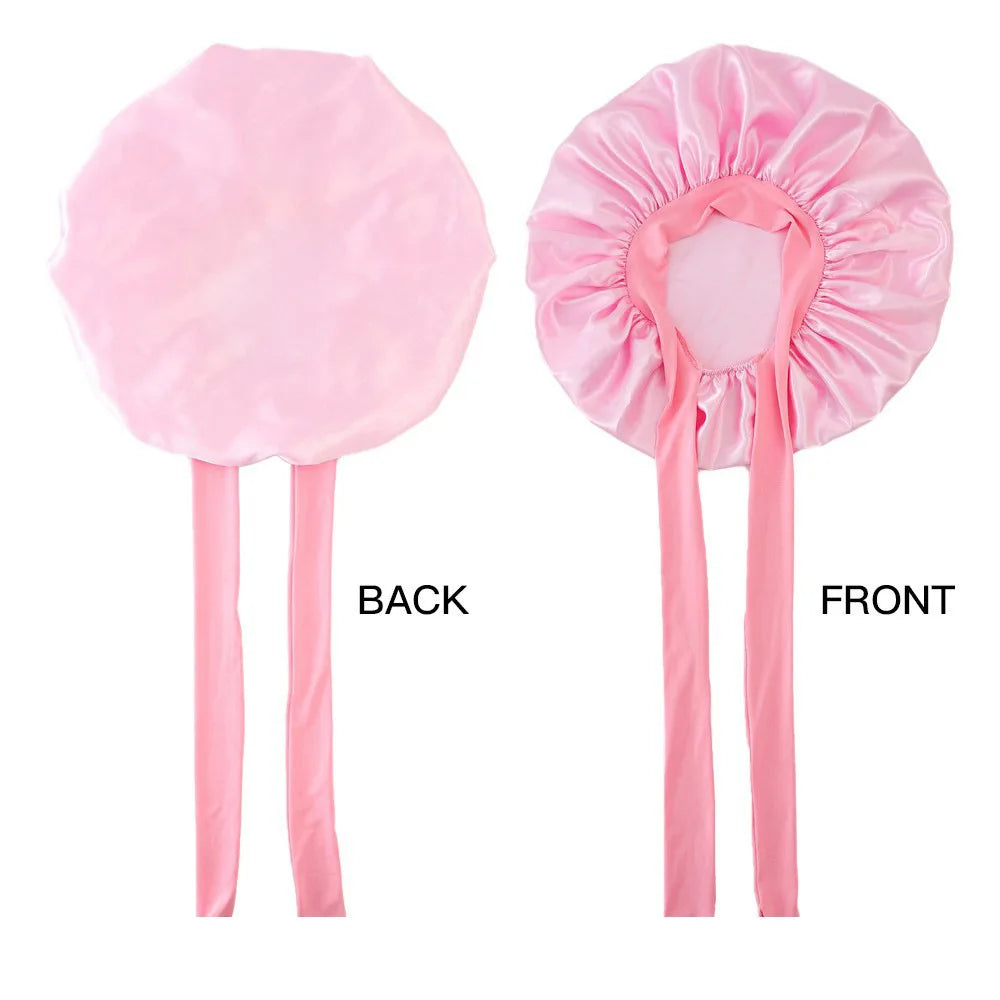
💡 See it in action: sleeping bonnet for fine hair reduces overnight frizz and breakage
✨ Ready to transform your hair overnight?
👉 See price — stock low!
What Is a Sleep Bonnet for Fine Hair?
A sleep bonnet for fine hair is a soft head covering—typically made from satin or silk—designed to protect delicate strands while you sleep. Unlike cotton pillowcases that create friction, a bonnet surrounds your hair with a smooth fabric that helps reduce breakage, tangling, and overnight moisture loss.
Although bonnets are commonly associated with curly or textured hair, they can be particularly helpful for people with thin or fine hair. Because fine strands have a smaller diameter, they are more vulnerable to mechanical damage caused by tossing and turning against rough fabrics during sleep.
How a Bonnet Protects Delicate Strands While You Sleep
A high-quality bonnet for fine hair creates a low-friction environment around the hair. Smooth fabrics such as satin and silk allow strands to glide instead of catching on pillow fibers. This helps reduce several common issues:
- Cuticle lifting and mechanical breakage
- Morning tangles and knots
- Static buildup
- Moisture loss overnight
Sleep Bonnet for Thin Hair vs Thick Hair
Fine or thinning hair has less structural strength and is more prone to snapping under tension. Thicker hair can tolerate more friction, but a bonnet for thin fine hair provides critical protection where strands are most fragile — especially around the hairline and crown.
Can People With Straight or Fine Hair Wear Bonnets?
Yes. People with straight or fine hair can absolutely wear bonnets. Many hairstylists recommend them for anyone experiencing dryness, breakage, or frizz from nighttime friction.
The key is choosing the right style. A lightweight silk bonnet for fine hair or adjustable satin bonnet with a gentle band protects strands without compressing them or flattening the roots.
Do Sleep Bonnets Actually Work for Fine Hair?
Yes, a sleep bonnet for fine hair can significantly reduce overnight damage. While results may not be dramatic after a single night, consistent use helps protect fragile strands from friction, dehydration, and breakage over time.
Friction Reduction and Cuticle Protection
Fine hair has a thinner cuticle layer than coarse hair. When it rubs against rough fabrics like cotton pillowcases, the cuticle can lift and weaken. Satin and silk bonnets reduce that friction, allowing hair to glide smoothly instead of snagging or snapping.
Moisture Retention for Lightweight Hair
Fine hair tends to lose moisture quickly. Cotton fabrics absorb natural oils, leaving hair dry and prone to static. A silk sleep bonnet for fine hair helps keep those oils within the hair shaft rather than absorbing them into bedding.
Preventing Split Ends and Breakage
Nightly friction can gradually create split ends and mid-shaft breakage. Wearing a bonnet for thin fine hair minimizes that mechanical stress so strands remain stronger and smoother between trims.
Silk vs Satin Bonnet for Fine Hair — What’s Better?
When choosing the best sleep bonnet for fine hair, the two most common materials are silk and satin. Both offer a smoother surface than cotton, but they differ in durability, texture, and cost.
Silk Bonnet for Fine Hair: Pros and Cons
- Ultra-smooth natural fiber that minimizes friction
- Excellent moisture retention
- Breathable and gentle on fragile strands
- Typically more expensive than satin
Satin Bonnet for Fine Hair: Pros and Cons
- Smooth synthetic fabric designed to reduce friction
- More affordable and widely available
- Often easier to wash and maintain
- Quality varies depending on fabric weave
Silk vs Satin for Thin or Fine Hair
Both fabrics can protect delicate hair. A silk bonnet for fine thin hair offers a premium feel and minimal friction, while a high-quality satin bonnet provides similar benefits at a more affordable price point. For many people, satin offers the best balance of protection and durability.
Who Benefits Most from a Bonnet for Fine Hair?
Aging or Thinning Hair
As hair ages, strands often become finer and more fragile. Reducing nightly friction can help prevent breakage that contributes to the appearance of thinning.
Color-Treated or Fragile Hair
Bleaching, coloring, and chemical treatments weaken the hair shaft. A satin bonnet for fine hair reduces additional stress caused by pillow friction.
Fine Hair That Tangles Easily
People with long, lightweight strands often wake up with knots or tangles. A bonnet keeps hair contained and smooth, making morning detangling easier and gentler.
Who May Not Need One
If your hair is very short, extremely coarse, or already protected by silk pillowcases with minimal movement during sleep, the benefits may be less noticeable.
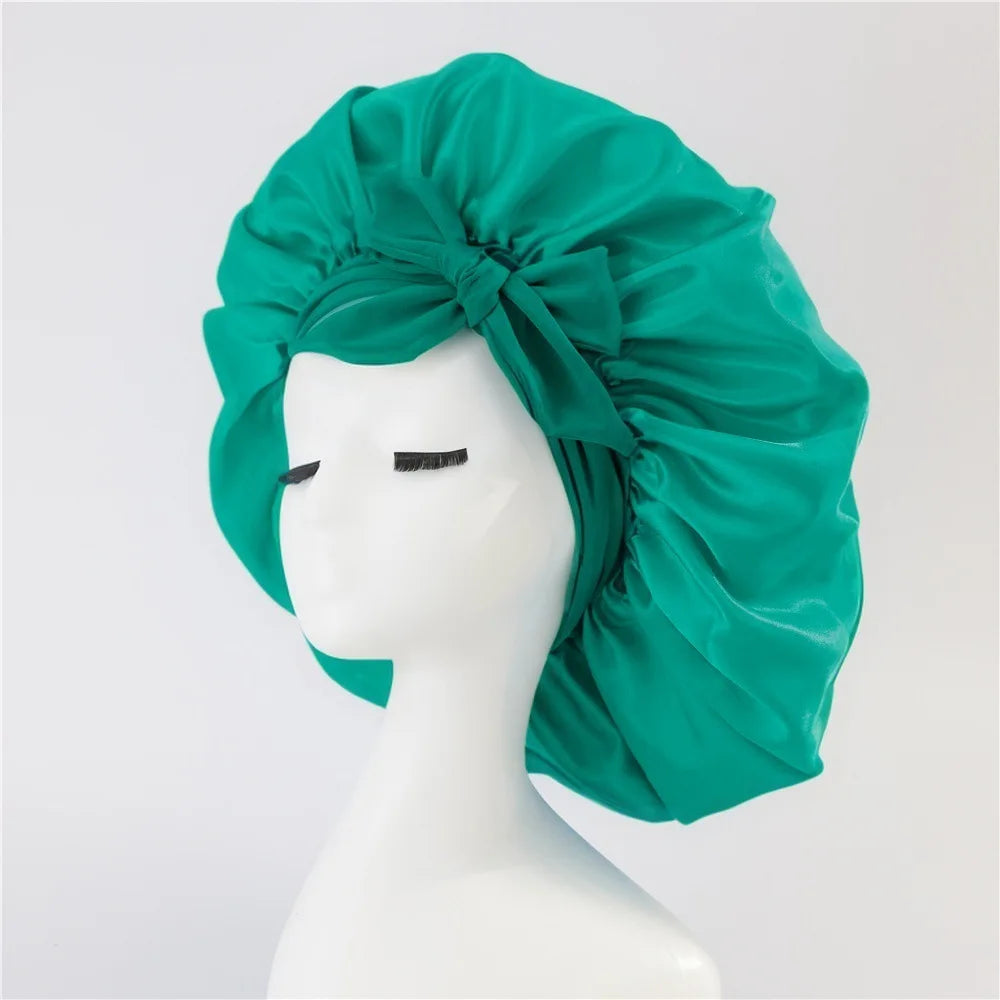
💡 Use your satin hair bonnet for sleeping to retain moisture and prevent thinning
💖 Say goodbye to morning frizz!
👉 Try this sleeping satin bonnet now
Why Adjustable Bonnets Are a Game-Changer for Fine Hair
A bonnet that fits properly is essential for comfort and effectiveness. Adjustable designs allow you to customize the fit so the bonnet stays secure without pulling at delicate edges.
- Custom fit for different head sizes
- Reduced pressure on hairline and edges
- Comfortable for side and back sleepers
- Less likely to slip off overnight
Sleeping Bonnet for Fine Hair: Feature Comparison
| Feature | Satin Bonnet | Silk Bonnet | Cotton Cap |
|---|---|---|---|
| Moisture Retention | ✅ Excellent | ✅ Excellent | ❌ Poor |
| Frizz Reduction | ✅ Yes | ✅ Yes | ❌ No |
| Price Point | 💰 Affordable | 💎 Expensive | 💲Cheap |
| Adjustable Fit | ✅ Yes (with drawstring) | ❌ Rare | ❌ No |
How to Choose the Best Sleep Bonnet for Fine Hair
Not all bonnets are equally suitable for delicate strands. The best sleep bonnet for fine hair should provide protection while remaining comfortable and lightweight.
Material: Silk vs Satin
Choose smooth fabrics that reduce friction. Silk offers a luxurious feel, while satin provides similar protection with easier maintenance.
Size and Shape for Fine Hair Volume
Fine hair usually has less bulk, so extremely oversized bonnets may shift during sleep. A medium-sized bonnet designed for low-to-medium volume hair often stays in place more effectively.
Adjustable Bands vs Elastic Edges
Elastic edges can sometimes slip or create pressure marks. Adjustable bands allow you to customize the fit so the bonnet stays secure without compressing the roots.
Still searching for a satin bonnet near me? Explore our curated tools in the Hair Care and Styling Devices collection for more.
Best Sleep Bonnets for Fine Hair (Top Features to Look For)
- Soft satin or silk interior to reduce friction
- Adjustable band for a customizable fit
- Breathable lightweight fabric
- Secure stitching to prevent stretching
- Enough room for longer or layered hair
How to Wear a Bonnet With Fine Hair (Without Flattening It)
Some people worry that wearing a bonnet will flatten their hair overnight. With the right technique, you can maintain volume while still protecting delicate strands.
Step-by-Step Guide
- Brush or gently detangle your hair before bed.
- Loosely gather hair at the crown or nape of your neck.
- Place the bonnet over your head starting at the hairline.
- Secure the band so it feels snug but not tight.
- Spread hair evenly inside the bonnet.
Tips to Prevent Flat Roots
- Avoid tying hair too tightly.
- Use a loose pineapple or low bun for longer hair.
- Choose a bonnet with an adjustable band.
- Flip your hair upside down when putting it on.
Care & Maintenance for Your Bonnet
Proper care helps your bonnet maintain its smooth surface and elasticity.
- Hand wash weekly using gentle detergent.
- Air dry flat to preserve shape.
- Avoid high heat or harsh chemicals.
- Store flat or hang to prevent wrinkles.
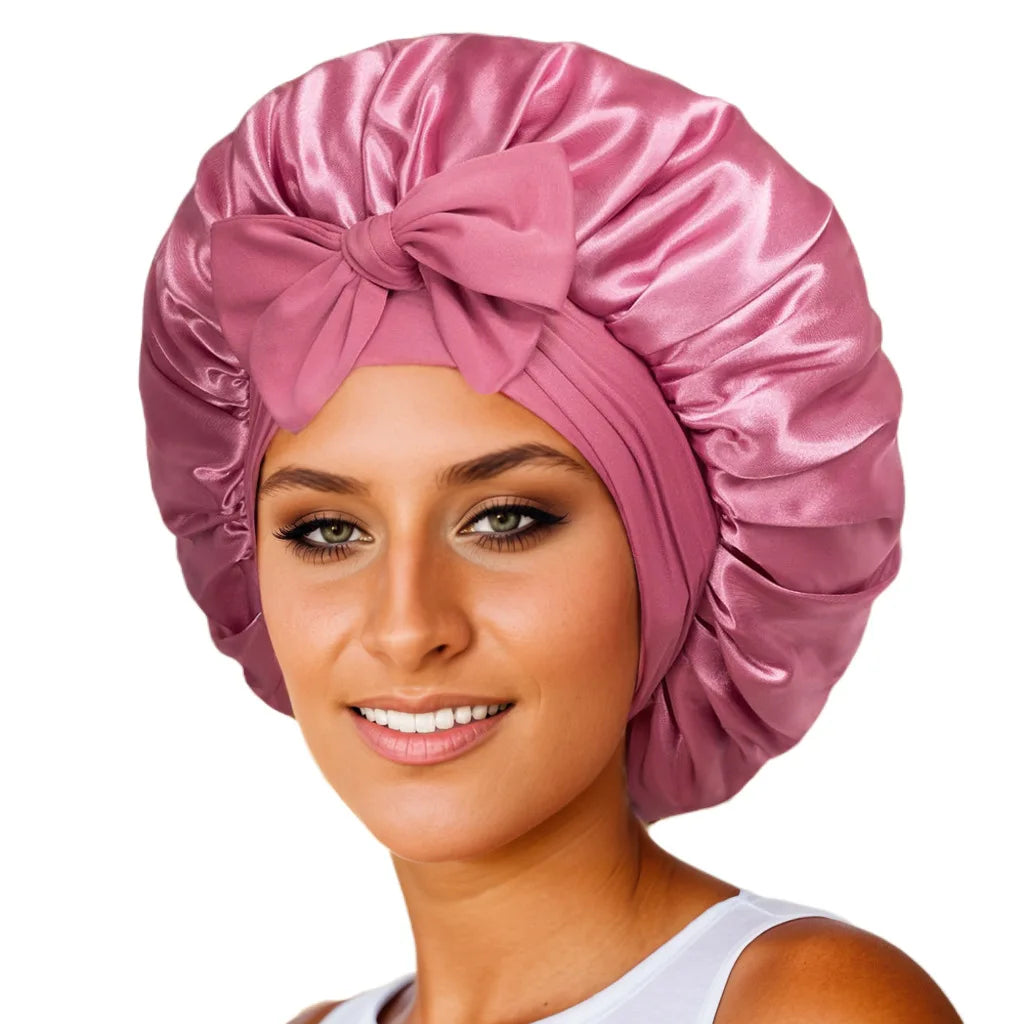
💡 See the adjustable bonnet in action — boost shine, cut frizz
✔ Upgrade your nighttime routine today
👉 Order your adjustable sleeping bonnet — limited stock!
FAQ: Sleep Bonnet for Fine Hair
Will a sleep bonnet flatten fine hair?
If fitted properly, it should not compress volume. Choose a lightweight adjustable design that stays secure without tight tension.
Is satin or silk better for thin hair?
Both materials reduce friction. Satin is often preferred for daily use due to durability and easier maintenance, while silk offers natural fibers and a luxurious feel.
Can it help with thinning hair?
A bonnet cannot reverse hair loss, but it may reduce breakage-related thinning caused by friction and dryness.
How tight should a bonnet be?
Snug enough to stay in place but not tight enough to pull at the hairline or create tension.
How often should I wash it?
Wash weekly to prevent oil buildup and maintain fabric smoothness.
Can you wear a bonnet with short or layered fine hair?
Yes. Even short or layered fine hair can benefit from reduced friction and moisture retention while sleeping.
Pillar Article: 7 Satin Bonnet Benefits You Didn’t Know You Needed
Other Related Articles:
- The Best Satin Bonnets for Sleeping (Tried & Rated)
- Sleeping Bonnet Silk Test: What Actually Works Overnight?
- Silk vs Satin Bonnet: Which Is Better for Frizz Control?
- Best Adjustable Satin Bonnets for Every Hair Type (2025 Review)
Explore More: