

Benefits of Facial Treatment: What It Does for Your Skin (At Home & Professional)
Facial treatments do more than create smoother skin—they support hydration, improve skincare product absorption, strengthen the skin barrier, and help maintain long-term skin health. Whether performed at home or by a licensed skincare professional, a consistent facial routine can visibly improve skin texture, tone, radiance, and overall resilience.
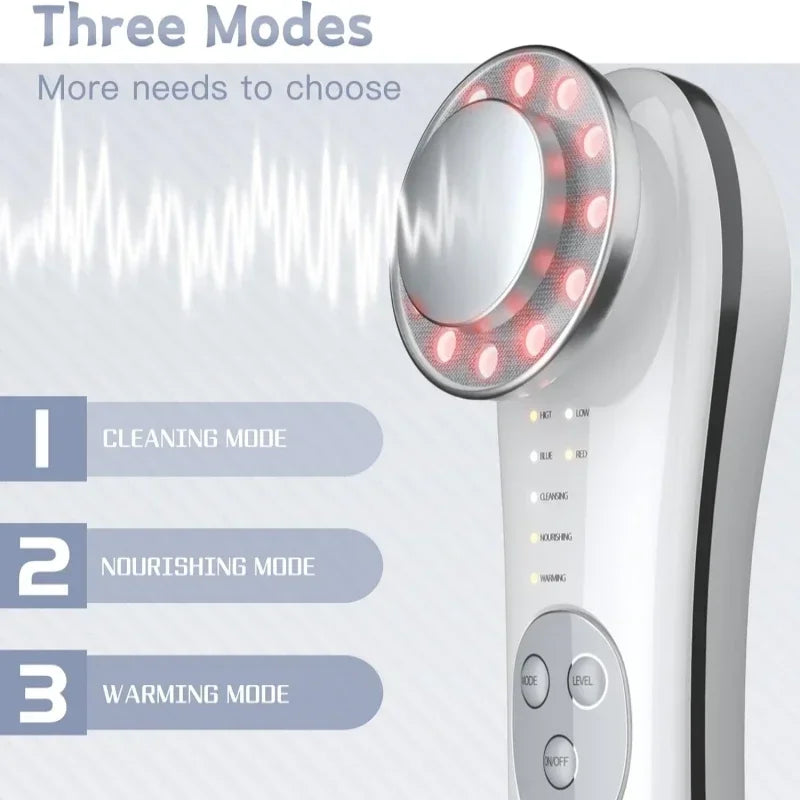
Experience the real benefits of facial treatment at home with consistent care.
What Is a Facial Treatment and How Does It Work?
A facial treatment is a multi-step skincare process designed to cleanse, exfoliate, nourish, and rejuvenate the skin. While individual treatments vary, the overall goal is to improve skin function by removing impurities, supporting healthy cell turnover, restoring hydration, and addressing concerns such as acne, uneven tone, or early signs of aging.
Your skin naturally renews itself approximately every 28–40 days, depending on age and skin condition. Facial treatments help support this process by removing dead surface cells, maintaining the skin barrier, and improving the delivery of beneficial skincare ingredients.
Key Steps in a Facial Treatment Process
- Cleansing: Removes dirt, sunscreen, makeup, excess oil, and environmental pollutants.
- Exfoliation: Eliminates accumulated dead skin cells for a smoother complexion.
- Extraction (optional): Helps remove clogged pores and blackheads when performed appropriately.
- Massage: Promotes circulation while encouraging lymphatic drainage and muscle relaxation.
- Mask & Targeted Treatment: Addresses concerns such as dehydration, acne, redness, or loss of firmness.
- Moisturizing & Protection: Restores hydration and reinforces the skin's protective barrier.
At-Home vs Professional Facials: What's the Difference?
Both approaches improve skin health, but they serve different purposes. At-home facials are ideal for routine maintenance using gentle products, while professional facials provide deeper exfoliation, advanced technologies, and customized treatments performed by trained professionals. Many dermatologists recommend combining regular home care with occasional professional treatments for optimal long-term results.
Why Facial Treatments Are Important for Skin Health
Healthy skin functions as your body's first line of defense against pollution, UV radiation, bacteria, and moisture loss. Over time, daily environmental stress and natural aging can weaken this protective barrier.
- Prevent clogged pores: Regular cleansing minimizes oil and debris buildup that can trigger acne.
- Support natural skin renewal: Gentle exfoliation encourages healthy cell turnover.
- Maintain hydration: Well-hydrated skin is more resilient and less prone to irritation.
- Improve skincare performance: Properly prepared skin absorbs active ingredients more efficiently.
- Reduce cumulative damage: Consistent maintenance helps preserve smoother, healthier-looking skin over time.
Benefits of Facial Treatment at Home (Backed by Skin Science)
The benefits of facial treatment at home come from consistency rather than intensity. Gentle cleansing, exfoliation, massage, and hydration performed regularly help optimize normal skin function while reducing the appearance of common concerns.
Improve Skincare Absorption
One of the biggest home facial skincare benefits is improved absorption of skincare products. When dead skin cells, excess oil, and surface debris are removed, serums and moisturizers make better contact with the skin, allowing active ingredients to penetrate more effectively.
- Cleanse thoroughly before applying treatment products.
- Use toner if appropriate to prepare the skin.
- Apply lightweight serums before heavier creams.
- Massage products gently instead of rubbing aggressively.
Facial Massage Benefits
Facial massage benefits extend beyond relaxation. Gentle massage temporarily increases blood circulation, supports lymphatic drainage, reduces facial tension, and may decrease morning puffiness. While massage cannot permanently lift facial structures, it can help skin appear fresher and more energized immediately after treatment.
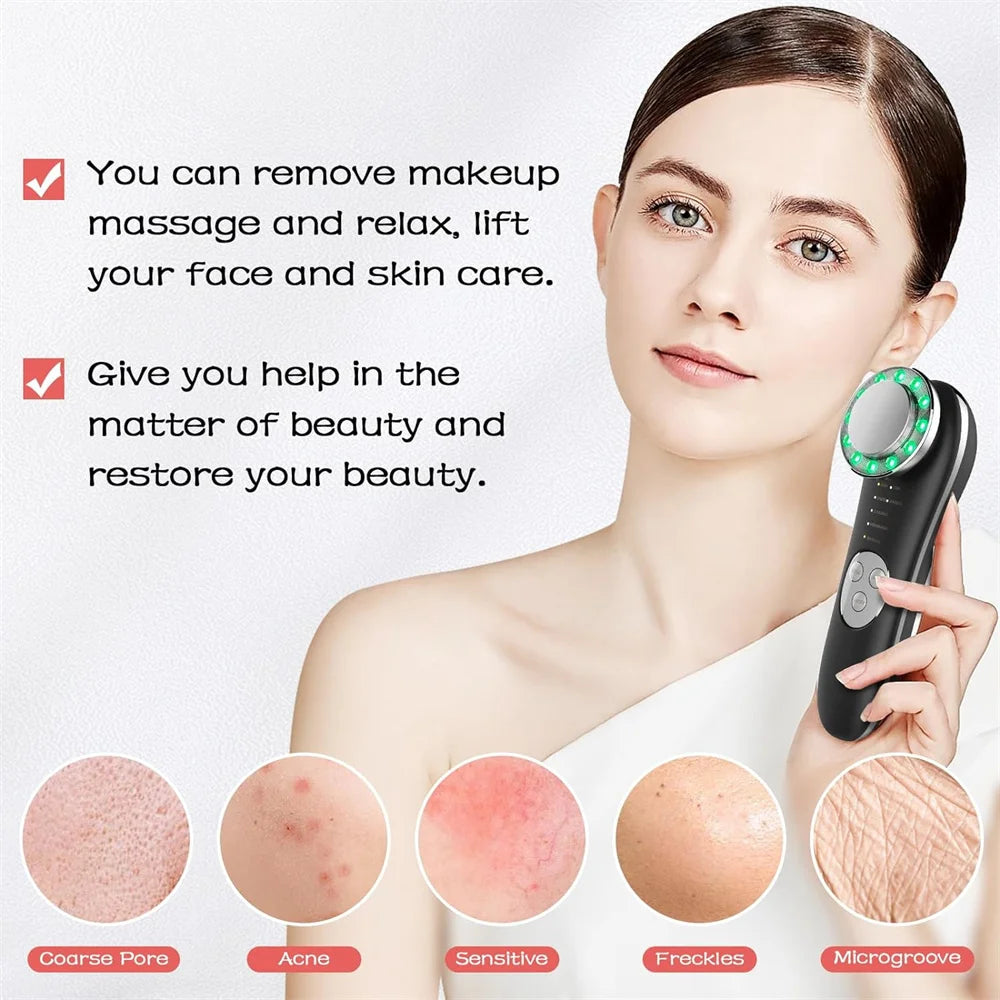
Facial massage supports circulation and relaxation for healthier-looking skin.
- Use upward, gentle strokes without pulling the skin.
- Focus on the jawline, cheeks, temples, and forehead.
- Maintain light pressure to encourage lymphatic drainage.
- Pair massage with facial oil or serum to reduce friction.
Benefits of Face Massage Everyday at Home
Daily facial massage for just three to five minutes may help reduce muscle tension, encourage circulation, and improve relaxation. Over time, many people notice reduced puffiness and healthier-looking skin, although dramatic lifting or wrinkle removal should not be expected from massage alone.
Anti-Aging Facial Treatment at Home
An anti-aging facial treatment at home works best when combined with proven skincare ingredients such as retinoids, vitamin C, peptides, and sunscreen. Regular cleansing, gentle exfoliation, hydration, and massage support healthy skin, while collagen production depends primarily on age, genetics, UV exposure, and evidence-based active ingredients.
- Cleanse morning and evening.
- Exfoliate one to two times weekly.
- Apply antioxidant or peptide serum.
- Massage gently for several minutes.
- Finish with moisturizer and daytime SPF.
Facial Treatment for Glowing Skin Benefits
Brighter skin is often one of the first noticeable results after a facial. Removing dull surface cells, improving hydration, and enhancing circulation can temporarily increase radiance while making skin feel smoother and appear more even-toned.
Facial Treatment Benefits by Skin Concern
For Acne-Prone Skin
Deep cleansing and gentle exfoliation help reduce pore congestion and excess oil, lowering the likelihood of future breakouts. Professional treatments may also help improve the appearance of post-acne marks when combined with an appropriate skincare routine.
For Aging Skin
Facials support aging skin by improving hydration, smoothing rough texture, and enhancing the appearance of fine lines. Results are most noticeable when treatments are performed consistently alongside daily sun protection.
For Dry or Dehydrated Skin
Hydrating facials replenish moisture while supporting the skin barrier, helping reduce tightness, flaking, and discomfort associated with dehydration.
For Dull or Uneven Skin Tone
Exfoliation removes accumulated dead skin cells, allowing fresher skin to become visible. Brightening ingredients and consistent hydration further improve overall clarity and radiance.
Types of Facial Treatments and Their Specific Benefits
Hydrating Facials
Best for dry, dehydrated, or sensitive skin. These treatments emphasize moisture restoration using humectants, ceramides, and soothing ingredients that strengthen the skin barrier.
Deep Cleansing Facials
Ideal for oily or acne-prone skin. These facials focus on pore cleansing, oil control, gentle exfoliation, and optional extractions to reduce congestion.
Anti-Aging Facials
Designed to improve skin texture, hydration, and firmness through antioxidant-rich products, peptides, and professional technologies that complement an evidence-based skincare routine.
Facial Massage & Lifting Treatments
These treatments emphasize massage techniques, microcurrent devices, or manual lifting methods that temporarily improve facial definition by reducing puffiness and relaxing tense muscles.
Chemical & Exfoliating Facials
Chemical exfoliation using alpha hydroxy acids (AHAs), beta hydroxy acids (BHAs), or enzyme treatments can improve uneven texture, pigmentation, and acne. Stronger chemical peels should be performed under professional supervision.
At-Home Facial vs Professional Facial: Which Is Better?
Results Comparison
At-home facials excel at maintaining healthy skin between professional visits. Professional facials provide deeper exfoliation, customized treatments, and advanced equipment that may produce more noticeable short-term improvements.
Home facials are more affordable and convenient but require careful product selection to avoid over-exfoliation. Professional facials cost more but offer expert assessment and access to treatments unavailable for home use.
When to Choose Each
- Choose at-home facials for routine maintenance, hydration, and gentle exfoliation.
- Choose professional facials for persistent acne, pigmentation concerns, stronger exfoliation, or personalized treatment plans.
- Combine both for the most balanced long-term skincare strategy.
How Often Should You Do Facial Treatments?
At-Home Schedule
- Normal to dry skin: 1–2 facial treatments per week.
- Oily or acne-prone skin: 2–3 gentle treatments weekly depending on product strength.
- Sensitive skin: Once weekly using mild, fragrance-free products.
Professional Schedule
Most people benefit from professional facials every four to eight weeks, although treatment frequency depends on individual goals, skin type, and any dermatologic conditions.
Signs You're Overdoing It
If your skin becomes persistently red, tight, flaky, overly sensitive, or develops increased breakouts after treatment, reduce the frequency of exfoliation and allow the skin barrier time to recover.
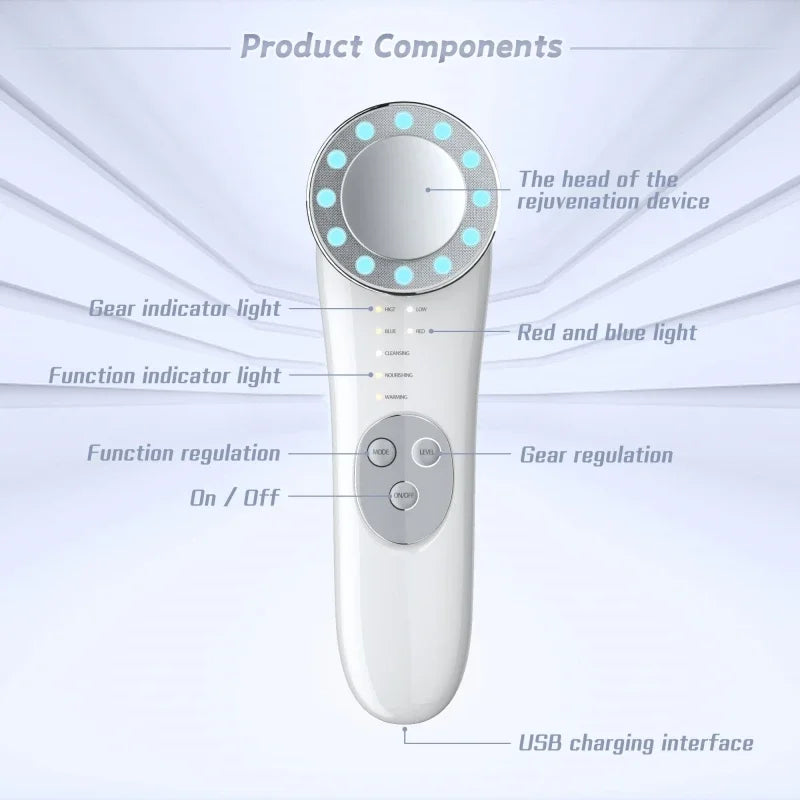
Complete your routine with tools that improve absorption — see it in action
Who Should Avoid Certain Facial Treatments?
Sensitive Skin
People with highly sensitive skin should avoid aggressive exfoliation, harsh scrubs, or multiple active ingredients during the same treatment. Patch testing new products is recommended.
Active Skin Conditions
If you have active eczema, rosacea flare-ups, severe acne inflammation, open wounds, skin infections, or recent sunburn, postpone facial treatments until the skin has recovered or seek professional advice.
Pregnancy & Medical Considerations
Some skincare ingredients and professional procedures are not recommended during pregnancy or while taking medications such as isotretinoin. Consult your healthcare provider or dermatologist before undergoing advanced facial treatments.
Aftercare Tips to Maximize Facial Treatment Benefits
Sun Protection
Freshly exfoliated skin is more vulnerable to UV damage. Apply broad-spectrum sunscreen daily and minimize direct sun exposure after facial treatments.
Hydration
Use gentle moisturizers and drink adequate water to help maintain hydration while supporting the skin barrier after treatment.
Products to Avoid
For the first 24 to 48 hours after intensive exfoliation or professional treatments, avoid harsh scrubs, high-strength retinoids, strong acids, excessive heat, and unnecessary friction unless directed otherwise by your skincare professional.
Mini FAQ About Facial Treatment Benefits
Are facial treatments really effective?
Yes. Consistent facial treatments improve hydration, skin texture, smoothness, and overall skin appearance. The best results come from combining regular maintenance with a daily skincare routine.
Do at-home facial treatments work?
Yes. Benefits of facial treatment at home include improved product absorption, healthier skin barrier function, better hydration, and maintenance between professional appointments.
How long does it take to see results?
Smoother, brighter skin is often noticeable immediately after treatment. Improvements in skin texture, pigmentation, and fine lines generally require several weeks of consistent care.
Are professional facials better than at-home facials?
Professional facials provide deeper treatments and personalized care, while home facials are ideal for regular maintenance. Most people benefit from using both approaches together.
Which facial treatment is best for glowing skin?
Hydrating facials combined with gentle exfoliation typically produce the fastest improvements in skin radiance and smoothness.
Can facial treatments help acne scars?
Some professional treatments, including chemical peels and microneedling, may improve the appearance of acne scars over time. Home facials alone usually provide limited improvement for established scars.
Who should avoid facial treatments?
People with active infections, severe inflammatory skin conditions, open wounds, or certain medical contraindications should consult a healthcare professional before receiving facial treatments.
What should you avoid after a facial?
Avoid excessive sun exposure, harsh exfoliants, strong active ingredients, and unnecessary touching of the face while the skin recovers.
Pillar Article: How to Use 4 Types of Facial Massage for Maximum Skin Benefits
Other Related Articles:
- Improve Skin Elasticity Fast: Tools and Techniques That Work
- Dull Tired Skin Remedies That Actually Revitalize Your Face
- Benefits Facial Massage: Unlock Youthful Skin in Minutes Daily
Explore More:
- Reduce Facial Puffiness Instantly with These Proven Methods
- Ionic Facial Cleanser Device Reviews: Which Works Best for You
Conclusion: Are Facial Treatments Worth It?
The benefits of facial treatment extend well beyond temporary relaxation. Regular facials support hydration, healthier skin barrier function, improved skincare absorption, smoother texture, and a brighter complexion. Whether you choose at-home treatments, professional services, or a combination of both, consistency is the factor that produces lasting improvements.
Build your routine around your skin type, avoid over-treatment, protect your skin with daily sunscreen, and select evidence-based products and techniques. With realistic expectations and ongoing care, facial treatments can become an effective part of maintaining healthy, balanced, and radiant skin.













