

Benefits of Facial Massage: Science-Backed Ways to Improve Skin Health Daily
The benefits of facial massage extend beyond relaxation. When performed correctly, this simple skincare practice can temporarily increase blood circulation, encourage lymphatic drainage, ease facial muscle tension, and leave skin looking fresher and less puffy. While facial massage is not a substitute for proven skincare ingredients or medical treatments, consistent, gentle techniques can complement a healthy skincare routine and improve the overall appearance of your skin over time.
In this guide, you'll learn how facial massage works, what research currently suggests about its benefits, which improvements are temporary versus longer-term, and how to build a safe daily routine based on realistic expectations rather than exaggerated beauty claims.
See facial massage benefits in action with gentle lifting techniques designed to support healthy-looking skin.
What Is Facial Massage and How Does It Work?
Facial massage is a manual skincare technique that uses controlled movements—such as light gliding, tapping, lifting, and circular strokes—to stimulate the skin, superficial facial muscles, and lymphatic vessels. Although often viewed as a relaxing self-care ritual, the primary facial massage benefits come from how gentle mechanical pressure temporarily influences circulation, fluid movement, and muscle tension beneath the skin.
The face contains a complex network of muscles, connective tissue, blood vessels, nerves, and lymphatic channels. When appropriate pressure is applied in the correct direction, these tissues respond differently depending on the technique used. Some effects, such as improved circulation and reduced puffiness, occur almost immediately, while other visible improvements depend on consistent skincare habits and cannot be guaranteed by massage alone.
The Science Behind Facial Massage (Circulation, Lymphatic Drainage, Muscle Stimulation)
One of the best-understood ways facial massage works is by temporarily increasing superficial blood flow. Improved microcirculation delivers oxygen and nutrients to skin tissues, often creating a healthy-looking glow immediately after treatment. This effect is typically short-lived but can contribute to a refreshed appearance.
Gentle massage also encourages lymphatic drainage. Unlike blood circulation, the lymphatic system relies on body movement and muscle activity to help transport excess fluid. Carefully directing strokes toward nearby lymph nodes may help reduce temporary fluid retention around the eyes, cheeks, and jawline, making facial contours appear more defined.
Massage also stimulates facial muscles without placing them under heavy strain. Relaxing muscles that remain tense from stress, jaw clenching, or repetitive facial expressions may help soften tension-related tightness and improve overall comfort.
Why Skin Responds to Manual Stimulation
The skin responds to mechanical stimulation through several natural processes. Gentle pressure can improve temporary hydration distribution within the outer skin layers, encourage even application of skincare products, and reduce localized muscle tightness that affects facial expression.
However, it is important to distinguish immediate cosmetic effects from lasting structural changes. Current evidence does not show that facial massage permanently lifts sagging skin or reverses aging. Instead, regular facial massage techniques may support healthier-looking skin by complementing sunscreen use, moisturizers, retinoids, antioxidants, and other evidence-based skincare practices.
Key Facial Massage Benefits for Skin (Explained with Science)
Improves Blood Circulation for a Natural Glow
One of the most noticeable benefits of facial massage is the temporary increase in blood circulation near the skin's surface. Better microcirculation can leave skin looking brighter and more refreshed immediately after treatment. Although this glow is temporary, regular massage may help maintain a consistently healthy appearance when combined with an effective skincare routine.
Supports Lymphatic Drainage and Reduces Puffiness
Morning facial puffiness often results from temporary fluid accumulation rather than excess fat. Gentle lymphatic massage techniques help encourage this fluid to move through normal drainage pathways, making swelling around the eyelids, cheeks, and jawline appear less noticeable. Results vary depending on sleep quality, hydration, allergies, and overall health.
Relaxes Facial Muscles and Reduces Tension
Stress commonly affects muscles around the forehead, temples, jaw, and between the eyebrows. Gentle massage can help these muscles relax, reducing feelings of tightness and making facial expressions appear softer. This muscle relaxation may also contribute to improved comfort for people who frequently clench their jaw.
Enhances Skincare Product Absorption
Facial massage does not fundamentally change how skincare ingredients penetrate the skin, but it helps spread serums, facial oils, and moisturizers more evenly across the surface. Using gentle massage while applying products also minimizes unnecessary friction and encourages complete coverage of commonly missed areas.
Improves Skin Appearance Temporarily
Immediately after a session, many people notice smoother-looking skin, improved radiance, and reduced puffiness. These visible changes are primarily caused by temporary increases in circulation, fluid movement, and muscle relaxation rather than permanent structural changes. Maintaining realistic expectations helps make facial massage a valuable addition to a long-term skincare routine instead of relying on it as a standalone anti-aging treatment.
Daily Facial Massage Benefits: What Happens Over Time?
Short-Term Effects You May Notice
After a single session, you may notice brighter-looking skin, less facial tension, and reduced morning puffiness. These immediate changes usually result from temporary increases in circulation and improved lymphatic fluid movement rather than changes in skin structure.
Possible Long-Term Skin Benefits
Daily facial massage benefits are most likely to appear when massage is combined with consistent skincare, sun protection, and healthy lifestyle habits. Over weeks or months, some people report smoother-feeling skin, improved comfort in tense facial muscles, and a more refreshed appearance. Individual results depend on age, skin type, genetics, sleep quality, hydration, and the overall skincare routine.
Facial Massage Before and After: Realistic Expectations
Facial massage before and after photos often highlight reduced puffiness, healthier-looking skin, and improved facial relaxation rather than dramatic lifting. Consistency matters more than pressure or session length. A gentle routine performed several times each week is generally more beneficial than occasional aggressive massage, which may irritate sensitive skin.
Does Facial Massage Help with Wrinkles and Lifting?
What Research Says About Facial Massage and Wrinkle Appearance
If you're wondering, does facial massage help wrinkles? the answer is nuanced. Current research suggests that facial massage may temporarily improve skin appearance by increasing circulation, reducing muscle tension, and decreasing puffiness. These changes can make fine lines appear softer immediately after a session, but they should not be mistaken for permanent wrinkle reduction.
Expression lines are influenced by repeated facial muscle movement, while deeper wrinkles are largely associated with collagen loss, sun exposure, and natural aging. Facial massage cannot rebuild collagen on its own, but it can complement evidence-based skincare ingredients such as retinoids, vitamin C, moisturizers, and daily sunscreen by supporting a healthy skincare routine.
Facial Massage Lifting Benefits: Temporary vs Lasting Effects
Facial massage lifting benefits are primarily cosmetic and temporary. Reduced fluid retention around the cheeks and jawline can create a more sculpted appearance for several hours, while relaxed facial muscles may make the face look softer and less tense.
There is currently no strong evidence that manual massage permanently lifts sagging skin or reshapes facial contours. Lasting improvements in skin firmness depend on factors including age, genetics, collagen production, overall skincare habits, nutrition, and sun protection. Viewing facial massage as a supportive wellness practice rather than a replacement for clinical treatments helps set realistic expectations.
How to Do Facial Massage Properly (Techniques That Work)
Basic Facial Massage Techniques for Beginners
Safe technique is more important than pressure. Always begin with clean hands and freshly cleansed skin, then apply a facial oil, serum, or moisturizer to reduce friction before starting.
- Use gentle upward and outward strokes rather than dragging the skin.
- Keep pressure light around delicate areas, especially beneath the eyes.
- Massage from the center of the face toward the hairline and ears.
- Slow, controlled movements are generally more effective than fast rubbing.
- Spend about 30 to 60 seconds on each major facial area.
Lymphatic Drainage Massage Steps
If your goal is to reduce morning puffiness, use gentle strokes that follow the natural direction of lymphatic drainage.
- Begin at the center of the forehead and glide outward toward the temples.
- Massage from the sides of the nose across the cheeks toward the ears.
- Use extremely light pressure beneath the eyes, moving toward the temples.
- Glide along the jawline from the chin toward the ears.
- Finish by gently sweeping downward along the sides of the neck to encourage normal lymphatic flow.
Using excessive force is unnecessary and may increase irritation, particularly if you have sensitive skin.
Lifting Techniques for Sculpting the Face
For temporary facial sculpting, focus on slow lifting motions instead of aggressive pressure.
- Glide your knuckles gently upward along the jawline.
- Lift the cheeks using broad upward strokes toward the temples.
- Massage around the brow bone with light circular movements to release tension.
- Repeat each movement several times using consistent, gentle pressure.
These techniques may temporarily improve facial definition by relaxing muscles and reducing fluid retention rather than physically lifting the skin.
Hands vs Facial Massage Tools: Which Is Better?
Hands remain an effective option because they provide excellent control over pressure and movement. Many people achieve consistent facial massage benefits without purchasing additional equipment.
Massage tools may improve convenience and consistency depending on your preferences.
| Method | Potential Benefits | Best For |
|---|---|---|
| Hands | Maximum control, no additional cost, adaptable pressure | Daily routines and beginners |
| Facial roller | Cooling sensation and smooth gliding | Temporary puffiness and relaxation |
| Gua sha tool | Broad massage surface with controlled strokes | Lymphatic drainage practice and muscle relaxation |
| Electronic massage devices (including EMS features) | Consistent movement with additional device-specific functions | Users seeking guided daily routines |
No single method has been proven universally superior. Choosing the technique you can perform comfortably and consistently is usually more important than the tool itself.
Practice gentle, consistent facial massage techniques to support healthier-looking skin and reduce temporary puffiness.
How Often Should You Do Facial Massage?
For most people, facial massage can be performed for 5 to 10 minutes per session, three to seven days per week depending on skin sensitivity and personal comfort. If you're new to facial massage or have reactive skin, begin two or three times weekly before gradually increasing frequency.
Consistency is more valuable than intensity. Gentle, regular massage is less likely to irritate the skin than occasional deep or aggressive sessions.
Pay attention to signs of over-massaging, including persistent redness, tenderness, increased sensitivity, or irritation lasting beyond a short period after treatment. If these symptoms occur, reduce the frequency, use lighter pressure, or pause your routine until your skin has fully recovered.
Warm vs Cold Facial Massage: Which Is Better?
Both warm and cold facial massage offer different benefits for skin, but neither is universally better. The right choice depends on your skincare goals, comfort, and the condition of your skin on a given day. Temperature alone does not permanently change skin structure, but it can influence circulation, comfort, and the temporary appearance of your complexion.
Benefits of Warm Facial Massage
Warm facial massage is commonly used to encourage relaxation and make massage strokes feel more comfortable. Gentle warmth may temporarily increase superficial blood flow, helping skin appear more radiant immediately after treatment while making facial muscles feel less tense.
- Helps relax tight muscles in the forehead, jaw, and temples.
- Supports a comfortable massage experience before applying skincare products.
- May temporarily improve circulation for a healthy-looking glow.
- Works well as part of an evening self-care routine.
Use mild warmth rather than excessive heat, as high temperatures may aggravate sensitive skin or worsen redness in people prone to rosacea.
Benefits of Cold Facial Massage
Cold facial massage is often chosen to reduce the appearance of temporary puffiness, particularly around the eyes and cheeks. Cooling does not permanently shrink pores, but it may make them appear less noticeable for a short time by reducing mild swelling and leaving skin feeling refreshed.
- Helps minimize temporary morning puffiness.
- Provides a refreshing sensation after exercise or warm weather.
- May temporarily reduce the appearance of facial redness caused by heat.
- Pairs well with facial rollers or cooling massage tools stored in the refrigerator.
Whether you choose warm or cold massage, gentle pressure and proper technique have a greater impact on facial massage benefits for skin than temperature alone.
Pro Tips to Maximize Facial Massage Benefits
- Cleanse your face before every session to remove sunscreen, makeup, and excess oil.
- Apply a facial oil, serum, or moisturizer to create slip and reduce friction against the skin.
- Use slow, controlled movements instead of pressing harder for faster results.
- Massage consistently several times each week rather than performing occasional aggressive sessions.
- Clean reusable massage tools after every use to reduce the risk of transferring bacteria.
- Focus on lymphatic drainage techniques in the morning if puffiness is your primary concern.
- Reserve longer relaxation-focused massage sessions for the evening when facial muscles are more likely to be tense.
- Combine facial massage with evidence-based skincare, including sunscreen during the day and moisturizers appropriate for your skin type.
Common Mistakes to Avoid
- Using excessive pressure that stretches or irritates the skin instead of using gentle, controlled movements.
- Massaging without adequate lubrication, which increases friction and may cause unnecessary pulling.
- Performing massage over active acne lesions, skin infections, open wounds, severe sunburn, or inflamed rashes without professional guidance.
- Using dirty hands or unclean massage tools that may contribute to clogged pores or breakouts.
- Changing techniques frequently instead of following a consistent routine long enough to evaluate results.
- Expecting facial massage to permanently eliminate wrinkles, lift sagging skin, or replace clinically proven skincare treatments.
- Ignoring signs of irritation such as persistent redness, tenderness, burning, or increased skin sensitivity after massage.
Facial Massage Methods and Tools: Choosing the Right Option
You do not need specialized equipment to experience the benefits of facial massage. Clean hands and proper technique are enough for most people. However, some tools can make a routine easier to perform consistently or provide additional comfort depending on your skincare goals.
| Method | Advantages | Best For |
|---|---|---|
| Hands | Excellent pressure control, no additional cost, suitable for all experience levels | Daily facial massage and beginners |
| Facial roller | Smooth gliding with a cooling sensation when chilled | Temporary puffiness and relaxation |
| Gua sha tool | Broad contact surface for slow, controlled massage strokes | Lymphatic drainage techniques and muscle relaxation |
| Electronic facial massage device | Consistent movement with device-specific features such as vibration, warmth, or EMS | People who prefer guided or repeatable routines |
Regardless of the method you choose, proper technique, gentle pressure, and consistency are far more important than the tool itself. If you prefer an electronic option, the KentDO™ Ionic Facial Cleanser – LED & EMS Skin Rejuvenator combines cleansing with gentle massage features designed to fit into a daily skincare routine.
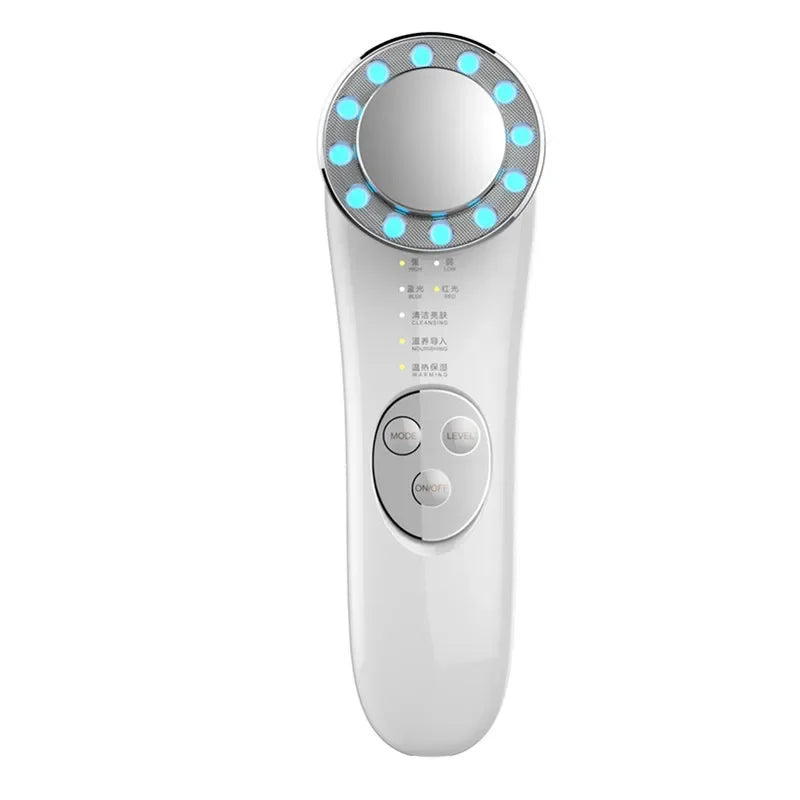
Choose a massage method that matches your skincare routine and can be used consistently over time.
FAQ: Facial Massage Benefits and Best Practices
How long should I perform a facial massage daily?
For most people, 5 to 10 minutes per session is sufficient. Longer sessions are not necessarily more effective and may increase irritation if excessive pressure is used.
Is facial massage good for all skin types?
Facial massage is suitable for many skin types when performed gently. If you have sensitive skin, rosacea, active acne, eczema, psoriasis, or another inflammatory skin condition, use lighter pressure and consult a dermatologist if symptoms worsen.
Can facial massage replace skincare products?
No. Facial massage supports a healthy skincare routine but does not replace evidence-based products such as cleansers, moisturizers, sunscreen, retinoids, or antioxidant serums.
When is the best time to do facial massage?
Morning massage is helpful if your goal is reducing temporary puffiness, while evening sessions can help relieve facial muscle tension accumulated throughout the day. The best time is the one you can maintain consistently.
Do facial massage tools make a difference?
Massage tools can improve convenience and consistency, but they are not essential. Hands, facial rollers, gua sha tools, and electronic devices can all be effective when used correctly and with gentle technique.
Does facial massage really improve skin?
Facial massage can temporarily improve circulation, reduce puffiness, relax facial muscles, and leave skin looking healthier immediately after treatment. Long-term results depend on consistent skincare habits, sun protection, and overall skin health rather than massage alone.
How often should you do facial massage for results?
A routine of 5 to 10 minutes several times each week is appropriate for most people. Daily massage is also suitable if your skin tolerates it well and you use gentle pressure.
Can facial massage reduce facial puffiness?
Yes. Gentle lymphatic drainage techniques may help reduce temporary fluid retention, especially around the eyes, cheeks, and jawline. The effect is usually temporary and varies from person to person.
Does facial massage help wrinkles permanently?
No. Facial massage may temporarily soften the appearance of fine lines by relaxing facial muscles and reducing puffiness, but there is no strong evidence that it permanently removes wrinkles or lifts sagging skin.
Are facial massage tools better than using your hands?
Not necessarily. Hands provide excellent control and are effective for most routines. Massage tools may improve comfort or consistency, but the quality of your technique matters more than the specific tool you use.
Pillar Article: How to Use 4 Types of Facial Massage for Maximum Skin Benefits
Other Related Articles:
- Improve Skin Elasticity Fast: Tools and Techniques That Work
- Dull Tired Skin Remedies That Actually Revitalize Your Face
- 5 Benefits of Facial Treatment You Can Experience at Home
Explore More:













