

How can you improve skin elasticity fast?
Answer: To improve skin elasticity fast, combine circulation-boosting facial tools, collagen-supporting skincare, and short daily routines that stimulate facial muscles. The fastest visible improvements come from hydration, massage, and microcurrent-based lifting, while real elasticity gains require consistent routines over several weeks.
What skin elasticity means vs skin firmness
Skin elasticity is your skin’s ability to stretch and return to its original shape. Firmness refers to how tight and lifted the skin appears. You can temporarily improve firmness quickly, but true elasticity depends on collagen and elastin health.
Fastest evidence-based improvements
The most effective approach combines tools, skincare, and lifestyle support. Hydration and massage deliver quick tightening effects, while ingredients like retinoids and vitamin C support deeper collagen rebuilding over time.
Realistic expectations by timeframe
You may see temporary tightening within hours to days. Noticeable improvements usually appear within 2–6 weeks, while structural elasticity changes take 8–12+ weeks of consistent care.
Improve Skin Elasticity Fast: Science-Backed Techniques That Actually Work
When skin starts to lose its bounce, it’s usually a sign that collagen and elastin are declining. While no method delivers instant long-term lifting, combining targeted routines, proven skincare, and modern tools can significantly improve how your skin looks and feels—often faster than expected.
⏱ 7 min read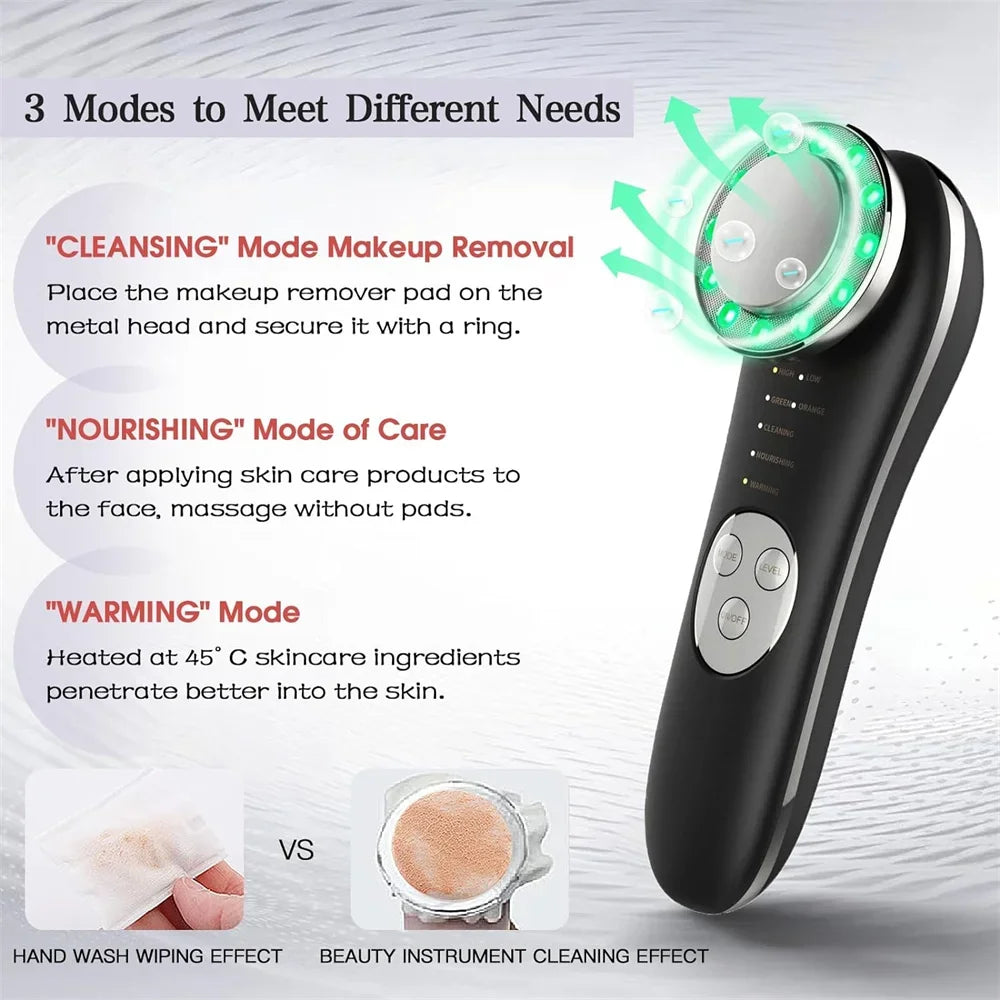
Improve skin elasticity with facial tools and massage — See it in action
The Science of Skin Elasticity (Collagen, Elastin & Aging Explained)
What collagen and elastin actually do
Collagen provides structure and firmness, while elastin allows skin to stretch and snap back. Healthy skin relies on both working together.
How fibroblasts and the extracellular matrix work
Fibroblasts are cells that produce collagen and elastin within the extracellular matrix. As these cells slow down with age, skin becomes thinner, weaker, and less resilient.
How aging, UV, glycation, hormones, smoking, and pollution break them down
UV exposure and pollution create oxidative stress, glycation stiffens collagen fibers, and hormonal changes reduce production. Smoking further accelerates breakdown by restricting blood flow.
Why elasticity loss shows as sagging and fine lines
When collagen weakens and elastin degrades, skin loses its support structure. This results in sagging, wrinkles, and slower recovery after movement.
What is the fastest way to improve skin elasticity? (Ranked by Effectiveness)
Immediate effects (hours–days)
Hydration, facial massage, and microcurrent tools improve circulation and fluid movement, creating a temporary lifting effect.
Short-term improvements (2–6 weeks)
Retinoids, peptides, and vitamin C begin stimulating collagen production, improving texture and elasticity.
Long-term structural changes (8–12+ weeks)
Consistent use of radiofrequency devices, combined with skincare and routines, supports deeper collagen remodeling.
Evidence level and suitability comparison
Topical skincare has strong clinical support for long-term improvement. Devices provide faster visible results but require consistent use. Lifestyle factors influence both speed and sustainability.
Facial elasticity improvement techniques (Complete method breakdown)
Evidence-based skincare ingredients
Retinoids, peptides, and antioxidants support collagen repair and protection. These are foundational for long-term improvement.
Lifestyle and nutrition
Adequate protein, vitamin C, hydration, and sleep help maintain collagen production, while limiting sugar reduces glycation damage.
Skin elasticity exercises and facial massage
Targeted movements improve muscle tone and circulation, supporting a lifted appearance.
At-home devices
Microcurrent, radiofrequency, and LED devices enhance results by stimulating deeper skin layers.
Professional treatments
Procedures like microneedling and laser treatments offer stronger collagen stimulation but require professional guidance.
How facial tools boost elasticity & lift facial muscles naturally
Microcurrent
Stimulates facial muscles to improve tone and lift.
Radiofrequency
Heats deeper layers to trigger collagen tightening.
Massage and circulation
Enhances lymphatic drainage and reduces puffiness.
Benefits and limitations
Tools provide both immediate and long-term benefits, but require consistent use and proper technique for best results.

Lift facial muscles naturally with smart tools — See how fast it works
Best tools for skin tightening at home (Compared)
Microcurrent devices
Best for lifting and toning facial muscles.
Radiofrequency tools
Best for deeper collagen stimulation.
Facial rollers & gua sha
Best for circulation and puffiness reduction.
LED devices
Support collagen production and reduce inflammation.
Comparison table
| Tool Type | Best For | Speed | Long-Term Results |
|---|---|---|---|
| Microcurrent | Muscle lifting | Fast | Moderate |
| Radiofrequency | Collagen stimulation | Moderate | Strong |
| LED | Skin quality | Slow | Moderate |
| Massage tools | Circulation | Fast | Low |
8-minute face lifting routine for visible firmness
Warm-up massage
Start with gentle upward strokes to increase circulation.
Skin elasticity exercises
Focus on cheeks, jawline, and forehead to activate facial muscles.
Cooling recovery
Finish with tapping or cooling tools to reduce inflammation.
Who should avoid facial exercises
Avoid aggressive movements if you have sensitive skin, inflammation, or certain skin conditions.
How to combine tools, skincare, and exercises for faster results
Morning routine
Cleanse, apply vitamin C serum, use a facial tool for 3–5 minutes, and finish with sunscreen.
Evening routine
Cleanse, apply retinoids or peptides, perform facial exercises, and moisturize.
Weekly protocol
Use deeper treatments like radiofrequency 2–3 times weekly and include longer massage sessions.
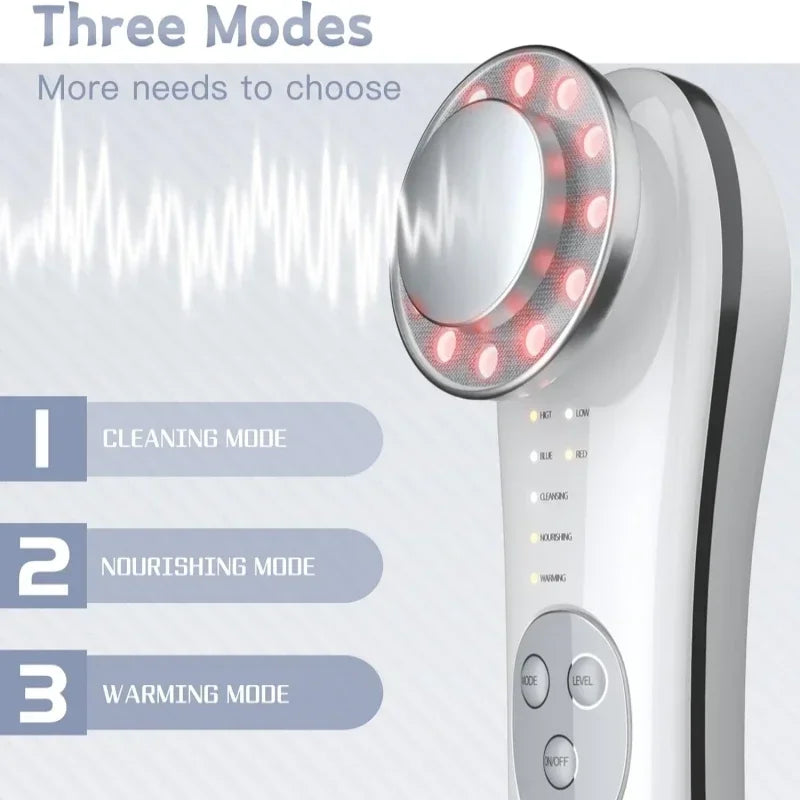
For added tension relief, pair your routine with the KentDO™ Ionic Facial Cleanser , which helps relax neck and shoulder tension that contributes to sagging.
Timeline: How long does it take to improve skin elasticity?
- Immediate: Temporary tightening
- 2–4 weeks: Improved texture
- 6–12 weeks: Visible lifting
- 3+ months: Structural improvement
Common mistakes that slow elasticity improvement
Skipping sunscreen
UV exposure is the fastest way to break down collagen.
Overusing devices
Too much stimulation can irritate skin and reduce results.
Poor lifestyle habits
Lack of sleep and poor diet slow collagen production.
Expecting instant collagen rebuilding
Real elasticity takes time and consistency.
Home remedies for skin elasticity: What works and what doesn't
Hydration
Proper hydration supports skin plumpness and elasticity.
Nutrition
Protein and vitamin C are essential for collagen synthesis.
Facial massage
Improves circulation but does not rebuild collagen alone.
Common myths
No cream or DIY remedy can instantly restore deep elasticity without consistent use.
Product spotlight: a simple tool that supports elasticity
Who it suits
Ideal for those experiencing tension-related sagging and poor circulation.
How to integrate into a routine
The KentDO™ Ionic Facial Cleanser can be used daily to enhance circulation and complement lifting routines.
- Relax neck and shoulder tension
- Improve circulation
- Support lifting routines
Support facial lift by relieving neck & trap tension — See the KentDO Pillow
FAQ
How long does it take to improve skin elasticity?
Most people see visible improvements in 2–6 weeks, with stronger results after 2–3 months.
Do facial tools really help skin elasticity?
Yes, they improve circulation, stimulate muscles, and support collagen production.
Can I lift facial muscles naturally without injections?
Yes. Consistent routines with tools and exercises can improve tone naturally.
Do facial exercises improve skin elasticity?
They improve muscle tone and circulation, which supports elasticity over time.
What destroys skin elasticity the fastest?
UV exposure, smoking, poor diet, and excess sugar.
Can you rebuild collagen after 40?
Yes, with consistent skincare, tools, and healthy habits.
Which skincare ingredients have the strongest evidence?
Retinoids, vitamin C, and peptides have the most clinical support.
Pillar Article: How to Use 4 Types of Facial Massage for Maximum Skin Benefits
Other Related Articles:
- Dull Tired Skin Remedies That Actually Revitalize Your Face
- Benefits Facial Massage: Unlock Youthful Skin in Minutes Daily
- 5 Benefits of Facial Treatment You Can Experience at Home
Explore More:













