

Does red light therapy really work for muscle recovery?
Yes. Clinical studies suggest that red light therapy can improve muscle recovery by supporting cellular energy production, reducing inflammation, and decreasing delayed onset muscle soreness (DOMS). While results vary depending on the device, wavelength, treatment consistency, and training intensity, many athletes and active individuals report faster recovery when sessions are used regularly alongside proper sleep, nutrition, and exercise.
⏱ 6 min read
Best Red Light Therapy Device Muscle Recovery: Top Devices Compared for Faster Recovery
The best red light therapy device for muscle recovery depends on your goals, training intensity, and preferred treatment style. Modern photobiomodulation devices use red and near-infrared wavelengths to support muscle repair, reduce soreness, and improve recovery efficiency. Whether you're an athlete, weight lifter, or simply managing post-exercise muscle fatigue, understanding which device works best can help you recover faster and train more consistently.
Explore options in Body Care and Health Devices and find what fits your routine best.
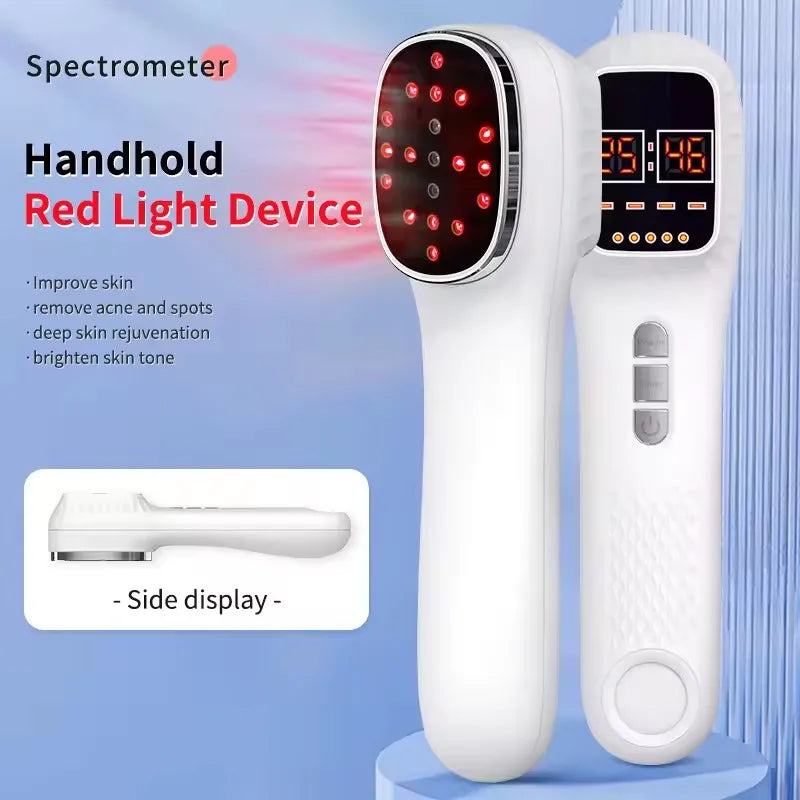
Best red light therapy for muscles in action — discover faster recovery solutions
Feeling stuck with soreness that lasts days? You're not alone—many people underestimate how much recovery tools can impact performance.
What current research says
Research indicates that photobiomodulation may improve muscle performance, reduce exercise-induced fatigue, and shorten recovery time after strenuous workouts by stimulating cellular repair processes.
Red light vs near-infrared for muscle tissue
Visible red light (around 660nm) primarily targets skin and superficial tissues, while near-infrared wavelengths (around 810–850nm) penetrate deeper into muscles, tendons, and connective tissue. Many of the best red light therapy devices for muscle recovery combine both wavelengths for broader therapeutic coverage.
What results you can realistically expect
- Reduced muscle soreness after intense workouts
- Improved recovery between training sessions
- Better circulation
- Less exercise-related inflammation
- Gradual improvements over several weeks rather than overnight changes
How does red light therapy help muscle recovery?
Red light therapy helps muscle recovery by delivering specific wavelengths of light that stimulate mitochondria inside cells. Increased cellular energy production supports tissue repair while reducing oxidative stress caused by intense exercise.
ATP production and cellular repair
Photobiomodulation increases ATP production, allowing muscle cells to repair microscopic exercise-related damage more efficiently.
Blood flow, inflammation, and DOMS
Improved circulation delivers oxygen and nutrients to recovering muscles while helping remove metabolic waste. Many studies associate these effects with reduced delayed onset muscle soreness (DOMS).
Recovery vs pain relief
Although pain reduction is a common benefit, the primary goal of red light therapy devices for muscle recovery is supporting the body's natural healing processes rather than masking discomfort.
For a deeper understanding of treatment mechanisms, explore our guide on photobiomodulation and recovery science.
Best red light therapy devices for muscle recovery
The ideal device depends on your treatment goals, recovery frequency, and budget. Different designs provide varying levels of coverage and convenience.
Best full-body panel
Large LED panels such as Joovv Solo and PlatinumLED BioMax provide extensive treatment coverage and are ideal for athletes recovering multiple muscle groups after training.
Best handheld device
Handheld units target localized soreness such as shoulders, knees, elbows, or calves while remaining highly portable. One standout option is this LED infrared therapy device for muscle recovery , designed for targeted treatment and convenient daily use.
Best wrap or belt
Flexible wraps such as Kineon Move+ and LightForce-inspired wearable systems conform around joints and muscle groups, allowing hands-free treatment during recovery sessions.
Best portable device
Compact rechargeable devices are suitable for travel, gym bags, and quick post-workout treatments.
Best budget option
Entry-level devices can provide effective photobiomodulation when they deliver clinically relevant wavelengths and adequate irradiance.
Try a handheld red light therapy device for precise, on-demand muscle care.
Panel vs wrap vs handheld: Which device is best?
Coverage area
Panels treat the largest areas, wraps focus on specific muscle groups, and handheld devices target small regions.
Treatment depth
Treatment depth depends more on wavelength and irradiance than device shape, although larger panels often deliver more uniform exposure.
Convenience
Wraps allow hands-free sessions, handheld devices maximize portability, and panels provide efficient whole-body recovery.
Best use cases
- Panels: athletes and full-body recovery
- Wraps: knees, shoulders, lower back
- Handhelds: trigger points and localized soreness
What specifications matter before buying?
660nm vs 850nm wavelengths
Most premium devices combine visible red and near-infrared wavelengths to treat both superficial and deeper tissues. Learn more in our detailed wavelength comparison guide.
Irradiance and power output
Higher irradiance can shorten treatment times when used appropriately, although extremely high output is not always necessary.
Treatment distance
Manufacturers often specify an optimal treatment distance where light intensity remains clinically effective.
Coverage size
Larger treatment areas reduce session time for full-body recovery.
Pulse mode
Some devices offer pulsed light settings, although continuous mode remains the most commonly studied for muscle recovery.
FDA registration and certifications
Look for devices that clearly disclose manufacturing standards, electrical safety certifications, and applicable regulatory registrations.
Which red light therapy option works faster?
Device power vs treatment consistency
Consistent treatments with an appropriately powered device generally produce better long-term outcomes than infrequent sessions using higher output equipment.
Clinical factors affecting results
- Training intensity
- Recovery habits
- Sleep quality
- Nutrition
- Treatment frequency
- Device specifications
| Device Type | Speed | Best For | Limitations |
|---|---|---|---|
| Handheld LED Device | ⭐⭐⭐⭐⭐ | Targeted muscle recovery | Smaller coverage area |
| Full Body Panel | ⭐⭐⭐⭐ | Overall recovery | Expensive, less portable |
| Infrared Sauna | ⭐⭐⭐ | Relaxation + recovery | Time-consuming |
| Massage Therapy | ⭐⭐⭐ | Short-term relief | No direct photobiomodulation effects |
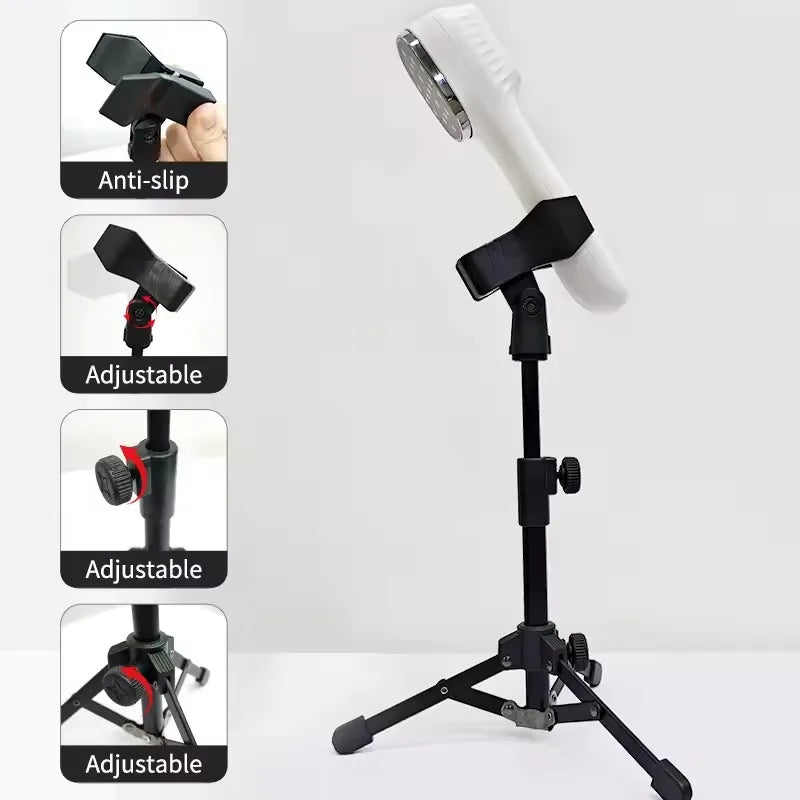
LED infrared therapy device for muscle recovery — see faster results in real use
How red light therapy reduces muscle soreness
Scientific evidence
Multiple studies suggest photobiomodulation may decrease exercise-induced inflammation and reduce delayed muscle soreness after resistance and endurance exercise.
Athletic recovery
Professional athletes often incorporate light therapy into broader recovery routines alongside nutrition, hydration, compression, and sleep.
Real user experiences
User reports frequently describe reduced stiffness and quicker recovery between workouts, although individual responses vary.
- ✅ Supports muscle repair after workouts
- ✅ May reduce delayed onset muscle soreness (DOMS)
- ✅ Improves mobility and flexibility
- ✅ Helps maintain consistent training schedules
Treatment protocols by muscle group
Legs after running
Treat quadriceps, hamstrings, calves, and glutes for 10–20 minutes following long runs or interval training.
Back and shoulders
Position the light to cover the entire muscle group rather than focusing on a single sore point.
Arms and chest
Use shorter targeted sessions after resistance training to support localized recovery.
Full-body recovery
Large panels can efficiently cover multiple muscle groups during a single treatment session.
Additional recovery tools such as massage guns, foam rollers, and stretching protocols may further enhance recovery outcomes.
How to use red light therapy at home
Session duration
Most manufacturers recommend sessions lasting between 10 and 20 minutes depending on device output.
Frequency
Three to five sessions per week are common for active recovery, while athletes in heavy training may use devices more frequently according to manufacturer guidance.
Distance from device
Maintain the recommended treatment distance to achieve the intended irradiance.
Mistakes to avoid
- Using inconsistent schedules
- Treating from too far away
- Expecting overnight results
- Ignoring manufacturer recommendations
Pairing your routine with tools from Body Care and Health Devices can further enhance results and keep your recovery consistent.
Who should use these devices?
Athletes
Useful for managing recovery between demanding training sessions.
Weight lifters
May help reduce post-workout soreness and support consistent training.
Older adults
Can complement mobility and recovery routines when used appropriately.
Office workers
Localized treatment may help relieve muscle tightness associated with prolonged sitting.
Who should avoid red light therapy?
Pregnancy considerations
Consult a healthcare professional before beginning treatment during pregnancy.
Photosensitive medications
Certain medications increase light sensitivity and may require medical guidance.
Active cancer discussions with physicians
Individuals receiving cancer treatment should consult their medical team before using photobiomodulation devices.
Eye protection
Follow manufacturer recommendations regarding protective eyewear, especially when using high-powered LED panels.
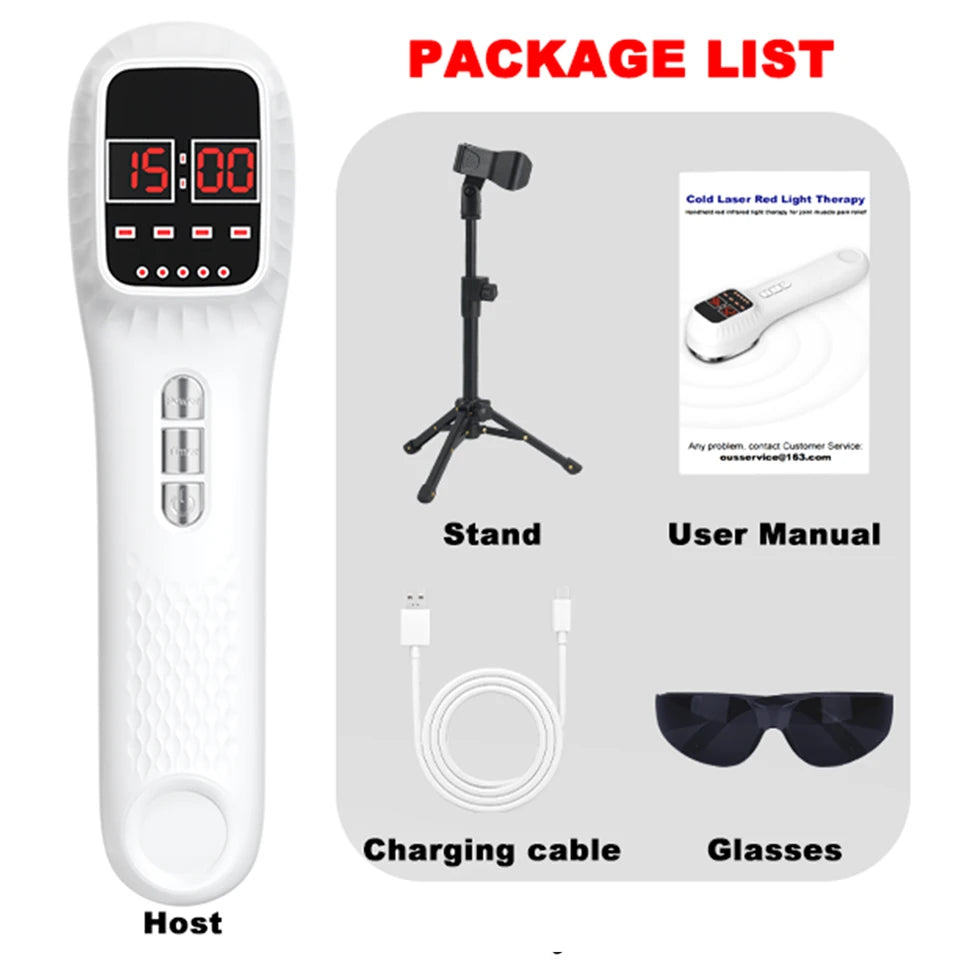
Best red light therapy for muscles — upgrade your recovery routine today
Get your handheld red light therapy device now — limited stock available!
FAQs
How long does red light therapy take to work on muscles?
Some users notice reduced soreness after several sessions, while measurable recovery improvements typically require consistent use over multiple weeks.
Can you use red light therapy after every workout?
Many devices are designed for regular use, provided manufacturer guidelines are followed.
Is infrared better than red light for deep muscles?
Near-infrared wavelengths generally penetrate deeper tissues, making them well suited for larger muscle groups.
What is the best wavelength for muscle recovery?
Devices combining approximately 660nm and 850nm provide broad treatment versatility.
Can red light therapy reduce DOMS?
Research suggests it may help reduce delayed onset muscle soreness as part of a comprehensive recovery routine.
Can it replace stretching or massage?
No. It is best viewed as a complementary recovery tool.
How often should you use a muscle recovery device?
Most users benefit from several sessions per week, depending on training volume and device recommendations.
What makes an LED infrared therapy device effective?
Effective devices combine appropriate wavelengths, sufficient irradiance, quality LEDs, and treatment protocols supported by clinical evidence.
Pillar Article: Best Home Red Light Therapy Devices Compared for Results
Other Related Articles:
- Does Red Light Therapy Work? Honest Comparison Guide
- Best Portable Red Light Therapy Devices 2026 Ranked
- Infrared Light Therapy for Muscle Pain: Worth It or Hype
- Portable Red Light Therapy: Top Picks for Travel & Gym
Explore More:













