

Quick Answer: How to Relieve Muscle Soreness Fast
If you're experiencing delayed onset muscle soreness (DOMS), the fastest relief usually comes from combining several evidence-based recovery strategies rather than relying on a single solution.
- Take a short walk or perform light movement to improve circulation.
- Drink enough water and replenish electrolytes if you've been sweating heavily.
- Eat a meal containing protein and carbohydrates within a few hours after exercise.
- Use heat for general stiffness or cold therapy if swelling is present.
- Prioritize 7–9 hours of quality sleep.
- Consider gentle massage, foam rolling, or compression garments.
- Avoid repeating high-intensity training for the same muscle group until soreness improves.
The fastest recovery actions in the first 24–48 hours
The first two days after an intense workout are when soreness often peaks. Focus on light activity, hydration, balanced nutrition, and adequate rest instead of complete inactivity.
What to avoid if you're extremely sore
- Skipping recovery meals
- Performing another intense workout for the same muscles
- Aggressive stretching that causes pain
- Ignoring severe swelling or sharp pain
How to Relieve Muscle Soreness Fast: Evidence-Based Ways to Recover After Exercise
⏱ 6 min read
Feeling stiff, sore, and slowed down after workouts? Muscle soreness can disrupt your routine—but with the right recovery approach, you can reduce discomfort quickly and get back to training safely. This guide covers science-backed strategies to help you recover faster and move better.
Explore practical tools and routines that help you feel better faster inside the Body Care and Health Devices collection.
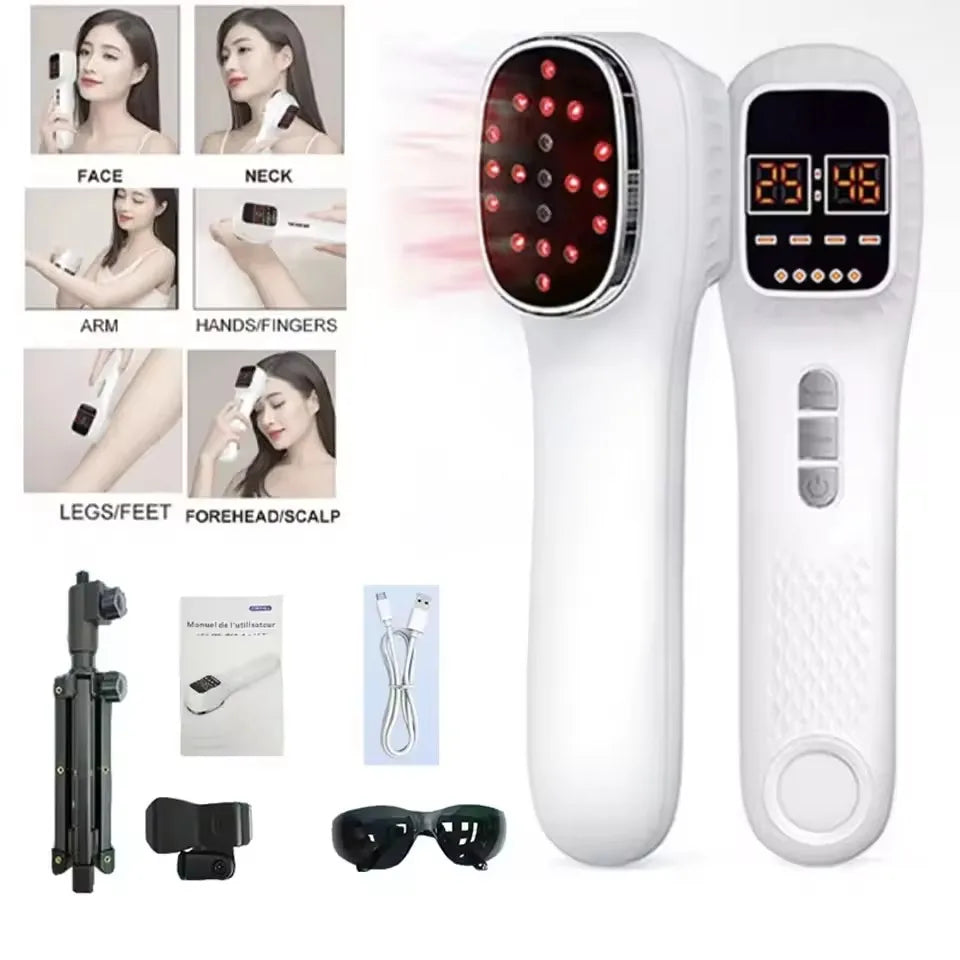
Relieve discomfort faster and move freely again — how to relieve muscle soreness fast See it in action
Why Muscle Soreness Happens After Workouts
Most post-workout soreness is caused by delayed onset muscle soreness (DOMS), which develops after unfamiliar or high-intensity exercise. Tiny microscopic damage to muscle fibers triggers inflammation and repair, making muscles feel stiff and tender.
What is delayed onset muscle soreness (DOMS)?
DOMS usually begins 12–24 hours after exercise, peaks around 24–72 hours, and gradually improves as muscle tissue repairs itself.
The lactic acid myth explained
Contrary to a common misconception, lactic acid does not remain in muscles for days after exercise. It is cleared relatively quickly, while soreness results from the body's natural repair process.
Normal soreness vs. muscle injury
General stiffness and tenderness are typical after challenging workouts. Sharp pain, severe swelling, instability, or loss of function may indicate an injury rather than normal recovery.
How to Relieve Muscle Soreness Fast (Step-by-Step)
Prioritize gentle movement over complete rest
Walking, cycling, or light mobility exercises increase blood flow without placing excessive stress on recovering muscles.
Hydrate and replace electrolytes
Proper hydration supports normal muscle function. If your workout involved heavy sweating, replacing sodium and other electrolytes may also help recovery.
Eat enough protein and carbohydrates
Protein provides amino acids needed for muscle repair, while carbohydrates replenish glycogen stores used during exercise.
Use heat or cold based on your symptoms
Heat can reduce stiffness and improve comfort, while cold therapy may be more appropriate when swelling or acute inflammation is present.
Improve sleep to accelerate muscle repair
Deep sleep is when much of the body's tissue repair and recovery processes occur. Consistent sleep is one of the most effective recovery tools.
Try massage, foam rolling, or compression
These methods may temporarily reduce soreness, improve flexibility, and increase comfort after strenuous workouts.
Consider OTC pain relievers only when appropriate
Over-the-counter pain medication may provide temporary relief, but routine use is generally not recommended solely for post-workout soreness without medical advice.
Learn how to use advanced recovery tools step-by-step with options available in Body Care and Health Devices .
Best Recovery Methods for Sore Muscles Compared
Heat vs. ice
Heat generally helps reduce stiffness, while ice is more appropriate immediately after injuries involving swelling.
Active recovery vs. complete rest
Light movement often leads to better short-term comfort than remaining completely inactive, provided pain is mild and no injury is present.
Massage vs. foam rolling
Massage provides passive relief, while foam rolling allows self-treatment and may improve mobility before returning to training.
Recovery method comparison table
- Light movement — Best for general DOMS
- Heat — Best for stiffness
- Cold therapy — Best for swelling
- Massage — Best for temporary pain relief
- Foam rolling — Best for improving mobility
- Compression garments — Best during recovery periods
How to Reduce Muscle Soreness Naturally at Home
Natural recovery habits supported by evidence
- Stay hydrated throughout the day.
- Eat balanced meals rich in protein.
- Remain physically active with low-intensity exercise.
- Maintain a consistent sleep schedule.
- Manage training volume gradually.
Foods that may support muscle recovery
Protein-rich foods, colorful fruits and vegetables, whole grains, healthy fats, and foods rich in omega-3 fatty acids may help support the body's normal recovery process.
How Long Does Muscle Soreness Last?
Typical DOMS timeline
Most soreness develops within 12–24 hours, peaks between 24 and 72 hours, and improves over the following several days.
When soreness lasts longer than expected
If soreness continues beyond a week without improvement, reassess your training intensity, recovery habits, and overall health.
Persistent muscle soreness from workouts: possible causes
- Insufficient recovery time
- Overtraining
- Poor nutrition
- Inadequate sleep
- Underlying injury or medical condition
LED Infrared Therapy Device for Muscle Recovery
Some studies suggest that red and near-infrared light therapy may support recovery by influencing cellular energy production and reducing temporary muscle discomfort. However, research remains mixed, and results vary between individuals.
What current research says
Clinical studies show promising but inconsistent findings. LED therapy should be considered a complementary recovery strategy rather than a replacement for proper sleep, nutrition, and training management.
Who may benefit most
Individuals with frequent training schedules or recurring muscle fatigue may find it useful as part of a broader recovery plan.
Limitations and realistic expectations
No recovery device can eliminate soreness overnight. Recovery still depends on exercise intensity, nutrition, hydration, and adequate rest.
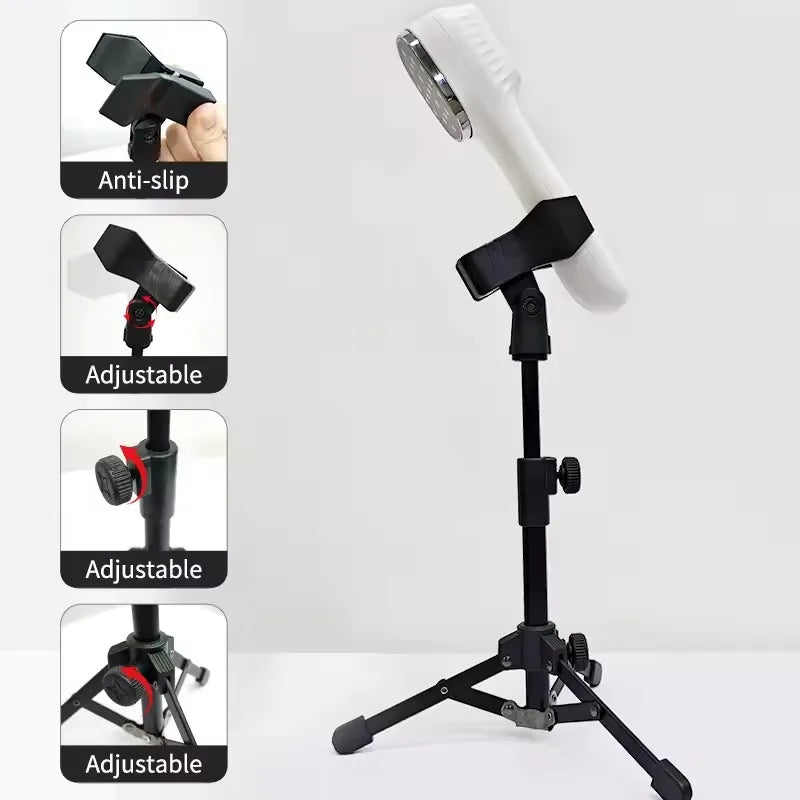
Target deep muscle recovery with advanced light therapy — LED infrared therapy device for muscle recovery See it in action
Ready to try it?
Explore the handheld red light therapy device
designed for easy, effective muscle recovery at home.
When Muscle Soreness Requires Medical Attention
Warning signs that indicate injury
- Sharp or sudden pain
- Visible swelling
- Joint instability
- Inability to bear weight
- Loss of strength
Symptoms that need immediate evaluation
Seek prompt medical care if muscle pain is accompanied by severe swelling, fever, dark-colored urine, numbness, or symptoms that continue worsening instead of improving.
Muscle Recovery Tips After Exercise to Prevent Future Soreness
Progressive training principles
Increase workout intensity gradually to allow muscles to adapt over time.
Warm-up and cool-down habits
Prepare muscles before exercise with dynamic movements and finish workouts with gentle walking and mobility exercises.
Recovery checklist after every workout
- Cool down.
- Hydrate.
- Eat protein and carbohydrates.
- Sleep well.
- Allow adequate recovery before training the same muscles again.
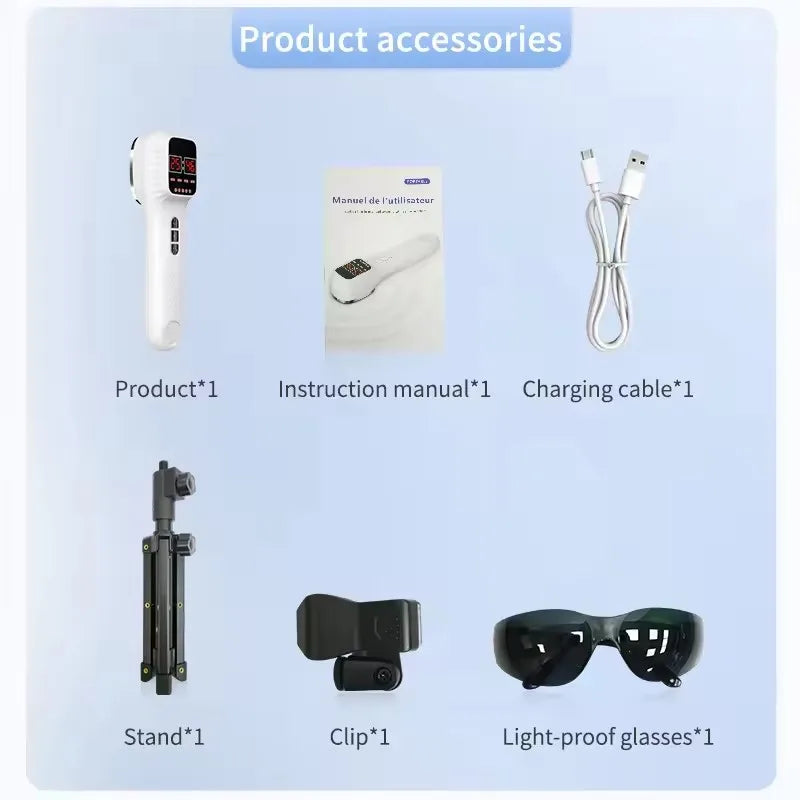
Make recovery part of your daily lifestyle — how to reduce muscle soreness naturally See it in action
Experience faster recovery with the handheld red light therapy device and feel the difference after every workout.
Frequently Asked Questions
How long does muscle soreness last?
Most DOMS resolves within three to five days, although recovery time varies depending on workout intensity and training experience.
Is it okay to work out while sore?
Yes, if soreness is mild. Consider exercising different muscle groups or reducing workout intensity until recovery improves.
What is the fastest way to recover from sore muscles?
A combination of light activity, hydration, proper nutrition, sleep, and recovery therapies is generally more effective than relying on a single method.
Does stretching reduce DOMS?
Stretching may improve flexibility and comfort, but evidence suggests it has limited impact on preventing DOMS.
Is massage better than foam rolling?
Both may temporarily reduce soreness. The better choice depends on personal preference, accessibility, and recovery goals.
Are LED infrared therapy devices effective?
Research suggests they may help some individuals, but they should complement—not replace—core recovery practices.
When should I worry about persistent muscle soreness from workouts?
If soreness lasts longer than a week, worsens over time, or includes swelling, weakness, or dark urine, seek medical evaluation.
Pillar Article: How to Use Red Light Therapy for Faster Recovery at Home
Other Related Articles:
- How to Improve Circulation Naturally Using Light Therapy
- Red Light Therapy Dosage Recommendations for Safe Results
- Red Light Therapy After Workout: Step-by-Step Routine
Explore More:













