

Does best portable red light therapy really work?
Best portable red light therapy works by delivering targeted wavelengths (typically 630nm–880nm) that penetrate the skin to support cellular repair, reduce inflammation, and improve circulation. Modern handheld devices can help ease muscle soreness, enhance skin tone, and speed recovery—without bulky clinic equipment.
⏱ 8 min read
Does Red Light Therapy Work? Evidence, Studies, Effectiveness & What to Expect (2026 Guide)
Red light therapy has gained massive popularity for skin, recovery, and pain relief—but does it actually work? This evidence-based 2026 guide breaks down what science really says, how it works in the body, and what results you can realistically expect from both professional and at-home devices.
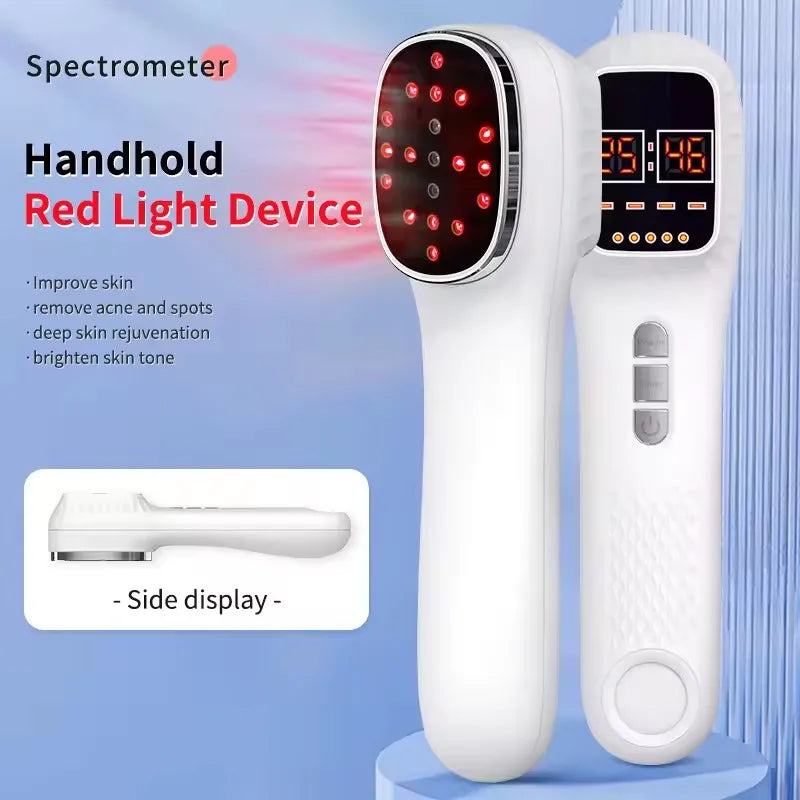
best portable red light therapy devices 2026 for home recovery See it in action
Does Red Light Therapy Work? Quick Evidence-Based Answer
Yes—red light therapy can work for certain health conditions when the correct wavelength, treatment dose, and schedule are used. The strongest scientific evidence supports improvements in skin rejuvenation, temporary pain relief, muscle recovery, wound healing, and some inflammatory conditions. However, evidence remains mixed for weight loss, general wellness, and several other widely advertised benefits.
Red light therapy works through a process called photobiomodulation, where specific wavelengths of visible red and near-infrared light stimulate mitochondria to produce more cellular energy (ATP). This may improve tissue repair, reduce inflammation, and support recovery in responsive tissues.
Results depend heavily on treatment parameters. Clinical studies consistently show that wavelength, irradiance, treatment duration, consistency, and the quality of the device all influence effectiveness. While many at-home devices can provide measurable benefits, they generally require longer treatment periods than professional medical systems.
- Strong evidence: skin aging, muscle recovery, temporary pain relief, wound healing.
- Moderate evidence: hair growth, acne, joint disorders.
- Limited evidence: weight loss, mood enhancement, hormone optimization and broad wellness claims.
How Red Light Therapy Works Inside the Body
Red light therapy uses specific wavelengths of visible red light (typically 620–700 nm) and near-infrared light (700–1100 nm) to stimulate cells. Unlike ultraviolet light, these wavelengths do not damage DNA or tan the skin.
What is photobiomodulation?
Photobiomodulation is the process by which light energy interacts with cellular components. Researchers believe the primary target is cytochrome c oxidase inside mitochondria, allowing cells to produce ATP more efficiently.
How mitochondria produce more ATP
ATP is the body's primary energy molecule. Increased ATP production may help cells repair damage, reduce oxidative stress, support collagen synthesis, and improve recovery after physical stress.
Why wavelength, dose, and consistency matter
Red light therapy is dose-dependent. Too little light may not trigger meaningful biological responses, while excessive exposure does not necessarily improve outcomes. Consistent treatment over several weeks generally produces better results than occasional sessions.
What Does the Research Actually Show?
Strong evidence
- Skin rejuvenation
- Fine lines and wrinkles
- Temporary pain reduction
- Exercise recovery
- Wound healing support
Moderate evidence
- Hair growth
- Acne treatment
- Certain joint disorders
Limited or insufficient evidence
- Weight loss
- Body contouring alone
- General energy enhancement
- Hormone optimization
- Anti-aging claims beyond skin appearance
Many positive studies exist, but researchers continue to emphasize that study quality, treatment protocols, and device specifications vary considerably across published research.
Conditions Where Red Light Therapy Has the Strongest Scientific Support
Skin rejuvenation and wrinkles
Clinical trials suggest red light therapy may stimulate collagen production, improve skin texture, and reduce the appearance of fine lines after several weeks of consistent treatment.
Muscle recovery and exercise performance
Research indicates treatment before or after exercise may reduce muscle soreness, decrease fatigue, and improve recovery by reducing inflammation and supporting cellular repair.
Joint pain and osteoarthritis
Some randomized trials report temporary reductions in pain and stiffness, particularly for osteoarthritis and chronic musculoskeletal conditions.
Wound healing
Photobiomodulation may accelerate tissue repair by supporting circulation, collagen production, and cellular regeneration during healing.
Conditions With Mixed or Limited Evidence
Hair growth
Some evidence suggests benefits for androgenetic alopecia, although treatment protocols differ substantially between studies.
Acne
Red light may reduce inflammation, but blue light is often combined for better acne treatment outcomes.
Neuropathy
Preliminary studies show promise, but larger clinical trials are still needed.
Weight loss
Current evidence does not support red light therapy as a standalone weight-loss treatment.
Depression and general wellness
Research remains preliminary, and current evidence is insufficient for broad clinical recommendations.
Does Red Light Therapy Actually Work? What Clinical Studies Say
Systematic reviews
Systematic reviews generally conclude that photobiomodulation has measurable benefits for selected conditions but recommend standardized treatment protocols and higher-quality trials.
Randomized controlled trials
Many RCTs report positive outcomes for skin quality, pain reduction, and muscle recovery, although sample sizes are often modest.
Why study quality varies
Researchers use different wavelengths, treatment durations, power outputs, and patient populations, making direct comparisons difficult. This explains why some conditions have stronger evidence than others.
Do Red Light Therapy Devices Work at Home?
Do home red light therapy devices work?
Many home devices can produce beneficial light wavelengths, but treatment typically requires more sessions because home units usually deliver lower irradiance than professional systems.
Professional vs home devices
Clinical devices often provide higher power output, larger treatment areas, and professionally controlled dosing.
Why treatment consistency matters
Regular sessions performed over several weeks are usually more important than occasional high-intensity treatments.
Explore more wellness tools in Body Care and Health Devices
Do Cheap Red Light Therapy Devices Work?
Some inexpensive devices emit therapeutic wavelengths, while others prioritize marketing over measurable performance. Price alone does not determine effectiveness, but lower-cost products may use fewer LEDs, lower irradiance, or inaccurate wavelength specifications.
- Verify published wavelength specifications.
- Look for measured irradiance data.
- Choose devices tested by independent laboratories when available.
- Be cautious of unrealistic health claims.
What Makes Red Light Therapy Effective?
Wavelength selection
Most evidence supports wavelengths between approximately 630–660 nm for superficial tissues and 810–850 nm for deeper penetration.
Treatment dose
Both insufficient and excessive light exposure can reduce effectiveness.
Session frequency
Most studies use treatments three to five times per week over several weeks.
Distance from the device
Moving farther away reduces light intensity reaching the tissue.
Treatment duration
Following manufacturer instructions or clinically studied protocols improves consistency.
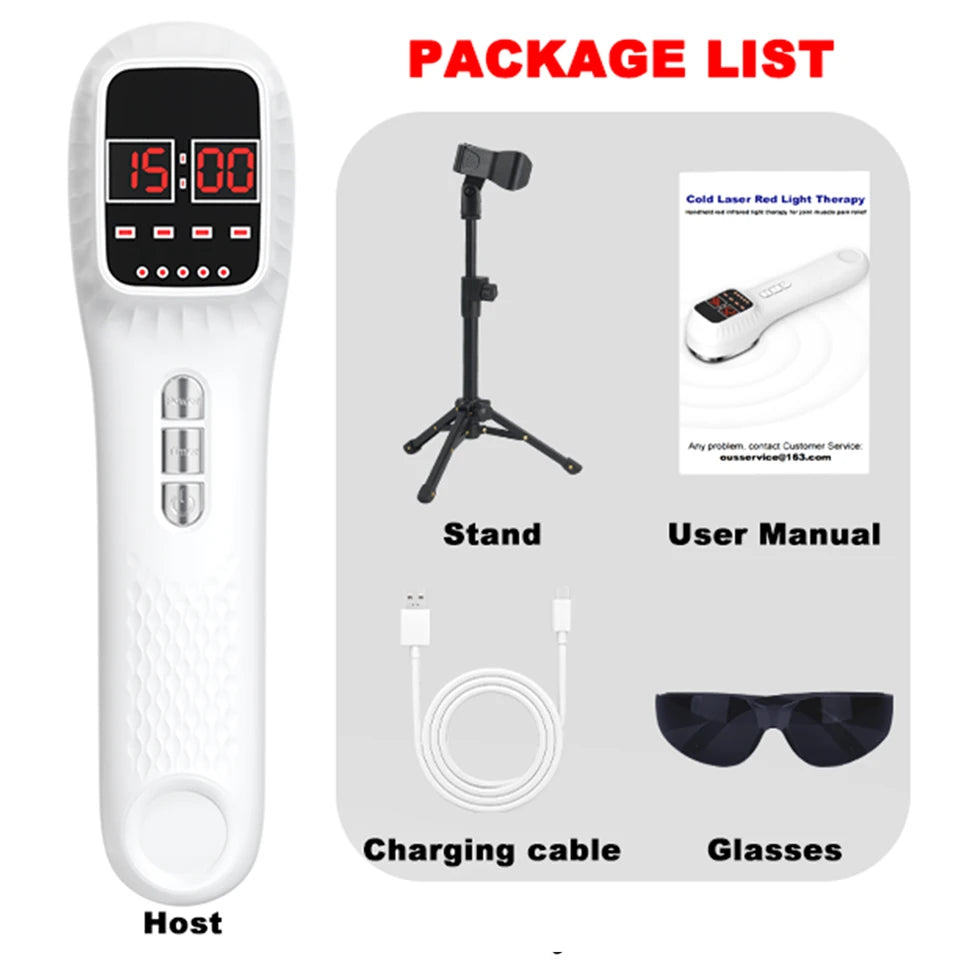
at home red light therapy machine handheld for targeted results See it in action
How to Use Red Light Therapy for the Best Results
Session length
Typical sessions last between 5 and 20 minutes depending on the device and treatment area.
Treatment schedule
Consistency over several weeks generally produces better outcomes than sporadic use.
Common mistakes
- Expecting overnight results
- Using incorrect treatment distance
- Skipping sessions
- Ignoring manufacturer dosage recommendations
How Long Does Red Light Therapy Take to Work?
Timelines vary depending on the condition being treated.
- Skin appearance: approximately 8–12 weeks.
- Muscle soreness: within hours to several days.
- Pain relief: several sessions to a few weeks.
- Hair growth: three to six months.
- Wound healing: depends on injury severity.
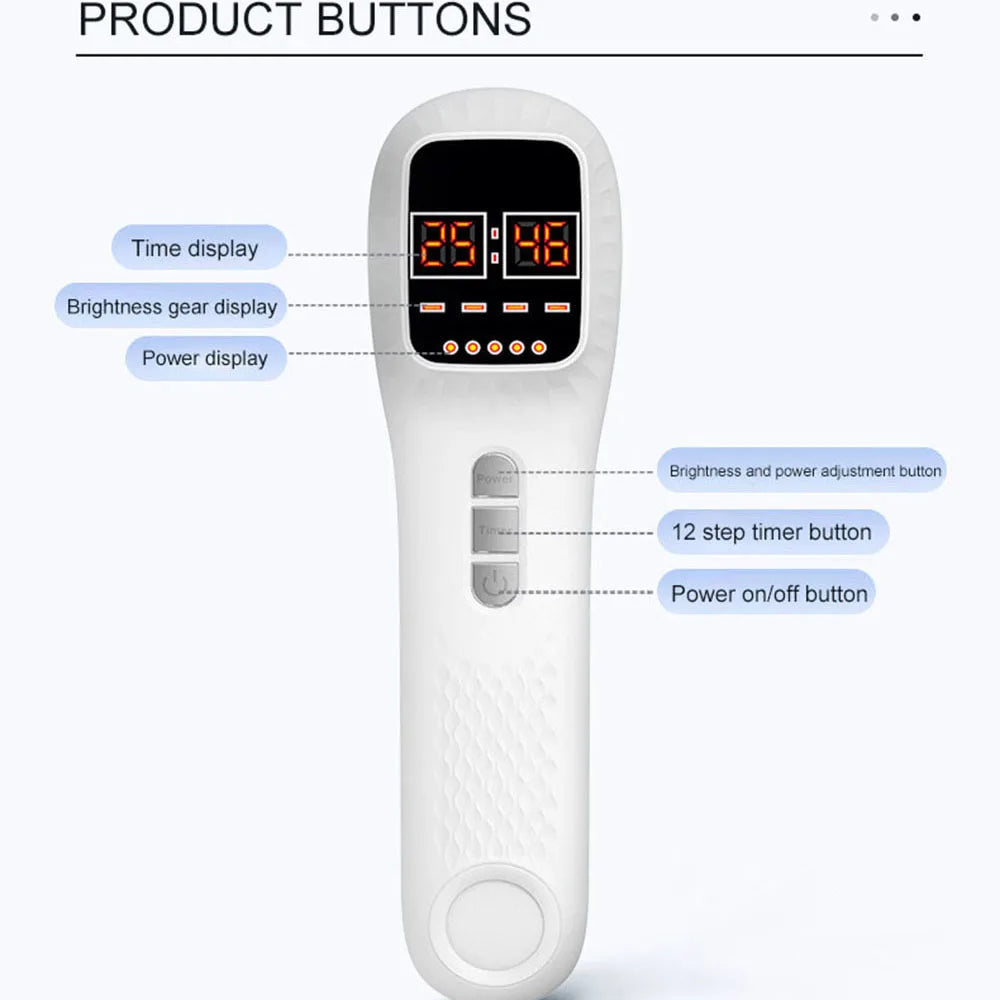
nm 808nm dual wavelength therapy device for deeper recovery See it in action
Safety, Side Effects & Who Should Avoid Red Light Therapy
Red light therapy is generally considered safe when used according to recommended protocols. Reported side effects are uncommon and usually mild.
Known side effects
- Temporary redness
- Mild warmth
- Occasional eye discomfort without protection
Who should avoid treatment
People taking photosensitizing medications or those with certain medical conditions should consult a healthcare professional before beginning treatment.
Eye protection
Protective eyewear is recommended whenever high-intensity devices are used near the eyes.
Research Summary Table
| Condition | Evidence Strength | Overall Conclusion |
|---|---|---|
| Skin aging | Strong | Supported by multiple clinical studies. |
| Muscle recovery | Strong | Effective when proper protocols are used. |
| Pain relief | Moderate to Strong | Helpful for selected conditions. |
| Hair growth | Moderate | Promising but protocol dependent. |
| Weight loss | Limited | Insufficient evidence as a standalone treatment. |
Frequently Asked Questions
Do red light therapy devices work?
Yes, provided they deliver therapeutic wavelengths and sufficient irradiance for the intended treatment.
Do home red light therapy devices work?
Many do, although they often require more consistent use than professional devices.
Do cheap red light therapy devices work?
Some can be effective, but performance varies significantly depending on build quality and light output.
Does red light therapy actually work according to studies?
Research supports benefits for selected medical and cosmetic applications, while evidence remains limited for several widely marketed claims.
How effective is red light therapy for muscle recovery?
Studies generally report reduced soreness and improved recovery when evidence-based treatment protocols are followed.
Is 630nm red light good?
Yes. Around 630 nm is commonly used for skin-focused treatments because it penetrates superficial tissues effectively and is widely studied for collagen production and skin rejuvenation.
Get yours now — limited stock!
Pillar Article: Best Home Red Light Therapy Devices Compared for Results
Other Related Articles:
- Best Portable Red Light Therapy Devices 2026 Ranked
- Best Red Light Therapy for Muscles: Which Works Faster
- Infrared Light Therapy for Muscle Pain: Worth It or Hype
- Portable Red Light Therapy: Top Picks for Travel & Gym
Explore More:













