

How to strengthen core muscles effectively at home?
Learning how to strengthen core muscles starts with understanding what your core actually does. Your core is much more than your abdominal muscles—it acts as the body's natural support system, stabilizing the spine, improving posture, and transferring force between your upper and lower body during everyday movements.
What muscles make up your core?
Your core includes several muscle groups that work together to create stability rather than simply producing visible abs.
- Rectus abdominis (front abdominal muscles)
- Transverse abdominis (deep stabilizing muscles)
- Internal and external obliques
- Erector spinae
- Multifidus muscles
- Pelvic floor muscles
- Diaphragm
- Glute muscles
To better understand abdominal anatomy and muscle function, explore our internal guides on core muscle training and activation.
Why core strength matters beyond visible abs
A stronger core improves balance, posture, lifting mechanics, athletic performance, and spinal stability while reducing unnecessary stress on the lower back. Whether you're exercising, carrying groceries, or picking up children, your core helps every movement become more efficient.
Improved core strength also contributes to better posture, reduced fatigue, and greater movement efficiency throughout daily activities.
Signs your core muscles are weak
- Lower back discomfort during daily activities
- Poor posture when sitting or standing
- Difficulty maintaining balance
- Fatigue during simple movements
- Neck or hip muscles compensating during abdominal exercises
How to Strengthen Core Muscles Without a Gym
Building a stronger core doesn't require expensive gym memberships or lengthy workout sessions. By combining targeted bodyweight exercises, proper muscle activation techniques, and consistent habits, you can improve core strength, posture, and stability from home. Modern tools such as EMS devices may also complement traditional training when used appropriately.
⏱ 6 min read
Curious how modern tools can boost your results?
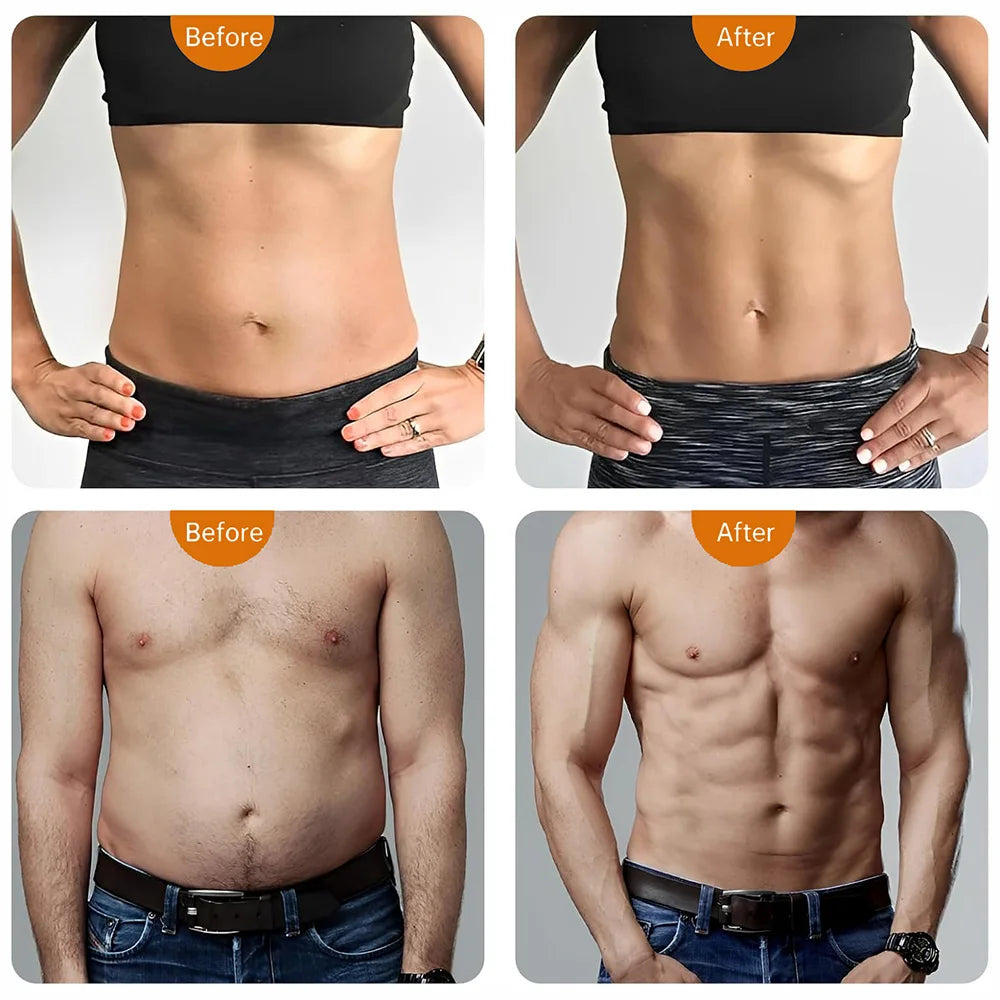
how to strengthen core muscles with easy muscle activation techniques at home See it in action
Wondering why your core workouts aren’t working?
It’s often not about doing more—it’s about activating the right muscles consistently.
Why Most Core Workouts Fail (And What Actually Works)
Many people perform endless crunches expecting stronger core muscles, but effective core training focuses on stability, controlled movement, and progressive challenge instead of high repetition alone.
Common mistakes beginners make
- Only training the front abdominal muscles
- Skipping deep stabilizing exercises
- Using momentum instead of muscle control
- Training without progression
- Ignoring recovery days
The importance of breathing and bracing
Proper breathing activates the diaphragm and deep abdominal muscles simultaneously. Before each repetition, gently brace your midsection as if preparing for a light punch while maintaining steady breathing throughout the movement.
Progressive overload without gym equipment
You can continue improving core strength by increasing hold times, adding repetitions, slowing movement tempo, performing unilateral exercises, or progressing to more challenging variations without needing weights.
How to Strengthen Core Muscles Step-by-Step at Home
Warm up before core training
Spend 5 minutes preparing your muscles with cat-cow stretches, pelvic tilts, bird dogs, and hip mobility exercises before beginning your workout.
Core exercises for beginners
- Dead Bug — 2–3 sets of 8–10 repetitions
- Bird Dog — 2–3 sets of 10 repetitions per side
- Forearm Plank — 20–30 seconds
- Glute Bridge — 12–15 repetitions
- Side Plank (knees bent if needed) — 15–20 seconds per side
Intermediate bodyweight core exercises
- Standard plank
- Side plank
- Mountain climbers
- Reverse crunches
- Bear crawl hold
Advanced progression
- Plank shoulder taps
- Hollow body hold
- Single-leg glute bridge
- Plank with leg lifts
- Slow V-ups
Weekly home core workout schedule
- Monday: Beginner routine
- Tuesday: Walking or mobility
- Wednesday: Intermediate routine
- Thursday: Rest
- Friday: Beginner plus balance exercises
- Saturday: Full-body bodyweight workout
- Sunday: Recovery and stretching
How to know you're engaging your core correctly
Your abdomen should feel firm without excessive breath holding. You should maintain a neutral spine throughout each movement while avoiding lower back arching or neck strain.
Want a faster, easier routine?
How EMS Technology Can Complement Core Training
Electrical muscle stimulation (EMS) may assist muscle activation during rehabilitation or as a supplemental training tool, but it should not replace regular exercise for developing long-term core strength.
What EMS can and cannot do
- May increase muscle awareness
- Can supplement voluntary contractions
- Does not replace movement training
- Cannot improve balance or coordination on its own
When EMS makes sense
Busy adults, beginners learning muscle activation, or individuals returning from inactivity may find EMS helpful when paired with consistent bodyweight exercises.
Why exercise should remain the foundation
Exercises that challenge stability, coordination, posture, and movement patterns provide benefits that passive stimulation alone cannot replicate.
Some users choose tools such as the EMS abdominal toning belt to complement their existing exercise routine and improve muscle awareness.
Explore more tools inside the Body Care and Health Devices collection to complement your routine.
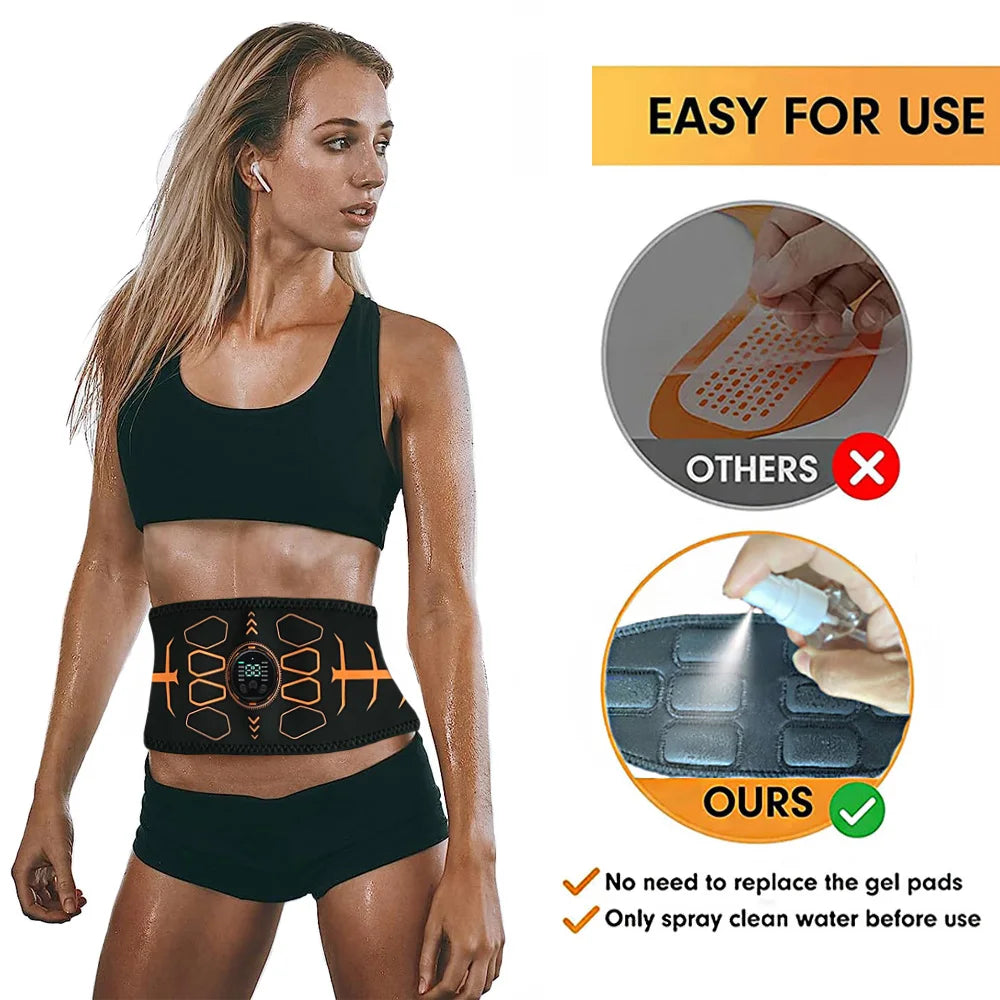
no time for gym workouts parents solution with core muscle stimulator See it in action
Traditional Bodyweight Training vs Smart Core Training
Comparison table
| Method | Benefits | Limitations | Convenience |
|---|---|---|---|
| Traditional Bodyweight Training | Builds strength, coordination, balance | Requires consistency | Medium |
| Plank-Based Training | Improves stability and endurance | Can plateau without progression | Medium |
| EMS-Assisted Core Training | May improve muscle activation | Should supplement exercise | High |
Which approach is best for beginners?
Most beginners should first master proper movement patterns using bodyweight exercises. Once technique becomes consistent, supportive technologies can be added as optional tools rather than primary training methods.
A Simple Daily Routine for Busy Parents
Even with a busy schedule, you can improve core strength through short, consistent workouts performed at home without equipment.
10-minute no gym core workout
- Dead Bug — 60 seconds
- Forearm Plank — 30 seconds
- Bird Dog — 60 seconds
- Glute Bridge — 60 seconds
- Side Plank — 30 seconds each side
- Repeat for two rounds
Easy muscle activation techniques at home
- Brace your core before lifting children
- Engage your abdomen while walking
- Practice diaphragmatic breathing
- Maintain upright posture while working
Staying consistent with limited time
Completing three to four 10-minute sessions each week often produces better long-term results than attempting occasional long workouts.
Pair your routine with tools from the Lifestyle collection to build a sustainable self-care system.
How Often Should You Train Your Core?
Weekly frequency
Most beginners benefit from performing dedicated core strengthening exercises two to four times per week with at least one recovery day between more challenging sessions.
Recovery and rest days
Core muscles recover like any other muscle group. Adequate sleep, hydration, nutrition, and active recovery help maximize adaptation and reduce soreness.
When to increase difficulty
Once you can complete all prescribed repetitions with excellent form, gradually increase hold time, repetitions, exercise complexity, or total training volume.
Common Form Mistakes That Prevent Core Activation
Holding your breath
Continue breathing steadily throughout each exercise instead of bracing excessively.
Arching your lower back
Maintain a neutral spine to keep tension on the abdominal muscles rather than transferring stress to the lumbar spine.
Moving too quickly
Slow, controlled repetitions improve muscle recruitment and reduce momentum.
Forgetting posture
Proper head, shoulder, and hip alignment improves overall core engagement during every movement.
Common Mistakes That Slow Your Progress
Avoid these common issues that hold back results:
- ❌ Skipping consistency
- ❌ Increasing difficulty too quickly
- ❌ Neglecting recovery and sleep
- ❌ Expecting visible changes before building strength
Instead, focus on progressive improvement, proper technique, and sustainable habits.
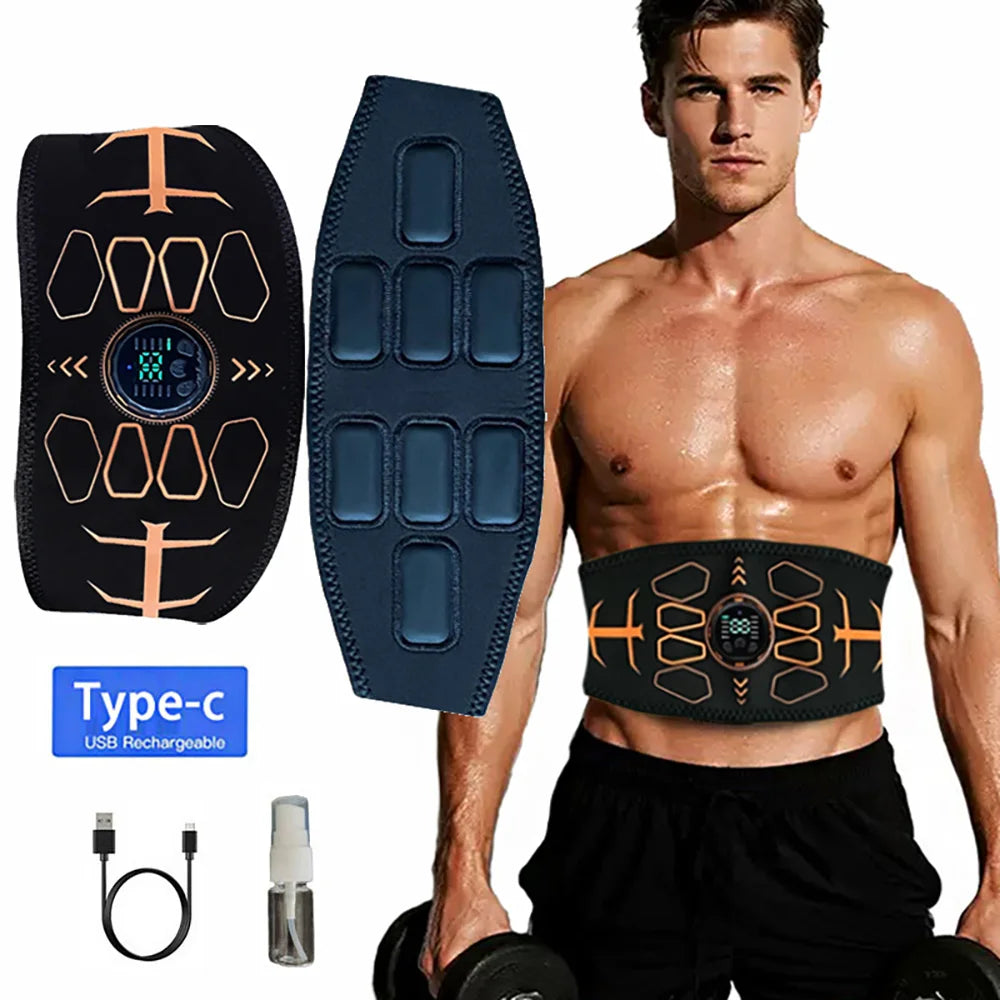
how parents can tone abs at home with ab electric belt See it in action
Ready to transform your routine?
FAQ
Can I strengthen core muscles at home without equipment?
Yes. Bodyweight exercises such as planks, bird dogs, dead bugs, and glute bridges effectively improve core strength when performed consistently with proper technique.
How many days per week should I train my core?
Most people see steady progress by training their core two to four times weekly while allowing recovery between challenging sessions.
What is the best core exercise for beginners?
Dead bugs, bird dogs, and forearm planks are excellent beginner-friendly exercises because they teach stability before progressing to more advanced movements.
Does walking strengthen the core?
Walking activates the core muscles to maintain posture and balance, but dedicated strengthening exercises are needed for significant improvements.
How long before I improve core strength?
Many beginners notice better stability and posture within four to eight weeks of consistent training.
Can parents tone abs without going to the gym?
Yes. Combining bodyweight core exercises, regular movement, balanced nutrition, and consistency can improve muscle tone at home.
Are EMS abdominal belts effective?
EMS belts may support muscle activation but should be viewed as a supplement rather than a replacement for exercise.
Is it normal to feel lower back discomfort during core exercises?
Mild muscle fatigue can occur, but persistent lower back pain often indicates poor technique or insufficient core engagement. Reduce exercise difficulty and focus on proper form if discomfort continues.
Pillar Article: How to Build Core Strength at Home in 15 Minutes
Other Related Articles:
- Minute Abs Workout for Beginners: Easy Daily Routine
- Can EMS Build Muscle? Step-by-Step Beginner Guide
- How to Lose Pregnancy Belly Fat Safely and Effectively
Explore More:













