

How to lose pregnancy belly fat safely and effectively?
How to lose pregnancy belly fat begins with understanding that your body is still healing after childbirth. Your uterus needs time to return to its normal size, abdominal muscles gradually regain strength, hormones continue shifting, and sleep deprivation can affect metabolism. Rather than trying to lose weight quickly, the safest approach combines gradual fat loss with rebuilding your core.
Recovery Comes Before Fat Loss
Whether you had a vaginal birth or a cesarean delivery, healing should always be your first priority. Gentle movement, nutritious meals, hydration, and pelvic floor recovery create the foundation for long-term fat loss while reducing the risk of injury.
Why a Healthy Timeline Matters
Visible changes usually happen over several months—not weeks. Sustainable postpartum recovery focuses on improving strength, posture, energy, and overall health while allowing your body to naturally reduce excess belly fat. Consistency produces better long-term results than aggressive dieting or intense exercise.
⏱ 6 min read
How to Lose Pregnancy Belly Fat Safely and Effectively
Struggling with post pregnancy belly fat not reducing despite your efforts? You’re not alone. Many new moms face low energy for fitness routines and limited time for recovery. The good news: with the right approach and smart tools, you can safely rebuild your core, regain strength, and feel confident again—without exhausting workouts or unrealistic expectations.
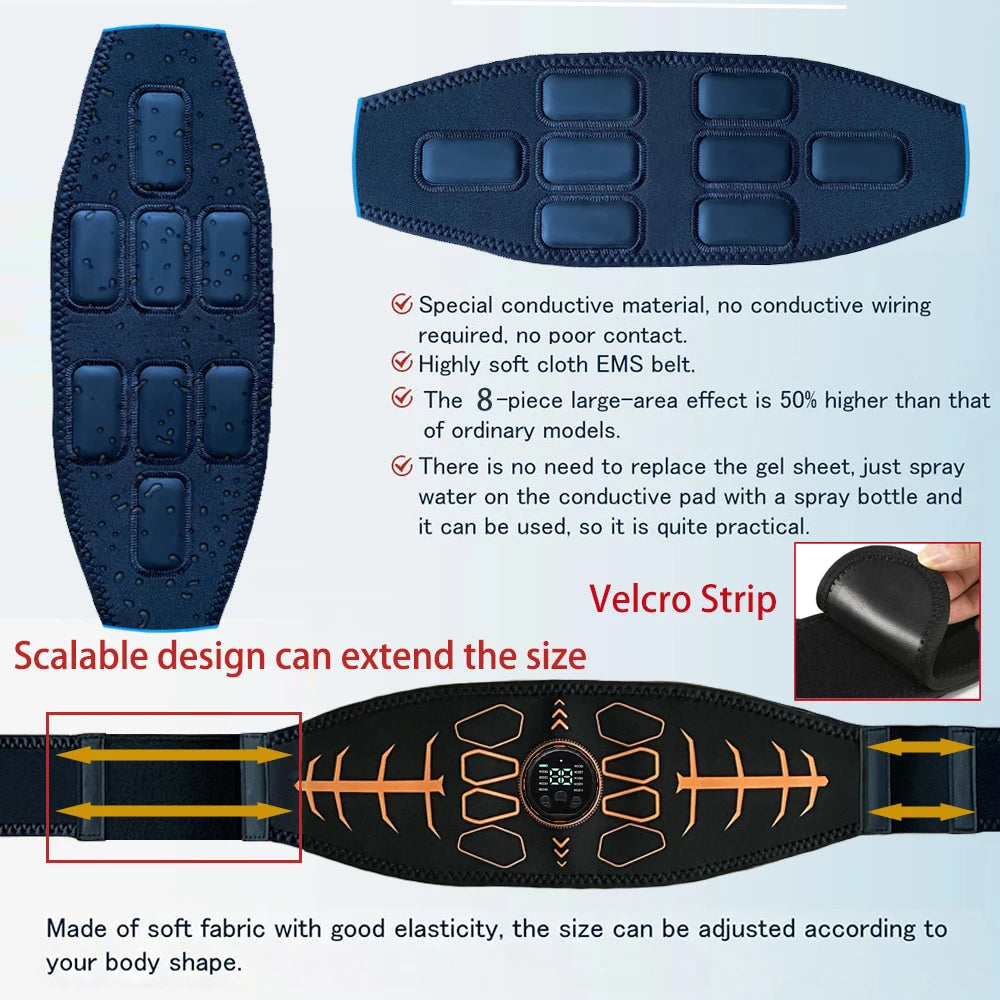
Gentle support for how to lose pregnancy belly fat — See it in action
Which approach actually works when you're tired, busy, and healing? Keep reading—you might be surprised how simple it can be.
Why Post Pregnancy Belly Fat Sticks Around Longer Than Expected
Many women expect their stomach to return to normal soon after delivery, but postpartum recovery involves several biological changes that take time.
Your Uterus Needs Time to Shrink
After birth, the uterus gradually contracts back to its pre-pregnancy size over approximately six weeks. During this period, your abdomen may still appear enlarged even without excess fat.
Abdominal Muscles Stretch During Pregnancy
The growing baby stretches the abdominal wall and connective tissue. These muscles become weaker and often require progressive strengthening before they can effectively support posture and core stability.
Hormones, Sleep, and Stress Affect Fat Loss
Hormonal changes, elevated stress hormones, limited sleep, and the demands of caring for a newborn can slow weight loss while increasing appetite and fatigue. These factors make postpartum fat loss different from traditional weight-loss plans.
Belly Fat vs. Diastasis Recti
Not every postpartum belly is caused by fat. Many women experience diastasis recti, a separation of the abdominal muscles that creates a bulging appearance even at a healthy weight. Strengthening the deep core—not endless crunches—is the recommended first step.
When Can You Exercise After Giving Birth?
Exercise recommendations depend on your recovery, delivery type, and healthcare provider's advice. Returning too quickly may delay healing.
After a Vaginal Birth
Most women can begin gentle walking, breathing exercises, and pelvic floor activation shortly after delivery if there are no complications. More structured exercise is commonly introduced after medical clearance.
After a Cesarean Birth
Recovery typically takes longer after abdominal surgery. Focus on walking, posture, breathing, and incision healing before adding resistance or core exercises.
Signs You're Ready to Progress
- Minimal pain during daily movement
- No increase in vaginal bleeding after activity
- Healthcare provider approval
- Comfortable pelvic floor activation
- Ability to perform basic core engagement without discomfort
How to Lose Pregnancy Belly Fat Without Risking Your Body
Safe postpartum fat loss requires patience, consistency, and a focus on rebuilding strength before pursuing aggressive weight-loss goals.
Start With Daily Walking and Gentle Movement
Walking improves circulation, supports cardiovascular fitness, and burns calories without placing excessive stress on healing tissues. Begin with short walks and gradually increase duration based on comfort and recovery.
- Walking 15–30 minutes daily
- Light stretching or postpartum yoga
- Breathing exercises for core engagement
Follow a Recovery-Friendly Nutrition Plan
Prioritize lean protein, whole grains, vegetables, fruit, healthy fats, and adequate hydration. Restrictive diets can interfere with healing and reduce energy during early motherhood.
- High-protein meals to rebuild muscle
- Hydration for metabolism and energy
- Balanced carbohydrates to prevent fatigue
Breastfeeding and Safe Postpartum Weight Loss
If you are breastfeeding, your calorie needs may remain higher than before pregnancy. Aim for gradual weight loss while maintaining sufficient nutrient intake to support milk production and overall recovery.
Prioritize Sleep and Stress Recovery
Although uninterrupted sleep may be unrealistic, maximizing rest whenever possible helps regulate appetite hormones, supports tissue repair, and improves workout recovery.
How to Strengthen Core After Pregnancy Step-by-Step
Core recovery should progress gradually based on healing rather than rushing into traditional abdominal workouts.
Weeks 0–6: Breathing and Pelvic Floor Activation
Practice diaphragmatic breathing, gentle pelvic floor contractions, and proper posture to reconnect the deep core muscles.
Weeks 6–12: Gentle Core Rebuilding
After medical clearance, introduce heel slides, pelvic tilts, bird dogs, and modified dead bugs while maintaining controlled breathing.
Three to Six Months: Progressive Strength Training
Add resistance exercises, bodyweight squats, bridges, side planks, and functional strength movements that reinforce core stability.
How to Check for Diastasis Recti
- Lie on your back with knees bent.
- Lift your head slightly.
- Place fingers above and below the belly button.
- Feel for separation between the abdominal muscles.
- If concerned, seek evaluation from a women's health physical therapist.
Common Mistakes to Avoid
- Doing crunches too early ❌
- Ignoring pelvic floor weakness ❌
- Progressing despite pain ❌
- Expecting rapid fat loss ❌
- Skipping recovery days ❌
How This Smart EMS Device Helps Activate Core Muscles Effortlessly
Electrical muscle stimulation (EMS) should not replace exercise or rehabilitation. However, when used appropriately alongside medical guidance and a structured recovery program, it may help improve muscle activation and encourage consistent core engagement.
Where EMS Fits Into Recovery
EMS works best as a complement to walking, breathing exercises, progressive strengthening, and healthy nutrition—not as a standalone fat-loss solution.
Devices like a smart EMS abdominal belt send gentle electrical pulses to stimulate muscles, helping some users improve muscle awareness and maintain consistency with rehabilitation routines.
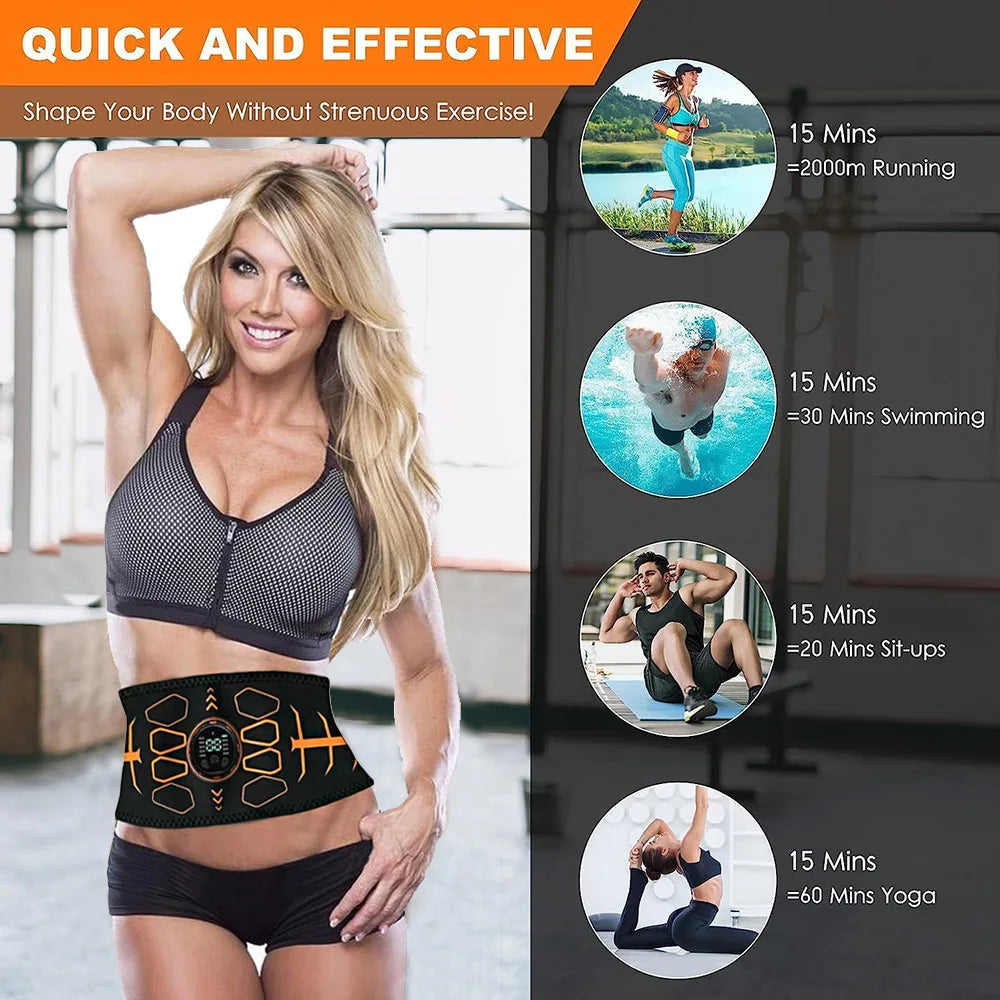
Support how to strengthen core after pregnancy — See it in action
Why Many Moms Are Turning to EMS
- ✅ May help activate deep core muscles
- ✅ Requires minimal time and effort
- ✅ Supports recovery alongside light exercise
- ✅ Convenient for busy schedules
Real Feedback from Users
“I struggled with post pregnancy belly fat not reducing for months. Using this daily while doing chores helped me feel my core engage again—it made a real difference.”
“As a new mom, I had very little energy for workouts. This helped me stay more consistent with my recovery routine.”
Traditional Workouts vs Smart EMS Support
| Method | Effort Level | Time Required | Core Activation |
|---|---|---|---|
| Traditional workouts | High | 30–60 mins | Moderate |
| Light home exercises | Low | 15–30 mins | Moderate |
| EMS support device | Very Low | Passive use | High targeted activation |
Combining progressive exercise with supportive recovery tools often delivers the best long-term outcomes.
A Simple Daily Routine That Actually Fits Mom Life
Sample Morning Routine
- 5 minutes of diaphragmatic breathing
- 20–30 minute walk
- Protein-rich breakfast
- Hydration
Sample Evening Routine
- 10–15 minutes of postpartum core exercises
- Optional EMS session if approved by your healthcare provider
- Gentle stretching
- Prepare balanced meals and snacks for the next day
Following a simple routine consistently is more effective than occasional high-intensity workouts.
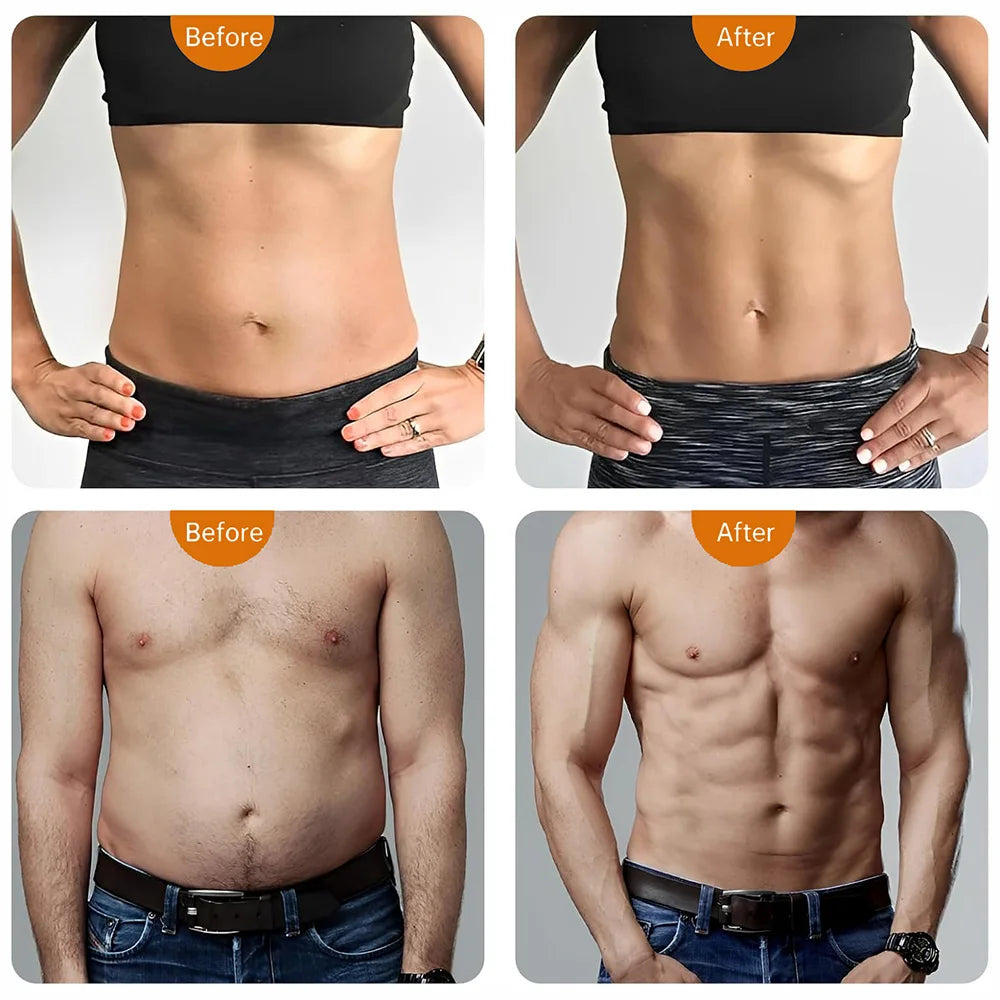
A smarter path for post pregnancy belly fat not reducing — See it in action
When to Talk With a Healthcare Professional
While gradual recovery is normal, certain symptoms deserve medical evaluation before continuing an exercise program.
Symptoms That Need Evaluation
- Persistent abdominal pain
- Heavy bleeding after exercise
- Pelvic pressure or bulging
- Urinary or bowel incontinence
- Large or worsening abdominal separation
- Persistent incision pain after cesarean birth
A healthcare provider or pelvic health physical therapist can recommend an individualized recovery plan if these symptoms occur.
Frequently Asked Questions
How long does it take to lose pregnancy belly fat?
Most women see gradual changes within 6–12 weeks with consistent effort. Recovery varies depending on lifestyle, sleep, breastfeeding status, and core strength rebuilding.
Is it safe to use EMS after pregnancy?
Yes, when used as directed and after medical clearance. It supports muscle activation but should complement—not replace—healthy movement and recovery habits.
Why is my post pregnancy belly fat not reducing?
Common reasons include hormonal changes, weakened core muscles, poor sleep, stress, diastasis recti, and inconsistent routines. Addressing all factors is key to progress.
What if I have no energy for workouts?
Start small. Even short walks, breathing exercises, and supportive tools combined with gradual progression can create noticeable improvements over time.
Can I lose belly fat while breastfeeding?
Yes. Gradual weight loss through balanced nutrition and gentle exercise is generally considered safe for most breastfeeding mothers. Extremely restrictive diets should be avoided.
Will diastasis recti heal on its own?
Mild cases may improve naturally during recovery, but many women benefit from targeted core rehabilitation to restore strength and reduce abdominal separation.
Which exercises should I avoid after pregnancy?
Until your healthcare provider clears you, avoid high-impact workouts, heavy lifting, intense twisting movements, and traditional crunches if you have diastasis recti or pelvic floor symptoms.
Reclaiming your body after pregnancy doesn't require perfection—it requires a safe, evidence-based approach. With consistency, patience, and appropriate support, postpartum recovery becomes both achievable and sustainable.
Pillar Article: How to Build Core Strength at Home in 15 Minutes
Other Related Articles:
- How to Strengthen Core Muscles Without a Gym
- Minute Abs Workout for Beginners: Easy Daily Routine
- Can EMS Build Muscle? Step-by-Step Beginner Guide
Explore More:













