

Can You Do Red Light Therapy Everyday? Safety, Frequency & Expert Guidelines
Wondering whether you can do red light therapy everyday without compromising safety? This evidence-based guide explains whether LED red light therapy works, how often you should use it, the best time of day for treatment, and how combining near infrared and red light therapy may improve results. You'll also learn how to build a safe, consistent routine that matches your health and recovery goals.
Is Red Light Therapy Everyday Safe? (Quick Answer)
Yes—red light therapy is generally safe for daily use when you follow the manufacturer's recommended treatment time, distance, and dosing guidelines. For most healthy adults, low-level light therapy (LLLT), also known as photobiomodulation, is considered non-invasive, does not emit harmful UV radiation, and does not generate enough heat to damage healthy skin when used appropriately.
If you're asking, is red light therapy everyday safe or is it OK to do red light therapy everyday , the answer depends more on the dose than the frequency. Short, consistent sessions typically provide better results than occasional long sessions. Factors such as device power, treatment distance, skin sensitivity, medications, and the area being treated all influence what is considered appropriate daily use.
- ✔ Daily use is generally well tolerated when recommended protocols are followed.
- ✔ Consistency usually produces better long-term results than excessive exposure.
- ✔ Follow your device's instructions for treatment duration and distance.
- ⚠ Stop or reduce frequency if you experience persistent irritation or unusual sensitivity.
Does Doing Red Light Therapy Everyday Work?
Yes. Daily red light therapy can be effective when treatments are appropriately dosed and performed consistently. Research suggests that regular exposure may support skin repair, reduce inflammation, improve muscle recovery, and enhance tissue healing over time. Combining red and near infrared wavelengths may also provide broader benefits by reaching both superficial and deeper tissues.
What Clinical Evidence Shows
Current research on photobiomodulation indicates that repeated treatments often produce better outcomes than sporadic use. While study protocols differ depending on the condition being treated, many clinical trials use multiple sessions per week or daily treatment schedules during the initial phase. The evidence is strongest for improving certain skin concerns, supporting wound healing, and reducing temporary muscle soreness and joint discomfort.
When Daily Use Helps Most
A consistent red light therapy daily routine may be most beneficial for people seeking gradual improvements rather than immediate results. Daily sessions are commonly used for:
- Supporting skin renewal and collagen production.
- Managing temporary muscle soreness after exercise.
- Reducing mild inflammation and promoting recovery.
- Maintaining results after an initial treatment program.
More exposure is not always better. Following the recommended dose allows cells to respond effectively without unnecessary overuse.
Expected Results Timeline
Results vary depending on your treatment goal, overall health, and device quality. Some people notice subtle improvements within one to two weeks, while visible skin changes or longer-term recovery benefits commonly require several weeks of consistent use. Maintaining realistic expectations and following a regular schedule is usually more effective than increasing session length.
⏱ 8 min read
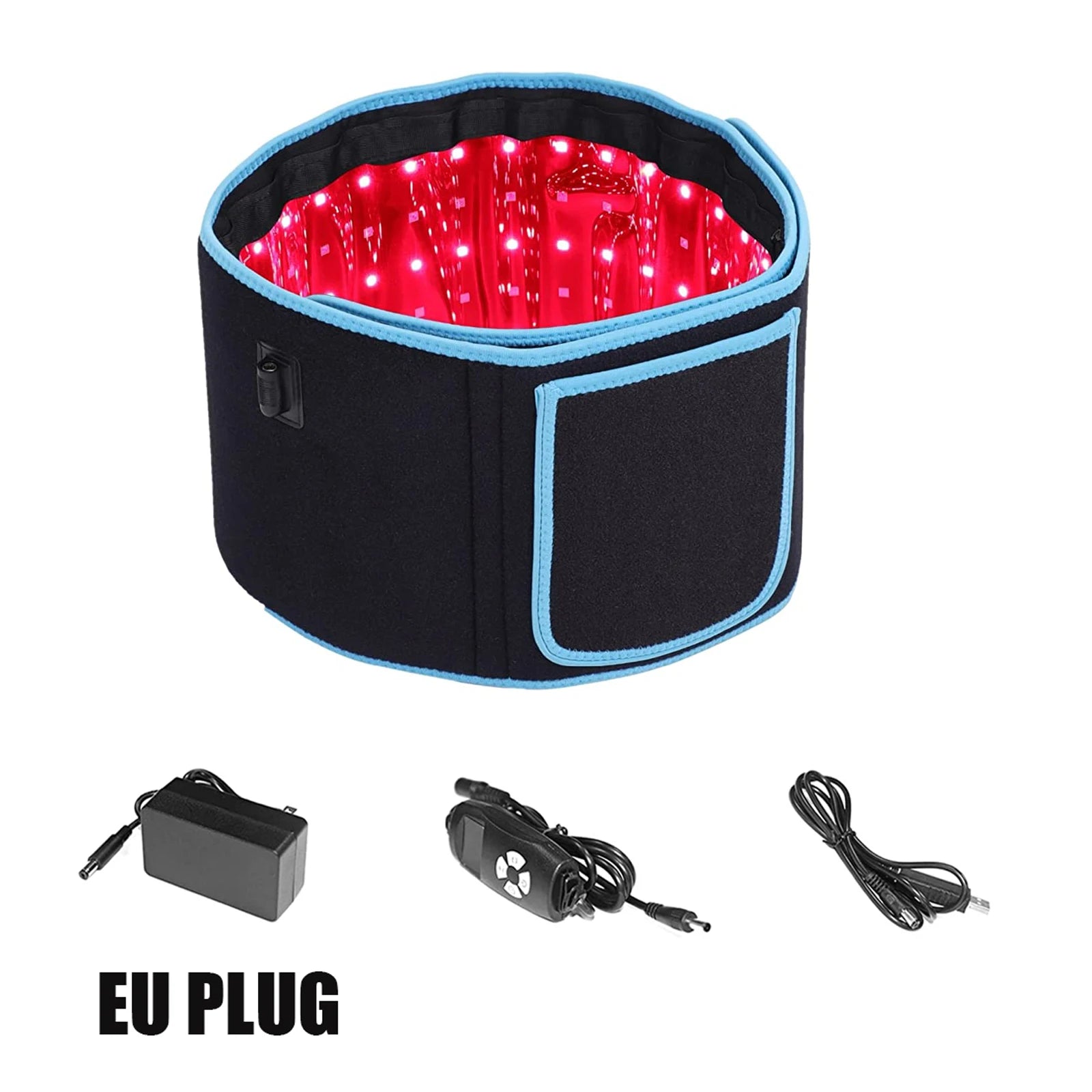
See it in action: daily red light therapy + does LED red light work
How Red Light Therapy Works (Red vs Near Infrared Explained)
What Happens at the Cellular Level
Red light therapy works through a process known as photobiomodulation . Specific wavelengths of visible red and near infrared light are absorbed by light-sensitive molecules inside mitochondria, the structures responsible for producing cellular energy (ATP). Increased ATP production may help support normal cellular repair, reduce oxidative stress, and improve the body's natural recovery processes.
Rather than masking symptoms, properly dosed light therapy aims to support normal biological function, which is why consistent treatment schedules are commonly recommended in clinical protocols.
Red Light vs Near Infrared Differences
Although they are often used together, red and near infrared wavelengths target different tissue depths:
- Red light (630–660nm): Primarily affects the skin's surface and upper layers, making it popular for supporting collagen production, improving skin appearance, and promoting surface healing.
- Near infrared (810–850nm): Penetrates more deeply into muscles, connective tissues, and joints, making it useful for recovery and deeper tissue support.
Using near infrared and red light therapy together allows one treatment session to address both superficial skin tissues and deeper structures.
Why Dose and Frequency Matter
One of the most important principles of red light therapy frequency is that cells respond best to an appropriate energy dose. Sessions that are too short may not deliver enough light to stimulate a response, while excessively long or overly frequent treatments may provide diminishing returns. A consistent schedule using the recommended treatment time, distance, and device settings generally delivers more reliable results than increasing exposure beyond manufacturer guidelines.
Can You Do Red Light Therapy Every Day? Evidence-Based Guidance
Current Research Findings
Current research suggests that you can do red light therapy every day when treatments are appropriately dosed and matched to the condition being treated. Clinical studies investigating photobiomodulation commonly use repeated sessions over several weeks because the biological effects build gradually rather than after a single treatment.
While protocols vary, researchers generally recommend prioritizing consistency over intensity. Improvements in skin appearance, recovery, and temporary pain relief are typically associated with following a structured schedule instead of extending session times. Keep in mind that study designs differ in wavelength, irradiance, treatment duration, and participant populations, so results may not be identical for every device.
At-Home Devices vs Clinical Treatments
Most at-home red light therapy devices are designed with lower power output than professional equipment, making them suitable for regular use when operated according to the manufacturer's instructions. Because they deliver a lower energy dose per session, home devices often require more frequent treatments to achieve gradual results.
Clinical systems generally produce higher irradiance and may treat larger areas in less time. Healthcare providers often schedule these treatments less frequently because each session delivers a greater total dose of light energy.
Daily Use vs Excessive Exposure
If you're wondering whether can you do red light therapy everyday , the key consideration is cumulative dosing rather than frequency alone. More time under the light does not necessarily produce better outcomes. In many cases, exceeding recommended treatment times may provide diminishing benefits and increase the likelihood of temporary skin irritation or discomfort.
Following your device's recommended treatment schedule, allowing adequate recovery between sessions when appropriate, and monitoring your response are safer approaches than extending treatments beyond the manufacturer's guidance.
How Often Should You Use Red Light Therapy? (By Goal)
Skin Rejuvenation
For improving skin tone, supporting collagen production, and reducing the appearance of fine lines, many treatment protocols recommend 3 to 5 sessions per week . Some users choose daily sessions during an initial treatment phase, then transition to a maintenance schedule once desired results are achieved.
Temporary muscle and joint discomfort often respond well to more frequent treatments. Daily sessions are commonly used during periods of active symptoms, particularly when near infrared wavelengths are included to target deeper tissues. Progress should be evaluated over several weeks rather than after only a few treatments.
Muscle Recovery
For athletes and active individuals, red light therapy frequency often depends on training volume. Treatments before or after exercise, or once daily during periods of heavy training, may help support recovery and reduce post-exercise soreness. Consistent scheduling is generally more important than increasing session length.
Hair Growth
Red light therapy devices designed for hair growth commonly recommend treatments several times per week over multiple months. Hair follicles respond slowly, so noticeable improvements usually require patience and consistent adherence to the recommended schedule. Missing occasional sessions is unlikely to eliminate progress, but maintaining a regular routine is important for long-term results.
Safe Daily Red Light Therapy Routine (Step-by-Step)
Daily Routine
- Clean and completely dry the treatment area.
- Position the device at the recommended distance specified by the manufacturer.
- Treat the selected area for the recommended session length, commonly around 10–20 minutes depending on the device.
- Repeat your treatments at approximately the same time each day to build a consistent red light therapy daily routine.
- Record your treatment schedule and any noticeable changes to help monitor progress over several weeks.
Preparing for Treatment
Remove makeup, sunscreen, or heavy skincare products that could interfere with light reaching the skin. Wear comfortable clothing that exposes the treatment area, and ensure the device has adequate ventilation and is operating according to the manufacturer's instructions. If your device recommends protective eyewear, use it during every session.
Common Mistakes to Avoid
- Holding the device significantly closer or farther away than recommended.
- Increasing session time instead of maintaining a consistent schedule.
- Using the device irregularly and expecting rapid results.
- Ignoring the manufacturer's recommended treatment protocol.
- Skipping eye protection when required for your device.

Explore daily routines + near infrared benefits
Best Time of Day to Do Red Light Therapy
Morning vs Night Use
The best time of day to do red light therapy depends on your treatment goals and daily routine rather than a universally "perfect" hour. Current research has not established that one time of day consistently produces superior outcomes, but maintaining a regular schedule may help you stay consistent with treatment.
Morning sessions are often preferred by people focusing on skincare, circulation, or preparing for daily activity. Evening treatments may be more appropriate if your primary goal is post-exercise recovery or relaxation after a physically demanding day.
Timing Based on Goals
- Morning: Complements a skincare routine and may help you establish a consistent daily habit.
- Before exercise: Some athletes incorporate red light therapy as part of their warm-up and performance preparation.
- Post-workout: Commonly used to support muscle recovery and reduce temporary soreness.
- Evening: Often chosen for recovery-focused routines and joint or muscle comfort.
- Consistency: Using your device at approximately the same time each day makes it easier to maintain the recommended treatment schedule.
Potential Side Effects and Risks of Daily Use
Common Side Effects
When used according to manufacturer instructions, red light therapy has a favorable safety profile and is generally well tolerated. Most reported side effects are mild, temporary, and often related to excessive treatment time or incorrect device positioning rather than the light itself.
Possible short-term effects include:
- Temporary skin redness or warmth.
- Mild dryness or tightness.
- Occasional skin irritation in sensitive individuals.
- Temporary discomfort if treatment duration exceeds recommendations.
If symptoms persist beyond a short period or worsen with continued treatment, discontinue use and consult a healthcare professional.
Eye Safety
Red light therapy safety also includes protecting your eyes when appropriate. While many FDA-cleared consumer devices are designed for safe use, some high-intensity systems recommend protective eyewear. Never stare directly into powerful LEDs, and always follow the eye protection guidance provided by your device manufacturer.
Individuals with existing eye conditions or those receiving treatment near the face should discuss appropriate precautions with their healthcare provider if they have concerns.
When to Reduce Frequency
Consider reducing treatment frequency or pausing sessions if you notice:
- Persistent skin irritation or redness.
- Dryness that does not improve between treatments.
- Increased sensitivity after repeated sessions.
- Discomfort despite following the recommended treatment distance and duration.
Rather than extending session times, allow your skin or treated tissues time to recover and reassess your routine according to the manufacturer's recommendations.
Who Should NOT Use Red Light Therapy Every Day?
Medical Conditions
Although red light therapy is considered safe for many healthy adults, daily treatment may not be appropriate for everyone. People with active skin cancers, unexplained skin lesions, severe photosensitivity disorders, or medical conditions requiring specialized care should seek guidance from a qualified healthcare professional before beginning regular treatments.
Medical supervision is especially important if red light therapy is being considered as part of the management of a diagnosed medical condition rather than for general wellness.
Photosensitizing Medications
Certain medications can increase sensitivity to light, potentially raising the risk of skin irritation during treatment. Examples include some antibiotics, retinoids used for acne, specific antifungal medications, and other drugs known to cause photosensitivity.
If you are taking prescription medication and are unsure whether it affects light sensitivity, consult your prescribing clinician or pharmacist before using red light therapy every day.
Pregnancy and Special Populations
There is currently limited high-quality research evaluating daily red light therapy during pregnancy. As a precaution, pregnant individuals should discuss treatment with their healthcare provider before using any red light therapy device.
Children, individuals with implanted medical devices, and people receiving treatment for serious medical conditions should also seek professional medical advice before beginning a frequent treatment schedule to ensure that red light therapy is appropriate for their individual circumstances.
Benefits of Combining Near Infrared and Red Light Therapy
When Combination Therapy Is Helpful
Using near infrared and red light therapy together allows a single treatment session to target multiple tissue depths. Red wavelengths primarily benefit the skin's surface, while near infrared light penetrates deeper into muscles, connective tissues, and joints. This combination is commonly used by people who want to support both skin health and physical recovery without performing separate treatments.
Combination devices may be especially useful for individuals whose goals include improving skin appearance while also addressing post-exercise soreness, temporary joint discomfort, or overall recovery. As with any photobiomodulation protocol, following the recommended treatment duration and distance remains more important than increasing exposure time.
Pros vs Cons
- ✔ Treats both superficial skin and deeper tissues during the same session.
- ✔ May provide broader recovery and wellness benefits than using a single wavelength alone.
- ✔ Convenient for users with multiple treatment goals.
- ⚠ Benefits depend on appropriate wavelength output, device quality, and consistent use.
- ⚠ Higher-powered combination devices still require adherence to manufacturer guidelines.
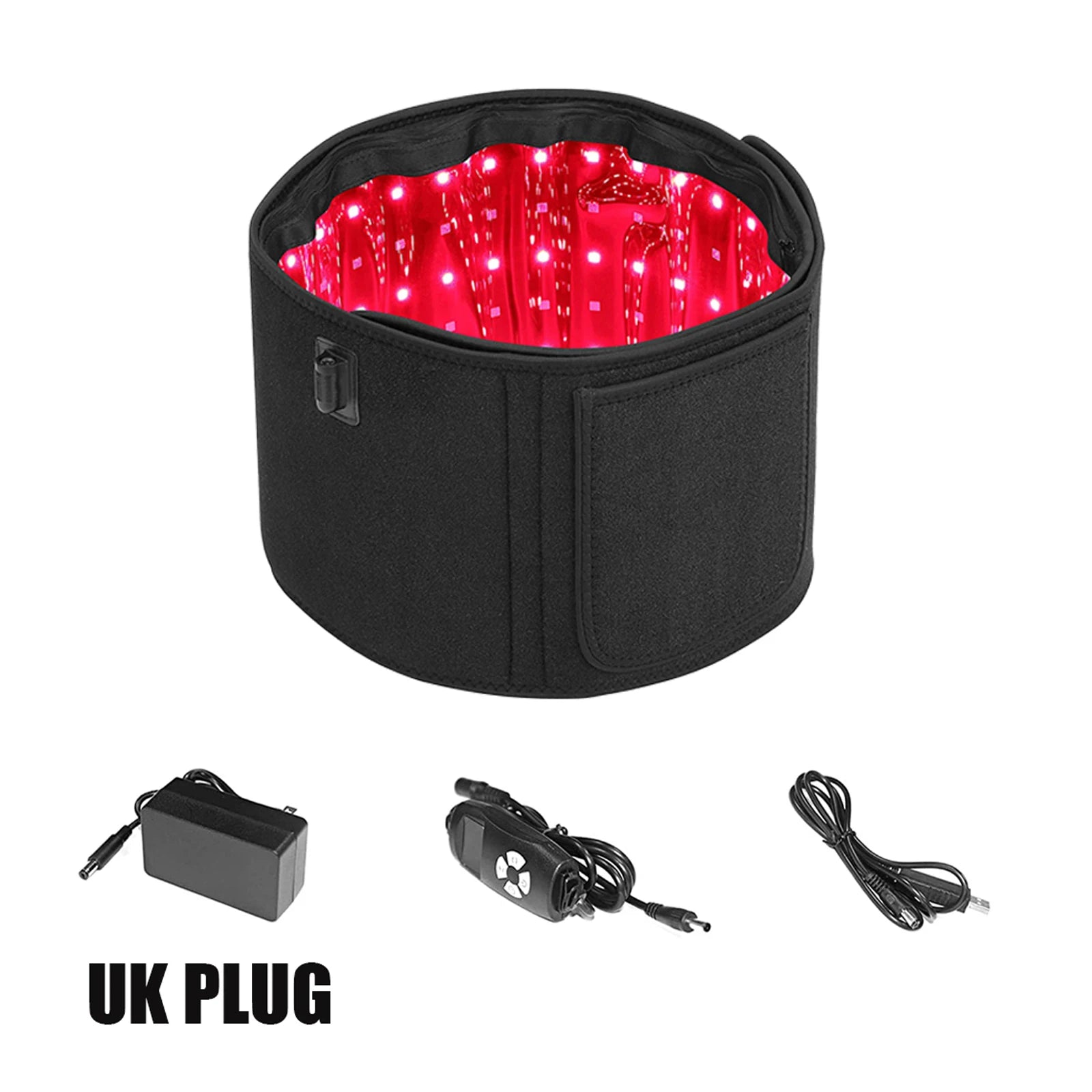
Try consistent daily red light therapy at home
FAQ: Red Light Therapy Everyday Safety & Results
Can you do red light therapy every day safely?
Yes. For most healthy adults, daily treatment is considered safe when you follow the manufacturer's recommended session length, treatment distance, and usage instructions. Appropriate dosing and consistency are generally more important than increasing treatment intensity.
Is it OK to do red light therapy everyday long term?
Long-term use appears to be well tolerated in healthy individuals using properly designed at-home devices according to their instructions. If you have an underlying medical condition, take photosensitizing medications, or experience persistent skin irritation, consult a healthcare professional before continuing daily treatments.
How often should you use red light therapy for skin?
Many skincare protocols recommend three to five sessions per week, while some people begin with daily treatments during the initial phase. Your ideal schedule depends on your device, treatment goals, and how your skin responds over time.
How often should you use red light therapy for pain relief?
Temporary muscle and joint discomfort may benefit from daily or near-daily treatments during active symptoms. Once symptoms improve, many users transition to a maintenance schedule based on their healthcare provider's advice or the manufacturer's recommendations.
Can you overuse red light therapy?
Yes. Although red light therapy has a favorable safety profile, sessions that are longer or more frequent than recommended do not necessarily produce better results. Excessive exposure may increase the likelihood of temporary skin irritation and may reduce treatment efficiency.
What are the signs of too much red light therapy?
Potential signs include persistent redness, unusual skin sensitivity, dryness, warmth that lasts longer than expected, or discomfort after treatment. If these occur, reduce your treatment frequency or pause sessions and review your device instructions.
What is the best time of day to do red light therapy?
The best time depends on your goals. Morning sessions fit well into skincare routines, post-workout treatments may support recovery, and evening sessions are often chosen for relaxation. Consistency is generally more important than the specific time of day.
Should you wear eye protection during red light therapy?
Follow the guidance provided by your device manufacturer. Some consumer devices do not require protective eyewear, while higher-powered systems often recommend it. Avoid looking directly into active LEDs unless your device specifically states it is safe to do so.
Does LED red light therapy really work?
Evidence suggests that LED red light therapy can support skin health, photobiomodulation, temporary pain relief, and recovery when appropriate wavelengths and treatment protocols are used consistently. Results vary depending on the condition being treated, device quality, and adherence to recommended usage.
Can you combine near infrared and red light therapy every day?
Yes. Many combination devices are designed for regular use and can safely deliver both red and near infrared wavelengths in the same session when used according to manufacturer recommendations. Combining the two wavelengths may provide complementary benefits by treating both superficial and deeper tissues.
Pillar Article: How to Use Red Light Therapy at Home: A Step-by-Step Starter Guide
Other Related Articles:
- Red Light Therapy Belt: How to Use It Correctly for Best Results
- Muscle Tension Relief Made Easy: How to Use Red Light for Fast Loosening
- How to Use Red Light Therapy for Weight Loss: A Simple 5-Step Plan
Explore More:
- Is Red Light Therapy Good for Weight Loss? Key Benefits Explained
- Handheld Red Light Therapy Device Reviews: Best Options for Home Use
Final Verdict: Is Daily Red Light Therapy Worth It?
For most healthy adults, the answer is yes— daily red light therapy can be both safe and effective when used correctly. Consistent, appropriately dosed sessions are more likely to deliver meaningful results than longer or more frequent treatments that exceed the manufacturer's recommendations.
Whether your goal is healthier-looking skin, temporary pain relief, muscle recovery, or general wellness, following an evidence-based treatment schedule, selecting a quality device, and monitoring your progress over time will help maximize benefits while maintaining red light therapy safety. If you have a medical condition, are taking photosensitizing medications, or are unsure whether daily use is appropriate, seek guidance from a qualified healthcare professional before beginning a long-term routine.













