Red Light Therapy Belt: How to Use It Correctly for Best Results
A red light therapy belt can be a convenient way to apply red and near-infrared light to targeted areas of the body. Whether you're comparing LifePro red light therapy belt reviews or looking for the best red light therapy belt for home use, the most important factors are proper positioning, device specifications, treatment time, and consistent use. This guide explains how to use a red light therapy belt correctly, what results to realistically expect, and how to use one safely.
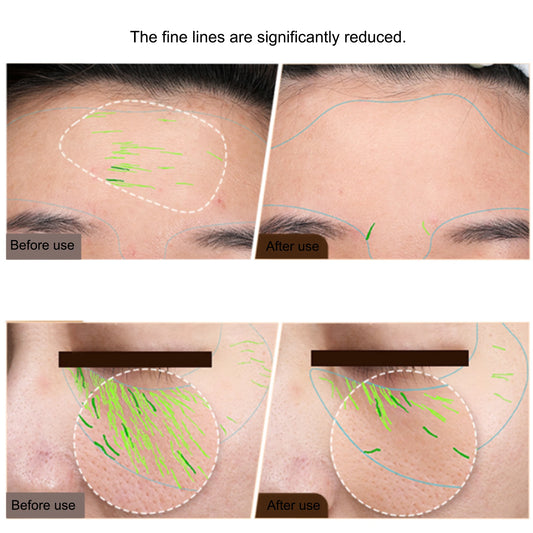
Red light therapy belt benefits revealed – See it in action
Does a Red Light Therapy Belt Really Work?
Yes, a red light therapy belt can work for some goals when the device delivers appropriate light exposure and is used consistently. Red and near-infrared light therapy, also called photobiomodulation, has been studied for applications involving pain, inflammation, tissue recovery, and some skin-related outcomes. However, the results depend on the device's wavelength, power output, treatment distance, session duration, and the specific goal being treated.
A red light therapy belt may support short-term comfort, muscle recovery, circulation, and certain skin-related goals. It should not be viewed as a replacement for medical diagnosis or treatment, and results are not guaranteed for every person or condition.
Realistic expectations matter. Some users may notice temporary comfort or relaxation after early sessions, while other outcomes can require several weeks of consistent use. A red light therapy belt is generally better viewed as a supportive routine rather than an instant solution.
To improve your chances of seeing useful results, follow the manufacturer's instructions instead of assuming that longer or more frequent sessions are automatically better.
How Red Light Therapy Belts Work (Science Explained)
Red light therapy belts use specific wavelengths of visible red and/or near-infrared light to expose targeted tissues to low-level light energy. This process is commonly referred to as photobiomodulation. Light-sensitive cellular structures may respond to this exposure through biological processes associated with cellular signaling and energy production.
Research on photobiomodulation has investigated applications including pain management, inflammation, wound healing, muscle recovery, and skin health. The quality and strength of evidence varies by condition, wavelength, treatment protocol, and device, so a belt should not be treated as a universal therapy.
Red vs Near-Infrared Light
- Red light, commonly around 630–660nm: Primarily used for more superficial targets, including some skin-related applications.
- Near-infrared light, commonly around 800–880nm: Used when the treatment is intended to reach deeper tissues such as muscles and areas around joints.
Many therapy belts combine red and near-infrared wavelengths to provide broader coverage. The exact wavelengths available vary by product, so always check the device specifications rather than relying only on the product category.
Wavelengths, Irradiance & Treatment Distance
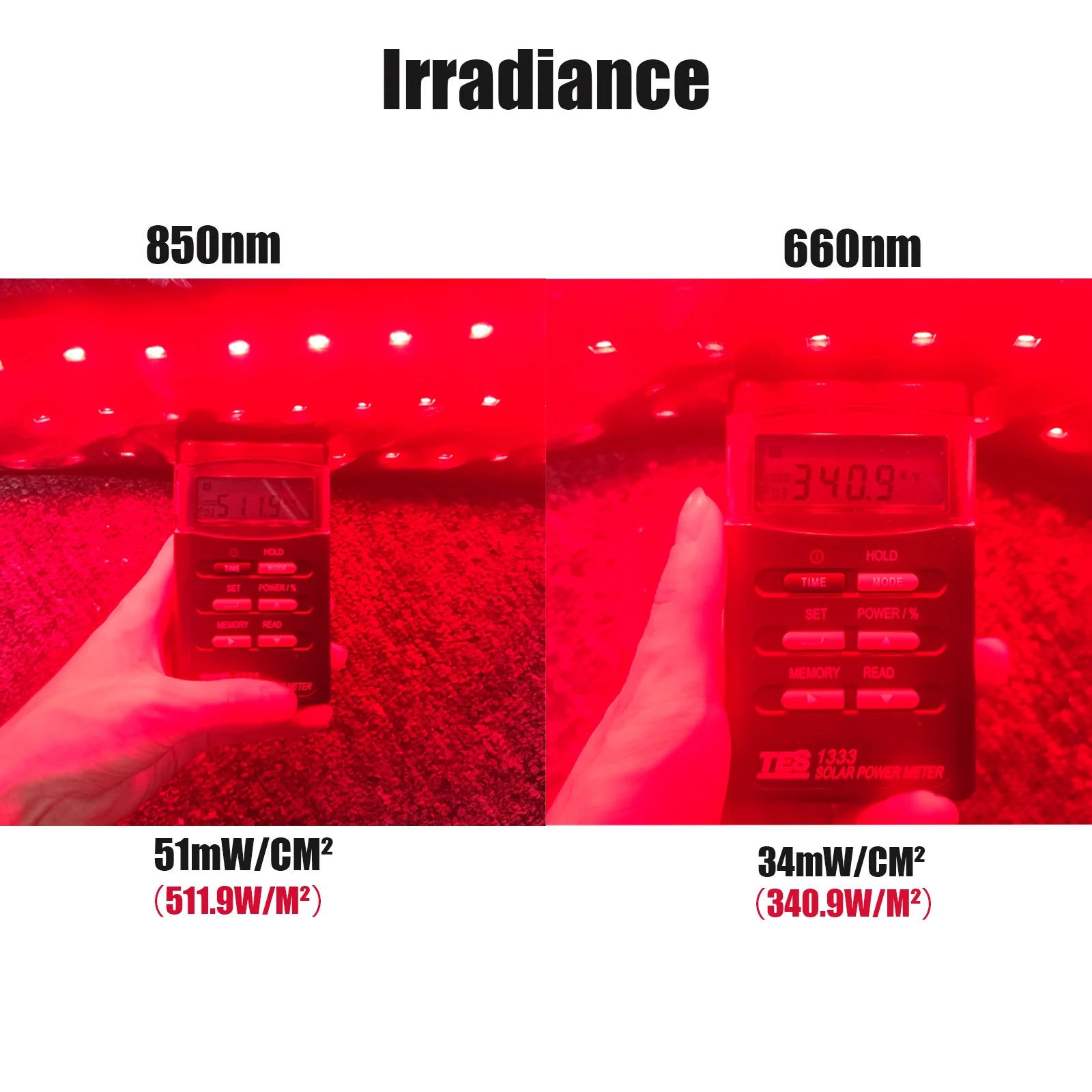
Wavelength is only one part of a red light therapy belt's performance. Irradiance describes the light power delivered to a given area, while treatment distance affects how much light reaches the target. These factors help determine the dose received during a session.
For a wearable belt, the distance is often fixed because the LEDs are positioned close to the body. Even so, devices can differ considerably in power output and coverage. Follow the manufacturer's recommended session length and placement rather than trying to increase exposure by extending sessions beyond the instructions.
Key takeaway: The best red light therapy belt is not necessarily the one with the highest advertised power. A useful device should combine appropriate wavelengths, practical coverage, comfortable positioning, clear instructions, and a treatment routine you can follow consistently.
Red Light Therapy Belt Benefits (By Goal)
Pain Relief & Recovery
Photobiomodulation has been studied for several pain and recovery applications. Depending on the condition and treatment protocol, red and near-infrared light may support comfort and recovery by influencing biological processes related to inflammation, circulation, and tissue repair.
People commonly use a red light therapy belt around areas such as the lower back, muscles, and joints. It may be a useful complementary option for general muscle soreness or stiffness, but persistent or severe pain should be evaluated by a qualified healthcare professional. Learn more in our pain relief guide .
Skin & Circulation
Red light is commonly used in skincare and wellness routines because of its potential effects on cellular activity and skin-related processes. Consistent use may support the appearance of skin texture and tone for some people, although results vary.
Some users also choose light therapy because the warmth and treatment experience can feel relaxing. However, a warm sensation should not be confused with proof that a treatment is working.
Body Contouring & Recovery Expectations
Some red light therapy devices are marketed for body contouring or fat-related goals. Evidence for these applications is more specific to particular technologies and protocols, and a red light therapy belt should not be treated as a standalone weight-loss solution.
For body-related goals, realistic expectations are important. A belt may be used as part of a broader wellness routine, but it cannot replace balanced nutrition, regular physical activity, sleep, or appropriate medical care. For a deeper plan, see this guide .
Step-by-Step: How to Use a Red Light Therapy Belt Correctly
Step 1: Prepare the Skin
Before starting, check the device instructions and prepare the treatment area. Clean, dry skin is generally the simplest setup for direct light exposure. Remove thick products, clothing, or accessories that may block the LEDs unless the manufacturer specifically states that treatment through clothing is acceptable.
Do not use the belt over broken, infected, or actively irritated skin unless a healthcare professional has advised you to do so.
Step 2: Position the Belt
Place the belt over the area you want to treat and secure it comfortably. The LEDs should be positioned according to the manufacturer's instructions. Avoid wrapping the belt so tightly that it causes discomfort, restricted breathing, numbness, or pressure.
A secure fit helps maintain consistent coverage, but tighter does not necessarily mean more effective.
Step 3: Choose Time & Power
Set the session duration and intensity according to the device instructions. Many home-use belts are designed for sessions in the range of 10–20 minutes , but the correct duration depends on the specific device's output and treatment recommendations.
If the belt offers multiple power levels, begin with the manufacturer's recommended setting. Do not assume that the highest intensity or longest session will produce faster results.
Step 4: During Treatment
Remain comfortable and follow the device's instructions while the belt operates. Mild warmth may be normal for some devices, but treatment should not cause significant pain, excessive heat, or a burning sensation.
Do not sleep while using the belt unless the product is specifically designed and approved for that type of use. Avoid covering the device in a way that could interfere with ventilation or safe operation.
Step 5: Aftercare & Cleaning
When the session ends, switch off the device and remove it. Check your skin for unusual or persistent irritation. If your skin feels dry, follow your normal skincare routine unless the manufacturer provides different instructions.
Clean the belt according to the product manual. In general, use only the recommended cleaning method and avoid soaking electronic components. Allow the device to dry completely before storing it in a cool, dry location.

LifePro red light therapy belt reviews highlight practical home use – Learn step-by-step
How Long to Use a Red Light Therapy Belt (Timing & Frequency Guide)
There is no single session length that is correct for every red light therapy belt. The ideal routine depends on the device's specifications, treatment goal, light output, and the manufacturer's instructions.
Pain Relief
For general comfort or targeted pain-related routines, follow the recommended session length for your specific belt. A consistent schedule is usually more practical than occasional, excessively long sessions.
Muscle Recovery
People often use red light therapy after physical activity or on rest days as part of a recovery routine. Use the belt according to the device instructions and avoid adding extra sessions simply because a muscle feels sore.
Skin Health
Skin-related routines typically depend on repeated, consistent exposure rather than a single treatment. Follow the product's recommended frequency and monitor how your skin responds.
Body Contouring
For body-contouring goals, follow the specific protocol supplied with the device. Avoid assuming that longer treatment sessions will lead to greater fat loss or faster changes in body appearance.
Timeline for Results
- Early sessions: Some people may notice temporary warmth, relaxation, or subjective comfort.
- Several weeks: Consistent use may be needed before some users notice meaningful changes in comfort or skin-related goals.
- Longer-term use: Results vary according to the treatment goal, device specifications, and individual response.
Keep a simple record of your routine if you want to evaluate progress more objectively. Comparing how you feel or how your skin looks over time is more useful than expecting a dramatic change after one session.
Placement Guide: Where to Use a Red Light Therapy Belt
Abdomen & Waist
Position the belt around the abdomen or waist when the device is intended for that area. Make sure the LEDs cover the target region evenly and that the belt does not restrict comfortable breathing or movement.
Lower Back
A red light therapy belt can be positioned around the lower back for targeted light exposure. Secure the belt so it remains in place without creating excessive pressure. If back pain is severe, persistent, or associated with other concerning symptoms, seek medical advice rather than relying on home light therapy alone.
Hips & Glutes
Place the belt over the intended muscle area and check that the LEDs maintain consistent contact or distance as directed by the manufacturer. Because body shapes vary, a flexible design may provide more practical coverage than a rigid device.
Knees & Joints
For knees or other joints, position the light-emitting area over the target region according to the device's coverage. Avoid wrapping the belt so tightly that it causes pressure or discomfort.
Shoulders & Neck
Only use a belt around the shoulders or neck if the product is designed for that placement. Avoid positioning bright LEDs directly toward the eyes, and follow any eye-protection guidance supplied with the device. For more information about targeted use, see our guide to red light therapy for the neck .
Red Light Therapy Belt Safety & Precautions
Who Should Avoid Treatment
Talk with a healthcare professional before using red light therapy if you have a condition that makes you unusually sensitive to light, take medications known to increase photosensitivity, or have questions about using light therapy during pregnancy. People with significant medical conditions should also ask their healthcare provider whether this type of device is appropriate.
Safe Usage Rules
- Read and follow the manufacturer's instructions before the first use.
- Do not exceed the recommended treatment duration or frequency.
- Do not use the device over broken, infected, or severely irritated skin unless medically advised.
- Stop using the device if you experience significant pain, excessive heat, or an unusual reaction.
- Keep the device away from water unless it is specifically designed for water exposure.
- Use eye protection when the manufacturer recommends it or when the light could be uncomfortably bright near the eyes.
Clothing, Skin Contact & Eye Protection
Whether you can wear clothing under a red light therapy belt depends on the device. Direct exposure to the LEDs may be recommended for some products, while others may allow use over thin clothing. Check the instructions for your specific model.
Do not look directly into bright LEDs. If treatment is performed near the face or eyes, follow the manufacturer's eye-safety guidance carefully.
Possible Side Effects
Red light therapy is generally well tolerated when used as directed, but temporary warmth or mild skin redness can occur. Stop treatment and seek appropriate medical advice if you develop a concerning or persistent reaction.
For a broader overview of precautions, see our red light therapy safety guide .
Common Mistakes to Avoid
Using Sessions That Are Too Long
Longer sessions are not automatically better. Excessive exposure may increase the chance of unwanted warmth or irritation without guaranteeing improved results. Follow the recommended treatment time.
Poor Belt Placement
If the belt shifts during treatment, part of the target area may receive less consistent exposure. Position the device carefully and secure it comfortably before starting.
Inconsistent Routine
Using a belt once and then waiting weeks before the next session makes it difficult to evaluate whether the routine is helping. Follow a consistent schedule appropriate for the device and your goal.
Expecting Instant Results
Red light therapy is not an instant fix. Some effects may be noticed quickly, while other goals require repeated use over time. Set realistic expectations and evaluate progress gradually.

Optimize your red light therapy belt benefits – Get yours today
Choosing the Best Red Light Therapy Belt
The best red light therapy belt is the one that matches your intended use, provides clear specifications, fits comfortably, and has instructions you can realistically follow. Compare the following features before buying.
Key Features to Compare
- Wavelengths: Check which red and near-infrared wavelengths are provided and whether they match your intended use.
- Power output and irradiance: Look for clear technical information rather than relying only on broad marketing claims.
- Coverage: A wider belt may be more convenient for larger areas, while a smaller design may be easier to position precisely.
- Fit and comfort: Adjustable straps and a secure, comfortable design make consistent use easier.
- Controls and timer: Simple controls and an automatic timer can make it easier to follow the recommended session length.
- Portability: A rechargeable or flexible design may be useful if you want to use the device in different locations.
- Cleaning and maintenance: Choose a design with clear care instructions and materials that are practical to maintain.
Who Should Buy Which Type
Choose a flexible wearable belt if you want hands-free use and coverage around larger areas such as the waist or lower back.
Choose a compact wrap or smaller device if you prefer targeted treatment or need a more portable option.
Choose a higher-feature device if you want more control over settings, treatment programs, or coverage and are willing to compare specifications more carefully.
For a broader look at available options, explore red light therapy belt options .
FAQ: Red Light Therapy Belt Usage Guide
How often should I use a red light therapy belt?
Many home-use devices are used several times per week, but the correct frequency depends on the manufacturer's instructions, device output, and treatment goal. Follow the recommended schedule rather than assuming daily use is necessary.
Can I use a red light therapy belt every day?
Some devices may be designed for frequent use, while others recommend rest days between sessions. Check your specific product instructions before using a red light therapy belt every day.
How long should each session last?
Session length varies by device. Many home-use belts recommend approximately 10–20 minutes, but you should follow the specific instructions for your model and avoid extending sessions beyond the recommended duration.
Should the belt touch bare skin?
It depends on the device. Some belts are designed for direct skin contact, while others may allow use over thin clothing. Check the manufacturer's instructions because fabric can affect the amount of light reaching the skin.
Can I move while wearing the belt?
Light movement may be possible with some wearable belts, but avoid strenuous activity unless the device is specifically designed for that use. Movement can also shift the belt and change coverage.
When will I see results?
Results vary by person, device, and treatment goal. Some users may notice temporary comfort early, while other changes can require several weeks of consistent use. There is no guaranteed timeline for results.
Is it safe to use before bed?
Some people may prefer using a red light therapy belt in the evening, but follow the device instructions and avoid falling asleep while wearing it unless the product is specifically designed for overnight use. If the light is used near your face, follow the manufacturer's eye-safety guidance.
Can you wear clothes under a red light therapy belt?
Only if the device instructions allow it. Direct exposure may be recommended for some belts, while thin clothing may be acceptable for others. Clothing can reduce the amount of light reaching the skin.
What wavelength is best for a red light therapy belt?
There is no single wavelength that is best for every goal. Red wavelengths are commonly used for more superficial applications, while near-infrared wavelengths are commonly selected for deeper tissue targets. The overall treatment protocol and device specifications also matter.
Can I use a red light therapy belt twice a day?
Do not automatically double your sessions. Twice-daily use should only be considered if the manufacturer's instructions specifically support that frequency or a qualified healthcare professional recommends it.
Can I exercise while wearing a red light therapy belt?
It depends on the design and instructions. Avoid strenuous exercise while wearing a device unless it is specifically intended for use during activity. Exercise can also cause the belt to shift or become excessively warm.
Should I use the belt before or after a workout?
Either may be appropriate depending on your goal and the device instructions. Some users prefer incorporating light therapy into a post-workout recovery routine, while others use it separately from exercise. Consistency and following the manufacturer's recommended protocol are more important than choosing a universally “best” time.
How do I clean and store a red light therapy belt?
Follow the product's cleaning instructions. Use only recommended cleaning materials, avoid soaking electronic components, allow the device to dry fully, and store it in a cool, dry place away from excessive heat and moisture.
Pillar Article: How to Use Red Light Therapy at Home: A Step-by-Step Starter Guide
Other Related Articles:
- Muscle Tension Relief Made Easy: How to Use Red Light for Fast Loosening
- How to Use Red Light Therapy for Weight Loss: A Simple 5-Step Plan
- Can You Do Red Light Therapy Everyday? Safe Routine Guide
Explore More: