

How to Use Red Light Therapy at Home: A Step-by-Step Starter Guide
Knowing how to use red light therapy at home correctly can make a meaningful difference in your results. Whether your goal is healthier-looking skin, faster post-workout recovery, temporary relief from minor muscle soreness, or support for body-contouring efforts, success depends on choosing an appropriate device, following the recommended treatment protocol, and staying consistent. This guide explains how to use red light therapy safely, what to expect from home devices, and how to build a routine that fits your goals.
Does Red Light Therapy Work at Home?
Yes—red light therapy can be effective at home when used consistently with a quality device and the manufacturer's instructions. Most home units use the same clinically studied wavelength ranges as professional systems—typically 630–660 nm for red light and 810–880 nm for near-infrared light—but generally operate at lower power levels, which often means longer or more frequent sessions are needed.
What research shows
Red light therapy, also called photobiomodulation, has been studied for supporting skin rejuvenation, collagen production, exercise recovery, circulation, and temporary relief of minor aches. Research suggests that regular exposure to the appropriate wavelength and energy dose is more important than occasional high-intensity treatments. Home devices can deliver meaningful benefits, although results are usually gradual rather than immediate.
How to use red light therapy correctly matters just as much as the device itself. Treatment distance, session duration, and consistency all influence the amount of light reaching the target tissue.
Who benefits most
Home red light therapy is generally best suited for people who are willing to follow a regular routine over several weeks. It may be particularly useful for those looking to:
- Support healthier-looking skin and collagen production
- Reduce post-exercise muscle soreness and aid recovery
- Help manage mild joint or muscle discomfort
- Complement a healthy lifestyle for body-contouring goals
Compared with in-clinic treatments, home devices offer greater convenience and lower long-term cost, while professional systems may deliver higher power output and shorter treatment times. Regardless of device type, realistic expectations and consistent use produce the best outcomes.
See it in action: portable red light therapy machine targeting key treatment areas.
How Red Light Therapy Works (Simple Science Explained)
Red light therapy works through a process known as photobiomodulation . Specific wavelengths of visible red and near-infrared light are absorbed by structures inside your cells called mitochondria, which produce ATP—the energy your cells use to repair, regenerate, and function efficiently.
By supporting normal cellular energy production, the red light method may help promote tissue repair, improve circulation, reduce inflammation, and encourage natural collagen production. The treatment does not heat or damage tissue when used according to recommended guidelines.
Key Benefits
- Supports collagen production for smoother, firmer-looking skin
- Helps reduce inflammation and post-exercise muscle soreness
- Promotes healthy circulation and tissue recovery
- May complement body-contouring programs when paired with healthy diet and exercise
Red light vs near-infrared wavelengths
Although often grouped together, red light and near-infrared light serve slightly different purposes.
- Red light (630–660 nm): Primarily targets the skin's surface, making it a popular choice for skincare, collagen support, and improving overall skin appearance.
- Near-infrared light (810–880 nm): Penetrates deeper beneath the skin and is commonly used for muscles, joints, connective tissue, and recovery applications.
Penetration depth by treatment goal
Choosing the right wavelength depends on what you are trying to treat rather than assuming one light works for everything.
- Facial skincare: Red wavelengths are typically preferred.
- Muscle recovery and joint support: Near-infrared wavelengths generally reach deeper tissues.
- Combination goals: Devices offering both wavelength ranges provide greater versatility for whole-body use.
How to Prepare for Red Light Therapy at Home
Learning how to prepare for red light therapy before each session helps maximize light exposure while improving comfort and consistency.
Before your first session
Choose a clean, well-ventilated area where you can remain comfortable throughout treatment. Read your device instructions before the first use so you understand the recommended treatment distance, session length, and positioning.
- Clean your skin: Remove makeup, sunscreen, heavy creams, and oils that may reduce light exposure.
- Hydrate: Well-hydrated skin may respond better during regular treatment.
- Use a consistent schedule: Performing sessions at the same time each day makes it easier to stay consistent.
- Prepare the treatment area: Position the device securely before beginning your session.
If you use active skincare ingredients such as retinoids or strong exfoliating acids, wait until after treatment to apply them unless your healthcare provider or product instructions recommend otherwise.
Eye protection and clothing
Eye protection is recommended whenever the treatment area is close to your eyes or when using higher-intensity devices. Wear comfortable clothing that exposes the treatment area while covering areas you are not treating.
Postpone treatment if you have an open wound that has not been medically cleared, an active skin infection in the treatment area, or you are taking medications known to increase light sensitivity without first consulting your healthcare provider.
Choosing the Right Device
Selecting the right device depends on your treatment goals, the size of the area you want to treat, and how often you plan to use it. Learning how to use a red light device effectively starts with choosing equipment that matches your routine rather than simply purchasing the most powerful option.
- Panels: Best for full-body sessions, treating multiple areas at once, and users who want shorter treatment times.
- Handheld devices: Well suited for targeted treatment of the face, hands, knees, shoulders, and other smaller areas.
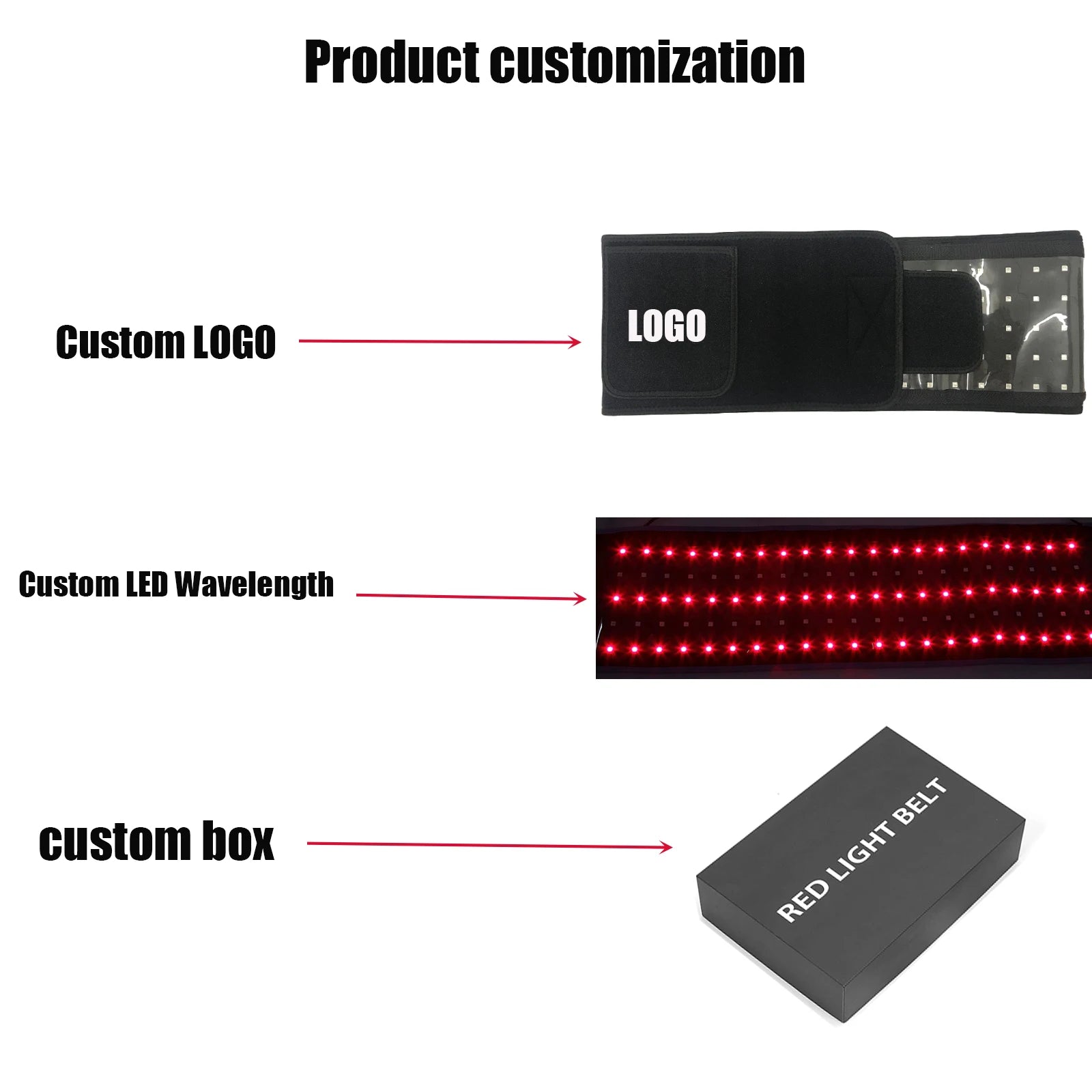
- Wearable belts: Convenient for the abdomen, waist, hips, thighs, and lower back because they remain in position during treatment.
- LED masks: Designed specifically for facial treatments and consistent coverage across the skin.
When comparing devices, prioritize clinically relevant wavelengths (630–660 nm and/or 810–880 nm), published irradiance or power output, treatment coverage, build quality, and ease of use. A device that fits comfortably into your schedule is more likely to deliver consistent long-term results.
Comparison Table: Popular Home Devices
| Device | Wavelength | Portability | Best For | Price |
|---|---|---|---|---|
| KentDO Red Light Therapy Belt | 850 nm | High | Fat loss & body contouring | $$$ |
| Mito Red Light MitoADAPT Panel | 630–850 nm | Low | Full-body therapy | $$$ |
| Hooga Red Light Therapy Device | 660 nm | Moderate | Skin & recovery | $$ |
| Project E Beauty LED Mask | 630 nm | High | Facial skincare | $$ |
Panel vs handheld vs mask
Each device type offers distinct advantages depending on how you plan to use red light therapy.
- Panels provide the widest treatment coverage and are ideal for athletes, recovery, or treating multiple body regions.
- Handheld units allow precise positioning and work well for localized discomfort or smaller skin concerns.
- LED masks deliver even facial coverage without requiring manual positioning during treatment.
- Wearable belts make it easier to complete longer sessions while moving around the home, making them practical for waist and abdominal treatments.
Step-by-Step Guide: How to Use Red Light Therapy at Home
Step 1: Clean Skin & Setup
Begin each session with clean, dry skin free of heavy creams or makeup. Position your device securely on a stable surface or fasten wearable devices so they maintain even contact throughout the treatment. Set a timer if your device does not include one.
Step 2: Set Distance & Position
Maintain the manufacturer-recommended treatment distance, which is commonly between 6 and 12 inches (15–30 cm) for panels and handheld devices. Keep the treatment area directly facing the light to maximize exposure, and avoid changing positions frequently during the session.
Step 3: Session Duration by Body Area
- Face: 5–10 minutes
- Joints or localized discomfort: 10–15 minutes
- Large muscle groups: 10–20 minutes
- Abdomen or body-contouring areas: 10–20 minutes
If you are new to red light therapy, begin with shorter sessions and gradually increase treatment time according to your device's recommendations.
Step 4: Frequency & Weekly Schedule
- Beginners: 3–4 sessions per week
- Experienced users: 5–7 sessions per week when appropriate for the treatment goal
- Maintain a consistent schedule instead of increasing session length unnecessarily
If you are wondering what step should I do red light therapy in your daily routine, most people perform it after cleansing the treatment area and before applying skincare products or beginning post-workout recovery.
Step 5: Track Progress & Adjust
Record your treatment dates, session length, and the area treated. Taking weekly photos or notes helps you evaluate gradual improvements that can be difficult to notice from day to day. If progress stalls, review your treatment distance, schedule, and device positioning before increasing session time.
See it in action: consistent red light therapy sessions using proper technique.
How Long & How Often to Use Red Light Therapy
Most home treatments last between 5 and 20 minutes per treatment area. The ideal schedule depends on your goals, your device's power output, and how consistently you follow the recommended protocol.
Recommended schedule by goal
| Goal | Session Length | Recommended Frequency |
|---|---|---|
| Facial skincare | 5–10 minutes | 3–5 times per week |
| Pain relief | 10–15 minutes | 4–7 times per week |
| Muscle recovery | 10–20 minutes | After training or 3–7 times per week |
| Hair growth support | 10–20 minutes | 3–5 times per week |
| Maintenance | 5–10 minutes | 2–3 times per week |
Using red light therapy more frequently than recommended will not necessarily improve outcomes. Consistent sessions with the proper distance and duration are generally more effective than longer or excessive treatments.
How to Use Red Light Therapy for Weight Loss
Many people are interested in how to use red light therapy for weight loss, but it is important to have realistic expectations. Current research suggests that red light therapy may temporarily affect fat cells and support body-contouring efforts when combined with regular exercise and a balanced diet. It should not be viewed as a standalone weight-loss treatment.
Evidence and realistic expectations
The greatest benefits are typically seen when red light therapy is used as part of a comprehensive wellness plan. Consistent sessions, healthy nutrition, strength training, and cardiovascular exercise work together to support long-term body composition changes.
- Treat target areas such as the abdomen, thighs, hips, or upper arms.
- Schedule sessions 3–5 times per week using the recommended treatment duration for your device.
- Perform light cardio or resistance training before or after treatment to complement your routine.
- Maintain a calorie-controlled, nutrient-rich diet to support sustainable fat loss.
- Track waist, hip, or thigh measurements every two to four weeks instead of relying only on body weight.
This approach is often referred to as the red light method . While some users notice gradual improvements in body contour, results vary depending on lifestyle, treatment consistency, and individual factors.
Safety Guidelines & Who Should Avoid It
Red light therapy is generally considered safe when used according to manufacturer recommendations, but following proper precautions helps minimize unnecessary risks.
Contraindications
- Always follow your device's recommended treatment distance and session duration.
- Wear appropriate eye protection when treating areas near the eyes or when instructed by the manufacturer.
- Avoid treating open wounds, active infections, or suspicious skin lesions unless advised by a healthcare professional.
- Consult your healthcare provider before use if you are pregnant or managing a serious medical condition.
- Stop treatment and seek medical advice if you experience persistent discomfort or unexpected skin reactions.
Medication interactions
Certain medications and topical treatments can increase sensitivity to light. Speak with your healthcare provider before using red light therapy if you take medications known to cause photosensitivity, including some antibiotics, acne medications, diuretics, or herbal supplements such as St. John's wort.
People with a history of light-sensitive conditions or those undergoing medical treatments that affect the skin should also obtain professional guidance before beginning therapy.
Tips to Maximize Your Results
Small daily habits often have a greater impact than increasing treatment time. Building a routine that you can maintain consistently is one of the most effective ways to improve long-term outcomes.
Daily habits that improve consistency
- Schedule treatments at the same time each day or on the same days each week.
- Stay well hydrated before and after each session.
- Take progress photos and body measurements every one to two weeks under similar lighting conditions.
- Follow the recommended treatment distance and session length instead of extending sessions unnecessarily.
- Allow your body adequate recovery time when combining red light therapy with intensive exercise.
- Keep your device clean and inspect it regularly to ensure consistent performance.
- Pair your routine with other wellness tools from Body Care and Health Devices for better outcomes.
Remember that the red light method delivers its best results through patience and consistency. Regular sessions performed correctly are typically more effective than occasional long treatments or excessive use.
Common Mistakes to Avoid
Even a high-quality device may produce disappointing results if it is not used correctly. Avoiding these common mistakes will help you get the most from your home treatment routine.
Troubleshooting poor results
- Using the wrong distance: Staying too far from the device reduces the amount of light reaching the treatment area. Follow your manufacturer's recommended distance.
- Following an inconsistent schedule: Skipping sessions frequently is one of the biggest reasons people fail to see noticeable improvements.
- Expecting instant results: Most benefits develop gradually over several weeks of consistent use rather than after one or two sessions.
- Using unsuitable devices: Choose a device with clinically relevant wavelengths and sufficient treatment coverage for your goals.
- Treating for too long: Longer sessions do not necessarily improve outcomes and may increase the risk of skin irritation.
- Poor positioning: Keep the treatment area directly facing the light throughout each session for even exposure.

See it in action: correct positioning and timing for optimal results.
Results Timeline: What to Expect
How quickly you notice results depends on your treatment goal, device quality, session consistency, and individual response. While some people observe subtle improvements within the first few weeks, most benefits become more noticeable with regular use over several months.
Week-by-week progress
- Weeks 1–2: Skin may appear brighter, while some users notice reduced post-workout soreness and improved recovery.
- Weeks 3–6: More noticeable improvements in skin texture, inflammation, muscle recovery, and mild joint discomfort may develop.
- Weeks 6–12: Continued improvements in fine lines, skin tone, recovery, and body-contouring goals may become more apparent with consistent use.
- Beyond 12 weeks: Maintenance sessions help support long-term skin health and recovery. Hair growth applications often require several months of regular treatment before visible changes occur.
Consistency remains the single most important factor influencing how to use red light therapy successfully at home.
FAQ: Red Light Therapy at Home
Can you overuse red light therapy?
Yes. Longer or more frequent sessions are not necessarily more effective and may increase the risk of temporary skin irritation. Follow your device's recommended treatment schedule.
How far should the device be from skin?
Most home devices are designed to be used approximately 6–12 inches (15–30 cm) from the skin, although the ideal distance depends on the device's power output and manufacturer recommendations.
Can I use red light therapy daily?
Many home devices can be used daily for shorter sessions. Always follow the recommended frequency provided by the manufacturer rather than extending treatment unnecessarily.
Does red light therapy help with fat loss?
Red light therapy may support body-contouring efforts when combined with regular exercise and a balanced diet. It should be viewed as a complementary wellness tool rather than a replacement for healthy lifestyle habits.
Should I apply skincare before or after treatment?
It is generally best to perform treatment on clean, dry skin. Apply moisturizers, serums, or other skincare products after your session unless your dermatologist recommends a different routine.
Do I need eye protection at home?
Eye protection is recommended when treating areas near the eyes or when using higher-powered devices if the manufacturer advises it. Avoid looking directly into bright LEDs during treatment.
What step should I do red light therapy in my skincare routine?
For most people, red light therapy fits best immediately after cleansing and before applying moisturizers or treatment products. This allows light to reach the skin without interference from heavy creams or makeup.
How many minutes should each red light therapy session last?
Most home treatments last between 5 and 20 minutes per treatment area, depending on the body region, device power, and intended use.
How many days a week should I use red light therapy?
Three to five sessions per week is suitable for many treatment goals, while some recovery protocols recommend more frequent use. Consistency is generally more important than increasing session length.
What is the ideal distance from the device?
Follow the instructions for your specific device. Many home systems recommend maintaining a distance of 6–12 inches (15–30 cm) for optimal light delivery.
Can I use red light therapy twice a day?
Some devices allow twice-daily treatments for certain applications, but exceeding the manufacturer's recommended schedule is unlikely to produce faster results.
Should I wear eye protection during treatment?
Protective eyewear is a good precaution whenever treating near the eyes or when recommended by the device manufacturer.
Can I combine red light therapy with exercise for weight loss?
Yes. Combining regular exercise, balanced nutrition, and consistent red light therapy sessions is a practical approach for those pursuing body-contouring and overall wellness goals.
How long does it take to see results from home red light therapy?
Some users notice subtle changes within two to four weeks, while more visible improvements in skin appearance, recovery, or body contouring often require six to twelve weeks of regular treatment.
Related Articles:
- Red Light Therapy Belt: How to Use It Correctly for Best Results
- Muscle Tension Relief Made Easy: How to Use Red Light for Fast Loosening
- How to Use Red Light Therapy for Weight Loss: A Simple 5-Step Plan
- Can You Do Red Light Therapy Everyday? Safe Routine Guide
Pillar Articles:













