

Red Light Therapy for Muscle Tension: Science, Benefits, and How to Use It Effectively
Red light therapy for muscle tension has become an increasingly popular at-home recovery option for people dealing with stiff shoulders, tight back muscles, post-workout soreness, or chronic muscle discomfort. By supporting your body's natural healing processes at the cellular level, photobiomodulation may help reduce muscle pain, improve circulation, and promote faster recovery when used consistently alongside stretching, mobility work, or exercise.
In this guide, you'll learn what current research says about red light therapy for muscle pain, how it works inside muscle tissue, who is most likely to benefit, and how to use it safely for the best results.
⏱ 7–9 min read
Muscle tension relief made easier with targeted red light therapy.
Does Red Light Therapy Help Muscle Tension?
Yes. Current research suggests that red light therapy can help reduce muscle tension by supporting circulation, decreasing inflammatory activity, and improving cellular energy production. While it is not a cure for every cause of muscle pain, it can be an effective non-invasive option for tight muscles caused by overuse, poor posture, exercise, or prolonged sitting.
What the Research Says About Muscle Relaxation
Clinical studies on photobiomodulation indicate that red and near-infrared light may improve muscle recovery, reduce delayed onset muscle soreness (DOMS), and lessen muscle stiffness after physical activity. These benefits are thought to result from improved mitochondrial function, enhanced blood flow, and reduced oxidative stress, allowing muscle tissue to recover more efficiently.
Although individual responses vary, the strongest evidence supports using red light therapy consistently over multiple sessions rather than expecting immediate results after a single treatment.
When It Works Best (And When It Doesn't)
Red light therapy works best for functional muscle tightness associated with repetitive movement, exercise recovery, prolonged desk work, stress-related muscle tension, or mild soft tissue inflammation. Many people notice gradual improvements in flexibility, comfort, and recovery when treatments are combined with stretching and regular movement.
However, it is not intended to replace medical evaluation for symptoms caused by conditions such as nerve compression, muscle tears, fractures, infections, or severe joint disorders. Persistent pain, weakness, numbness, or loss of function should be assessed by a qualified healthcare professional.
Muscle Tension vs Muscle Soreness vs Chronic Pain
Understanding the source of your discomfort helps set realistic expectations for treatment:
- Muscle tension refers to persistent tightness or muscle guarding, often related to posture, stress, or repetitive activity.
- Muscle soreness commonly develops after unfamiliar or intense exercise and usually improves within several days.
- Chronic pain lasts for weeks or months and may involve multiple factors, including inflammation, nerve sensitivity, or underlying medical conditions.
Red light therapy may support recovery across all three situations, but the greatest benefits are typically seen when muscle tightness is related to recovery, circulation, or soft tissue function rather than structural injury.
How Red Light Therapy Works for Muscle Pain and Tightness
Cellular Energy (ATP) and Muscle Recovery
Red light therapy works through a process called photobiomodulation. Specific wavelengths of light are absorbed by mitochondria—the energy-producing structures inside your cells. This stimulates production of adenosine triphosphate (ATP), the primary energy source used for cellular repair and normal muscle function.
Greater ATP availability may help muscle fibers recover more efficiently after exercise or prolonged tension, supporting relaxation while reducing recovery time.
Blood Flow, Oxygenation, and Tissue Repair
Improved microcirculation is another important mechanism behind red light therapy for muscle pain. Increased blood flow delivers oxygen and nutrients to stressed muscle tissue while helping remove metabolic by-products that contribute to stiffness and fatigue. Better circulation also supports tissue repair and healthy recovery following repetitive activity.
Inflammation Reduction and Pain Signaling
Photobiomodulation may help regulate inflammatory pathways involved in muscle discomfort while also influencing pain signaling within affected tissues. By reducing excessive inflammation without generating heat, red light therapy can complement recovery strategies for both acute soreness and recurring muscle tightness.
660nm vs 850nm: Which Wavelength Reaches Muscle?
Different wavelengths penetrate tissue to different depths and are often combined in modern recovery devices:
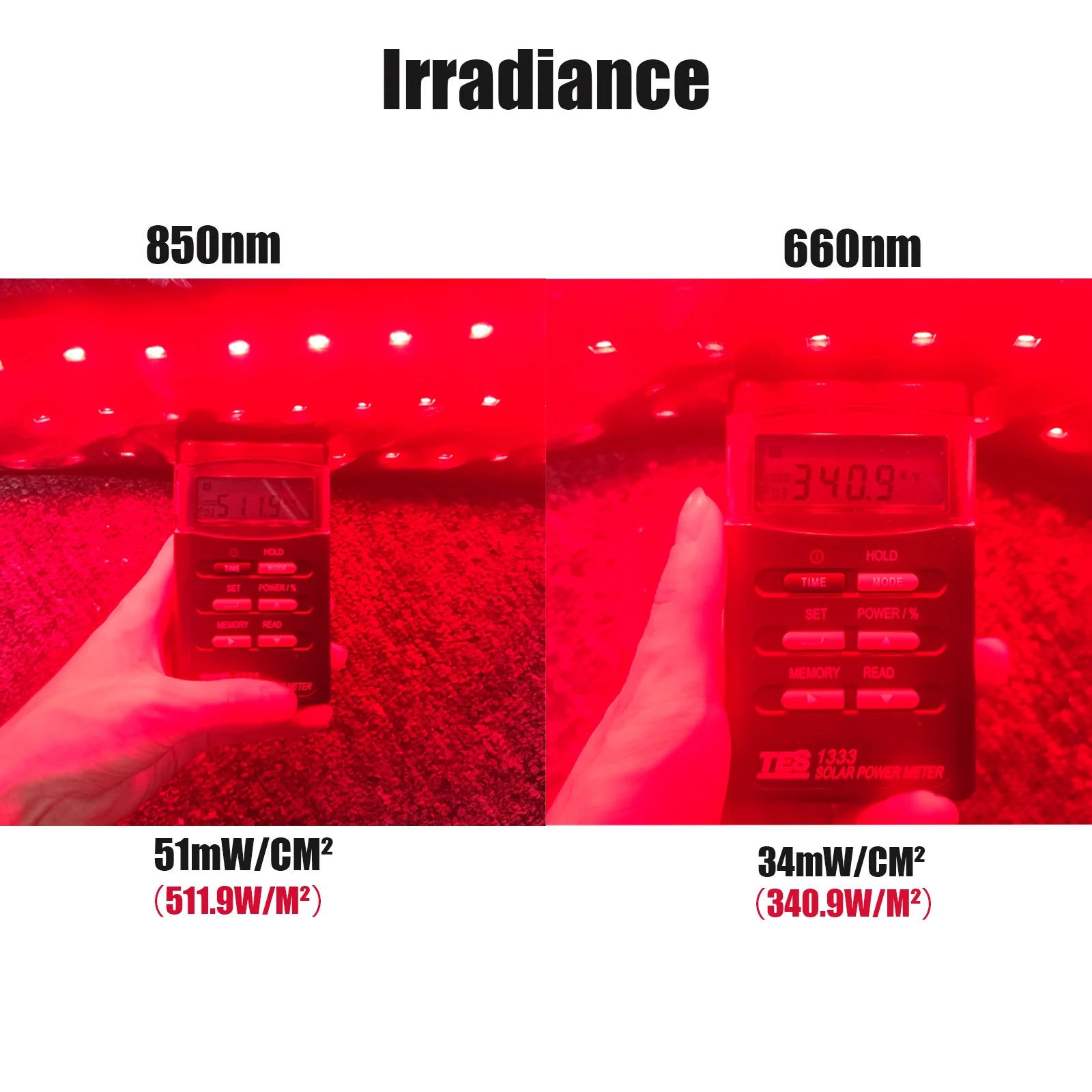
- 630–660nm red light primarily targets the skin and superficial muscles, making it useful for mild muscle tension and soft tissue recovery near the surface.
- 810–850nm near-infrared light penetrates more deeply into muscle tissue, helping support recovery in larger muscle groups such as the back, shoulders, hips, and legs.
Many full-body panels and wearable recovery devices combine both wavelength ranges to address multiple tissue depths during the same treatment session.
Why Muscles Stay Tight (Root Causes Explained)
Posture, Overuse, and Stress
Muscles are designed to contract and relax repeatedly throughout the day. However, spending long hours at a desk, performing repetitive movements, or experiencing ongoing psychological stress can keep muscles in a partially contracted state. Over time, this persistent tension reduces flexibility, limits normal movement, and increases the likelihood of discomfort in the neck, shoulders, lower back, and hips.
Trigger Points and Muscle Knots
Trigger points are small, hypersensitive areas within muscle fibers that remain contracted even when the surrounding muscle relaxes. These "muscle knots" may cause localized pain, reduce range of motion, or refer discomfort to nearby areas. Without proper recovery strategies—including movement, stretching, manual therapy, or other supportive treatments—they can persist for weeks or even months.
Poor Circulation and Recovery Gaps
Healthy muscles depend on adequate blood flow to deliver oxygen and nutrients while removing metabolic waste produced during activity. Poor circulation, inadequate recovery between workouts, insufficient sleep, or prolonged inactivity can all slow tissue repair. As recovery becomes less efficient, muscles may remain stiff and tight for longer periods, particularly in areas subjected to repeated strain.
Benefits of Red Light Therapy for Sore and Tight Muscles
Faster Muscle Relaxation
One of the primary benefits of red light therapy for sore muscles is its ability to support faster muscle relaxation. By enhancing cellular energy production and improving local circulation, muscles may recover from everyday tension more efficiently after exercise, work, or prolonged sitting.
Reduced Stiffness and Pain
Regular treatment may help reduce muscle stiffness while improving comfort during daily activities. Many users report easier movement in commonly affected areas such as the neck, shoulders, upper back, and lower back when red light therapy is used consistently as part of a broader recovery routine.
Improved Recovery After Activity
Home red light therapy for muscle recovery may help shorten recovery time following resistance training, endurance exercise, physically demanding work, or long periods of inactivity. Supporting normal tissue repair allows muscles to regain flexibility and function more quickly between activities.
Evidence Summary From Clinical Studies
Research on photobiomodulation suggests that appropriately dosed red and near-infrared light may improve recovery outcomes by reducing post-exercise muscle soreness, supporting muscle performance, and promoting tissue repair. While treatment protocols vary across studies, the overall evidence indicates that consistent use provides greater benefits than occasional sessions. Results are generally strongest when combined with exercise, mobility training, and healthy recovery habits rather than used as a standalone treatment.
How to Use Red Light Therapy for Muscle Pain (Step-by-Step)
Session Duration and Frequency
For most areas of muscle tension, treat the affected muscles for approximately 10–20 minutes per session, three to five times each week. Individuals with persistent muscle tightness may also benefit from daily sessions, provided they follow the manufacturer's recommendations and avoid excessive exposure.
Position the light source approximately 6–12 inches from the treatment area unless the device is specifically designed for direct skin contact. Expose as much of the affected muscle as possible, maintain a consistent distance throughout the session, and treat both sides of the body when muscle tension is symmetrical.
Ideal Wavelengths for Muscle Tissue
Red wavelengths between 630–660nm are well suited for superficial tissues and muscles close to the skin, while 810–850nm near-infrared light penetrates deeper into larger muscle groups. Devices that combine both wavelength ranges can provide broader coverage across different tissue depths.
Dosage, Distance, and Treatment Timeline
Successful treatment depends on using an appropriate light dose rather than simply extending session length. Most evidence-based protocols recommend maintaining a consistent treatment distance, following the manufacturer's suggested exposure time, and continuing therapy for several weeks before evaluating results. Many people notice gradual improvements within two to four weeks of regular use, although recovery time varies depending on the severity and underlying cause of muscle tension.
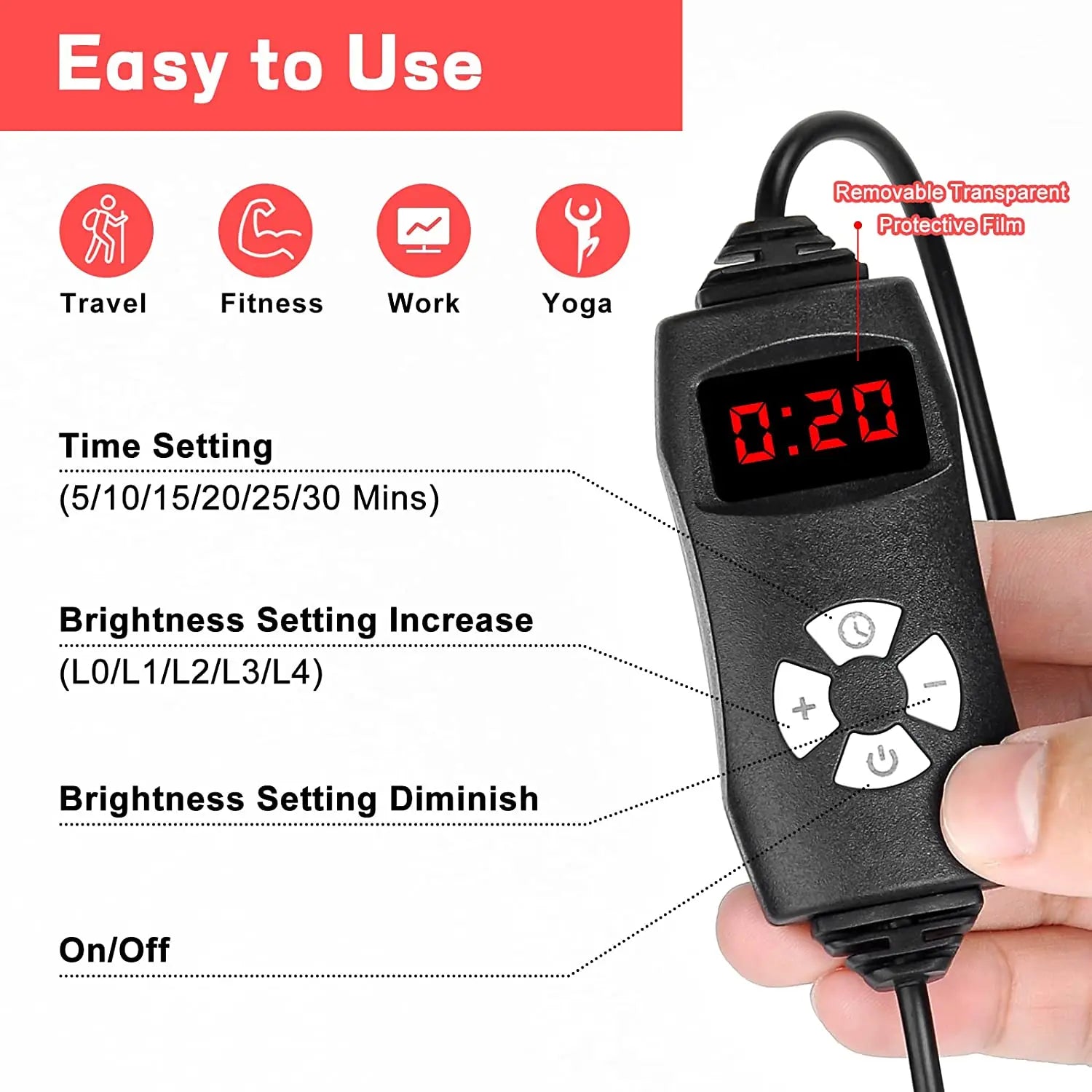
For combined light and massage, you can explore the KentDO™ Red Light Therapy Belt for Fat Burn & Pain Relief , which combines red and near-infrared light with massage features to support everyday muscle recovery and relaxation at home.
Best Home Routine for Back Muscle Tightness and Chronic Tension
Daily Routine for Desk Workers
For people who spend most of the day sitting, a consistent evening recovery routine can help prevent stiffness from becoming chronic. Apply red light therapy to the upper back, shoulders, or lower back for 10–15 minutes after work, then follow with 5–10 minutes of gentle stretching to encourage muscle relaxation and improve flexibility.
Taking short movement breaks every 30–60 minutes during the workday, maintaining an ergonomic workstation, and staying hydrated can further reduce muscle tension between treatment sessions.
Weekly Recovery Protocol
For ongoing muscle tightness, use red light therapy three to five times per week alongside mobility exercises and adequate recovery. Individuals with physically demanding jobs or regular training schedules may also benefit from occasional massage, foam rolling, and sufficient sleep to maximize tissue repair.
Consistency is generally more important than long treatment sessions. A sustainable weekly routine typically produces better long-term improvements than infrequent, intensive treatments.
Exercises to Pair With Red Light Therapy for Better Muscle Relaxation
Stretching After Light Exposure
Many people find that muscles feel more relaxed immediately after red light therapy, making this an ideal time to perform gentle stretching. Stretch slowly without bouncing, hold each position for 20–30 seconds, and breathe normally throughout each movement.
Mobility and Trigger Point Release
Mobility exercises and self-myofascial release can complement red light therapy by restoring normal movement patterns and relieving persistent trigger points. Foam rollers, massage balls, and handheld massage devices may help reduce localized muscle tightness when used with appropriate pressure.
- Cat-Cow Stretch – Improves spinal mobility and reduces back stiffness.
- Doorway Chest Stretch – Opens tight chest muscles that contribute to rounded shoulders.
- Seated Neck Tilt – Helps relieve tension in the neck and upper trapezius muscles.
- Child's Pose – Gently stretches the lower back, hips, and shoulders while encouraging relaxation.
Red Light Therapy vs Traditional Muscle Tension Remedies
Heat Therapy vs Red Light
Heating pads provide rapid comfort by increasing local blood flow and relaxing muscles through warmth. Red light therapy, however, works through photobiomodulation to support cellular repair and recovery. Heat may provide faster short-term relief, while red light therapy is intended to promote longer-lasting improvements when used consistently.
Massage vs Light Therapy
Massage can immediately decrease muscle tightness and improve flexibility by manipulating soft tissues. Red light therapy complements massage by supporting tissue recovery between appointments and helping reduce post-treatment soreness in some individuals.
When to Combine Methods
The most effective recovery plan often combines multiple evidence-based approaches. Using red light therapy before gentle stretching or following massage may enhance comfort, while regular exercise and mobility training help address the underlying causes of recurring muscle tension.
Physical Therapy and Exercise Comparison
For persistent or recurring muscle pain, physical therapy remains the preferred option because it identifies movement dysfunction, muscle weakness, and biomechanical issues that contribute to chronic tension. Red light therapy can serve as a supportive recovery tool but should not replace individualized rehabilitation when an underlying injury or medical condition is present.
| Method | Primary Benefits | Best For | Limitations |
|---|---|---|---|
| Red Light Therapy | Supports muscle recovery, circulation, and cellular repair | Ongoing muscle tension and recovery | Requires regular, consistent use |
| Heating Pad | Fast muscle relaxation and temporary comfort | Short-term stiffness | Benefits fade quickly after treatment |
| Massage | Immediate reduction in muscle tightness | Trigger points and muscle knots | May cause temporary soreness and requires repeated sessions |
| Stretching | Improves flexibility and long-term mobility | Daily maintenance and posture | Less effective without consistent practice |
| Physical Therapy | Addresses underlying movement dysfunction | Persistent or recurrent muscle pain | Requires individualized assessment and exercise program |
Who Should Use Red Light Therapy for Muscle Tension?
Best Use Cases (Desk Workers, Athletes, Chronic Pain)
Red light therapy for muscle tension can be beneficial for a wide range of individuals seeking a non-invasive way to support recovery and improve muscle comfort. It is particularly well suited for:
- Desk workers experiencing neck, shoulder, and upper back tightness from prolonged sitting.
- Athletes and active individuals looking to reduce post-exercise soreness and support muscle recovery.
- People with chronic muscle stiffness related to repetitive activities, poor posture, or age-related mobility changes.
- Individuals recovering from strenuous physical work who want to complement stretching, mobility exercises, and adequate rest.
Although many users report improvements in muscle comfort, results vary depending on the underlying cause of muscle tension, treatment consistency, and overall recovery habits.
Who Should Be Cautious
While red light therapy is generally considered well tolerated, certain individuals should consult a healthcare professional before beginning treatment. This includes people with known photosensitivity disorders, those taking medications that increase light sensitivity, individuals with active cancer at the treatment site unless medically advised, and anyone recovering from a recent severe injury or surgery without medical clearance.
If muscle pain is accompanied by persistent numbness, weakness, swelling, fever, severe trauma, or unexplained weight loss, seek medical evaluation rather than relying solely on home treatment.
Safety, Contraindications, and Side Effects
When used according to manufacturer instructions, red light therapy has a favorable safety profile and produces few side effects. Most users experience no discomfort during treatment. Mild temporary warmth or slight skin redness may occasionally occur but typically resolves quickly.
- Follow the recommended treatment time and distance for your device.
- Avoid staring directly into high-intensity LEDs unless appropriate eye protection is recommended.
- Do not exceed suggested treatment durations in an attempt to speed recovery.
- Combine therapy with healthy movement, stretching, hydration, and adequate sleep for optimal results.
Shop the KentDO Massage Pillow
FAQ: Red Light Therapy for Muscle Tension
Does red light therapy help muscle knots?
Yes. Red light therapy may help loosen muscle knots by improving circulation, supporting cellular repair, and reducing inflammation. It is often most effective when combined with stretching, massage, or mobility exercises.
How long should I use red light therapy?
Most treatment sessions last between 10 and 20 minutes per treatment area. Follow your device manufacturer's instructions regarding treatment distance, frequency, and total weekly exposure.
Can I use red light therapy daily?
Yes. Daily use is generally appropriate for chronic muscle tightness when recommended treatment guidelines are followed. Consistent moderate sessions are typically more effective than occasional prolonged treatments.
Is it safe for sensitive skin?
Red light therapy is generally well tolerated by sensitive skin because it does not rely on ultraviolet radiation. If you are new to treatment or have particularly sensitive skin, begin with shorter sessions and monitor your skin's response.
What should I combine it with?
For the best results, combine red light therapy with regular stretching, mobility training, strength exercises, adequate hydration, quality sleep, and massage when appropriate. Addressing posture and daily movement habits also helps reduce recurring muscle tension.
How long does it take for red light therapy to relax tight muscles?
Some individuals notice temporary improvements after the first few sessions, while more consistent reductions in muscle tightness commonly develop over two to four weeks of regular treatment. Recovery time depends on the cause and severity of muscle tension.
Can red light therapy replace massage or physical therapy?
No. Red light therapy is best viewed as a complementary recovery tool. Massage provides hands-on soft tissue treatment, while physical therapy addresses movement dysfunction and underlying biomechanical problems that contribute to chronic pain.
Which wavelength is better for muscle tension: 660nm or 850nm?
Neither wavelength is universally better. Red light around 660nm primarily targets superficial tissues, while near-infrared light around 850nm penetrates deeper muscles. Devices that combine both wavelengths offer broader treatment coverage.
Can I use red light therapy before or after exercise?
Yes. Using red light therapy before exercise may help prepare muscles for activity, while post-workout treatment may support recovery and reduce soreness. Either approach can be effective depending on your goals and training routine.
Is home red light therapy effective for chronic muscle tightness?
Home devices can be effective when they deliver appropriate therapeutic wavelengths and are used consistently. For chronic muscle tightness caused by posture, repetitive activity, or exercise, combining home treatment with stretching and strength training generally produces the best long-term outcomes.
Pillar Article: How to Use Red Light Therapy at Home: A Step-by-Step Starter Guide
Other Related Articles:
- Red Light Therapy Belt: How to Use It Correctly for Best Results
- How to Use Red Light Therapy for Weight Loss: A Simple 5-Step Plan
- Can You Do Red Light Therapy Everyday? Safe Routine Guide
Explore More:













