

Gentle Skin Cleansing Tools for Sensitive Skin: Dermatologist-Backed Picks & Safety Guide
Gentle skin cleansing tools for sensitive skin can help remove sunscreen, makeup, oil, and daily buildup with less friction than aggressive scrubbing—but the safest choice depends on your skin barrier, current irritation level, and how the tool is used. This guide compares tools for sensitive skin facial cleansing, including hands, microfiber, silicone, natural-fiber, and device-based options, so you can build a low-irritation routine without over-cleansing.
What Are the Tools Helpful for Gentle Skin Cleansing for Sensitive Skin?
The most helpful tools for gentle skin cleansing for sensitive skin are clean hands, soft microfiber cloths, medical-grade silicone cleansing brushes, konjac sponges, cotton pads, soft washcloths, and carefully selected facial cleansing devices. The gentlest option is often the one that removes what you need with the least pressure, friction, heat, and repeated exfoliation.
For highly reactive skin, hands may be enough. A soft microfiber cloth can be useful for removing makeup or sunscreen, while silicone tools may provide consistent cleansing with minimal abrasion. More advanced tools, including ionic facial cleansing devices and ultrasonic skin scrubbers, can be helpful for specific goals but require more careful technique and frequency control.
Dermatologist-backed selection criteria should focus on four questions: Does the tool minimize friction? Is the material easy to clean? Can you control the intensity? And does your skin actually need a tool rather than a gentle cleanser and your hands?
Why Friction Matters for the Skin Barrier
The skin barrier helps limit water loss and protects against environmental irritants. Repeated rubbing, aggressive brushing, or excessive exfoliation can increase irritation, especially when the skin is already dry, inflamed, or compromised.
For that reason, the best tools for gentle skin cleansing sensitive skin are not necessarily the most powerful devices. A tool is more suitable when it helps remove buildup without requiring pressure or repeated passes over the same area.
When Cleansing Tools Help vs. When Hands Are Enough
Cleansing tools can be useful when you need help removing stubborn sunscreen, makeup residue, or surface buildup. They may also make cleansing more consistent for people who tend to scrub too hard with their fingers.
However, tools are not essential for everyone. Hands-only cleansing may be the better choice during a flare-up, after procedures, or whenever the skin feels stinging, unusually tight, hot, or painful. The goal of a gentle routine is effective cleansing—not maximizing the amount of stimulation applied to the skin.

Clean skin care for sensitive skin using gentle cleansing tools — See it in action
Why Sensitive Skin Needs Special Cleansing Tools
Sensitive skin can react more easily to friction, temperature changes, irritating ingredients, and environmental stressors. A cleansing tool that feels comfortable for one person may cause tightness or redness for another, so technique and tolerance matter as much as the material itself.
Skin Barrier Damage & Over-Exfoliation Risks
The skin barrier helps retain moisture and limit exposure to external irritants. Harsh brushes, rough cloths, excessive pressure, and frequent exfoliating treatments can increase mechanical stress and contribute to dryness, flaking, redness, or discomfort.
Using a gentle cleanser with minimal friction is generally more barrier-friendly than trying to remove every trace of oil through aggressive scrubbing. Sensitive skin cleansing tools should therefore complement a mild routine rather than turn cleansing into an exfoliation session.
Microbiome Balance & Inflammation Triggers
The skin microbiome is influenced by cleansing practices, product use, and the surrounding environment. Over-cleansing and repeated mechanical irritation may contribute to discomfort and inflammation in people with reactive skin.
Clean, non-abrasive tools can help reduce unnecessary rubbing, but hygiene is essential. A damp tool that is not cleaned and dried properly can become a source of contamination. The safest cleansing tools for sensitive skin are therefore both gentle on the face and easy to maintain.
How Gentle Cleansing Protects the Skin Barrier
A barrier-first approach means using the lowest level of mechanical action needed to cleanse effectively. Choose lukewarm water, a gentle cleanser, light pressure, short contact time, and a clean tool. If your skin becomes increasingly tight or irritated after cleansing, the routine may be too aggressive even if the tool itself is marketed as gentle.
Gentle Skin Cleansing Tools Explained: Benefits, Risks & Best Uses
Hands: The Gold Standard for Highly Sensitive Skin
Clean hands are often the simplest and lowest-friction option for facial cleansing. They allow you to control pressure precisely and are especially useful when the skin is irritated, dry, or recovering from a flare-up.
- Best for: Highly reactive, irritated, or barrier-compromised skin
- Benefits: Maximum control, no tool maintenance, minimal mechanical stimulation
- Limitations: May be less convenient for removing heavy makeup or stubborn sunscreen residue
Soft Microfiber Cloths
Soft microfiber cloths use fine fibers to lift makeup, sunscreen, and surface residue. Because they can improve removal efficiency, they may reduce the need for repeated rubbing—but only when used with a light touch.
- Best for: Makeup and sunscreen removal
- Benefits: Reusable and effective for lifting surface residue
- Limitations: Rough, dirty, or repeatedly reused cloths can increase irritation and contamination risk
Medical-Grade Silicone Cleansing Brushes
Silicone cleansing brushes use flexible silicone surfaces to provide gentle mechanical cleansing. Non-porous silicone is generally easier to rinse and dry than materials that retain moisture, making hygiene an important advantage when the tool is maintained properly.
- Best for: People who want a reusable tool for gentle routine cleansing
- Benefits: Easy to clean, soft surface, controlled mechanical contact
- Limitations: Pressure and frequency still matter; aggressive use can irritate sensitive skin
Konjac Sponges
Konjac sponges are made from plant-derived fibers and become soft when thoroughly saturated with water. They can provide mild surface exfoliation, which makes them less suitable for skin that is actively inflamed or severely barrier-damaged.
- Best for: Dry or mildly sensitive skin that tolerates gentle surface exfoliation
- Benefits: Soft texture when wet and simple to use
- Limitations: Requires careful drying and regular replacement
Cotton Pads
Cotton pads can be useful for applying cleansing water or removing makeup from small areas. Their main risk is friction: repeatedly dragging a pad across the skin can be irritating, particularly around the eyes and other delicate areas.
- Best for: Targeted makeup removal and light product application
- Benefits: Convenient and disposable
- Limitations: Repeated rubbing can increase mechanical irritation
Soft Washcloths
A soft washcloth can help remove cleanser and surface residue, but its gentleness depends heavily on the fabric, laundering, and pressure used. A rough or stiff cloth is not an appropriate choice for reactive skin.
- Best for: Gentle rinse-off cleansing and removing cleanser residue
- Benefits: Affordable and widely available
- Limitations: Can become abrasive when rough, dry, or used with excessive pressure
Ionic Facial Cleansing Devices
Ionic facial cleansing devices are designed to support cleansing with electronic or ionic functions rather than relying solely on vigorous physical scrubbing. The main potential advantage for sensitive skin is reducing the need for aggressive rubbing, although the exact experience depends on the device design and instructions.
- Best for: Users seeking a device-based cleansing routine with controlled contact
- Benefits: May support thorough cleansing while reducing reliance on vigorous scrubbing
- Limitations: Higher cost, device-specific instructions, and the need to avoid overuse
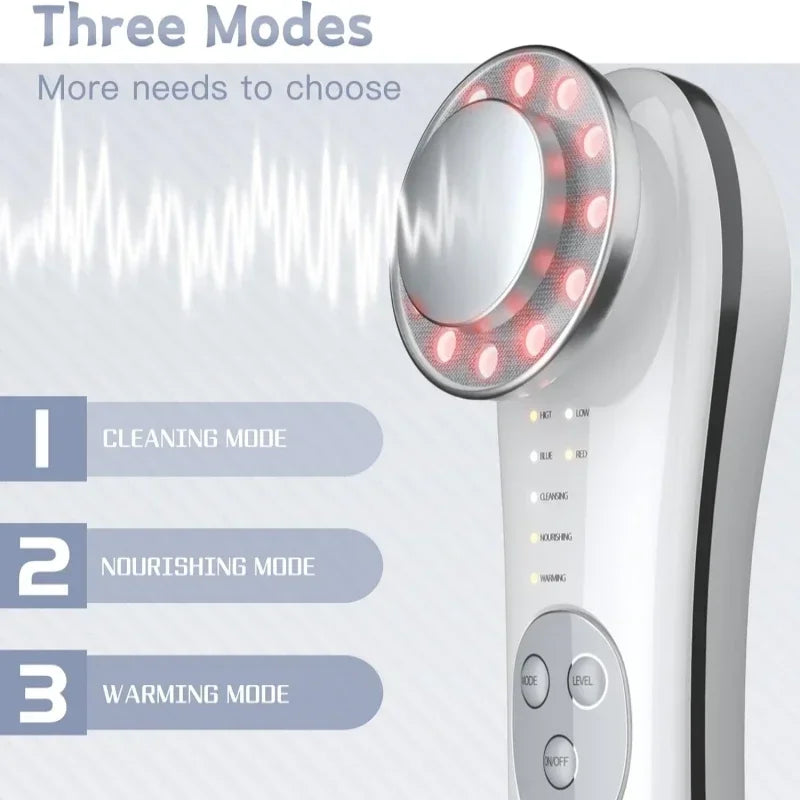
Sensitive skin safe tools like an ionic facial cleanser device — Explore full benefits
Ultrasonic Skin Scrubbers
Ultrasonic skin scrubbers use high-frequency vibration and a flat spatula-style surface to help loosen surface debris and buildup. They are not automatically gentle simply because they use vibration; pressure, hydration, frequency, and skin condition all affect irritation risk.
- Best for: Congested skin that tolerates occasional device use
- Benefits: Can help loosen surface buildup without traditional abrasive scrubbing
- Limitations: Overuse or use on dry, irritated skin can increase discomfort
Material Safety, Hygiene & Replacement Guide
Medical-Grade Silicone vs. Microfiber vs. Natural Fibers
Material choice affects both skin comfort and maintenance. Silicone is typically non-porous and easy to rinse. Microfiber can lift residue effectively but should be washed regularly. Natural fibers, including konjac, can feel soft but retain moisture and therefore require careful drying and scheduled replacement.
For sensitive skin, the best material is not simply the softest one. Consider whether the tool can be cleaned thoroughly, dried completely, and replaced before it becomes worn or difficult to sanitize.
Cleaning and Disinfecting
- Rinse reusable tools thoroughly after each use.
- Follow the manufacturer's cleaning instructions for electronic devices.
- Allow cloths, sponges, and brushes to dry completely between uses.
- Do not share facial cleansing tools.
- Replace tools that develop an odor, visible residue, cracks, rough edges, or other signs of deterioration.
Do not use harsh household disinfectants on tools that contact the face unless the manufacturer specifically states that the material is compatible. Proper cleaning and complete drying are generally more important than using increasingly strong cleaning chemicals.
Replacement Schedule
Replacement timing varies by material, use frequency, and manufacturer instructions. Microfiber cloths should be replaced when they become worn or remain stained despite proper washing. Konjac sponges generally require more frequent replacement because they are natural, absorbent materials. Silicone tools may last longer but should still be replaced if the surface becomes damaged or difficult to clean.
How to Choose the Right Cleansing Tool for Your Skin Condition
Rosacea-Prone Skin
People with rosacea-prone skin may be more sensitive to friction, heat, and mechanical stimulation. Hands-only cleansing or an exceptionally soft, low-friction tool may be preferable. Avoid aggressive brushing and consider skipping devices when flushing or irritation is active.
Eczema & Barrier-Damaged Skin
When the skin barrier is compromised, minimizing friction is usually a priority. Hands may be the best option during active irritation. Avoid exfoliating sponges, rough cloths, and cleansing devices that cause stinging or increased tightness.
Acne-Prone Sensitive Skin
Acne-prone sensitive skin can benefit from effective cleansing, but aggressive scrubbing is not a substitute for acne treatment and may worsen irritation. A soft microfiber cloth or gentle silicone tool may be suitable for some users, while ultrasonic or ionic devices should be used conservatively and according to their instructions.
Very Dry or Reactive Skin
Very dry or reactive skin often benefits from a minimal routine. Start with hands and a gentle cleanser. If you introduce a tool, choose one that adds little friction and use it only as often as your skin comfortably tolerates.
How to Use Gentle Cleansing Tools Safely
Step-by-Step Cleansing Routine
- Wash your hands before touching your face.
- Wet the face and tool with lukewarm water.
- Apply a gentle, fragrance-free cleanser when appropriate.
- Use the tool with light pressure and slow, brief movements.
- Avoid repeatedly passing over the same area.
- Rinse the skin and tool thoroughly.
- Pat the skin dry rather than rubbing.
- Apply a moisturizer suited to your skin's needs.
How Often to Use Each Tool
There is no universal frequency that works for every sensitive skin type. Hands can generally be used whenever cleansing is needed. Soft silicone tools may be suitable for regular use when the skin tolerates them, while exfoliating or vibration-based tools are often better used less frequently.
- Hands: Whenever cleansing is needed
- Silicone cleansing tools: Follow skin tolerance and device instructions
- Microfiber cloths: As needed for makeup or sunscreen removal with minimal pressure
- Konjac sponges: Use conservatively and reduce frequency if dryness or irritation develops
- Ultrasonic devices: Follow the manufacturer's instructions and avoid excessive use
- Ionic devices: Follow the manufacturer's recommended schedule rather than assuming more frequent use is better
Signs a Tool Is Irritating Your Skin
Stop or reduce use if you notice increasing redness, burning, stinging, unusual tightness, persistent dryness, flaking, or discomfort after using a cleansing tool. These signs suggest that the routine may be too frequent, too abrasive, or unsuitable for your current skin condition.
Common Mistakes That Increase Irritation
- Pressing too hard to achieve a “deeper” clean
- Using a tool on already irritated or broken skin
- Combining several cleansing and exfoliating tools in one routine
- Using hot water
- Continuing a device despite persistent stinging or redness
- Failing to clean and dry reusable tools properly
- Assuming a more powerful device is automatically more effective
Comparison Table: Gentle Cleansing Tools for Sensitive Skin
| Tool | Relative Gentleness | Cleansing Effectiveness | Hygiene | Maintenance | Best For |
|---|---|---|---|---|---|
| Clean hands | Very high | Good | Excellent when washed properly | Minimal | Highly sensitive or irritated skin |
| Soft microfiber cloth | High when used lightly | Very good for makeup and sunscreen | Good with regular washing | Wash and dry thoroughly | Makeup and sunscreen removal |
| Medical-grade silicone brush | High when used gently | Good for routine cleansing | Very good when cleaned properly | Simple rinsing and drying | Regular cleansing with controlled contact |
| Konjac sponge | High when fully softened | Good for light surface buildup | Moderate | Requires thorough drying and replacement | Dry or mildly sensitive skin |
| Soft washcloth | Moderate to high | Good for removing cleanser | Good with frequent laundering | Wash after use | Rinse-off cleansing |
| Ionic facial cleansing device | Varies by device and technique | Good for device-assisted cleansing | Good when maintained properly | Follow device instructions | Users seeking controlled device-based cleansing |
| Ultrasonic skin scrubber | Moderate and use-dependent | Good for occasional surface buildup | Good when cleaned properly | Device cleaning required | Congested skin that tolerates occasional use |
Dermatologist Recommendations for Building a Low-Irritation Cleansing Routine
A barrier-first routine prioritizes comfort, consistency, and adequate cleansing over aggressive techniques. The best gentle facial cleansing devices for sensitive skin are those that fit your actual needs without adding unnecessary stimulation.
Morning vs. Evening Routines
In the morning, some people with dry or reactive skin may need only a gentle rinse or a mild cleanser, depending on overnight oil and product buildup. In the evening, cleansing is more important for removing sunscreen, makeup, pollution, and accumulated residue.
Using the same tool at every cleansing session is not automatically necessary. A hands-only morning routine and a carefully controlled tool-assisted evening routine may be more comfortable than using a device multiple times per day.
When to Skip Cleansing Devices
Consider skipping cleansing devices when the skin is actively irritated, visibly inflamed, unusually dry, peeling, sunburned, or recovering from a procedure unless a qualified healthcare professional has advised otherwise. During these periods, reducing mechanical stimulation may be more helpful than pursuing deeper cleansing.
- Prioritize barrier repair over aggressive exfoliation.
- Choose fragrance-free products when fragrance is a known trigger.
- Introduce one new tool at a time so you can identify the cause of irritation.
- Keep reusable tools clean and fully dry.
- Stop using a tool if discomfort persists or worsens.
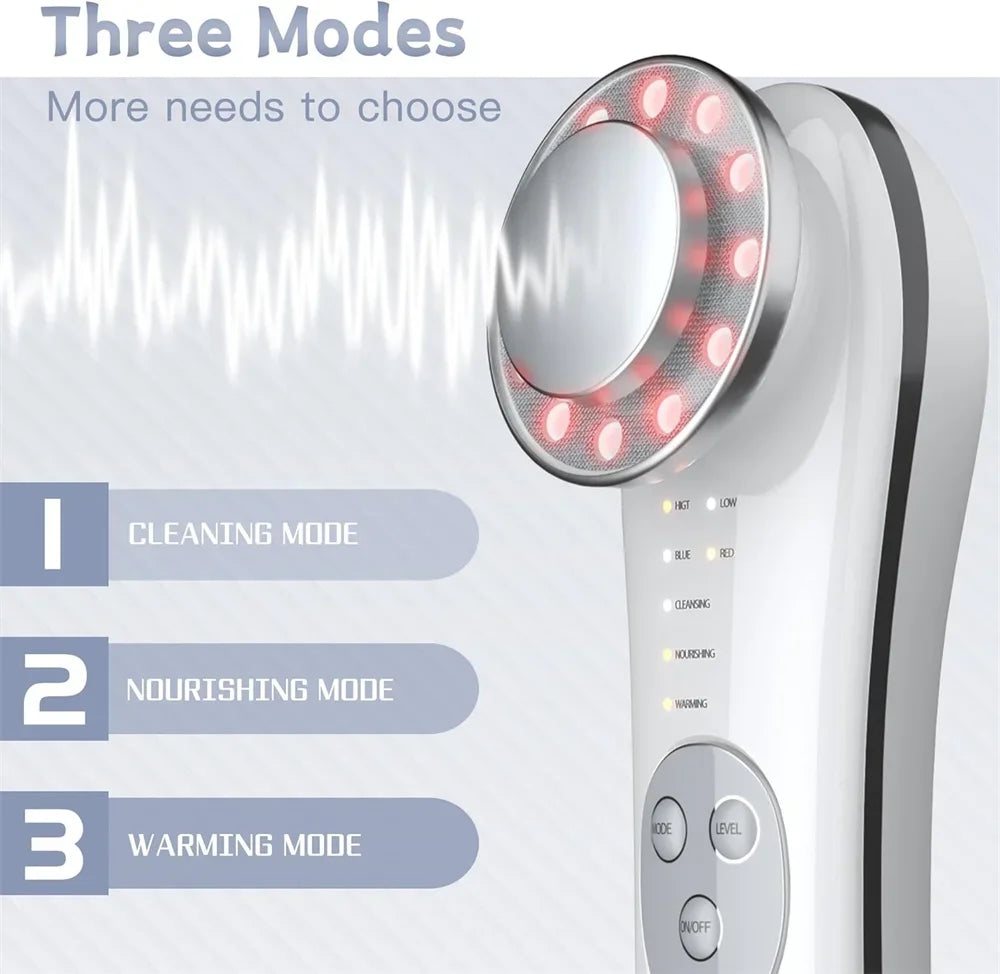
Sensitive skin safe tools and ionic devices for daily cleansing — Shop now
Frequently Asked Questions About Gentle Cleansing Tools for Sensitive Skin
What are the gentlest cleansing tools for sensitive skin?
Clean hands are usually the lowest-friction option. Soft microfiber cloths and well-designed silicone cleansing tools can also be gentle when used with light pressure and cleaned properly.
Are silicone cleansing brushes better than washcloths for sensitive skin?
Neither is automatically better for everyone. Silicone is often easier to rinse and maintain, while a very soft washcloth can work well for removing cleanser or makeup. The best choice is the one that does not cause friction, tightness, or irritation.
Can people with rosacea safely use cleansing devices?
Some people with rosacea may tolerate very gentle tools, but hands-only cleansing may be preferable during active flushing or irritation. Avoid aggressive brushing and discontinue any tool that increases discomfort.
Which cleansing tools should people with eczema avoid?
People with eczema-prone or barrier-damaged skin may need to avoid rough cloths, abrasive sponges, aggressive brushes, and any device that causes stinging or friction. During active irritation, hands-only cleansing may be the most comfortable option.
How often should I replace microfiber cloths and konjac sponges?
Replace microfiber cloths when they become worn, rough, persistently stained, or difficult to clean. Konjac sponges generally need more frequent replacement because they are absorbent natural-fiber products; follow the manufacturer's guidance and replace them if they develop an odor or deteriorate.
Can cleansing tools damage the skin barrier?
Yes. Excessive pressure, frequent use, rough materials, and repeated exfoliation can increase mechanical irritation and contribute to barrier discomfort. Even gentle tools can be irritating when overused.
Should I cleanse with my hands instead of a device?
Hands are often the best choice when your skin is irritated, highly reactive, or recovering from a flare-up. A device may be useful when it provides a specific cleansing benefit without causing irritation, but it is not essential for healthy cleansing.
What are the tools helpful for gentle skin cleansing for sensitive skin?
The most helpful options include clean hands, soft microfiber cloths, silicone cleansing brushes, konjac sponges, soft washcloths, and carefully selected ionic or ultrasonic devices. Choose based on your skin condition, friction tolerance, hygiene requirements, and the specific cleansing task.
Explore more gentle skincare devices and tools in our Skin and Beauty Care Devices collection to maintain a healthy, irritation-free routine.
Pillar Article: 3 in 1 Cleanser Comparison: Which Device Delivers Flawless Skin Fast
Other Related Articles:
- Cleansing Device for Face: Top Picks to Restore Radiant Skin
- Clogged Pores Home Treatment Devices Ranked for Quick Results
- Clogged Pores Natural Treatment: What Actually Works at Home
- Top 5 Cleaning Deep Pores Devices You Need to Try Today
Explore More:













