

Best Clogged Pores Treatment: Top Products, Devices & At-Home Solutions That Actually Work
Looking for a clogged pores treatment that actually works fast? This expert guide breaks down the most effective ingredients, devices, and routines to clear blackheads, reduce oil buildup, and improve skincare absorption—so you can achieve smoother, clearer skin with less trial and error.
Quick Answer: What Is the Best Clogged Pores Treatment?
The best clogged pores treatment combines chemical exfoliation, oil control, and occasional deep cleansing. There’s no single solution—results come from matching the treatment to your skin type and severity.
Best treatment by severity
- Mild congestion: Gentle cleanser + niacinamide + weekly exfoliation
- Moderate blackheads: Salicylic acid (BHA) 2–3x/week + targeted device use
- Severe clogged pores: Retinoids + consistent exfoliation + controlled extraction
Best treatment by skin type
- Oily skin: BHA + niacinamide + pore cleansing devices
- Dry/sensitive skin: Gentle exfoliation + hydration + ultrasonic tools
- Combination skin: Targeted treatment on T-zone + balanced hydration
For faster results at home, many people use a hybrid approach: daily skincare plus weekly deep pore cleansing using tools like KentDO Pore Vacuum .
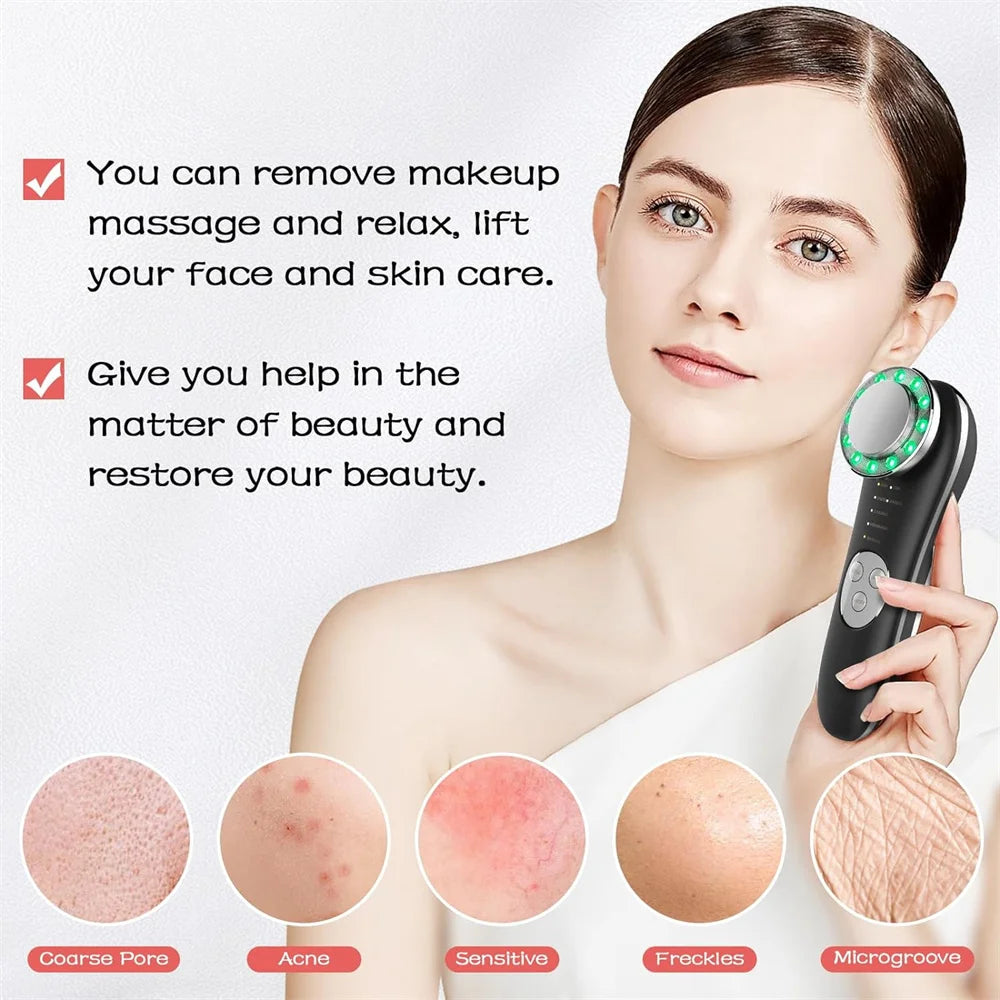
Explore fast and effective clogged pores treatment solutions with top devices.
What Causes Clogged Pores? (And Why Most Treatments Fail)
The Science: Sebum, Dead Skin & Oxidation
Clogged pores form when oil (sebum) mixes with dead skin cells and gets trapped inside pores. When exposed to air, this buildup oxidizes—turning into blackheads.
Clogged Pores vs Blackheads vs Sebaceous Filaments
- Clogged pores: General buildup of oil and debris
- Blackheads: Oxidized clogged pores
- Sebaceous filaments: Natural oil channels (not true clogs)
Misidentifying these conditions often leads to ineffective treatments.
Common Mistakes That Make Pores Worse
- Overwashing (triggers more oil production)
- Using harsh scrubs that damage skin barrier
- Skipping exfoliation entirely
- Using comedogenic skincare products
Effective clogged pores home treatment requires balance—not aggressive cleansing.
Treatment Comparison: Which Option Works Best?
Salicylic Acid (BHA)
Best for oily and acne-prone skin. Penetrates deep into pores to dissolve oil and debris. Results typically appear within 2–4 weeks.
Retinoids
Increase cell turnover and prevent buildup. Ideal for persistent clogged pores. Expect results in 4–8 weeks with consistent use.
Benzoyl Peroxide
Targets acne-causing bacteria. Useful when clogged pores lead to breakouts.
AHAs & Clay Masks
AHAs exfoliate the surface, while clay absorbs excess oil. Best used as supportive treatments rather than primary solutions.
Professional Treatments
Options like chemical peels, extractions, and hydrafacials provide faster results but require ongoing maintenance.
Best Clogged Pores Treatments by Category (Derm-Backed Picks)
Best Chemical Exfoliants (Salicylic Acid / BHA)
Penetrates oil and dissolves buildup inside pores—essential for deep pore cleansing at home.
Best Retinoids for Deep Pore Clearing
Prevent future clogs by accelerating skin turnover.
Best Cleansers for Daily Pore Maintenance
Non-comedogenic cleansers maintain clarity without stripping the skin.
Best Niacinamide Treatments for Pore Tightening
Helps regulate oil and minimize the appearance of pores.
Best Clogged Pores Treatment Devices
Devices enhance extraction and improve product absorption when used properly.
Top Clogged Pores Treatment Devices (Reviewed & Compared)
Pore Vacuum for Clogged Pores
Provides direct extraction of blackheads and debris. Best for visible congestion.
Ultrasonic Skin Scrubber
Uses vibrations to loosen buildup. Ideal for sensitive skin.
Facial Cleansing Brush
Improves daily cleansing and prevents buildup.
Comparison Table
| Device | Best For | Pros | Cons |
|---|---|---|---|
| KentDO Pore Vacuum | Deep extraction | Adjustable suction, multi-function | Requires proper technique |
| PMD Personal Microderm | Texture | Smooths skin | Can irritate |
| Dermapore Ultrasonic Scrubber | Sensitive skin | Gentle exfoliation | Less effective on deep clogs |
| Foreo Luna 3 | Daily cleansing | Easy to use | No extraction |
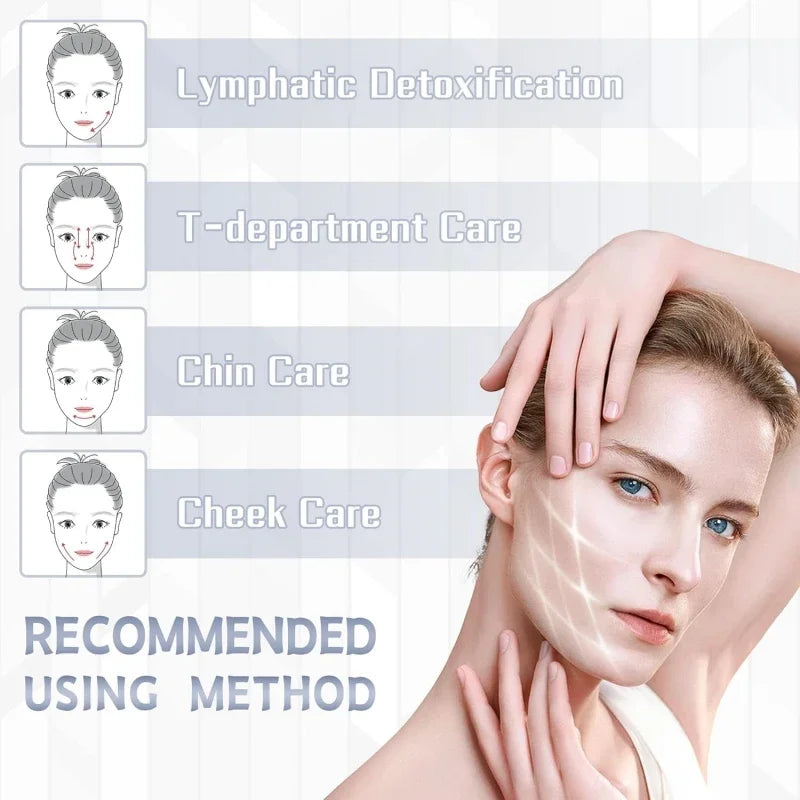
Deep pore cleansing helps improve skin clarity and texture over time.
How to Unclog Pores at Home (Step-by-Step Routine)
Morning Routine
- Gentle cleanser
- Niacinamide serum
- Lightweight moisturizer
- Sunscreen
Evening Routine
- Double cleanse
- Apply BHA (2–3x/week)
- Use retinoid (if tolerated)
- Moisturize
Routine for Mild Clogged Pores
- Consistent cleansing
- Weekly exfoliation
- Oil control serum
Routine for Severe Blackheads & Congestion
- Steam or warm towel
- Use pore vacuum device
- Apply BHA after extraction
- Finish with calming moisturizer
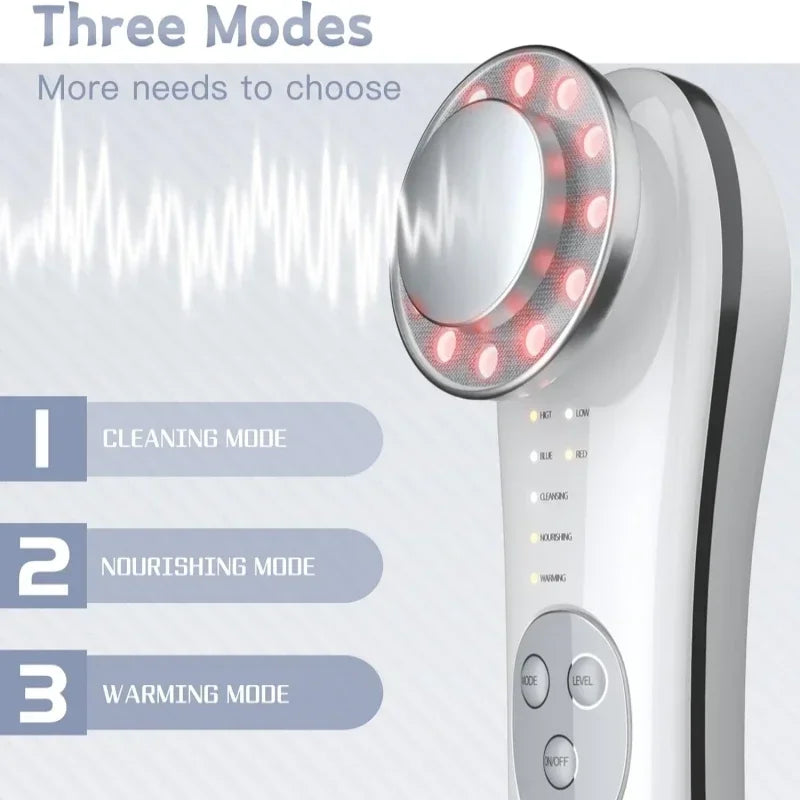
Consistent routines deliver the best long-term pore-clearing results.
How to Choose the Right Treatment for Your Skin Type
Oily & Acne-Prone Skin
Use salicylic acid, niacinamide, and extraction tools.
Dry & Sensitive Skin
Focus on gentle exfoliation and hydration. Avoid strong suction.
Combination Skin
Treat oily areas while maintaining hydration elsewhere.
Mature Skin
Prioritize retinoids and gentle exfoliation to maintain turnover.
Do Pore Cleaning Devices Really Work? (Pros & Cons)
Benefits
- Immediate visible results
- Deep pore cleaning
- Improved absorption
Limitations
- Can cause irritation if overused
- Not suitable for all skin types
Who Should Avoid Them
- Very sensitive skin
- Broken or inflamed skin
- Rosacea-prone individuals
How Long Does It Take to Clear Clogged Pores?
Expected Results by Treatment
- BHA exfoliation: 2–4 weeks
- Retinoids: 4–8 weeks
- Devices: Immediate but temporary results
When to See a Dermatologist
If clogged pores persist after 8–12 weeks or worsen into acne, professional treatment may be necessary.
Frequently Asked Questions
What is the fastest way to treat clogged pores?
A combination of salicylic acid and a pore cleansing device provides the fastest visible results.
Can pore vacuums damage skin?
Yes, if used incorrectly. Always use low suction and avoid sensitive areas.
Which ingredient is best for clogged pores?
Salicylic acid is the most effective for dissolving oil-based clogs.
Can I combine retinoids with salicylic acid?
Yes, but alternate usage to avoid irritation.
How often should I use a pore cleansing device?
Once per week is sufficient for most skin types.
What causes clogged pores to keep coming back?
Excess oil, poor exfoliation habits, and comedogenic products.
Are home extraction tools safe?
Yes, when used gently and with proper hygiene.
When should I see a dermatologist for clogged pores?
If over-the-counter treatments fail after consistent use.
Pillar Article: 3 in 1 Cleanser Comparison: Which Device Delivers Flawless Skin Fast
Other Related Articles:
- Clean Skin Care for Sensitive Skin: Best Tools and Devices Reviewed
- Cleansing Device for Face: Top Picks to Restore Radiant Skin
- Clogged Pores Natural Treatment: What Actually Works at Home
- Top 5 Cleaning Deep Pores Devices You Need to Try Today
Explore More:













