

Deep Kneading Massage: Techniques, Benefits & Best Devices for Real Relief
Deep kneading massage is a hands-on technique that uses rhythmic lifting, squeezing, rolling, and compressing movements to ease muscle tension and encourage relaxation. Whether you use your hands or a massage device that mimics these movements, understanding the proper technique can help you target stubborn tightness safely and more effectively.
⏱ 9 min read
What Is a Deep Kneading Massage? (Quick Answer)
Deep kneading massage is a form of kneading massage that applies slow, rhythmic pressure to muscles and other soft tissues. Often associated with the massage technique known as petrissage, it combines lifting, squeezing, rolling, and compressing movements to promote relaxation, temporarily reduce muscle tightness, and support comfortable movement. Deep kneading uses firmer pressure than standard kneading but should remain comfortable rather than painful.
Do your neck, shoulders, or back still feel tight after stretching or applying heat? Persistent muscle tension is common among people who spend long hours at a desk, exercise regularly, or experience ongoing physical stress. While gentle massage can feel relaxing, some areas of muscle tightness respond better to slower, more focused kneading movements.
Learning how deep kneading massage works, when to use it, and how much pressure to apply can help you get more consistent results while avoiding unnecessary soreness. This guide explains the technique, compares it with other massage methods, and shows how to perform kneading safely by hand or with appropriate massage devices.
What Is Kneading Massage? Definition and How It Works
What Is Kneading Massage?
Kneading massage is a manual therapy technique that rhythmically lifts, squeezes, rolls, and compresses soft tissue. It is one of the primary movements used in petrissage , a classic massage technique commonly performed during therapeutic and sports massage. Unlike long gliding strokes, kneading focuses on gently mobilizing muscle tissue beneath the skin.
Deep Kneading vs. Standard Kneading
Standard kneading uses moderate pressure for general relaxation and circulation, while deep kneading massage applies slower, firmer pressure to reach deeper muscle layers when appropriate. The goal is not to force tissue apart but to provide sustained compression that may help reduce feelings of tightness and improve comfort in areas of persistent muscle tension.
How Kneading Affects Muscles and Soft Tissue
As muscles are rhythmically compressed and released, local blood flow and fluid movement may temporarily increase while the nervous system receives pressure-related sensory input that can encourage muscle relaxation. Although many people describe feeling fewer "knots" after kneading, current evidence does not support the idea that massage physically breaks down adhesions. Instead, relief is thought to result from a combination of mechanical pressure, improved tissue mobility, and changes in pain perception.
People commonly use kneading massage for the neck, shoulders, upper back, calves, and thighs, particularly when these areas feel stiff after prolonged sitting, repetitive activities, or exercise.
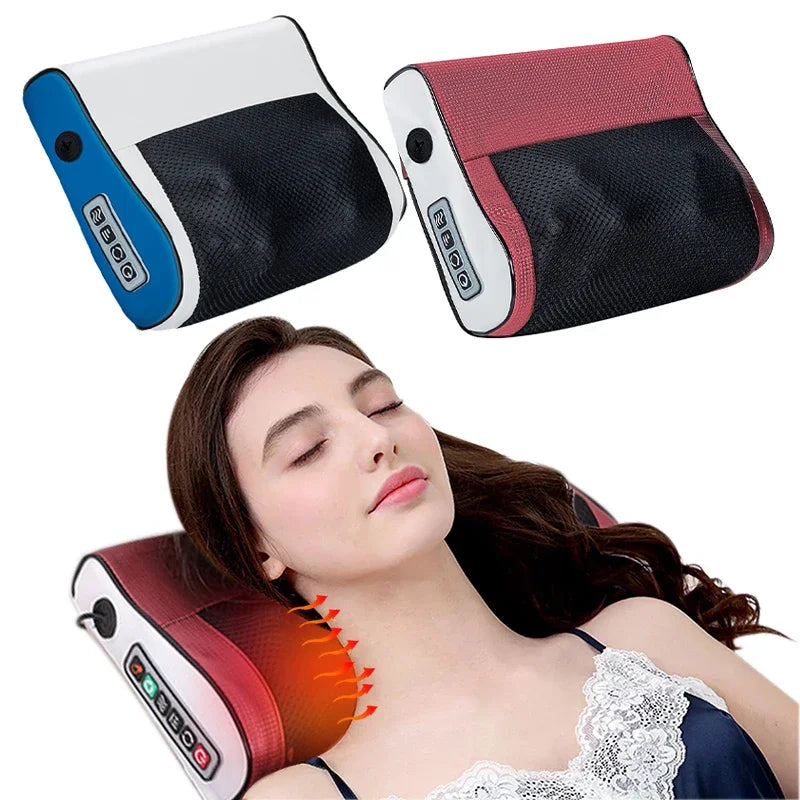
Deep kneading massage guide technique in action — relief starts with proper pressure. See it in action.
Kneading Massage vs Other Massage Techniques
Kneading vs Percussion (Massage Guns)
Percussion massage delivers rapid pulses to muscle tissue and is often used before activity or after exercise to stimulate larger muscle groups. Kneading massage relies on slower, sustained compression and rolling movements that many people find better suited for localized areas of muscle tightness. Neither technique is universally better—the right choice depends on your comfort level, treatment goals, and the area being treated.
Kneading vs Shiatsu
Shiatsu applies sustained finger or thumb pressure to specific points along the body, while kneading continuously lifts and compresses muscle tissue through rhythmic movements. Some massage devices combine rotating nodes with pressure to imitate aspects of both techniques, although the experience differs from manual massage.
When Deep Kneading May Be Appropriate
Deep kneading massage can be helpful when muscles feel persistently tight after prolonged sitting, repetitive work, or physical activity. If pressure causes sharp pain, numbness, increasing discomfort, or symptoms that continue after the session, reduce the intensity or stop the massage and seek professional guidance if needed.
Kneading Massage Techniques: How to Perform the Movements
Basic Hand Kneading Technique
Effective kneading massage relies on controlled, rhythmic movements rather than force. The goal is to gently lift and compress the muscle between your hands or fingers while maintaining a steady pace. This technique works best on larger muscles such as the shoulders, upper back, thighs, and calves where there is enough soft tissue to grasp comfortably.
Deep Kneading Massage Technique
- Warm the area with light strokes or gentle movement for 30–60 seconds.
- Place your palms, fingers, or thumbs on either side of the muscle rather than directly over bone.
- Lift the muscle slightly where possible, then gently squeeze and compress it.
- Roll the tissue in a slow, circular or alternating motion while maintaining consistent pressure.
- Move gradually along the muscle, spending 30–60 seconds on areas that feel particularly tight.
- Reduce pressure immediately if you experience sharp pain, numbness, or discomfort that continues after releasing pressure.
Kneading Massage for Common Muscle Areas
Neck and shoulders: Use lighter pressure and slow movements around the upper trapezius, avoiding direct pressure on the front of the neck.
Upper and lower back: Focus on the muscles beside the spine instead of pressing directly on the spinal bones.
Arms and legs: Knead larger muscle groups with your palms while adjusting pressure according to muscle size and tenderness.
How to Adjust Pressure and Rhythm
A deep kneading massage should feel like firm, comfortable pressure rather than intense pain. Start with lighter compression and gradually increase intensity only if the muscles relax comfortably. Slower movements generally provide more control than rapid squeezing, and sessions of 5–15 minutes per body region are usually sufficient for self-massage.
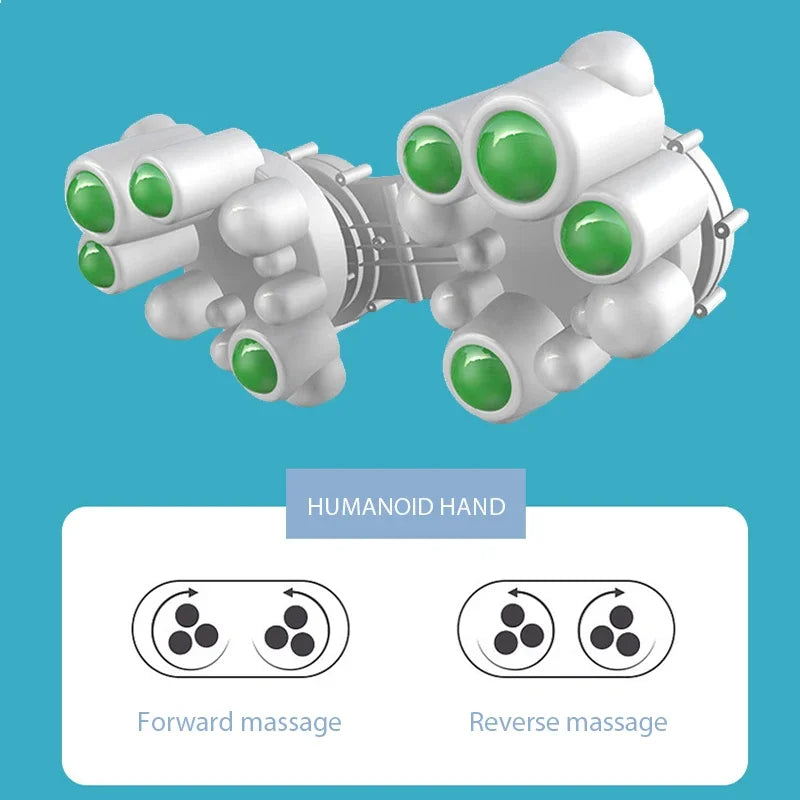
Deep kneading device for neck & shoulders — designed to provide consistent, rhythmic massage. See it in action.
Manual Kneading Massage vs Massage Devices
Hands-On Kneading vs Electric Kneading Devices
Manual kneading gives you complete control over pressure, speed, and placement, making it useful when treating small or sensitive areas. Electric kneading devices, on the other hand, provide consistent rhythmic movements without hand fatigue and may be especially helpful for hard-to-reach areas such as the upper back.
Massage guns deliver rapid pulses that are commonly used before activity or after exercise to stimulate larger muscle groups. Kneading devices use slower rotating or rolling movements that more closely resemble traditional petrissage techniques. The most appropriate option depends on whether your goal is muscle activation, relaxation, or temporary relief from localized tightness. For additional massage resources, visit our Body & Face Blog .
How to Choose the Right Intensity
Whether using your hands or a massage device, begin with the lowest comfortable pressure. Gradually increase intensity only if the tissue responds well and discomfort remains mild. Stronger pressure is not always more effective, particularly around the neck or areas with limited muscle padding.
If you prefer an electric option that reproduces kneading movements, the KentDO™ Neck & Shoulder Massager combines rotating massage nodes with optional heat to help you perform consistent self-massage sessions at home or in the office.
- Rotating kneading nodes designed to mimic hand massage
- Optional heat function for added comfort
- Suitable for the neck, shoulders, and upper back
- Portable design for home or office use
- Adjustable positioning for targeted muscle groups
Learn more about this massage option:
KentDO™ Neck & Shoulder Massager — learn more
Explore additional recovery and wellness products in our Body Care and Health Devices collection.
When to Use Kneading Massage: Common Applications
Neck and Shoulder Tension
Kneading massage is commonly used for muscle tightness caused by prolonged computer use, driving, or repetitive daily activities. Slow, controlled pressure may help reduce the feeling of stiffness in the upper trapezius and surrounding muscles while making neck movement feel more comfortable. For persistent symptoms related to posture, combine massage with stretching and regular movement breaks.
Back and Lower Back Muscle Tightness
The muscles of the upper and lower back often become tense after long periods of sitting or standing. Applying kneading massage to the muscles alongside the spine—not directly on the spinal bones—may provide temporary relief from muscular discomfort and improve overall comfort during everyday activities. If back pain is severe, persistent, or accompanied by numbness or weakness, seek medical evaluation rather than relying on massage alone. If you're experiencing ongoing discomfort, these back pain and stiffness strategies may also help.
Post-Workout Muscle Recovery
After exercise, gentle kneading may encourage relaxation and temporarily reduce the sensation of muscle tightness. Many athletes include massage as part of a broader recovery routine that also includes hydration, mobility work, and adequate rest. Learn additional strategies to support muscle recovery and healthy circulation.
Daily Stress and General Muscle Stiffness
For people without an injury, brief kneading sessions of 5–15 minutes can be incorporated into a regular wellness routine to help manage everyday muscle tension. Consistency is generally more beneficial than applying excessive pressure during occasional sessions.
Common Kneading Massage Mistakes to Avoid
Using Too Much Pressure Too Quickly
Applying maximum pressure immediately can increase soreness and make muscles tighten defensively. Begin with gentle compression and gradually increase intensity only if the tissue relaxes comfortably.
Massaging Injured or Sensitive Areas
Avoid kneading over acute injuries, bruises, inflamed tissue, open wounds, or areas with unexplained swelling. Massage should not replace appropriate medical assessment when an injury is suspected.
Ignoring Pain or Numbness
Mild tenderness can be normal when working on tight muscles, but sharp pain, tingling, numbness, or increasing discomfort are signals to stop the session. Persistent symptoms should be evaluated by a healthcare professional.
Using the Wrong Technique for the Muscle
Large muscles such as the thighs or upper back tolerate broader palm movements, while smaller muscles around the neck require lighter pressure and slower, more precise kneading. Matching the technique to the muscle is more important than applying greater force.
Practical tip: Many people benefit from spending 2–5 minutes on each muscle group several times per week instead of performing long, high-pressure sessions.
When to Avoid Kneading Massage: Safety and Contraindications
When Deep Pressure May Be Too Much
Deep kneading massage may not be appropriate during the early stages of an injury or when muscles are acutely inflamed. If pressure causes worsening pain instead of gradual relief, reduce the intensity or discontinue the session.
Areas You Should Not Massage
Avoid applying kneading pressure directly over bones, joints, varicose veins, open wounds, skin infections, or areas with significant swelling. Extra caution is also recommended around the front of the neck and other sensitive anatomical structures.
When to Ask a Healthcare Professional First
Consult a qualified healthcare professional before using deep kneading massage if you have osteoporosis, blood clotting disorders, recent surgery, severe nerve symptoms, unexplained pain, or another medical condition that could make deep pressure unsafe.

Consistent technique and appropriate pressure can help make kneading massage a comfortable part of your wellness routine.
Want more guides to support whole-body wellness? Explore our Body & Face Blog .
Frequently Asked Questions About Kneading Massage
What Is Kneading Massage?
Kneading massage is a massage technique that rhythmically lifts, squeezes, rolls, and compresses soft tissue. It is commonly associated with petrissage and is used to encourage muscle relaxation, temporarily ease stiffness, and improve comfort in areas of muscular tension.
What Is the Difference Between Kneading Massage and Deep Tissue Massage?
Kneading massage refers to a specific movement pattern, while deep tissue massage is a broader treatment approach that may incorporate kneading alongside other techniques. Deep tissue massage typically applies firmer pressure to deeper muscle layers, whereas kneading can be performed with either light or deep pressure depending on the treatment goal.
What Does Kneading Massage Do to Muscles?
Kneading massage gently compresses and mobilizes soft tissue. These rhythmic movements may temporarily improve local circulation, encourage muscle relaxation, reduce the sensation of tightness, and support comfortable movement. While many people feel fewer muscle "knots" after treatment, massage is not proven to physically break down adhesions.
Is Deep Kneading Massage Supposed to Hurt?
Deep kneading massage may feel intense when treating tight muscles, but it should never cause sharp pain. Mild tenderness during or shortly after a session can occur, but persistent pain, numbness, or worsening symptoms indicate that the pressure should be reduced or the session stopped.
How Long Should a Kneading Massage Last?
For self-massage, spending approximately 5–15 minutes on a body region is usually sufficient. Individual muscles often respond well to 30–90 seconds of focused kneading before moving to the next area.
How Often Can You Use Kneading Massage?
Most people can safely perform kneading massage 2–4 times per week or as tolerated. Lighter self-massage may be used more frequently if it remains comfortable and does not increase soreness.
Can Kneading Massage Help Muscle Knots?
Kneading massage may reduce the sensation of muscle tightness and improve short-term comfort in areas commonly described as "knots." Relief is likely related to changes in muscle tension and pain perception rather than physically breaking apart tissue adhesions.
Is Kneading Massage Safe for Everyone?
No. People with acute injuries, open wounds, infections, unexplained swelling, certain circulatory conditions, or other medical concerns should seek advice from a qualified healthcare professional before using deep kneading massage.
Pillar Article: How to Relax Neck Muscles Fast: A Step-By-Step Relief Routine
Other Related Articles:
- Improve Blood Circulation Naturally: Simple Moves to Loosen Neck & Shoulders
- Hot Compress Therapy Benefits: How to Use Heat for Instant Ease
- Neck Stiffness Relief Tips: Daily Techniques That Actually Work
Explore More:
- Neck and Shoulder Massager: How Its Core Features Boost Real Results
- Best Massager for Neck and Shoulder Chronic Pain: Expert Reviews & Ratings
Key Takeaways: Is Kneading Massage Right for You?
Kneading massage is a versatile technique that uses rhythmic lifting, squeezing, rolling, and compression to help reduce the feeling of muscle tension and promote relaxation. Whether performed manually or with a quality massage device, the technique is most effective when pressure is gradual, movements are controlled, and sessions are tailored to your comfort level.
While deep kneading massage can be a valuable part of a wellness or recovery routine, it is not a substitute for medical evaluation when pain is severe, persistent, or associated with injury or neurological symptoms. Combining massage with regular movement, stretching, and healthy recovery habits often produces the best results.
Choose the technique that fits your needs, use appropriate pressure, and make consistency your priority.













