

Improve Blood Circulation Naturally in Neck & Shoulders: Causes, Exercises & Relief
Want to improve blood circulation naturally without complicated routines? Healthy shoulder circulation supports muscle comfort, flexibility, and everyday movement. While circulation is only one factor behind neck stiffness, combining gentle movement, posture correction, muscle relaxation, and healthy daily habits can help reduce tension and improve mobility—especially if you spend hours sitting at a desk or looking down at a phone.
This guide explains how to improve blood circulation in neck and shoulders safely, including beginner-friendly exercises, practical workplace tips, home remedies, and signs that indicate it's time to seek medical advice.
See how these simple movements may help improve blood circulation naturally while easing everyday neck and shoulder tension.
Why Blood Circulation Gets Poor in the Neck & Shoulders
Poor shoulder circulation is often linked to muscle tightness rather than a problem with the blood vessels themselves. When muscles remain tense for long periods, they can feel stiff, sore, or fatigued, making everyday movements less comfortable. Improving movement throughout the day helps muscles contract and relax, encouraging healthy circulation.
Common Causes (Posture, Stress, Sedentary Lifestyle)
- Poor posture: Rounded shoulders and a forward head position increase strain on neck and upper back muscles.
- Prolonged sitting: Limited muscle activity during long periods of sitting reduces natural movement that supports circulation.
- Stress and muscle tension: Emotional stress often causes people to unconsciously tighten the neck and shoulders.
- Lack of regular exercise: Inactive muscles become stiff and less flexible over time.
- Repetitive work: Continuous typing, driving, or phone use can overload the same muscle groups.
Poor Circulation Symptoms in Neck & Shoulders
- Persistent neck and shoulder tension
- Stiffness after sitting for long periods
- Dull aching discomfort
- Reduced range of motion
- Occasional tingling or a cold sensation
- Feeling of heaviness across the upper back
Temporary stiffness commonly improves with movement. However, persistent numbness, worsening weakness, severe pain, or symptoms that spread into the arms should be evaluated by a healthcare professional.
How to Improve Blood Circulation in Neck and Shoulders Step-by-Step
Rather than stretching randomly, follow this progressive routine that combines muscle relaxation, gentle movement, and healthy daily habits.
Step 1 – Relax Tight Muscles and Release Tension
Begin with slow breathing followed by gentle shoulder rolls and neck tilts. Relaxing tight muscles reduces unnecessary tension and prepares the area for movement without forcing painful stretches.
If your muscles feel especially tight after work, applying gentle warmth for 10–15 minutes before exercising may help improve comfort.
Step 2 – Use Gentle Movements to Increase Blood Flow
Perform controlled neck rotations, chin tucks, arm circles, and chest-opening stretches. These movements activate muscles throughout the neck, shoulders, and upper back, encouraging healthy circulation while improving mobility.
Move slowly and avoid bouncing or pushing into pain. Mild stretching is expected, but sharp discomfort is not.
Step 3 – Maintain Circulation During Daily Activities
The biggest improvements usually come from consistency rather than intensity. Desk workers should:
- Stand up every 30–60 minutes.
- Roll the shoulders several times during breaks.
- Alternate sitting and standing when possible.
- Keep the monitor at eye level.
- Relax the shoulders instead of shrugging while typing.
Best Neck and Shoulder Circulation Exercises for Better Blood Flow
These beginner-friendly neck and shoulder circulation exercises help maintain flexibility while supporting comfortable movement.
5-Minute Shoulder Circulation Routine
- Neck tilts: Hold each side for 20–30 seconds without forcing the stretch.
- Shoulder rolls: Roll forward for 30 seconds, then backward for another 30 seconds.
- Chin tucks: Perform 10 slow repetitions to improve neck alignment.
- Arm circles: Complete 30 seconds forward and 30 seconds backward.
- Deep breathing: Take five slow breaths while relaxing your shoulders.
This routine works well during work breaks and after long periods of computer use.
10-Minute Neck and Shoulder Mobility Routine
- Slow neck rotations for 60 seconds.
- Shoulder shrugs for 15 repetitions.
- Upper back stretch held for 30 seconds.
- Cross-body shoulder stretch for 30 seconds per side.
- Chest-opening stretch for one minute.
- Thoracic extension over the back of a chair for 8–10 repetitions.
Stretches for Neck and Shoulder Pain Relief
If your neck feels especially stiff, reduce the range of motion instead of stretching harder. Gentle, repeated movements are generally more effective than aggressive stretching because they encourage comfortable mobility without increasing muscle guarding.

Pair gentle mobility exercises with appropriate recovery tools to support healthy shoulder circulation.
Targeted Solutions Based on Neck and Shoulder Symptoms
Different symptoms benefit from different movement strategies.
Stiff Neck and Limited Movement
Choose slow chin tucks, gentle rotations, and upper back mobility exercises. Avoid sudden neck twisting, especially first thing in the morning.
Shoulder Tightness and Muscle Knots
Focus on shoulder rolls, chest-opening stretches, deep breathing, and gentle massage. Warmth before stretching may make movements more comfortable.
Numbness or Tingling Sensations
Occasional tingling after maintaining one position may improve with posture correction and light movement. However, persistent numbness, increasing weakness, or symptoms that continue despite rest should be assessed by a healthcare professional because they may involve nerve compression or another underlying condition.
Daily Habits to Improve Circulation Naturally
Healthy circulation develops through consistent daily habits rather than occasional exercise sessions.
Posture Corrections That Support Blood Flow
- Keep your ears aligned over your shoulders.
- Position your monitor at eye level.
- Keep elbows close to your body while typing.
- Support your lower back when sitting.
- Relax your shoulders throughout the day.
Hydration, Heat Therapy and Lifestyle Adjustments
- Stay hydrated to support normal circulation.
- Take movement breaks every hour.
- Exercise most days of the week.
- Sleep in a comfortable position that doesn't strain your neck.
- Use gentle heat before stretching if muscles feel tight.
How Massage and Heat Therapy Help Shoulder Circulation
Massage Techniques for Tight Neck and Shoulders
Gentle massage can temporarily reduce muscle tension, improve relaxation, and make stretching feel more comfortable. Use slow circular motions around the shoulders and upper back while avoiding direct pressure over the spine or painful areas.
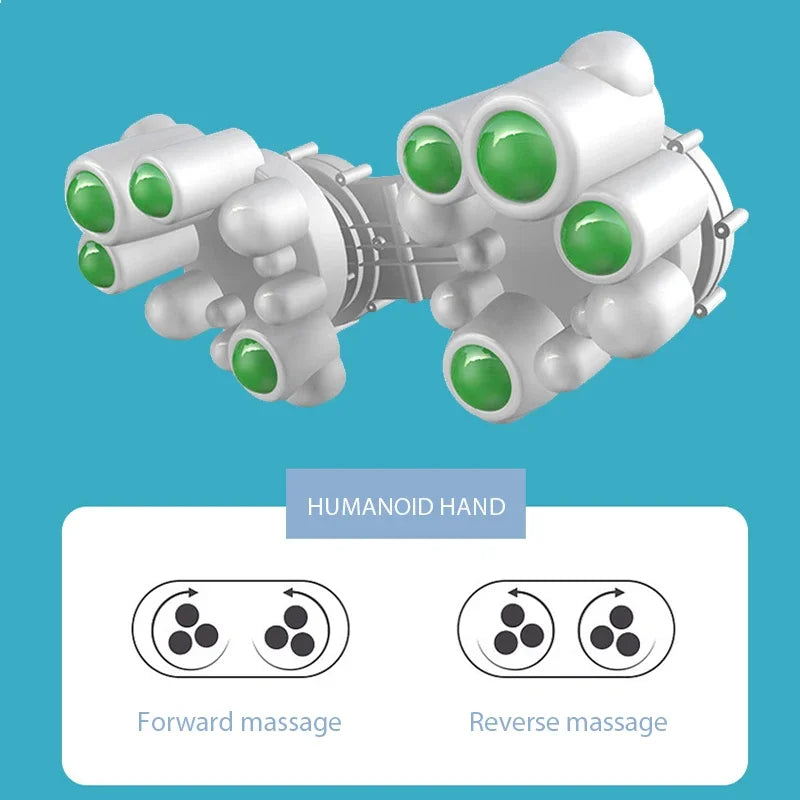
If self-massage is difficult, a massage device may help provide consistent pressure during short recovery sessions.
Using Heat to Relax Muscles and Support Mobility
Heat therapy does not permanently fix circulation problems, but warming tight muscles before exercise may improve comfort and flexibility. Many people find that combining heat, gentle stretching, and regular movement produces better results than relying on a single technique alone.
For additional support, the KentDO™ Neck & Shoulder Massager combines massage with soothing heat to help relax tense muscles before or after your daily mobility routine.
Mistakes That Worsen Neck & Shoulder Circulation
- Sitting without moving for several hours.
- Ignoring early muscle tightness.
- Working with rounded shoulders all day.
- Stretching aggressively into pain.
- Skipping regular movement breaks.
- Expecting one workout to offset an entire day of inactivity.
Gentle, consistent activity is usually more beneficial than occasional intense stretching sessions.
Home Remedies to Increase Blood Flow to Neck Naturally
Most people experience the greatest improvement by combining several simple habits instead of relying on one solution.
- Warm compress: Helps relax tight muscles before stretching.
- Gentle massage: May reduce muscle tension and improve comfort.
- Regular movement: Encourages healthy muscle activity throughout the day.
- Stretching: Supports flexibility and comfortable range of motion.
- Stress management: Deep breathing and relaxation can reduce unnecessary muscle tension.
Combining mobility exercises, posture improvements, heat therapy, and massage often provides more consistent results than any single method.

A heated massage pillow can complement daily stretching and mobility exercises for ongoing neck comfort.
When to See a Doctor
Most neck and shoulder stiffness improves with regular movement and self-care. However, seek medical evaluation if you experience:
- Severe or worsening pain.
- Persistent numbness or tingling.
- Loss of arm or hand strength.
- Symptoms following a significant injury.
- Pain accompanied by fever, chest pain, dizziness, or unexplained weight loss.
- Symptoms that continue despite several weeks of appropriate self-care.
If you have an existing medical condition affecting circulation, nerves, or the spine, consult your healthcare provider before starting a new exercise routine.
FAQ: Improve Blood Circulation in Neck and Shoulders
Can I improve blood circulation naturally without devices?
Yes. Regular movement, posture correction, stretching, hydration, and stress management can all support healthy neck and shoulder circulation. Massage devices may provide additional comfort but are not required.
How often should I do neck and shoulder circulation exercises?
Short mobility sessions can be performed daily. If you work at a desk, try moving every 30–60 minutes throughout the day.
Does heat therapy improve shoulder circulation?
Heat helps relax muscles and may make stretching more comfortable. It is most effective when combined with movement rather than used alone.
Can circulation exercises reduce neck and shoulder tension?
Gentle exercises can improve mobility, reduce muscle tightness, and support healthy circulation. Consistency usually produces better long-term results than occasional intensive sessions.
How long does it take to improve shoulder circulation?
Some people notice reduced stiffness after a single mobility session, while lasting improvements typically require consistent daily movement and posture changes over several weeks.
When should neck and shoulder circulation problems be checked by a doctor?
Seek medical advice if symptoms include persistent numbness, significant weakness, severe pain, or do not improve with appropriate self-care and exercise.
Pillar Article: How to Relax Neck Muscles Fast: A Step-By-Step Relief Routine
Other Related Articles:
- Deep Kneading Massage Guide: Learn Proper Technique for Tension Release
- Hot Compress Therapy Benefits: How to Use Heat for Instant Ease
- Neck Stiffness Relief Tips: Daily Techniques That Actually Work
Explore More:













