

How to Relieve Neck Stiffness: Fast Fixes, Stretches, and Daily Relief Methods

Neck stiffness relief tips paired with the right massage support can make daily mobility easier. See it in action.
What Causes Neck Stiffness and Why It Happens
Neck stiffness develops when muscles, ligaments, joints, or other soft tissues around the cervical spine become tight, irritated, or inflamed. Identifying the underlying cause is one of the most effective ways to choose appropriate treatment, improve recovery, and reduce the likelihood of recurring discomfort. While most cases result from temporary muscle strain, persistent or severe symptoms may indicate a condition that deserves medical evaluation.
Common causes of neck stiffness
The most common causes of neck stiffness and relief strategies often relate to everyday habits rather than serious injury. Typical triggers include:
- Poor posture while using computers, tablets, or smartphones for extended periods
- Sleeping with inadequate pillow support or in an awkward position
- Muscle strain after sudden movements, exercise, or lifting
- Stress-related muscle tension affecting the neck and shoulders
- Prolonged sitting without regular movement or stretching breaks
These factors commonly reduce normal neck mobility by causing muscles to tighten and joints to become temporarily less flexible.
Morning neck stiffness: why it happens after sleep
Morning neck stiffness usually occurs when the neck remains in the same position for several hours overnight. A pillow that is too high, too flat, or no longer supportive can place unnecessary stress on the cervical spine. Sleeping with the head rotated for long periods may also leave muscles shortened and joints temporarily restricted.
For many people, gentle movement, light stretching, and a warm shower provide effective morning neck stiffness relief within the first hour after waking.
When neck stiffness may indicate a medical issue
Most episodes improve within a few days with conservative care. However, neck stiffness should be assessed by a healthcare professional if it is accompanied by any of the following:
- Severe or worsening pain that limits normal movement
- Numbness, tingling, or weakness extending into the arms or hands
- Fever, severe headache, or sensitivity to light
- Symptoms following a fall, accident, or other significant injury
- Pain that persists despite appropriate home treatment
Recognizing these red flags helps distinguish routine muscle stiffness from conditions that may require prompt medical evaluation.
5-Minute Routine: How to Fix a Stiff Neck Fast
If your neck feels tight or difficult to turn, this quick neck stiffness relief technique focuses on gentle, pain-free movement. The goal is to restore mobility gradually rather than force the neck through a full range of motion.
Step-by-step quick neck stiffness relief routine
- Neck tilt stretch – Slowly tilt your head toward one shoulder until you feel a gentle stretch. Hold for 10–15 seconds, then repeat on the opposite side without bouncing.
- Chin tuck – Pull your chin straight backward while keeping your eyes level. Hold for 5 seconds and repeat 5–10 times to improve cervical alignment.
- Slow neck rotation – Turn your head comfortably from left to right, pausing briefly at the end of each movement. Avoid pushing into pain.
- Shoulder rolls – Roll your shoulders backward in slow circles for 30–60 seconds to reduce tension in the upper trapezius and surrounding muscles.
If any movement causes sharp pain, dizziness, or numbness, stop the exercise and seek medical advice if symptoms persist.
How often to repeat the routine
For stiffness related to desk work, long commutes, or prolonged sitting, repeat this routine every two to three hours throughout the day. Performing several short mobility sessions is generally more beneficial than completing one long stretching session.
Movements to avoid during acute stiffness
When learning how to fix a stiff neck fast, avoiding aggravating activities is just as important as choosing the right stretches. During the first day or two of acute stiffness, avoid:
- Fast neck circles or forceful twisting movements
- Stretching aggressively into painful positions
- Heavy lifting that increases neck strain
- Remaining in one posture for extended periods without movement
- High-impact exercise if neck pain significantly limits movement
Gentle, frequent movement combined with good posture typically supports a smoother recovery than complete immobilization.
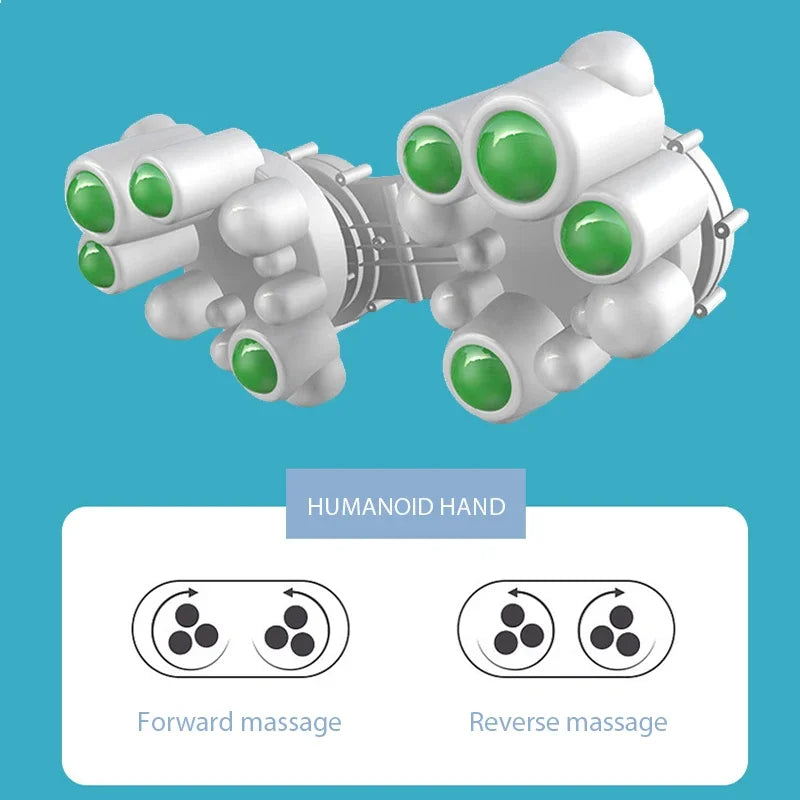
Mid-day relief becomes effortless when pairing neck stiffness relief tips with targeted massage. See it in action.
Exercises and Stretches for Neck Stiffness Relief
Performing gentle exercises for neck stiffness relief can improve flexibility, restore normal range of motion, and reduce muscle tension. The key is to progress gradually, using slow, controlled movements that stay within a comfortable range rather than forcing the neck into painful positions.
Gentle neck stiffness stretches
Begin with stretches that target the muscles most commonly affected by prolonged sitting, stress, or poor posture.
- Side neck stretch – Slowly tilt your head toward one shoulder until you feel a light stretch along the opposite side of your neck. Hold for 15–20 seconds before switching sides.
- Forward neck stretch – Lower your chin gently toward your chest to stretch the muscles along the back of your neck. Hold without bouncing.
- Upper trapezius stretch – Place one hand behind your back and use your opposite hand to apply light guidance as you tilt your head, keeping the stretch comfortable.
These neck stiffness stretches can be performed once or twice daily or after long periods of desk work.
Mobility exercises to loosen tight neck muscles
After gentle stretching, introduce mobility exercises to encourage smoother movement and improve muscle coordination.
- Controlled neck rotations – Slowly turn your head left and right through a pain-free range of motion.
- Shoulder blade squeezes – Pull your shoulder blades together for five seconds before relaxing. Repeat 10 times to improve upper back support.
- Thoracic spine extensions – Extend your upper back over the backrest of a chair or a foam roller to improve posture and reduce strain on the neck.
Strengthening the upper back and improving thoracic mobility often helps loosen tight neck muscles by reducing unnecessary stress on the cervical spine.
Progression from stiffness to normal movement
As symptoms improve, gradually increase the range of motion and the number of repetitions instead of forcing deeper stretches. A typical progression includes:
- Begin with gentle stretching and breathing exercises.
- Add slow mobility drills once pain decreases.
- Resume normal daily activities while maintaining good posture.
- Introduce strengthening exercises for the neck, shoulders, and upper back if stiffness occurs frequently.
Most people notice continued improvements when they combine regular movement with ergonomic adjustments throughout the day.
Safety tips before stretching
Move slowly and stop immediately if you experience sharp pain, dizziness, numbness, or symptoms radiating into your arms. Gentle, controlled motion is generally more effective than aggressive stretching for relieving muscle tension. If neck stiffness follows a significant injury or continues to worsen despite home care, seek medical evaluation before continuing an exercise program.
Neck Pain Relief at Home: Simple Remedies That Work
Many cases of neck stiffness respond well to conservative home care. Combining several stiff neck remedies—such as heat, gentle movement, posture correction, and massage—often provides better results than relying on a single technique.
Heat vs ice for stiff neck relief
Both heat and ice can play a role in neck pain relief at home, depending on the cause of your symptoms.
- Ice: Most helpful during the first 24 hours after a sudden strain or minor injury, as it may reduce inflammation and numb discomfort.
- Heat: Often preferred for ongoing muscle tightness because it promotes circulation, relaxes tense muscles, and improves flexibility before stretching.
Whichever method you choose, apply it for about 15–20 minutes at a time while protecting your skin with a towel.
Self-massage techniques
Gentle self-massage can help decrease muscle tightness and improve circulation. Using your fingertips, apply slow circular pressure to the muscles at the base of your skull, along the sides of your neck, and across the upper shoulders while maintaining relaxed breathing.
For deeper relief without manual effort, some people also use massage tools like the KentDO™ Neck & Shoulder Massager , which combines kneading massage with warming compression to help relax tense neck and shoulder muscles after long workdays or exercise.
Posture resets that reduce neck tension
Simple posture adjustments throughout the day can reduce unnecessary strain on the cervical spine.
- Lift your chest and keep your ears aligned over your shoulders.
- Relax your shoulders away from your ears instead of shrugging.
- Take movement and posture breaks every 30–60 minutes.
- Keep frequently used devices at eye level whenever possible.
You can explore additional wellness tools in the Body Care & Health Devices collection designed to support everyday muscle recovery.
Summary table: symptoms and best self-care
| Symptom | Recommended Self-Care |
|---|---|
| Morning stiffness | Gentle stretching, warm shower, posture reset |
| Muscle tightness after desk work | Movement breaks, shoulder exercises, heat therapy |
| Mild strain after activity | Ice during the first 24 hours, followed by gentle mobility as tolerated |
| Persistent muscle tension | Heat therapy, self-massage, ergonomic improvements, regular stretching |
Daily Habits That Instantly Reduce Neck Tension
Consistent daily habits are one of the most effective ways to reduce muscle tension before it becomes painful. Small posture corrections, regular movement, and better device ergonomics can significantly decrease the strain placed on your neck throughout the day.
What neck stiffness relief tips work immediately?
When your neck begins to feel tight during work or daily activities, these simple neck stiffness relief tips can help restore comfort within minutes:
- Stand up and move every 30–60 minutes to prevent muscles from remaining in one position.
- Roll your shoulders backward and allow them to relax away from your ears.
- Perform a few chin tucks or gentle neck stretches during breaks.
- Keep your computer screen at eye level to reduce forward head posture.
- Take slow, deep breaths to reduce stress-related muscle tension.
- Avoid holding the phone between your shoulder and ear while talking.
Frequent movement throughout the day is generally more effective than waiting until stiffness becomes severe.
Ergonomic adjustments for desk work
A well-designed workstation helps reduce repetitive stress on the cervical spine and surrounding muscles.
- Position the top of your monitor at or slightly below eye level.
- Sit with your feet flat on the floor and your knees at approximately 90 degrees.
- Keep your elbows close to your body while typing.
- Support your lower back to maintain a neutral spine.
- Place frequently used items within easy reach to avoid repeated twisting.
Good ergonomics reduce unnecessary muscle fatigue during long work sessions and can lower the risk of recurring neck stiffness.
Phone and tablet posture habits
Mobile devices are a common contributor to neck discomfort because they encourage prolonged forward head posture.
- Raise your phone or tablet closer to eye level instead of looking down for extended periods.
- Alternate hands while holding devices to avoid uneven muscle loading.
- Take short breaks every 20–30 minutes during prolonged screen use.
- Use voice commands or hands-free options when appropriate to reduce repetitive strain.
- Limit long periods of continuous scrolling without changing posture.
These simple habits help reduce cumulative stress on the neck and shoulders while supporting better spinal alignment.
How to Prevent Neck Stiffness from Returning
Preventive strategies are often more effective than treating recurring symptoms after they develop. Maintaining healthy movement patterns, proper sleep support, and good workstation ergonomics can help keep your neck comfortable over the long term.
Desk posture and screen height
Keep your ears aligned over your shoulders and avoid allowing your head to drift forward toward your monitor. Even a small amount of forward head posture increases the workload on neck muscles and may contribute to fatigue over time.
Adjust your chair, monitor, and keyboard so you can maintain a relaxed, upright posture without constantly reaching or bending your neck.
Sleep position and pillow support
Your sleeping position plays an important role in morning neck stiffness relief. A supportive pillow should keep your head and neck aligned with the rest of your spine rather than bending your neck upward or allowing it to drop too low.
- Sleeping on your back or side generally provides better spinal alignment.
- Choose a pillow that fills the space between your head and shoulders without forcing your neck into an awkward angle.
- Replace pillows that have lost their shape or support.
- Avoid sleeping on your stomach whenever possible, as it often requires prolonged neck rotation.
Daily mobility habits
Regular movement throughout the day helps prevent stiffness from building up. Incorporating a few minutes of mobility work into your daily routine is often enough to maintain flexibility and healthy muscle function.
- Perform gentle neck and shoulder stretches once or twice daily.
- Strengthen the upper back and shoulder muscles to improve posture.
- Take brief walking breaks during prolonged sitting.
- Check your posture throughout the day and make small corrections as needed.
- Stay physically active with regular exercise to support overall joint and muscle health.
Building these habits into your routine can reduce the frequency of recurring stiffness while supporting healthier movement and improved neck comfort over time.
Quick Neck Stiffness Relief Checklist
If you're wondering how to relieve neck stiffness quickly and safely, use this simple action plan based on when symptoms begin. Most mild cases improve with gentle movement, good posture, and appropriate self-care.
What to do in the first 5 minutes
- Stop the activity that triggered the discomfort.
- Gently move your neck through a comfortable range without forcing any motion.
- Relax your shoulders and practice slow, steady breathing.
- Apply ice if the stiffness followed a recent strain or injury, or use gentle heat if the muscles simply feel tight.
What to do today
- Take regular movement breaks instead of staying in one position.
- Repeat gentle stretches several times throughout the day.
- Maintain proper sitting and standing posture.
- Stay hydrated and avoid activities that significantly increase pain.
What to do over the next few days
- Gradually return to normal daily activities as symptoms improve.
- Continue light mobility exercises and posture correction.
- Monitor your symptoms for improvement rather than complete rest.
- Seek medical advice if pain worsens or new neurological symptoms develop.
When to See a Doctor for Neck Stiffness
Most episodes of neck stiffness improve within several days using conservative home care. However, certain symptoms may indicate an underlying condition that requires prompt medical evaluation.
Warning symptoms
- Severe pain that continues to worsen despite self-care.
- Fever accompanied by neck stiffness.
- Inability to move the neck because of pain or stiffness.
- Pain following a significant fall, sports injury, or motor vehicle accident.
Signs of nerve involvement
Numbness, tingling, weakness, or pain radiating into the shoulder, arm, or hand may suggest nerve irritation or compression. These symptoms should be evaluated by a healthcare professional, particularly if they persist or worsen.
Duration guidelines
If neck stiffness lasts longer than one week despite appropriate home treatment, or repeatedly returns without an obvious cause, consult a physician or physical therapist for further assessment.
Emergency symptoms requiring immediate care
Seek urgent medical attention if neck stiffness occurs together with any of the following:
- Sudden loss of strength or sensation in the arms or legs.
- Loss of bladder or bowel control.
- High fever, severe headache, confusion, or difficulty staying awake.
- Difficulty walking, maintaining balance, or speaking.
- Neck pain after major trauma or suspected spinal injury.
FAQ: Neck Stiffness Relief
What instantly helps a stiff neck?
Gentle movement combined with heat therapy often provides the quickest relief for muscle-related stiffness. If your symptoms began after an acute strain, applying ice during the first 24 hours may be more appropriate before switching to heat.
Should I stretch a stiff neck?
Yes. Gentle, pain-free stretching can improve mobility and reduce muscle tension. Avoid aggressive stretching or forcing movements that increase pain.
Can sleep position cause neck stiffness?
Yes. Sleeping with inadequate pillow support or in a position that twists the neck for several hours can contribute to morning stiffness. Choosing a supportive pillow and maintaining neutral spinal alignment may help reduce recurrence.
How long does neck stiffness last?
Most mild cases improve within one to three days. More significant muscle strains may require one to two weeks, depending on the cause and how consistently you follow recovery strategies.
What is the fastest way to loosen tight neck muscles?
A combination of gentle mobility exercises, heat therapy for muscle tightness, posture correction, and light massage is often the fastest way to restore comfortable movement.
Can dehydration cause neck stiffness?
Dehydration is not usually the primary cause, but inadequate fluid intake may contribute to muscle cramps and reduced tissue flexibility. Staying well hydrated supports normal muscle function.
Is walking good for a stiff neck?
Yes. Gentle walking encourages circulation, reduces prolonged sitting, and can help relax tight muscles as long as your symptoms do not worsen during activity.
Should I use heat or ice first for neck stiffness?
If stiffness follows a recent injury or sudden strain, ice is generally preferred during the first 24 hours. For ongoing muscle tightness without significant swelling, heat is often more effective at relaxing muscles and improving mobility.
Why is my neck stiff every morning?
Recurring morning stiffness is commonly related to sleeping posture, pillow support, or muscle tension. Reviewing your sleep setup and maintaining good daytime posture may help reduce symptoms.
What should I avoid doing with a stiff neck?
Avoid forceful neck rotations, sudden twisting movements, heavy lifting that aggravates symptoms, and remaining in one position for long periods without taking movement breaks.
Pillar Article: How to Relax Neck Muscles Fast: A Step-By-Step Relief Routine
Other Related Articles:
- Improve Blood Circulation Naturally: Simple Moves to Loosen Neck & Shoulders
- Deep Kneading Massage Guide: Learn Proper Technique for Tension Release
- Hot Compress Therapy Benefits: How to Use Heat for Instant Ease
Explore More:













