

Does a handheld body massager really work for muscle recovery?
A handheld body massager can help reduce muscle tension, temporarily improve circulation, and relieve everyday soreness through gentle vibration. For people dealing with stress, desk work, light exercise, or daily muscle fatigue, it provides convenient relief without the intensity of percussion therapy. Those seeking deeper treatment for post-workout muscle stiffness may benefit more from a massage gun.
Handheld Body Massager vs Massage Gun: Full Comparison
Choosing between a handheld body massager and a massage gun depends on how you experience muscle soreness, how often you'll use the device, and the type of relief you're looking for. While both are designed to ease muscle discomfort, they work differently. This guide compares performance, comfort, safety, features, and ideal use cases to help you decide which recovery tool fits your lifestyle.
⏱ 7 min read
Compare vibration therapy and percussion therapy to find the right solution for your recovery routine.
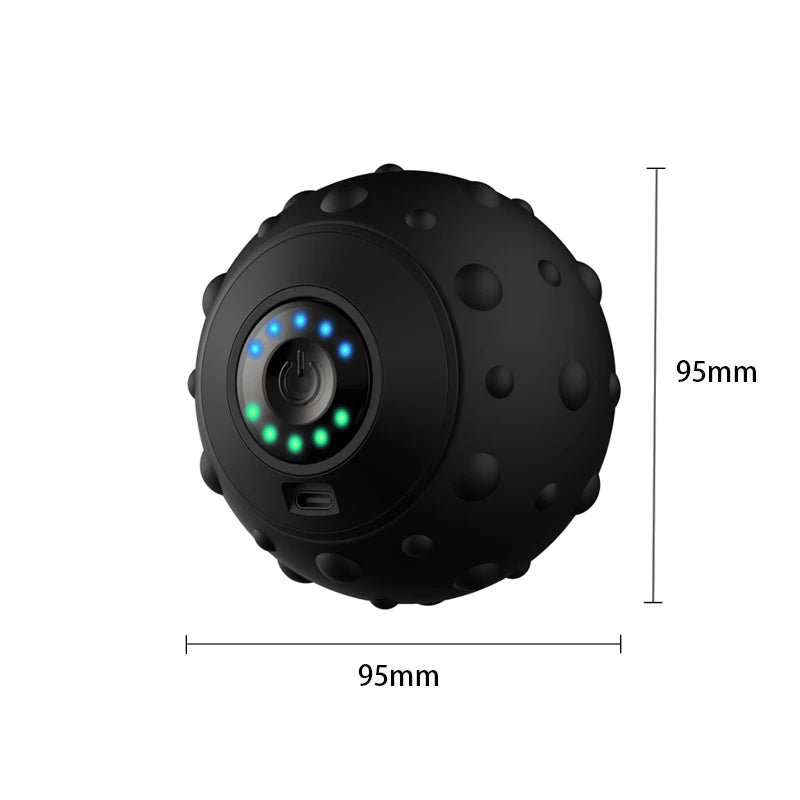
A compact handheld body massager designed for convenient daily muscle relief.
Quick Comparison: Massage Gun vs Body Massager
Side-by-Side Feature Comparison
| Feature | Handheld Body Massager | Massage Gun |
|---|---|---|
| Therapy Type | Gentle vibration | Percussion therapy |
| Intensity | Low to moderate | Moderate to very high |
| Best For | Daily relaxation and general muscle tension | Deep muscle recovery after exercise |
| Ease of Use | Very beginner-friendly | Requires more control |
| Noise | Usually quiet | Often louder |
| Portability | Compact and lightweight | Typically larger and heavier |
| Price Range | Generally more affordable | Usually higher priced |
Who Each Device Is Best For
- Choose a handheld body massager if you want gentle, relaxing vibration for everyday aches, neck tension, shoulders, legs, or stress relief.
- Choose a massage gun if you regularly perform intense workouts, experience stubborn muscle knots, or want deeper soft tissue stimulation.
What's the Difference Between a Massage Gun and a Body Massager?
How Percussion Therapy Works
A massage gun rapidly drives its massage head into muscle tissue using short-amplitude percussive movements. This repeated tapping reaches deeper muscle layers than traditional vibration and may temporarily reduce stiffness, improve flexibility before exercise, and decrease delayed onset muscle soreness (DOMS) after workouts.
How Vibration and Traditional Massage Devices Work
A handheld body massager uses vibration instead of forceful percussion. The vibrating movement helps relax muscles, encourages local blood flow, and provides a soothing massage that many users find comfortable enough for daily use. Because the pressure is gentler, it is often preferred for sensitive muscles, neck discomfort, and regular stress relief.
Does a Massage Gun or Body Massager Work Better for Muscle Recovery?
Recovery After Exercise
Massage guns generally perform better for athletes and active individuals recovering from heavy training. Their deeper percussion can target larger muscle groups such as the quadriceps, hamstrings, glutes, and calves.
Everyday Muscle Tension
For muscle tightness caused by office work, commuting, parenting, or everyday activities, a handheld body massager often provides sufficient relief without the aggressive sensation of percussion therapy.
Evidence From Research
Current research suggests both vibration therapy and percussion therapy can temporarily reduce muscle soreness, improve perceived recovery, and increase short-term flexibility. Neither device permanently treats injuries, but both can be useful recovery tools when combined with stretching, exercise, adequate sleep, and proper hydration.
Handheld Body Massager Overview
Pros
- Lightweight and easy to operate
- Comfortable for beginners
- Quiet enough for regular home use
- Suitable for sensitive muscles and smaller body areas
- Excellent for relaxation and stress reduction
Cons
- Less effective on deep muscle knots
- Lower power than percussion devices
- May require longer sessions for larger muscles
Best Use Cases
A handheld body massager is ideal for daily muscle maintenance, mild soreness, neck and shoulder tension, recovery after long workdays, and anyone seeking a comfortable massage experience.
Explore more recovery devices in the Body Care and Health Devices collection.
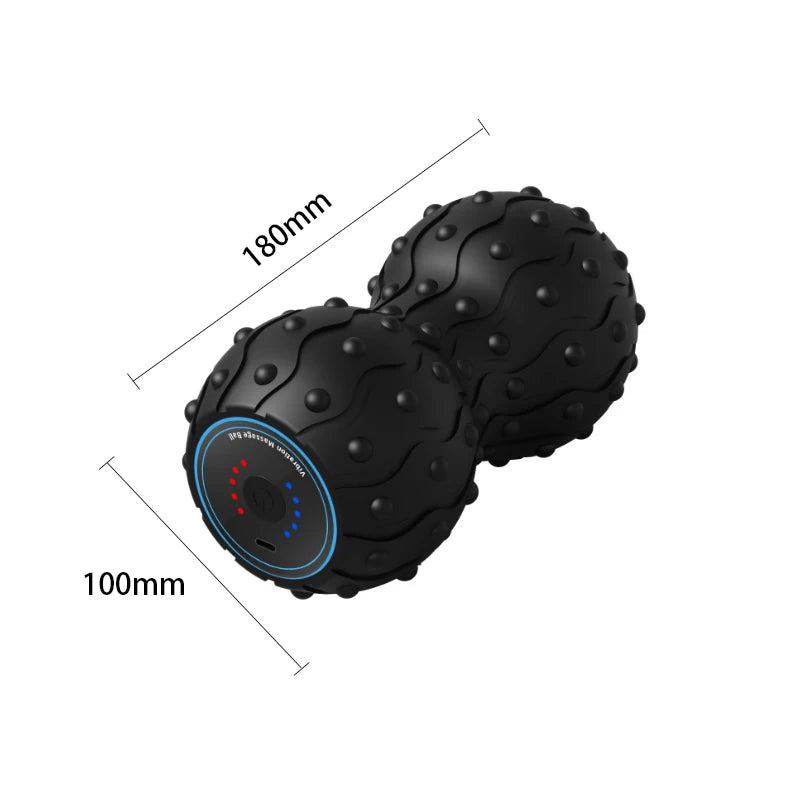
Compact vibration therapy offers comfortable muscle relief for everyday use.
Recommended product: handheld body massager
Massage Gun Overview
Pros
- Deep tissue percussion
- Effective for stubborn muscle knots
- Often includes multiple attachments
- Popular with athletes and gym users
Cons
- Can feel too intense for some users
- Heavier to hold during longer sessions
- Usually louder than vibrating massagers
- Typically more expensive
Best Use Cases
Massage guns are best suited for sports recovery, high-intensity training, larger muscle groups, and users who prefer stronger pressure.
Feature Comparison: Massage Gun vs Body Massager
Power and Intensity
Massage guns deliver stronger mechanical force, while body massagers prioritize comfort through vibration.
Attachments
Most massage guns include interchangeable heads for different muscle groups. Handheld body massagers usually focus on simple, straightforward operation with fewer accessories.
Noise Level
Body massagers generally operate more quietly, making them better suited for relaxing in the evening or while watching television.
Battery Life and Portability
Both rechargeable devices offer good portability, but compact body massagers are easier to pack for travel and require less storage space.
Maintenance and Durability
Keeping either device clean and charging it according to the manufacturer's instructions will maximize battery life. Massage guns may require occasional attachment replacement, while simpler vibrating massagers often need less maintenance.
Which Device Is Better for Different Needs?
| User | Recommended Device | Reason |
|---|---|---|
| Athletes | Massage Gun | Deep recovery after intense training |
| Office Workers | Handheld Body Massager | Relieves neck, shoulder, and back tension |
| Seniors | Handheld Body Massager | Gentler vibration with less discomfort |
| Beginners | Handheld Body Massager | Easy to learn and comfortable to use |
| Chronic Muscle Tightness | Depends on severity | Gentle vibration for maintenance, percussion for deeper knots |
If you're unsure which option suits you best, starting with a gentle body massager is often the easiest way to introduce regular recovery into your routine.
Safety, Risks, and Who Should Avoid Each Device
When to Avoid Massage Guns
- Over broken skin or open wounds
- Directly on joints or bones
- Over recent fractures
- If advised against massage by a healthcare professional
When Body Massagers Are Safer
Gentle vibrating body massagers are generally better tolerated by people with sensitive muscles or those who simply want light daily relaxation rather than aggressive muscle treatment.
General Safety Tips
- Begin with the lowest intensity setting.
- Avoid prolonged pressure on one area.
- Stop if you experience pain rather than mild muscle discomfort.
- If you have significant medical conditions, consult a healthcare professional before using any recovery device.
Final Verdict: Which Should You Choose?
Choose a Massage Gun If...
- You exercise regularly.
- You need deep tissue percussion.
- You frequently experience stubborn muscle knots.
- You don't mind a louder, more powerful device.
Choose a Body Massager If...
- You want comfortable daily muscle relaxation.
- You prefer a quieter device.
- You value portability and ease of use.
- You mainly experience everyday muscle tension rather than sports-related soreness.
For most people seeking regular home recovery, a handheld body massager offers an excellent balance of comfort, convenience, and effectiveness. Those pursuing high-performance athletic recovery may benefit from adding a massage gun for deeper treatment when needed.
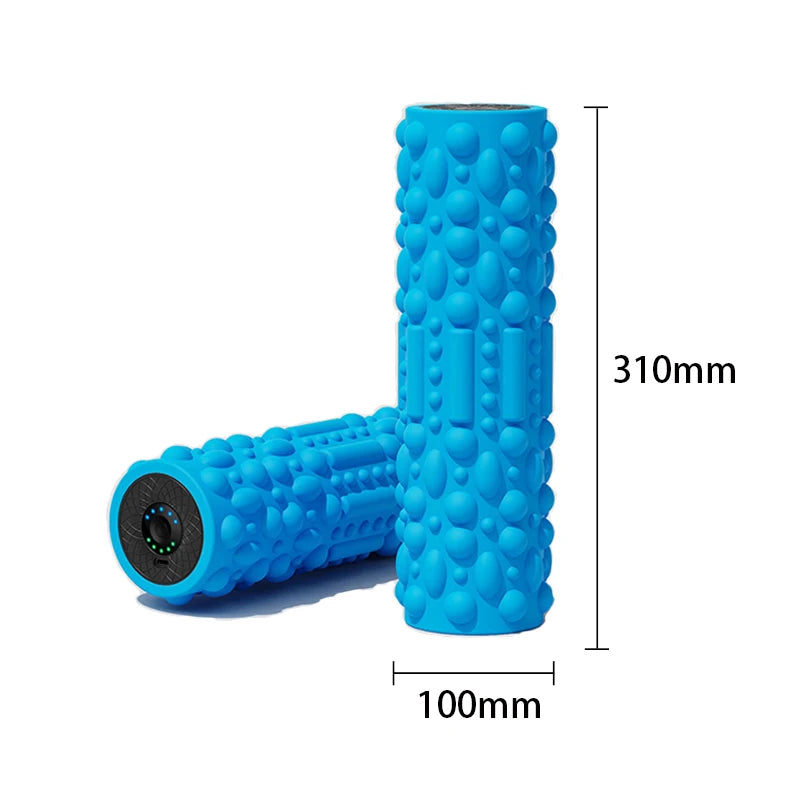
Choose the recovery device that best matches your daily routine and muscle recovery goals.
Shop handheld body massager
Frequently Asked Questions
Is a massage gun better than a body massager?
Not necessarily. Massage guns provide deeper percussion therapy, while body massagers are often better for everyday relaxation, comfort, and gentle muscle recovery.
Can a body massager replace a massage gun?
For many people, yes. If your primary goal is relieving daily muscle tension rather than recovering from intense workouts, a handheld body massager may be all you need.
Which device is better for deep tissue massage?
A massage gun is generally more effective for deep tissue work because its percussion reaches deeper muscle layers.
Are massage guns safe to use every day?
They can be when used properly, but excessive pressure or prolonged use on one area should be avoided. Always follow the manufacturer's instructions.
Who should avoid using a massage gun?
People with certain injuries, recent surgeries, fractures, or medical conditions should consult a healthcare professional before using percussion therapy.
Which is quieter: a massage gun or a body massager?
Handheld body massagers are generally quieter because they rely on vibration instead of high-powered percussion.
Is a full body massager better for seniors?
Many seniors prefer gentler vibrating body massagers because they are easier to control and typically more comfortable on sensitive muscles.
Are massage guns worth the higher price?
If you train frequently or need deep muscle recovery, the additional power can justify the cost. Otherwise, a quality handheld body massager often provides better overall value for everyday use.
Pillar Article: Muscle recovery tools: Best Options Compared for Fast Relief
Other Related Articles:
- Trigger Point Handheld Massage Ball: Best vs Manual Balls
- Portable Muscle Massager Review: Best for Daily Recovery?
- Deep Tissue Massage Ball vs Trigger Point Tools Review
- Vibrating Massage Ball Roller vs Foam Roller: Which Wins?
Explore More:













